Blue Bite Branding

  • Home
  • Services
    • Search Engine Optimization
    • Ad Creative
    • Social Media Creative
    • Email Design
    • Web Design
    • Presentation Design
    • Packaging & Merch Design
    • eBook & Digital Report Design
    • Print Design
    • Motion Design
    • Illustration Design
    • Brand Identity Design
    • Concept Creation
    • Video Production
    • Digital Marketing Consulting
  • Media Publications
    • Available Options
    • Press Releases
    • Get Featured In Publications
    • Reputation Management Services
  • CaaS
  • OUR WORK
  • Pricing
  • Blog

Blue Bite Branding

Blue Bite Branding

  • Home
  • Services
    • Search Engine Optimization
    • Ad Creative
    • Social Media Creative
    • Email Design
    • Web Design
    • Presentation Design
    • Packaging & Merch Design
    • eBook & Digital Report Design
    • Print Design
    • Motion Design
    • Illustration Design
    • Brand Identity Design
    • Concept Creation
    • Video Production
    • Digital Marketing Consulting
  • Media Publications
    • Available Options
    • Press Releases
    • Get Featured In Publications
    • Reputation Management Services
  • CaaS
  • OUR WORK
  • Pricing
  • Blog
17 AugSEO & Link Building

Top Social Media Marketing Companies to Watch for in 2024

In today’s fast-paced digital landscape, social media has emerged as a cornerstone of modern marketing strategies, driving brand engagement, customer acquisition, and revenue growth. With billions of active users across various platforms, social media offers unparalleled opportunities for businesses and individuals to connect with their target audiences in innovative and impactful ways. However, navigating the complexities of top social media marketing companies requires expertise and strategic insight, making the role of specialized social media marketing companies increasingly vital.

As we approach 2024, the landscape of social media marketing continues to evolve rapidly, influenced by emerging trends, shifting algorithms, and new platform features. To stay competitive and effectively leverage these changes, businesses and influencers alike are turning to social media marketing companies that can offer cutting-edge strategies and proven results. These agencies bring a wealth of experience and a deep understanding of the digital ecosystem, providing services that range from content creation and social media management to advanced analytics and targeted advertising.

This article delves into the top social media marketing companies to anticipate in 2024. We’ll highlight those making significant waves in the industry, including leading firms globally and standout agencies in the USA. Whether you’re a small business looking for tailored social media solutions, a large corporation seeking comprehensive digital strategies, or an influencer aiming to enhance your online presence, these top social media marketing companies are equipped to meet a variety of needs. By examining their unique offerings, expertise, and client success stories, this guide aims to help you identify the best partners to elevate your social media marketing efforts and achieve your digital goals in the coming year.

Top Social Media Marketing Companies in the World

In the dynamic realm of social media marketing, several companies have distinguished themselves as leaders by delivering exceptional results and innovative solutions across global markets. 

1. Hootsuite

Renowned for its comprehensive suite of social media management tools, Hootsuite is a titan in the industry. Their platform offers everything from content scheduling to performance analytics, making it a top choice for businesses looking to streamline their social media efforts. Hootsuite’s ability to integrate with various social networks and provide in-depth insights makes it a leading option for brands seeking to optimize their social media strategy.

2. Sprout Social

Sprout Social stands out for its focus on delivering actionable insights and fostering meaningful customer engagement. Their platform offers robust analytics and reporting tools that help businesses track their social media performance and refine their strategies. Sprout Social’s emphasis on customer relationship management (CRM) and its user-friendly interface make it a favorite among businesses aiming to build strong relationships with their audience.

3. SocialBee

Top social media marketing companies, SocialBee is known for its versatile social media management services, which include content scheduling, curation, and analytics. Their unique approach to content categorization allows businesses to maintain a consistent and engaging online presence. SocialBee’s focus on automation and content planning helps companies effectively manage their social media channels and drive engagement.

4. Buffer

Buffer offers a streamlined and intuitive platform for managing social media accounts. Its features include scheduling posts, analyzing performance, and collaborating with team members. Buffer’s commitment to simplicity and ease of use makes it an ideal choice for businesses and influencers looking for a straightforward social media management solution.

5. Later

Later specializes in visual content planning and scheduling, making it a great choice for businesses focused on platforms like Instagram. Their drag-and-drop interface and visual content calendar simplify the process of managing social media posts. Later’s emphasis on visual planning helps brands maintain a cohesive and attractive social media presence.

6. Top Social Media Marketing Companies: Tailwind

Tailwind is particularly well-regarded for its Pinterest and Instagram marketing capabilities. Its features include scheduling, analytics, and content discovery tools. Tailwind’s focus on visual content and its ability to help businesses optimize their Pinterest and Instagram strategies make it a valuable tool for visual-centric brands.

7. CoSchedule

CoSchedule offers a comprehensive marketing calendar and social media management tools designed to help businesses organize and execute their content strategy. Their platform integrates with various marketing channels and provides robust analytics, making it a powerful tool for managing and optimizing social media campaigns.

8. Agorapulse

Agorapulse is known for its social media monitoring and engagement capabilities. Top social media marketing companies platform provides tools for scheduling, responding to messages, and analyzing social media performance. Agorapulse’s emphasis on customer engagement and real-time monitoring makes it a strong choice for businesses looking to enhance their social media interactions.

9. Zoho Social

Zoho Social offers a range of features for managing social media accounts, including scheduling, analytics, and monitoring. Its integration with Zoho’s suite of business tools provides a comprehensive solution for managing social media alongside other aspects of business operations.

10. Loomly

Loomly focuses on simplifying social media management through its content calendar and collaboration tools. Its platform helps businesses plan, schedule, and optimize their social media content, making it a valuable tool for teams looking to streamline their social media efforts.

Top Social Media Marketing Companies in USA

In the competitive realm of social media marketing, several agencies in the USA have distinguished themselves as leaders by delivering innovative and effective solutions. 

1. Ignite Social Media

Based in Raleigh, North Carolina, Ignite Social Media is a leading social media marketing agency known for its data-driven approach. They offer a range of services, including strategy development, content creation, and social media management. Ignite Social Media’s focus on delivering measurable results and their expertise in various industries make them a top choice for businesses across the USA.

2. Social Media 55

Social Media 55, headquartered in Montreal, Canada, has a strong presence in the USA. They specialize in top social media marketing companies, including content creation, management, and advertising. Their commitment to creating customized strategies and their track record of delivering results have earned them a reputation as a top social media marketing agency in America.

3. Firebelly Marketing

Firebelly Marketing, based in Indianapolis, Indiana, is known for its social media management and influencer marketing services. They focus on helping brands build their online presence through strategic social media campaigns and influencer partnerships. Firebelly Marketing’s dedication to creativity and results-driven strategies makes them a standout in the industry.

4. Hawksem

Hawksem is a Chicago-based agency specializing in social media marketing and digital advertising. Their services include social media strategy, content creation, and paid social campaigns. Hawksem’s data-driven approach and focus on achieving measurable results have made them a top choice for businesses looking to enhance their social media presence.

5. Top Social Media Marketing Companies: Sculpt

Sculpt, located in Seattle, Washington, offers a range of social media marketing services, including strategy development, content creation, and analytics. Their emphasis on creating compelling content and their ability to deliver results through targeted social media campaigns make them a leading agency in the USA.

6. Social Media Shark

Based in Los Angeles, California, Social Media Shark specializes in social media marketing and influencer management. They offer services such as content creation, social media management, and influencer partnerships. Social Media Shark’s focus on leveraging the power of influencers and their expertise in various social media platforms makes them a top choice for brands looking to boost their online presence.

7. The Influencer Marketing Factory

The Influencer Marketing Factory, headquartered in New York City, focuses on influencer marketing and social media strategy. Their services include influencer partnerships, content creation, and campaign management. Their expertise in connecting brands with the right influencers and their data-driven approach have made them a leading agency in the USA.

8. Lush Social

Lush Social, based in Miami, Florida, offers a range of social media marketing services, including content creation, social media management, and advertising. Their emphasis on creativity and their ability to deliver results through innovative social media strategies make them a standout agency in America.

9. Reputation Loop

One of the top social media marketing companies in america, Reputation Loop, located in San Francisco, California, specializes in social media marketing and online reputation management. Their services include social media management, content creation, and reputation monitoring. Reputation Loop’s focus on helping businesses build and maintain a positive online reputation makes them a top choice for brands in the USA.

10. Sociallyin

Sociallyin, based in Birmingham, Alabama, is known for its social media management and content creation services. They focus on developing customized social media strategies and delivering results through engaging content and targeted campaigns. Sociallyin’s dedication to client satisfaction and their expertise in social media marketing make them a leading agency in America.

FAQs

Who is the best social media marketing agency?

Hootsuite is a top choice for social media marketing agencies due to its comprehensive scheduling, analytics, and management tools, catering to businesses of all sizes and delivering exceptional results across various platforms, based on specific needs.

Who is best social media marketing?

Hootsuite is a popular choice for businesses due to its comprehensive management tools, user-friendly platform, and integration with various networks, making it ideal for scheduling, analytics, and optimizing social media strategies.

Which social media site is best for marketing?

The optimal social media platform for marketing depends on your target audience and business objectives. LinkedIn is effective for B2B, while Instagram, TikTok, Facebook, and Twitter cater to visually-driven brands and diverse audiences.

What are the biggest media marketing companies?

WPP, Omnicom Group, Publicis Groupe, IPG, and Densu are major media marketing companies offering comprehensive advertising and marketing services, making them top choices for major brands worldwide.

What are the big 4 marketing companies?

The Big Four marketing companies, Omnicom Group, WPP, Publicis Groupe, and IPG, dominate the industry by offering services in advertising, media planning, public relations, digital marketing, and branding.

Top Social Media Marketing Agency for Small Business

1. Hootsuite: Hootsuite’s comprehensive tools and affordable pricing make it an excellent choice for small businesses. Their platform offers features for scheduling, analytics, and monitoring, allowing small businesses to manage their social media presence effectively.

2. Buffer: Buffer’s user-friendly interface and flexible pricing plans make it a great option for small businesses. Their platform provides essential features for scheduling posts, tracking performance, and engaging with followers.

3. SocialBee: SocialBee’s content categorization and automation features are ideal for small businesses looking to maintain a consistent social media presence. Their tools help businesses streamline their content creation and scheduling processes.

4. Later: Later’s visual content planning and scheduling features are particularly beneficial for small businesses focusing on Instagram. Their platform helps businesses create and manage visually appealing social media content.

5. Tailwind: Tailwind’s focus on Pinterest and Instagram marketing makes it a valuable tool for small businesses looking to enhance their presence on these platforms. Their scheduling and analytics features help businesses optimize their social media strategies.

6. CoSchedule: CoSchedule’s marketing calendar and social media management tools are useful for small businesses looking to organize and execute their social media campaigns. Their platform integrates with various marketing channels, providing a comprehensive solution for managing social media efforts.

7. Zoho Social: Top social media marketing companies, Zoho Social’s range of features and integration with other Zoho business tools make it a good choice for small businesses. Their platform provides scheduling, analytics, and monitoring capabilities to help businesses manage their social media presence effectively.

8. Agorapulse: Top 10 social media companies, monitoring and engagement tools are beneficial for small businesses looking to enhance their interactions with followers. Their platform offers features for scheduling, responding to messages, and analyzing performance.

9. Loomly: Loomly’s content calendar and collaboration tools are ideal for small businesses with teams working on social media campaigns. Their platform helps businesses plan, schedule, and optimize their social media content efficiently.

10. Reputation Loop: Reputation Loop’s focus on online reputation management and social media marketing is valuable for small businesses looking to build and maintain a positive online image. Their services help businesses enhance their social media presence and manage their reputation effectively.

Social Media Marketing Agencies for Influencers

For social media agency for influencers seeking to amplify their personal brand and maximize their impact on social media, partnering with a specialized social media marketing agency can be a game-changer.

1. Social Media Shark

Social Media Shark specializes in influencer marketing and social media management, making it an excellent choice for influencers looking to grow their personal brand.They provide influencer connections, social media management, and content development.

2. The Influencer Marketing Factory

The Influencer Marketing Factory focuses on connecting influencers with brands and managing influencer campaigns. Their expertise in influencer marketing and data-driven approach make them a top choice for influencers looking to collaborate with brands and expand their reach.

3. Firebelly Marketing

Firebelly Marketing’s influencer marketing services are designed to help influencers build their personal brand and engage with their audience. Their services include influencer partnerships, content creation, and social media management.

4. Lush Social

Lush Social offers social media management and content creation services tailored to influencers. Their focus on creativity and their ability to deliver results through engaging content make them a valuable partner for influencers looking to enhance their social media presence.

5. Sculpt

Sculpt’s social media marketing services cater to influencers seeking to optimize their online presence. Their platform offers tools for content creation, scheduling, and analytics, helping influencers manage their social media efforts effectively.

6. Hawksem

Hawksem’s expertise in social media marketing and digital advertising is beneficial for influencers looking to grow their audience and engage with their followers. Their data-driven approach and targeted campaigns help influencers achieve their goals.

7. Reputation Loop

Reputation Loop’s focus on online reputation management and top social media marketing companies are valuable for influencers looking to maintain a positive online image. Their services help influencers manage their social media presence and build a strong personal brand.

8. SocialBee

SocialBee’s content categorization and automation features are useful for influencers managing their social media accounts. Their platform helps influencers maintain a consistent online presence and engage with their audience effectively.

9. Agorapulse

Agorapulse’s social media monitoring and engagement tools are ideal for influencers looking to enhance their interactions with followers. Their platform offers features for scheduling, responding to messages, and analyzing performance.

10. Zoho Social

Zoho Social’s range of features and integration with other business tools make it a good choice for influencers looking to manage their social media presence. Their platform provides scheduling, analytics, and monitoring capabilities to help influencers achieve their goals.

To sum up, the demand for top social media marketing companies is on the rise due to the pivotal role of social media in digital marketing. These agencies offer tailored services to businesses, small enterprises, and influencers. They range from global leaders to specialized firms, driving innovation and delivering exceptional results across various platforms. Whether a small business needs effective social media strategies or an influencer aims to amplify their personal brand, these companies are well-equipped to help achieve their goals. As 2024 approaches, choosing the right social media marketing partner can significantly impact building a successful online presence.
Read More
15 AugSEO & Link Building

Role of Google Analytics Direct in Your Website’s Traffic Reports

In the realm of digital marketing and web analytics, understanding how visitors interact with your website is essential for crafting effective strategies and optimizing performance. Google Analytics Direct, a leading analytics platform, provides comprehensive insights into traffic sources, user behavior, and website performance. Among the various traffic categories it tracks, “Direct Traffic” stands out as one of the more elusive and sometimes misunderstood metrics. 

Direct traffic refers to visitors who arrive at your site without a clear referral source. This can include users who type your website’s URL directly into their browser, click on a bookmarked link, or access your site through links in non-web documents or applications that don’t pass referrer information. Because Google Analytics cannot identify the precise origin of these visits, they are categorized as direct traffic, which can sometimes lead to ambiguity in your data.

Understanding the role of direct traffic is crucial for several reasons. It offers insights into brand recognition and loyalty, reflecting how well your audience knows and trusts your brand. It can also highlight the effectiveness of offline marketing efforts, such as print ads or TV commercials, which often drive users to visit your site directly. However, direct traffic can also encompass visits from sources that aren’t tracked properly, making it a complex metric to interpret.

In this article, we will delve into the nuances of Google Analytics direct traffic, comparing it with other traffic sources like organic search and referral traffic. We will explore how direct traffic is tracked in both Universal Analytics and the newer GA4 (Google Analytics 4), discuss its implications for your marketing strategy, and offer strategies to better manage and optimize this important traffic source. Understanding direct traffic fully enables you to refine your analytics approach and enhance your overall digital marketing effectiveness.

Understanding Google Analytics Direct Traffic

Google Analytics Traffic refers to visits to your website where the source of the visit is unknown or untraceable by Google Analytics. 

What is Direct Traffic in Google Analytics?

Google Analytics is defined as the category of website visitors who arrive without a clearly defined referral source. Essentially, Google Analytics labels a visitor as “direct” if it cannot determine where they came from. There are a number of explanations for why this may happen, including:

1. Typing the URL directly: A user manually enters your website’s URL into their browser.

2. Bookmark access: The visitor has your website bookmarked and uses this shortcut to access it.

3. Non-tracked sources: Sometimes, visits from emails, PDFs, or other non-web documents that lack tracking parameters can also be categorized as direct traffic.

4. Link from non-web sources: Visitors arriving from a link in a document (like a Word document or PDF) that doesn’t carry a referrer might also be counted as direct traffic.

The ambiguity surrounding direct traffic makes it one of the more challenging aspects of Google Analytics to interpret accurately.

Google Analytics Direct Traffic in GA4

With the introduction of Google Analytics 4 (GA4), the definition and tracking of direct traffic have seen some adjustments. GA4 is designed to offer more sophisticated tracking capabilities, including improved identification of traffic sources. However, direct traffic still plays a significant role in GA4, especially when it comes to understanding how users navigate directly to your website. GA4’s event-based tracking model provides more granular data, potentially reducing the volume of direct traffic by better attributing visits to the correct sources. Nonetheless, direct traffic remains an essential metric for understanding user behavior and optimizing your marketing efforts.

What is Organic Search in Google Analytics

Organic search traffic refers to visitors who find your website through a search engine query, such as Google, Bing, or Yahoo, without clicking on a paid advertisement. This type of traffic is highly valuable because it typically consists of users actively seeking information related to your content, products, or services. Google Analytics tracks organic search traffic separately from other sources, providing insights into the keywords and search queries driving visitors to your site.

Direct Traffic vs. Organic Search: Key Differences

Understanding the difference between Google Analytics direct traffic vs organic search is crucial for accurately interpreting your website’s performance data. While direct traffic is somewhat ambiguous, organic search traffic is more straightforward, as it is tied directly to search engine activity. The key differences include:

1. Source Identification: 

Organic search traffic comes from search engines, whereas direct traffic lacks a clear source.

2. Google Analytics Direct: User Intent 

Visitors to organic search sites are often more targeted, as they are actively searching for specific information. Direct traffic users might already be familiar with your brand or have a specific purpose for visiting.

3. Impact on SEO:

 Organic search traffic is a direct indicator of your website’s SEO performance. High organic traffic suggests strong search engine rankings, while direct traffic doesn’t provide such insights.

By comparing Google Analytics traffic with organic search, you can better understand how users are finding your site and the effectiveness of your SEO strategy.

What is Referral Traffic in Google Analytics?

Referral traffic refers to visitors who arrive at your website from a link on another website. This could include social media platforms, blogs, partner websites, or online directories. Referral traffic is an important metric because it can indicate the effectiveness of your link-building efforts and partnerships with other sites. It also helps you understand which external sources are driving traffic to your website.

Direct Traffic vs. Referral Traffic

When comparing direct traffic to referral traffic, the primary difference lies in the source of the visits. While direct traffic lacks a referral source, referral traffic clearly identifies the website or platform from which the visitor originated. Understanding these differences helps in refining your marketing strategies and identifying which external sites are most beneficial for your business.

Why is Direct Traffic Important?

Google Analytics Direct traffic is a crucial metric because it can provide insights into brand loyalty, user behavior, and the overall effectiveness of your marketing efforts. High levels of direct traffic may indicate strong brand recognition, as users are actively seeking out your website. However, it’s essential to understand the various factors that contribute to direct traffic, as misinterpreting this data can lead to incorrect conclusions about your website’s performance.

Strategies for Managing Google Analytics Direct Traffic

To optimize direct traffic, consider the following strategies:

1. Improve URL Structure: Simplifying your URLs can make them easier for users to remember and type directly.

2. Enhance Brand Awareness: Focus on building a strong brand presence so that users are more likely to remember and directly visit your site.

3. Utilize UTM Parameters: Implement UTM parameters in your marketing campaigns to reduce the likelihood of traffic being categorized as direct when it originates from trackable sources.

Common Misconceptions About Direct Traffic

One common misconception about direct traffic is that it exclusively represents users who manually type in your website’s URL or access it through a bookmark. 

The “Direct Traffic Police” Myth

A common misconception is that Google Analytics acts as a “direct traffic police,” strictly categorizing traffic based on specific rules. While Google Analytics does have algorithms to identify traffic sources, it is not infallible. Misconfigurations, untagged links, and other tracking issues can sometimes lead to the incorrect categorization of traffic as direct.

Understanding the Complexity of Direct Traffic

Direct traffic is not always a straightforward metric to interpret. Various factors, including browser privacy settings, can affect how traffic is categorized. For instance, if a user has high privacy settings enabled, their traffic may be misclassified as direct even if it originated from another source.

FAQs

What is direct on Google Analytics?

Direct traffic in Google Analytics refers to website visits without tracking the source, such as direct URL inputs, bookmarking, or offline links. This broad and sometimes ambiguous metric helps understand user behavior.

What is the difference between direct and referral?

Direct traffic is traffic from visitors who visit a website without a traceable source, while referral traffic comes from external links from other websites, such as blog posts or social media platforms, allowing for clear attribution to specific external sources.

What is the difference between direct and SEO?

Direct traffic refers to users visiting a website directly, such as through a bookmark or non-trackable link, while organic search traffic comes from users finding the site through search engine results, driven by the website’s visibility and ranking.

What is the difference between direct and organic in GA4?

GA4 distinguishes between direct traffic, which is untraceable, and organic traffic, which is attributed to search engines like Google. Direct traffic lacks identifiable source data, while organic traffic is influenced by SEO efforts.

What are direct users in GA4?

Direct users in GA4 refer to visitors without a clear source or referral, such as browsing a website URL, bookmarking, or following a link without referral data. They are often seen as indicators of brand awareness or offline marketing effectiveness.

Segmenting Direct Traffic

One way to gain deeper insights into direct traffic is to segment it based on various user behaviors and characteristics. For example, you can segment google analytics direct traffic by returning visitors versus new visitors or by the pages they land on. This can help you understand. which parts of your site are most appealing to direct traffic and whether these visitors are more likely to convert.

Comparing Direct Traffic Across Time Periods

Analyzing direct traffic over different time periods can reveal trends and patterns that may not be immediately apparent. For instance, you might notice an increase in direct traffic following a major marketing campaign, even if that campaign wasn’t directly aimed at driving direct visits.

Transitioning from Universal Analytics to GA4

As Google Analytics continues to evolve, the transition from Universal Analytics to GA4 presents both challenges and opportunities for marketers. GA4 offers enhanced tracking capabilities, which can provide a more accurate picture of direct traffic. Understanding these changes is crucial for making the most of your analytics data.

Google Analytics Direct: Leveraging GA4 for Better Traffic Attribution

GA4’s event-based tracking system allows for more detailed analysis of user behavior, which can help reduce the volume of traffic categorized as direct. By implementing Direct traffic GA4 advanced features, you can gain a clearer understanding of where your direct traffic is coming from and how to optimize your marketing efforts accordingly.

The Role of Brand Familiarity in Direct Traffic

One of the most significant contributors to Google Analytics Direct traffic is brand familiarity. When users are familiar with your brand and have a positive association with it, they are more likely to visit your website directly by typing in your URL or accessing a bookmarked page. This kind of traffic is particularly valuable because it often reflects a loyal customer base or a highly engaged audience.

Brand familiarity can be cultivated through various strategies, including consistent branding across all marketing channels, strong customer service, and memorable advertising campaigns. The more recognizable and trustworthy your brand becomes, the more likely users are to seek you out directly. This underscores the importance of brand-building activities, as they directly influence the volume and quality of direct traffic.

Exploring the Impact of Offline Campaigns on Direct Traffic

Offline marketing campaigns, such as TV commercials, radio ads, print media, or even word-of-mouth recommendations, can also drive significant amounts of direct traffic. These types of campaigns often prompt users to visit a website directly because they lack a clickable link. For instance, a memorable TV ad that promotes a specific URL can lead to a spike in direct traffic, as viewers are inspired to type the URL into their browser.

This aspect of Google Analytics Direct traffic highlights the importance of integrating online and offline marketing strategies. By ensuring that offline campaigns are well-coordinated with your online presence, you can create a seamless experience that drives direct visits and maximizes the effectiveness of your overall marketing efforts.

Challenges in Accurately Tracking Direct Traffic

Despite its importance, tracking direct traffic accurately can be fraught with challenges. One of the primary issues is that direct traffic can sometimes serve as a “catch-all” category for visits that Google Analytics cannot properly attribute. This can happen due to various reasons, such as:

  • Missing UTM Parameters: When links in your marketing campaigns are not properly tagged with UTM parameters, visits that should be attributed to specific campaigns may end up categorized as direct traffic.
  • HTTPS to HTTP Transitions: If a user navigates from an HTTPS site to an HTTP site, the referrer data might not be passed along, leading to the visit being counted as direct traffic.
  • Private Browsing and Ad Blockers: Users who browse in private mode or use ad blockers might also have their visits misclassified as direct traffic, as these tools can strip away referrer information.

Understanding these challenges is crucial for improving the accuracy of your traffic reports. By addressing potential tracking issues, such as ensuring that all campaign links are properly tagged and optimizing your site to maintain HTTPS throughout, you can reduce the amount of traffic inaccurately attributed to the direct category.

The Role of Google Analytics Direct Traffic in Conversion Rate Optimization

Google Analytics Direct traffic often consists of users who are already familiar with your brand, which can make them more likely to convert than visitors from other sources. As such, direct traffic is an important metric to consider when optimizing your website for conversions. Understanding how direct visitors interact with your site, including which pages they visit and how long they stay, can provide valuable insights for improving user experience and increasing conversion rates.

For example, if you notice that a significant portion of direct traffic lands on a specific product page, this might indicate a strong interest in that product among your loyal audience. In response, you could focus on optimizing that page to improve its conversion rate, such as by enhancing the product description, adding customer testimonials, or offering special promotions for returning visitors.

The Evolution of Traffic Attribution and the Future of Direct Traffic

As digital marketing evolves, so too does the landscape of traffic attribution. Tools like GA4 are paving the way for more sophisticated tracking and analysis, which can help reduce the ambiguity associated with direct traffic. Future developments in analytics technology may further refine our understanding of traffic sources, making it easier to accurately attribute visits and optimize marketing strategies.

However, it’s important to recognize that direct traffic will likely always play a role in website analytics. As long as users have the option to type in URLs, bookmark pages, or share links in non-trackable ways, direct traffic will remain a relevant metric. The key for marketers is to stay informed about changes in analytics tools and to continuously refine their strategies for managing and interpreting direct traffic.

To sum up, Google Direct traffic in analytics is crucial for understanding user behavior and website performance. It can be difficult to interpret due to its ambiguous nature. Understanding it and comparing it to other sources like organic search and referral traffic can provide valuable insights. Marketers can use Universal Analytics and GA4 to manage direct traffic, optimize strategies, and drive more engagement and conversions. Understanding Google Analytics direct traffic sources, organic search, and referral traffic is essential for refining strategies and improving website performance.

Read More
13 AugSEO & Link Building

How a PPC Services Agency Can Optimize Your Campaigns

In today’s digital age, businesses must continually adapt their marketing strategies to stay ahead of the competition. Pay-Per-Click (PPC) advertising has emerged as one of the most effective ways to drive targeted traffic, generate leads, and boost conversions. But managing a PPC campaign effectively entails more than just putting advertisements up and leaving them running. It demands a deep understanding of audience behavior, strategic keyword selection, continuous optimization, and expert management to ensure that every dollar spent delivers the highest possible return on investment (ROI). A PPC services agency can help in this situation.

A PPC service agency specializes in creating, managing, and optimizing PPC campaigns to help businesses achieve their marketing goals. From conducting thorough keyword research to analyzing competitor strategies, these agencies bring a wealth of experience and expertise that can make the difference between a campaign that struggles to break even and one that consistently drives conversions. Whether you’re a small business looking to attract local customers or a multinational corporation aiming to dominate global markets, partnering with the right PPC agency can be a game-changer.

Choosing a PPC services agency isn’t just about finding someone to run your ads; it’s about finding a partner who understands your business objectives, your target audience, and the nuances of PPC management. With so many options available from agencies that specialize in certain industries to those that offer comprehensive PPC management services, it can be challenging to find the right fit. Additionally, understanding the PPC agency meaning and what to expect in terms of PPC service agency salary and service offerings can help you make an informed decision.

In this article, we’ll explore how a PPC services agency can optimize your campaigns to boost conversions. We’ll delve into the key strategies they use, the benefits of hiring a PPC agency, and how to choose the right one for your business, whether you’re looking for the best PPC company in India or a PPC agency USA. By the end, you’ll have a clear understanding of how a PPC service agency can take your digital marketing efforts to the next level.

The Role of a PPC Services Agency

A PPC service agency plays a crucial role in the success of your digital marketing efforts. At its core, PPC advertising is about bidding on keywords to place ads on search engines like Google or Bing. However, the success of a PPC campaign depends on much more than just keyword selection. A PPC services agency brings a comprehensive approach to PPC management, ensuring that every aspect of your campaign is optimized for maximum effectiveness.

 1. Keyword Research and Selection

One of the first steps a PPC service agency will take is to conduct thorough keyword research. Finding the most profitable and relevant keywords for your company is part of this process. Agencies use advanced tools and analytics to uncover keywords that your target audience is actively searching for. This process is not just about finding high-traffic keywords but also about identifying keywords that have a high intent to convert.

By understanding the nuances of PPC agency meaning and utilizing this knowledge in keyword research, agencies can ensure that your ads are shown to the right people at the right time. This increases the likelihood of conversions and reduces wasted ad spending.

2. Ad Copy Creation and Testing

Once the keywords are selected, the next step is creating compelling ad copy. A PPC service agency understands that effective ad copy is critical for attracting clicks and driving conversions. They craft messages that resonate with your target audience, highlighting the unique selling points of your product or service.

In addition to creating the initial ad copy, a PPC service agency will also run A/B tests to determine which versions of the ads perform best. This continuous testing and optimization process helps refine the messaging to improve click-through rates (CTR) and conversion rates over time.

3.  PPC Services Agency: Landing Page Optimization

Driving traffic to your website is only half the battle; converting that traffic into leads or sales is the real challenge. A PPC service agency ensures that the landing pages your ads point to are optimized for conversions. This includes improving the page’s design, layout, content, and call-to-action (CTA) to align with the ad’s message and the user’s intent.

Landing page optimization is a critical aspect of PPC management services. An agency will analyze user behavior on your landing pages and make data-driven changes to increase the likelihood of conversion.

4. Budget Management and Bid Optimization

Managing your PPC budget effectively is essential to maximizing your ROI. A PPC services agency will monitor your ad spend closely, ensuring that your budget is allocated to the most effective keywords and ads. They use advanced bidding strategies to optimize your bids, ensuring that you get the most out of your advertising dollars.

This process includes adjusting bids based on factors like time of day, location, device, and competition. By continuously optimizing your bids, a PPC service agency can help you achieve higher ad rankings and lower cost-per-click (CPC), leading to more efficient use of your budget.

5. Performance Tracking and Reporting

A key advantage of working with a PPC service agency is access to detailed performance tracking and reporting. Agencies use sophisticated analytics tools to monitor every aspect of your PPC campaigns, from click-through rates to conversion rates and beyond.

Regular reports provide insights into how your campaigns are performing and where improvements can be made. This transparency allows you to see the tangible results of your PPC investment and understand the value that the agency is bringing to your business.

The Benefits of Hiring a PPC Services Agency

Partnering with a PPC service agency offers numerous benefits that can significantly impact your business’s online presence and overall success. Here are some of the key advantages:

1. Expertise and Experience

A PPC service agency brings a level of expertise and experience that is difficult to match in-house. Their teams are composed of specialists who understand the intricacies of PPC advertising, from keyword selection to bid management.Your campaigns will be well-positioned for success right from the outset thanks to this experience.

Moreover, agencies have experience working with a wide range of clients across different industries. This gives them unique insights into what strategies work best for specific markets, which can be applied to your campaigns.

2. Time and Resource Efficiency

Managing a PPC campaign requires a significant investment of time and resources. By hiring a PPC services agency clients, you can free up your internal team to focus on other important aspects of your business. The agency handles all the day-to-day management of your PPC campaigns, allowing you to concentrate on running your business.

This efficiency extends to the use of advanced tools and technologies that agencies have at their disposal. These tools enable them to conduct in-depth analyses and make data-driven decisions that can optimize your campaigns more effectively than if you were to manage them in-house.

3. Access to Advanced Tools and Technologies

PPC services agencies have access to a wide range of advanced tools and technologies that are essential for running successful PPC campaigns. These tools include keyword research software, bid management platforms, analytics tools, and more.

By leveraging these tools, agencies can gain deeper insights into your campaigns, identify opportunities for optimization, and implement changes quickly. This level of sophistication is often beyond the reach of small or medium-sized businesses managing their PPC efforts in-house.

4. Continuous Optimization

PPC campaigns are not static; they require continuous monitoring and optimization to stay effective. A PPC service agency is dedicated to this process, constantly analyzing data and making adjustments to improve performance.

Whether it’s testing new ad copy, adjusting bids, or refining targeting parameters, the agency is always working to ensure that your campaigns are performing at their best. This proactive approach can lead to significant improvements in your conversion rates over time.

5.  PPC Services Agency: Scalability

Your PPC requirements could alter as your company expands. A PPC service agency offers the scalability needed to adjust your campaigns as your business evolves. Whether you’re expanding into new markets, launching new products, or increasing your budget, the agency can adapt your campaigns to meet your changing needs.

This scalability ensures that your PPC efforts can grow alongside your business, providing the support you need to achieve your long-term goals.

FAQs

What is a PPC management agency?

A PPC management agency optimizes businesses’ pay-per-click advertising campaigns, using data-driven strategies and keyword research to drive traffic, increase conversions, and maximize return on investment, ensuring ads reach the right audience.

How much does an agency charge for PPC?

The cost of hiring a PPC agency depends on factors like expertise, services, and campaign complexity. They charge either a flat fee, a percentage of ad spend, or a combination of both. Performance-based pricing may also be offered.

What does PPC stand for?

Advertisers that use the Pay-Per-Click (PPC) digital advertising strategy must pay a fee each time their ad is clicked. It is commonly used in search engine and social media advertising, allowing businesses to bid on keywords and place ads that drive traffic to their websites with the goal of generating leads or sales.

How do PPC agencies make money?

PPC agencies earn revenue by charging clients for management services, including fixed fees, percentages of ad spend, or a combination of both. They may offer tiered pricing based on service level or campaign scale, delivering measurable results.

How much does PPC cost per month?

PPC advertising costs vary based on industry, competition, and campaign scale, with businesses spending between $1,000 and $10,000 per month. Total expenditure depends on keywords, bid amounts, ad placements, and advertiser budget.

Choosing the Right PPC Services Agency

Selecting the right PPC service agency is crucial to the success of your campaigns. With so many options available, it’s important to consider several factors before making your decision.

1. Industry Experience

Take into account an agency’s prior experience in your sector while assessing them. An agency that has worked with businesses similar to yours will have a better understanding of your target audience, competitive landscape, and industry-specific challenges.

For example, if you’re looking for the best PPC company in India, finding an agency with a proven track record in the Indian market can give you an edge. Similarly, if you’re targeting the U.S. market, a PPC agency USA with experience in your industry will be better equipped to drive results.

2. Service Offerings

Different agencies offer different levels of service, so it’s important to understand what each agency provides. Some agencies specialize in specific areas of PPC, such as Google Ads or social media advertising, while others offer comprehensive PPC management services that cover all aspects of PPC advertising.

Consider what services are most important to you and choose an agency that aligns with your needs. If you’re looking for full-service management, make sure the agency can handle everything from keyword research to ad copy creation, landing page optimization, and ongoing campaign management.

3. Transparency and Communication

Effective communication is key to a successful partnership with a PPC services agency. Look for an agency that values transparency and provides regular updates on your campaign’s performance. They should be willing to share detailed reports PPC agency near me and explain the data in a way that you can understand.

In addition, consider how responsive the agency is to your questions and concerns. A good agency will be proactive in addressing any issues that arise and will work with you to find solutions.

4. Pricing and Value

Understanding the PPC service agency salary structure and pricing is essential when choosing an agency. Different agencies have different pricing models, so it’s important to find one that fits your budget and offers good value for your investment.

While cost is an important factor, it’s also important to consider the value that the agency can provide. The cheapest option may not always be the best, especially if it means sacrificing quality or expertise. Look for an agency that offers a balance of cost and value, ensuring that you get the best return on your investment.

5. Client Testimonials and Case Studies

Client testimonials and case studies are valuable resources when evaluating a PPC service agency. They provide insight into the agency’s past performance and the results they have achieved for other clients.

Look for testimonials and case studies that highlight the agency’s ability to drive conversions and improve ROI. This will give you confidence that the agency can deliver similar results for your business.

Understanding PPC Agency Meaning and Full Form

Before diving deeper into the benefits and strategies of a PPC services agency, it’s important to understand some basic terms. The PPC service full form refers to a specialized agency that focuses on managing pay-per-click advertising campaigns for clients. These agencies are experts in creating, optimizing, and managing ads that appear on search engines, social media platforms, and other digital channels.

The PPC service’s full form is “Pay-Per-Click service.” This refers to a model of internet marketing in which advertisers pay a fee each time one of their ads is clicked. Essentially, it’s a way to buy website traffic instead of trying to get it organically.

PPC Services Agency Salary: What to Expect

When considering hiring a PPC service agency, it’s important to understand the potential costs involved, including the PPC service agency salary for the professionals who will be managing your campaigns.

1. Factors Influencing Salary

Several factors can influence the salary of PPC professionals within an agency. These include:

  • Experience: More experienced PPC managers typically command higher salaries. Their expertise allows them to manage more complex campaigns and deliver better results.
  • Location: The location of the agency can also impact salary levels. For example, salaries for PPC professionals in the U.S. are generally higher than those in India due to differences in the cost of living and market demand.
  • Agency Size: Larger agencies with more clients and bigger budgets may offer higher salaries to attract top talent.

2. Salary Ranges

While salaries can vary widely depending on the factors mentioned above, here are some general ranges for PPC professionals:

  • Entry-Level PPC Specialist: $40,000 – $60,000 per year
  • Mid-Level PPC Manager: $60,000 – $90,000 per year
  • Senior PPC Strategist: $90,000 – $120,000+ per year

These figures are based on U.S. salaries. In other regions, such as India, the figures may be lower, but the relative cost of services will also be adjusted accordingly.

3. Balancing Cost and Expertise

When evaluating the cost of hiring a PPC service agency, it’s important to balance salary expectations with the level of expertise and value the agency can provide. A higher salary often correlates with better results, but it’s essential to ensure that the investment aligns with your overall marketing budget.

To sum up, achieving high conversion rates through PPC advertising requires expertise, continuous optimization, and a strategic approach. Partnering with a PPC service agency can provide businesses with the resources and knowledge needed to maximize campaign effectiveness. By leveraging the experience of a PPC agency, every aspect of a campaign is optimized for success, from keyword selection to landing page optimization and budget management. Whether a small business or a large enterprise, choosing the right agency can make all the difference in achieving marketing goals. The real value lies in a PPC services agency’s ability to boost conversions, drive growth, and deliver a strong ROI on advertising spend. By carefully selecting an agency that aligns with your business needs, industry, and budget, you can unlock the full potential of PPC advertising and set your business on the path to sustained success.

Read More
12 AugDigital Marketing

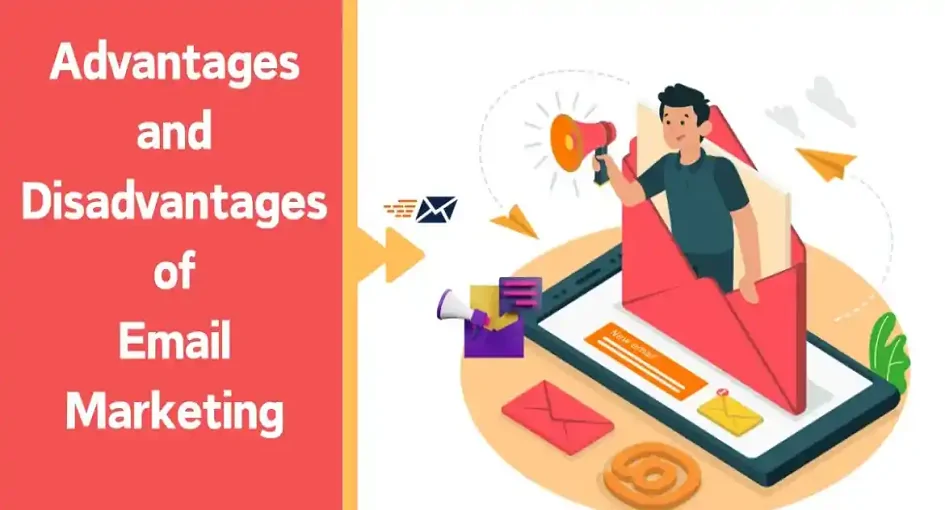
Examining Advantages and Disadvantages of Email Marketing

One of the best digital marketing tactics for a long time has been email marketing. It gives companies a direct channel to the inboxes of their clients, facilitating lead creation, brand growth, and customized communication. Like any other marketing strategy, the advantages and disadvantages of email marketing are worth considering.

Email marketing is a crucial strategy in today’s digital landscape due to its ability to deliver personalized, direct communication at a low cost. It offers high ROI with an average of $42 earned for every $1 spent, making it a cornerstone for businesses. Its ability to segment audiences and tailor messages ensures relevant campaigns, leading to higher open and click-through rates. The widespread use of mobile devices has made email more accessible.

Email is a widely used communication tool with 4.6 billion users worldwide, expected to reach 4.9 billion by 2025. Email marketing offers a high return on investment (ROI), with an average of $42 earned for every $1 spent, according to a 2023 report by the Direct Marketing Association. The average open rate for email campaigns is 21.33%, and the click-through rate is 2.62%, indicating its high engagement.

Email marketing is a vital tool for customer retention and acquisition, with automated campaigns driving engagement and conversions. It’s particularly effective in building relationships, enhancing brand loyalty, and driving sales, making it a vital component of the advantagesf of email marketing In digital marketing.

This piece examines the advantages and disadvantages of email marketing, offering a comprehensive viewpoint for companies thinking about using this strategy. 


“The success of email marketing lies in its ability to make a personal connection with its audience.” 

— Neil Patel

Advantages and Disadvantages of Email Marketing

Advantages of Email Marketing

1. Cost-Effective

Email marketing’s cost-effectiveness is one of its biggest benefits. Email marketing is less expensive to implement than more conventional media like as radio, TV, or print. In addition to being free of charge for printing and shipping, email management and sending solutions are frequently reasonably priced. Email marketing is a cost-effective approach for small firms or startups to reach a wide audience.

Example: According to a Direct Marketing Association (DMA) survey, email marketing is one of the most successful marketing tactics available, with an average return on investment (ROI) of $42 for every $1 invested.

2. Targeted and Personalized Communication

Businesses may use email marketing to segment their audience and target messages to particular groups according to their behavior, demographics, or past purchases. This degree of customization has the potential to greatly boost engagement rates and strengthen bonds with customers. Businesses may use email marketing solutions to deliver subscribers tailored information, product recommendations, and exclusive offers that make them feel valued and resonate with them.

Example: According to an Experian analysis, the importance of targeting and personalization is shown by the fact that personalized emails result in six times greater transaction rates than non-personalized emails.

3. Measurable Results

The real-time tracking and measurement of outcomes is a primary benefit of email marketing. Comprehensive statistics, such as open rates, click-through rates, bounce rates, and conversion rates, are offered by the majority of email marketing solutions. With the use of this data, marketers are better equipped to evaluate the success of their initiatives, make wise choices, and maximize their next efforts for even greater outcomes.

Example: Campaign Monitor reports that while the average click-through rate is 2.62%, the average email open rate across all industries is about 21.33%. These metrics offer insightful information about the effectiveness of an email campaign as well as potential areas for development.

4. Increased Customer Engagement

The advantages and disadvantages of email marketing help companies stay in constant contact with their audience, which builds loyalty and a sense of connection. Businesses may maintain their brand in the forefront of customers’ minds by continuously delivering quality material, updates, and promotions. Customers who are engaged with a company are more likely to become devoted supporters over time, recommend it to others, and make repeat purchases.

Example: According to HubSpot research, businesses that use the 10 benefits of email marketing to nurture leads produce 50% more prospects that are ready to buy at a 33% lower cost, highlighting the value of continuous email interaction.

5. Automation Capabilities

Email marketing systems are equipped with automation tools that make it easy for firms to build up and maintain campaigns. It is possible to set up automated emails to go out on certain days or in response to particular activities, such as birthday offers, welcome series, and cart abandonment reminders. This guarantees that clients receive timely and pertinent notifications while also saving time.

Example: GetResponse reports that when compared to non-automated efforts, automated email campaigns had a 62% higher click-through rate and a 152% higher open rate, demonstrating the effectiveness of automation in email marketing.

“Email marketing remains the most effective way to reach your customers directly and provide them with valuable, relevant content.”

 — Ann Handley

6. Scalability

The advantages and disadvantages of email marketing may expand to fit your demands, regardless of your size—whether you’re a major corporation with millions of subscribers or a tiny firm with a few hundred. You may quickly build your email list as your business develops and reach more people without incurring large additional fees. Email marketing is a flexible tool that may change to meet the evolving demands of your company because of its scalability.

Example: Consider the millions of individualized emails that companies like Amazon send to consumers all over the world through email marketing.

7. High ROI Potential

For knowing the advantages and disadvantages of email marketing, one needs to understand that a strong return on investment has been continuously demonstrated by email marketing. Businesses may get the most out of their marketing budgets by carefully constructing email campaigns, selecting the appropriate audience, and utilizing automation. The possibility for large returns is further increased by the capacity to experiment with various tactics, track outcomes, and improve methods over time.

Example: Email marketing is a very profitable alternative for organizations, as seen by the DMA’s study, which indicates that it delivers a return on investment (ROI) that is four times greater than other marketing formats.

FAQs

What are the advantages of email marketing?

Email marketing is a cost-effective and efficient method of communication that enhances engagement by delivering relevant content to specific audience segments. It offers measurable results through detailed analytics, allowing businesses to track open rates, click-through rates, and conversions. It also supports automation, streamlining campaign management with features like automated responses and follow-ups. Email marketing helps build brand loyalty and drive repeat business, making it a crucial tool in a company’s digital marketing strategy.

What are the 5 advantages and disadvantages of using email?

Email offers cost-effectiveness, personalized targeting, measurable results, automation, and direct customer communication. However, it also faces drawbacks like deliverability issues, spam concerns, design and compatibility challenges, inbox over-saturation, and privacy regulations compliance.

What are the negatives of email marketing?

Email marketing has drawbacks such as potential deliverability issues, potential spam filtering, and the risk of being perceived as spam. Creating emails that render correctly across devices and clients is also challenging, leading to poor user experiences. The oversaturation of inboxes can make messages difficult to stand out, and compliance with privacy regulations adds complexity.

What is one of the advantages of using e mail marketing?

Email marketing offers cost-effectiveness compared to traditional advertising methods, offering high returns and reducing printing and postage expenses. It allows businesses to reach a large audience with minimal costs, making it an accessible and efficient tool for small and large companies to engage with customers, drive sales, and build brand loyalty.

What are three advantages of using electronic mail?

Electronic mail offers cost-effectiveness, speed of delivery, and accessibility. It enables quick global communication and can be accessed from various devices like computers, smartphones, and tablets, providing flexibility and convenience for managing correspondence and staying connected. This makes email an attractive choice for businesses and individuals.

What are the Disadvantages of Email Marketing

1. Deliverability Issues

Ensuring that emails reach the intended recipients is one of the primary issues associated with email marketing. Email delivery can be hampered by things like spam filters, inaccurate email addresses, and a bad reputation for the sender. There’s no assurance that emails will be read or opened even if they do make it to the inbox.

Example: Return Path’s research indicates that deliverability problems have a major influence on email marketing initiatives, with roughly 20% of all commercial emails never reaching the inbox.

2. Spam Concerns

To understand the advantages and disadvantages of email marketing, know that since spam is so common, people are suspicious of unsolicited emails. Recipients may unsubscribe, flag your emails as spam, or even report your company if they think your email marketing is spammy. In addition to harming your reputation, this may also have legal repercussions under laws such as the GDPR in Europe and the CAN-SPAM Act in the US.

Example: Statista estimates that in 2021, 45.1% of all emails sent worldwide were spam, highlighting the severity of the problem and the difficulties that may face legitimate email marketers. 

3. Design and Compatibility Issues

It can be difficult to create aesthetically pleasing emails that work with a variety of email clients and devices. A mobile device may not display an email that seems fantastic on a desktop, which would result in a bad user experience. It might take a lot of work to make sure emails are consistent and responsive given the wide range of devices and screen sizes.

Example: According to a Litmus study, 46% of email openings take place on mobile devices. The significance of mobile-friendly design is shown by the fact that 30% of receivers state they will unsubscribe from a list if the emails are not mobile-friendly.

4. Over-Saturation of the Inbox

Every day, consumers get an overwhelming amount of emails, which can make it challenging for your message to stand out. Your email can be buried in the deluge of advertisements, bulletins, and notifications, even if it is well-written and pertinent. Reduced engagement and poorer open rates may result from this oversaturation.

Example: The Radicati Group calculates that a typical office worker gets 121 emails every day. It’s difficult for marketers to stand out from the noise when there are so many emails vying for readers’ attention.

5. Time-Consuming Process

Although the advantages and disadvantages of email marketing and advantages and disadvantages of social media marketing may be automated, producing excellent content, segmenting lists, and doing outcomes analysis can take a lot of work. It might be difficult for teams or small enterprises with little funding to consistently implement email marketing without compromising other marketing initiatives.

Example: Ascend2 reports that 44% of marketers see time as a major obstacle when implementing an efficient email marketing plan. This emphasizes how important it is to have enough preparation and resources to succeed.

6. Potential for Negative Perception

Email marketing efforts for advantages and disadvantages of email marketing have the potential to negatively impact users’ impressions if they are not appropriately implemented. Unnecessarily frequent emails, pointless material, or pushy sales techniques can irritate subscribers and damage your brand’s reputation. It’s critical to strike a balance between being proactive and obtrusive.

Example: MarketingSherpa conducted a poll that revealed that 26% of respondents unsubscribed from email lists due to excessive email correspondence, while 21% did so due to irrelevant material. This emphasizes how crucial email marketing frequency and relevancy are.

7. Legal and Compliance Issues

Several laws and rules aimed at preventing spam and safeguarding consumer privacy apply to email marketing for advantages and disadvantages of e marketing. Businesses are required to abide by specified rules, such as gaining consent, offering opt-out alternatives, and truthfully portraying the sender, to comply with legislation like the CAN-SPAM Act in the U.S. and GDPR in the EU. Fines and harm to the reputation of your brand may follow noncompliance.

Example: €746 million punishment imposed on the multinational e-commerce behemoth Amazon in 2019 for allegedly processing personal data in breach of GDPR.

In conclusion, among the many advantages and disadvantages of email marketing are its low cost, ability to communicate with specific audiences, and potential for a large return on investment. It enables companies to establish rapport with their target market, monitor quantifiable outcomes, and expand their operations as they expand. Deliverability problems, spam worries, and the time needed to design successful campaigns are some of the drawbacks.

To optimize the advantages and minimize the disadvantages, companies need to approach email marketing with a well-planned strategy. This entails keeping rules in check, emphasizing customization, and consistently evaluating and improving advertising. When used effectively, email marketing tools may be a very useful tool in your toolbox for digital marketing, increasing revenue, engagement, and loyalty.

Read More
11 AugSEO & Link Building

Top Guest Post Platforms to Boost Your Online Presence in 2024

In 2024, with the digital world moving quickly, having a strong online presence is essential for both individuals and companies. As competition intensifies across various industries, the need to stand out and reach a broader audience becomes more pressing. One of the most effective strategies to achieve this is through guest post platforms, a powerful tool that allows you to share your expertise, insights, and ideas on established platforms with large, engaged audiences. 

Guest posting not only helps in driving targeted traffic to your website but also plays a pivotal role in building authority, enhancing brand visibility, and improving SEO rankings. By contributing high-quality content to reputable platforms, you position yourself as a thought leader in your niche, gaining credibility and trust among your peers and potential customers. Additionally, guest posts often include backlinks to your website, which can significantly boost your search engine rankings, driving organic traffic and increasing your site’s visibility.

However, the key to successful guest posting lies in choosing the right platforms that align with your goals and target audience. In 2024, a variety of guest post platforms have emerged, each offering unique opportunities to amplify your message and connect with a wider audience. Whether you’re looking to engage with industry professionals, tech enthusiasts, entrepreneurs, or a general audience, selecting the appropriate platform is essential to maximizing the impact of your guest posts.

This article delves into the top guest post platforms of 2024 that can help you boost your online presence. From well-known names like Medium and LinkedIn to industry-specific giants like TechCrunch and Entrepreneur, we’ll explore the benefits each platform offers, how they can enhance your digital strategy, and why they should be an integral part of your content marketing efforts. By understanding the strengths of these platforms, you can make informed decisions and effectively leverage guest posting to achieve your online marketing objectives in the year ahead.

Free guest post platforms

These are some Free guest posting websites where guest blogging is free.

1. Medium

A big, interested audience may read writers’ opinions, ideas, and expertise on Medium, a well-known guest posting site. With over 100 million monthly readers, Medium offers unparalleled exposure for content creators. The platform’s algorithm favors high-quality content, making it essential for writers to focus on providing value to their readers. Medium’s simple, user-friendly interface allows you to publish articles effortlessly, and the platform’s built-in audience can help your content gain traction quickly.

Benefits:

  • High domain authority, boosting SEO for your content.
  • Access to a vast, diverse audience.
  • Opportunity to join Medium’s Partner Program and earn revenue based on article performance.

2. LinkedIn

LinkedIn is an effective tool for content marketing in addition to being a networking site. Guest posting on LinkedIn allows professionals to share their expertise with a highly targeted audience, making it ideal for B2B marketing. LinkedIn articles can be shared across the platform, increasing visibility and engagement. Additionally, the guest post platforms publishing tools allow for easy content creation, while the built-in analytics provide insights into how your posts are performing.

Benefits:

  • Direct access to industry professionals and decision-makers.
  • Enhanced credibility and authority in your niche.
  • Ability to leverage LinkedIn’s algorithm to increase post visibility.

3. Forbes Councils

Forbes Councils offer an exclusive platform for industry leaders and entrepreneurs to share their insights and experiences. As a member, you can publish articles on Forbes.com, which can significantly boost your online presence. The platform is ideal for those who are looking to establish themselves as thought leaders in their industry. Forbes’ high domain authority ensures that your content ranks well in search engines, driving organic traffic to your site.

Benefits:

  • Association with a prestigious brand like Forbes.
  • High domain authority, leading to better SEO outcomes.
  • Opportunities for networking with other industry leaders.

4. HubSpot

HubSpot’s guest blogging program is designed for marketers and business owners looking to share their expertise on a platform with a strong focus on inbound marketing, sales, and customer service. Guest posting on HubSpot can drive significant traffic to your site, particularly if your content aligns with the platform’s focus on providing actionable, data-driven insights. HubSpot’s high domain authority and large audience make it a valuable platform for boosting your online presence.

Benefits:

  • Access to HubSpot’s extensive audience of marketers and business professionals.
  • Enhanced SEO due to HubSpot’s high domain authority.
  • Opportunities to build relationships with HubSpot’s community.

5. Business2Community (B2C)

Business2Community (B2C) is a well-established platform that allows writers to share their insights on a variety of topics, including marketing, technology, and business. Paid guest posting sites platform’s broad audience and strong domain authority make it an excellent choice for those looking to increase their online visibility. B2C offers guest bloggers the opportunity to reach a large, engaged audience, making it a great platform for those looking to establish themselves as experts in their field.

Benefits:

  • broad range of subjects, enabling a variety of material.
  • Strong domain authority, boosting content’s SEO performance.
  • Large, engaged audience interested in business and marketing topics.

6. TechCrunch

For those in the technology sector, TechCrunch offers a prime platform for guest posting. As one of the leading voices in the tech industry, TechCrunch provides unparalleled exposure to a tech-savvy audience. Guest posting on TechCrunch can significantly boost your online presence, particularly if your content focuses on innovative technology, startups, or industry trends. The platform’s high domain authority also ensures that your content ranks well in search engine results, driving organic traffic to your site.

Benefits:

  • Direct access to a tech-focused audience.
  • High domain authority, improving SEO outcomes.
  • Association with a reputable brand in the technology sector.

7. Entrepreneur

Entrepreneur is a respected platform for sharing insights on business, entrepreneurship, and leadership. Guest posting on Entrepreneur can help you reach a global audience of aspiring entrepreneurs and business owners. The guest post platforms strong domain authority ensures that your content ranks well in search engines, driving organic traffic to your site. Additionally, Entrepreneur’s focus on actionable insights makes it an ideal platform for sharing practical advice and strategies.

Benefits:

  • Large, global audience of entrepreneurs and business professionals.
  • Enhanced credibility by being associated with a reputable brand.
  • Strong SEO benefits due to Entrepreneur’s high domain authority.

8. Mashable

Mashable is a popular platform that covers a wide range of topics, including technology, entertainment, culture, and social media. Guest posting on Mashable can help you reach a diverse, global audience. The platform’s high domain authority and strong social media presence make it an excellent choice for those looking to increase their online visibility. Whether you’re sharing insights on the latest tech trends or offering advice on social media marketing, Mashable provides a valuable platform for reaching a broad audience.

Benefits:

  • Access to a diverse, global audience.
  • Strong social media presence, increasing content visibility.
  • High domain authority, improving SEO performance.

Free Guest Post PlatForms 2024

Staying updated with a list of free guest posting sites list 2024 is essential for maximizing your guest posting efforts. In 2024, consider these sites for free guest posting opportunities:

1. HubPages

HubPages allows you to publish articles on a range of topics. It’s a valuable platform for reaching a broad audience and driving traffic to your website.

2. EzineArticles

EzineArticles is a well-established article directory where you can submit your guest posts for free. It’s a great platform for building backlinks and increasing your content’s visibility.

3. ArticleCube

ArticleCube offers a free guest posting opportunity for various topics. By publishing on this platform, you can enhance your online presence and connect with new readers.

4. Guest Post PlatForms: Buzzle

Buzzle is another article directory that allows free guest posting. It’s a good platform for reaching an audience interested in diverse topics and building your online reputation.

5. Sooper Articles

Sooper Articles provides a free guest posting platform where you can share your expertise and attract readers. It’s an effective way to increase your content’s reach and visibility.

Free Instant Approval Guest Posting Sites

For those looking to get their content published quickly, free instant approval guest posting sites offer an efficient solution. Here are some guest post platforms where you can submit your guest posts and receive immediate approval:

1. Blogarama

Blogarama allows you to submit your blog posts and get instant approval. It’s a valuable platform for driving traffic and gaining exposure for your content.

2. SiteJabber

SiteJabber provides an opportunity for free guest posting with quick approval. It’s a great platform for sharing your insights and reaching a wider audience.

3. Infobarrel

Infobarrel offers a platform for publishing guest posts with instant approval. It’s an effective way to build backlinks and increase your content’s visibility.

4. SelfGrowth

SelfGrowth provides a platform for free guest posting with immediate approval. It’s a valuable resource for sharing your expertise and reaching a targeted audience.

5. Contento

Contento allows for free guest posting with quick approval. It’s a good choice for those looking to publish content rapidly and attract new readers.

Best Guest Post Marketplace

Finding the best guest post platforms can significantly impact your guest posting strategy. Consider these top marketplaces to find high-quality guest post opportunities:

1. GuestPost.com

GuestPost.com is a leading guest post marketplace, offering a range of options for purchasing and selling guest posts. It’s known for its high-quality sites and user-friendly interface.

2. Link-able

Link-able provides a marketplace where you can buy and sell guest posts. It focuses on delivering high-quality content placements and connecting you with authoritative sites.

3. Content Marketplace

Content Marketplace offers a platform for purchasing guest posts on high-authority websites. It’s a valuable resource for finding quality placements and boosting your online presence.

4. OutreachZoo

OutreachZoo is a guest post marketplace that connects you with top blogs and websites for guest posting opportunities. It’s known for its quality and relevance in content placement.

5. Authority Builders

Authority Builders, as mentioned earlier, is not only a paid guest posting service but also a marketplace where you can find premium guest posting opportunities. It’s an excellent choice for targeting high-authority sites.

FAQs

Who accepts guest posts?

Guest posts are accepted by various platforms, including industry blogs, online magazines, content marketing platforms, niche forums, and businesses and digital marketing agencies, to enhance their SEO efforts.

Where should I guest post?

To maximize your reach and credibility, guest post on high-authority sites with engaged readers, including popular blogs, industry-specific websites, and marketplaces. Mix free and paid platforms, ensuring do-follow links and strong domain authority, to boost SEO efforts and maximize your reach and credibility.

Does guest posting still work?

Guest posting is a successful strategy for online visibility, traffic, and SEO improvement. It establishes authority, attracts new audiences, and earns backlinks. However, success depends on selecting appropriate platforms and providing genuine value.

How do I create a guest post site?

Create a guest post site by selecting a niche, setting up a user-friendly website using WordPress, installing plugins, outlining content guidelines, promoting through social media, SEO, and outreach, and regularly monitoring submissions to build a thriving community.

How much can you earn from guest posting?

Guest posting earnings vary based on platform, niche, and content quality. Freelance writers earn $50-$500 per post, while established writers charge up to $1,000. Indirect benefits like increased traffic and brand exposure enhance the value.

Guest Post Seller

If you’re interested in selling guest posts, there are several guest post platforms where, through Write for Us Guest Post, you can connect with buyers and monetize your content:

1. BuySellGuestPosts

BuySellGuestPosts is a platform dedicated to buying and selling guest posts. It’s an effective way to monetize your blog and connect with businesses looking for guest post opportunities.

2. The Hoth

The Hoth, besides being a paid guest posting service, also offers opportunities for guest post sellers. It’s a valuable platform for reaching potential buyers and generating revenue.

3. GuestPost.com

GuestPost.com provides a marketplace where you can sell guest posts. It’s a popular choice for connecting with buyers and maximizing your content’s value.

4. OutreachMonkey

OutreachMonkey offers a platform for selling guest posts. It’s a useful resource for bloggers and content creators looking to monetize their sites and reach new audiences.

5. Content Marketplace

The Content Marketplace also allows content creators to sell guest posts. It’s a valuable platform for generating income and finding buyers interested in high-quality content.

Strategies for Successful Guest Post PlatForms

Successful guest posting hinges on several key strategies that can significantly enhance the effectiveness of your efforts.

1. Crafting High-Quality Content

The cornerstone of successful guest posting is creating content that is both engaging and valuable to the target audience. Here’s how you can ensure your guest posts stand out:

  • Research Thoroughly: Understand the audience of the host site.Adapt your content to their interests and requirements. 
  • Be Original: Offer fresh perspectives or insights. Avoid rehashing common topics.
  • Engage Readers: Use a compelling introduction, clear structure, and engaging language to keep readers hooked.

2. Building Relationships with Hosts

Building strong relationships with site owners or editors can significantly enhance your guest guest post platforms posting success.

  • Personalize Your Outreach: When pitching, personalize your message. Show genuine interest in their site and how your content will add value.
  • Check Up: If you don’t hear back from someone, kindly follow up. It pays to be persistent, but try not to be overbearing.

3. Optimizing for SEO

Guest posts can boost your SEO efforts if done right:

  • Incorporate Relevant Keywords: Throughout your article, use keywords in a natural way.This helps in ranking both the host and your site in search engines.
  • Use Internal and External Links: Include links to your own site where relevant and link to high-authority external sources.

4. Leveraging Social Proof

Utilize social proof to enhance your credibility and attract more guest posting opportunities.

  • Showcase Previous Posts: If you’ve written for well-known sites, highlight this in your pitches.
  • Share Success Stories: Demonstrate how your guest posts have positively impacted previous hosts or your own site’s traffic and engagement.

To sum up, in 2024, guest posting will remain a powerful strategy for enhancing your online presence, driving traffic, and building authority. With a diverse range of platforms available, from free options to paid services, it’s essential to choose the ones that align with your goals and budget. By leveraging the top guest post platforms, including free guest posting websites, instant approval sites, and premium marketplaces, you can effectively reach your target audience and achieve your digital marketing objectives. Whether you’re looking to buy or sell guest posts, understanding the landscape of the guest post platform will help you make informed decisions and maximize the impact of your content strategy.

Read More
08 AugDigital Marketing

How to Choose the Best PPC Agency for Your Business

In today’s competitive digital landscape, pay-per-Click (PPC) advertising has become a powerful tool for businesses seeking to enhance their online visibility, attract targeted traffic, and drive measurable results. With PPC campaigns offering immediate visibility on search engines and social media platforms, the decision to partner with the right PPC agency can be a game-changer for your marketing strategy. However, the sheer number of agencies claiming to be the best in the business can make this choice daunting. Choosing the best PPC agency is more than just a matter of finding a service provider; it’s about finding a partner that aligns with your business goals, understands your industry, and can effectively manage and optimize your ad spend. 

Whether you are a small business looking to make a significant impact with limited resources or a large enterprise needing a sophisticated strategy, selecting the right agency can directly influence your return on investment (ROI) and overall campaign success. The term “PPC agency” broadly refers to firms that specialize in creating, managing, and optimizing paid advertising campaigns. These agencies handle everything from keyword research and ad creation to campaign management and performance analysis. They leverage their expertise to ensure that your ads are seen by the right audience and that every dollar spent contributes to achieving your marketing objectives.

In this comprehensive guide, we will explore the critical factors to consider when choosing a PPC agency, including their experience, industry specialization, pricing structures, and more. By understanding these key elements, you’ll be better equipped to find the best PPC firm for your business, whether you’re searching locally with terms like “PPC agency near me” or seeking top-tier options such as the “best PPC agency in USA” or even globally.

What is a Best PPC Agency?

What is a PPC agency? Before diving into the selection process, it’s important to understand what a PPC agency is. A PPC (Pay-Per-Click) agency specializes in creating and managing paid advertising campaigns for businesses. These campaigns typically appear on search engines, social media platforms, and other digital channels. The primary goal of a PPC agency is to drive targeted traffic to a client’s website while optimizing ad spend for the best possible return on investment (ROI).

PPC agencies handle various aspects of paid advertising, including keyword research, ad creation, campaign management, and performance tracking. They use their expertise to ensure that ad campaigns are effectively reaching the target audience and generating desired results, whether that’s increasing website traffic, boosting sales, or enhancing brand awareness.

Important Things to Think About When Selecting a PPC Agency

When selecting a PPC agency, several key factors should guide your decision-making process to ensure you find the right partner for your business.

1. Experience and Expertise

When selecting the best PPC firm, experience is a critical factor. Look for agencies with a proven track record of managing successful PPC campaigns. An agency with extensive experience is more likely to understand the nuances of different platforms and industries, which can significantly benefit your campaign. 

For instance, the best PPC firm in the world will typically have a portfolio of diverse clients and case studies showcasing their ability to drive results across various sectors. They will also have expertise in the latest PPC trends and technologies, ensuring that your campaigns are cutting-edge and effective.

2. Industry Specialization

Some PPC agencies specialize in specific industries, while others may offer a broader range of services. Depending on your business sector, choosing a PPC agency with experience in your industry can be advantageous. For example, if you are a small business in the healthcare sector, the best PPC agency for small business in that field will have tailored strategies and insights relevant to your market.

3. Transparency and Communication

Working with a PPC firm requires transparency. The agency should provide clear information about their pricing structure, campaign strategies, and performance metrics. A reputable PPC agency will keep you informed about the progress of your campaigns and be open to discussing any changes or concerns.

Effective communication is also essential. Ensure that the agency you choose values regular updates and is responsive to your queries. This helps in maintaining a collaborative relationship and ensures that your goals and expectations are consistently aligned.

4. Campaign Strategy and Approach

Evaluate the agency’s approach to campaign strategy. The best PPC agency will tailor their strategies based on your specific business goals, target audience, and industry. They should conduct thorough keyword research, create compelling ad copy, and continuously optimize campaigns based on performance data.

Ask potential agencies about their approach to A/B testing, audience segmentation, and performance tracking. A well-defined strategy that includes these elements is a good indicator of a comprehensive and effective approach to PPC advertising.

5. Best PPC Agency: Pricing and Budget

Understanding PPC agency pricing is essential for budgeting and financial planning. Different agencies have various pricing models, such as fixed fees, percentages of ad spend, or performance-based pricing. It’s important to find an agency whose pricing aligns with your budget and offers transparent, fair rates.

Although cost is a crucial issue, it shouldn’t be the only one taken into account when making a decision. The cheapest option might not always deliver the best results, so focus on the overall value and expertise offered by the agency.

6. Track Record and Client Reviews

Research the agency’s track record and client reviews. Look for testimonials and case studies that demonstrate their ability to achieve results for businesses similar to yours. Positive reviews and a strong reputation in the industry are good indicators of a reliable and effective PPC agency.

Consider reaching out to current or past clients to gain insights into their experiences with the agency. This can give important details on the efficacy of the agency overall, as well as its performance and customer service.

7. Technological Capabilities

The best PPC agencies leverage advanced tools and technologies to manage and optimize campaigns. Inquire about the agency’s use of analytics platforms, bid management software, and other tools that contribute to campaign success. A tech-savvy agency will utilize these resources to enhance campaign performance and deliver actionable insights.

8. Customer Support and Service

Exceptional customer support is crucial for a successful partnership with a PPC agency. Ensure that the agency provides dedicated account management and responsive support. A reliable agency will be proactive in addressing issues, providing solutions, and offering ongoing support throughout the campaign lifecycle.

Understanding the Different Types of PPC Agencies

When selecting the best PPC agency for your business, it’s essential to understand the different types of PPC agencies available, as each offers distinct advantages based on your needs.

1. Full-Service Digital Marketing Agencies

Full-service digital marketing agencies offer a broad range of services, including PPC, SEO, content marketing, social media management, and more. These agencies are ideal if you’re looking for a one-stop solution for your digital marketing needs. They provide an integrated approach, ensuring that your PPC campaigns are aligned with your overall marketing strategy. The downside may be that PPC could be just one of many services they offer, which might mean less specialized attention to your campaigns compared to a dedicated PPC agency.

2. Specialized PPC Agencies

Specialized PPC agencies focus exclusively on PPC advertising. These agencies often possess a deep level of expertise in managing paid ads agency across various platforms, like Google Ads, Bing Ads, and social media platforms. If your primary marketing focus is PPC, then a specialized agency might be the best choice for you. They are likely to have more advanced strategies, tools, and insights specifically tailored for PPC.

3. Freelancers or Boutique Agencies

Freelancers and boutique agencies can offer highly personalized service and often have the flexibility to adapt to your specific needs. These options may be particularly appealing to small businesses or startups that require a more hands-on approach. However, they may lack the resources and team size of larger agencies, which could limit their ability to scale your campaigns.

FAQs

Who is the best PPC agency?

The ideal PPC agency should align with business goals, offer tailored strategies, and provide transparent reporting. Top contenders include agencies with industry specialization and strong client reviews, delivering consistent, measurable results within budget.

How do I choose a good PPC agency?

To select a successful PPC agency, consider their experience, industry expertise, transparency, and communication. Look for a proven track record, tailored strategies, and transparency. Evaluate technological capabilities, customer support, and adaptability. Read client reviews for long-term partnership suitability.

What is the best PPC platform?

Google Ads is the top PPC platform for businesses due to its extensive reach, advanced targeting options, and versatility across search, display, and video formats. Facebook ads are also powerful for visual businesses, with advanced audience segmentation and Instagram integration.

How much does a PPC agency cost?

The cost of hiring a PPC agency varies based on factors like experience, campaign complexity, industry, and pricing model. Small businesses can start with $500-1,000 monthly, while larger campaigns can cost $5,000-10,000. It’s crucial to consider the agency’s ROI value.

Is PPC cheaper than SEO?

PPC and SEO are different advertising methods with different cost structures. PPC offers immediate visibility and targeted traffic, but costs can increase quickly due to competition and bidding strategies. SEO, on the other hand, involves investing in content and site optimization.

Importance of Platform Expertise

When evaluating potential PPC agencies, it’s crucial to assess their expertise across different advertising platforms. Each platform has unique features and best practices that can significantly impact campaign performance.

1. Google Ads Expertise

Google Ads is the most widely used PPC platform, making it essential for any PPC agency to have strong expertise in this area. Look for certifications such as Google Partner status, which indicates that the agency has met Google’s standards for proficiency in managing ad campaigns.

2. Social Media Advertising

PPC on social media platforms like Facebook, Instagram, LinkedIn, and Twitter has become increasingly popular. Each platform has its own audience targeting options and ad formats. The best PPC firm for your business should have a proven track record of running successful campaigns on the social media platforms most relevant to your audience.

3. E-commerce Platforms

For businesses that operate in the e-commerce space, it’s vital to choose an agency experienced with platforms like Google Shopping, Amazon Ads, and other e-commerce advertising channels. These platforms require a different approach to PPC, with a focus on product listings, inventory management, and conversion tracking.

Best PPC Agency: Customization and Flexibility

Your PPC campaigns should take into account the uniqueness of your company. The best PPC agency in the world may not be the best fit for your business if they don’t offer customization and flexibility in their approach.

1. Tailored Strategies

A one-size-fits-all strategy rarely works in PPC advertising. Look for an agency that offers tailored strategies based on your specific goals, industry, and target audience. During the proposal stage, ask potential agencies how they plan to customize their approach to suit your needs.

2. Adaptability

The digital marketing landscape is dynamic, and your PPC agency should be able to adapt to changes in your business, industry, or the broader market. Whether it’s adjusting campaigns based on seasonality, market trends, or new product launches, the best PPC firm should be flexible and proactive in adapting their strategies.

3. Scalability

As your business grows, so should your PPC campaigns. Ensure that the agency you choose has the capacity to scale your campaigns, whether it’s increasing your ad spend, expanding to new markets, or diversifying your ad platforms. The ability to scale is particularly important for small businesses looking to grow rapidly.

Measuring Success: KPIs and Reporting

A critical aspect of a successful PPC partnership is how success is measured and reported. Understanding the Key Performance Indicators (KPIs) that the agency uses and how they report on them will help you gauge their effectiveness and ensure that your campaigns are on the right track.

1. Key Performance Indicators (KPIs)

Discuss with the agency what KPIs they will track to measure the success of your campaigns. Common PPC KPIs include Click-Through Rate (CTR), Cost Per Click (CPC), Conversion Rate, Return on Ad Spend (ROAS), and Customer Acquisition Cost (CAC). The best PPC agency for your business will align their KPIs with your specific business objectives, whether that’s generating leads, increasing sales, or boosting brand awareness.

2. Reporting Transparency

Regular, transparent reporting is crucial for tracking the progress of your PPC campaigns. The agency should provide detailed reports that are easy to understand, with insights into what’s working, what’s not, and what adjustments are being made. Look for agencies that offer real-time dashboards or regular reporting meetings to keep you informed and engaged.

3. Ongoing Optimization

PPC campaigns require ongoing optimization to remain effective. This includes refining keyword strategies, adjusting bids, testing new ad creatives, and improving landing pages. The best PPC firm will have a structured process for continuous optimization, ensuring that your campaigns evolve and improve over time.

Evaluating Long-Term Partnerships

PPC advertising is not a one-time effort; it requires continuous management and optimization. When choosing a PPC agency, think about the potential for a long-term partnership rather than just a short-term engagement.

1. Sustainable Growth

The best PPC agency should not only focus on immediate results but also on sustainable, long-term growth. They should work with you to develop a PPC strategy that evolves with your business, adjusting to changes in the market, consumer behavior, and technology.

2. Trust and Collaboration

A successful PPC partnership is built on trust and collaboration. Choose an agency that is transparent in their communication, open to feedback, and willing to work closely with your internal team. The best PPC firm will view your success as their success and will be committed to helping your business achieve its goals.

3. Performance-Based Contracts

Some agencies offer performance-based contracts, where their compensation is tied to the success of your campaigns. This can be an attractive option as it aligns the agency’s incentives with your business goals. However, it’s important to carefully review the terms of such contracts to ensure they are fair and transparent.

Recommendations for Finding the Best PPC Agency

When searching for the best PPC firm to partner with, it’s important to begin by conducting thorough research and evaluating several key factors.

1. Start with Local Searches

If you prefer working with a local agency, start by searching for “PPC agency near me” to find options within your geographical area. Local agencies may have the advantage of understanding regional market trends and nuances. For example, a PPC agency USA may be more familiar with local consumer behavior and market conditions.

2. Evaluate Agency Portfolios

Review the portfolios of potential PPC agencies to assess their previous work and success stories. Seek out instances that support the objectives of your company and sector. The best PPC agencies will have case studies and examples showcasing their ability to drive results and achieve client objectives.

3. Request Proposals and Quotes

Reach out to multiple agencies and request proposals or quotes for their services. This will give you an opportunity to compare their offerings, pricing, and approach to PPC advertising. Evaluate the proposals based on their alignment with your goals and budget.

4. Best PPC Agency: Ask for a Trial Period

If possible, consider working with an agency on a trial basis to evaluate their performance and compatibility with your business. A trial period allows you to assess their expertise, communication, and results before committing to a long-term partnership.

5. Stay Informed About Industry Trends

Stay informed about the latest trends and developments in PPC advertising. Understanding industry trends will help you make informed decisions and ensure that the agency you choose is up-to-date with the latest practices and technologies.

In the end, choosing the best PPC firm for your business involves careful consideration of various factors, including experience, industry specialization, transparency, pricing, and customer support. By evaluating these elements and conducting thorough research, you can find a PPC agency that aligns with your goals and delivers exceptional results. Whether you’re seeking the best PPC firm in the world, the best PPC agency in the USA, or a local option, following these recommendations will help you make an informed decision and optimize your paid advertising efforts.

Read More
07 AugDigital Marketing

Boost Your Business with Best Social Media Marketing Companies

In the digital age, social media has become more than just a platform for connecting with friends and sharing updates; it’s a powerful tool for businesses to engage with their audience, build brand loyalty, and drive growth. With billions of users across various platforms such as Facebook, Instagram, Twitter, and LinkedIn, the potential for reaching and influencing potential customers is immense. However, effectively navigating this landscape requires more than just a basic understanding of social media; it demands strategic expertise, creative content, and continuous optimization. This is where top social media marketing companies come into play. The best social media marketing companies are not just service providers; they are partners in crafting and executing a comprehensive social media strategy that aligns with your business objectives. 

These agencies bring a wealth of experience and specialized knowledge to the table, offering services that range from content creation and community management to data analysis and paid advertising. Their goal is to enhance your brand’s online presence, engage with your target audience, and drive measurable results. Choosing the right social media marketing agency is crucial for success. With numerous options available globally, including some of the best social media marketing companies in the USA and worldwide, it’s essential to find a partner that aligns with your specific needs and goals. 

Whether you’re a small business looking for cost-effective solutions, an influencer aiming to boost your personal brand, or a large corporation seeking to strengthen your market position, the right agency can provide tailored strategies and innovative solutions. In this article, we will explore the top social media marketing companies, highlighting their strengths and how they can help you achieve your business goals. We’ll delve into their unique offerings and provide insights into how these agencies can transform your social media strategy for optimal success.

The Role of  Best Social Media Marketing Companies

Social media marketing companies specialize in leveraging social platforms to enhance a brand’s visibility, engagement, and sales. These agencies offer a range of services, including content creation, social media management, paid advertising, influencer marketing, analytics, and more. Their primary goal is to create and execute strategies that resonate with the target audience and drive measurable results.

Characteristics of the Best Social Media Marketing Companies

The best social media marketing firms share several key characteristics that set them apart in the competitive landscape of digital marketing.

1. Strategic Expertise: 

The best social media marketing firms possess deep knowledge of platform-specific strategies. They understand how to tailor content and campaigns to suit the unique characteristics of each platform.

2. Creative Content Creation: 

These agencies excel at producing engaging, high-quality content that captures the audience’s attention. They are skilled at crafting material that connects, from captivating prose to visually arresting images.

3. Data-Driven Approach: 

Top companies use advanced analytics to track performance and optimize campaigns. They rely on data to make informed decisions, ensuring that every action contributes to achieving the desired results.

4. Experienced Team: 

A successful social media agency is backed by a team of experienced professionals, including strategists, content creators, analysts, and account managers, who work collaboratively to deliver exceptional outcomes.

5. Client-Centric Focus: 

The best agencies prioritize their clients’ needs and objectives. They maintain open communication, provide regular updates, and adapt strategies based on client feedback and evolving goals.

Top 10 Social Media Companies Worldwide

Let’s take a closer look at some of the best social media marketing companies in the world, including notable agencies in the USA and beyond.

1. Hootsuite

Hootsuite is a leading social media management platform that helps businesses manage and optimize their social media efforts. With a user-friendly interface and robust analytics, Hootsuite enables businesses to schedule posts, monitor conversations, and measure performance across multiple platforms. It’s widely used by companies of all sizes, making it a top choice for social media marketing.

2. Sprout Social

Sprout Social is another top-tier social media management tool that offers a comprehensive suite of features, including content scheduling, analytics, and customer engagement tools. It is particularly known for its intuitive interface and powerful reporting capabilities, making it an excellent choice for businesses looking to streamline their social media efforts.

3. LYFE Marketing

Based in the USA, LYFE Marketing specializes in social media marketing, PPC management, and SEO services. They cater to small and medium-sized businesses, offering tailored solutions that drive engagement and conversions. Their client-centric approach and proven track record make them one of the best social media marketing firms in the USA.

4. Sociallyin

Sociallyin is a full-service social media marketing agency based in Alabama, USA. They focus on creative content production, community management, and influencer marketing. Sociallyin’s innovative campaigns and strategic insights have helped numerous brands enhance their social media presence and achieve significant growth.

5. Ignite Social Media

Ignite Social Media is a global social media agency with a strong presence in the USA. They offer a wide range of services, including social media strategy, content creation, and paid media management. Ignite Social Media is known for its data-driven approach and ability to deliver measurable results for clients across various industries.

6. WebFX

WebFX is a digital marketing agency that provides comprehensive social media marketing services. Based in the USA, they offer social media advertising, content creation, and strategy development. WebFX’s focus on ROI and customer satisfaction has earned them a reputation as one of the best social media marketing firms in the world.

7. Disruptive Advertising

Disruptive Advertising is a Utah-based agency specializing in paid social media advertising. They help businesses maximize their ad spend and achieve higher ROI through targeted campaigns on platforms like Facebook, Instagram, and LinkedIn. Their data-driven approach and commitment to client success make them a top choice for best social media marketing companies.

8. VaynerMedia

Founded by renowned entrepreneur Gary Vaynerchuk, VaynerMedia is a full-service digital agency with a strong focus on social media marketing. They offer creative content production, influencer marketing, and media buying services. VaynerMedia’s innovative strategies and high-profile client roster position them as one of the best social media marketing firms worldwide.

9. Thrive Internet Marketing Agency

Thrive Internet Marketing Agency is a Texas-based digital marketing firm offering a range of services, including social media marketing, SEO, and web design. They work with businesses of all sizes, providing customized solutions that drive engagement and growth. Thrive’s client-centric approach and proven results make them a top social media marketing agency for small business.  

10. Social Media 55

Social Media 55 is a boutique agency specializing in social media marketing, influencer marketing, and digital advertising. With offices in Canada and the USA, they cater to clients worldwide, offering personalized strategies that deliver results. Social Media 55’s expertise in influencer marketing makes them a go-to choice for brands looking to collaborate with influencers.

Social Media Marketing Agencies for Influencers

Influencer marketing has become into a potent instrument for companies looking to expand their reach and establish trust. Social media marketing agencies specializing in influencer marketing help brands identify, engage, and collaborate with social media agency for influencers who align with their values and target audience.

Key Services Offered by Influencer Marketing Agencies

Influencer marketing agencies provide a range of key services designed to help brands leverage the power of influencers to reach their target audiences effectively. 

1. Influencer Identification: These agencies use advanced tools and analytics to identify influencers who match the brand’s niche and audience.

2. Campaign Strategy: They develop tailored strategies that leverage the influencer’s reach and engagement to achieve the brand’s objectives.

3.  Content Creation: Influencer marketing agencies often assist in creating content that resonates with both the influencer’s and the brand’s audience.

4. Best Social Media Marketing Companies Performance Tracking: They monitor the performance of influencer campaigns and provide detailed reports on engagement, reach, and ROI.

FAQs

Who is best social media marketing?

The best social media marketing company depends on your needs and goals, but top contenders include Hootsuite, Sprout Social, and VaynerMedia, each excelling in content creation, data analysis, and influencer marketing.

What brand is the best at social media?

Brands like Nike and Apple are known for their exceptional social media strategies, leveraging compelling narratives and inspiring campaigns to connect with audiences and reinforce their market leadership, despite the subjective nature of determining the best brand.

Who is the king of social media marketing?

The “king” of social media marketing is subjective and depends on reach, influence, and innovation. VaynerMedia founder Gary Vaynerchuk is a leading figure in the field due to his innovative strategies, successful campaigns, and extensive knowledge of the industry. His expertise has earned him widespread recognition as a top influencer and thought leader.

What is the #1 social media platform used by businesses for marketing?

The #1 social media platform used by businesses for marketing is Facebook. Its extensive user base, sophisticated advertising tools, and robust analytics capabilities make it an essential platform for reaching a broad audience, targeting specific demographics, and driving engagement.

What is the #1 used social media platform?

As of 2024, Facebook remains the #1 used social media platform globally, with over 2.9 billion active users. Its extensive reach and diverse user base, combined with robust features for personal networking, business marketing, and content sharing, continue to make it the most popular platform worldwide.

Best Social Media Marketing Companies in USA

The USA is home to some of the best social media marketing companies, known for their innovative strategies and exceptional results. Here are a few notable ones:

1. LYFE Marketing

As mentioned earlier, LYFE Marketing is a leading social media marketing agency based in Atlanta, Georgia. They offer a wide range of services, including social media management, content creation, and paid advertising. LYFE Marketing’s focus on small and medium-sized businesses has helped numerous brands grow their online presence and drive sales.

2. Sociallyin

Sociallyin, based in Birmingham, Alabama, provides creative social media marketing solutions that drive engagement and growth. Their team of experts specializes in content production, community management, and influencer marketing, making them a top choice for businesses looking to enhance their social media strategy.

3. Ignite Social Media

Ignite Social Media, with offices in North Carolina and Michigan, is known for its data-driven approach and comprehensive social media services. They offer strategy development, content creation, and paid media management, helping brands achieve measurable results and drive growth.

4. Disruptive Advertising

Disruptive Advertising, headquartered in Utah, focuses on maximizing ROI through targeted social media advertising. Their team of experts creates and manages campaigns on platforms like Facebook and Instagram, helping businesses achieve higher conversions and sales.

5. WebFX

WebFX, based in Pennsylvania, offers a full suite of best social media marketing companies, including advertising, content creation, and strategy development. Their focus on ROI and customer satisfaction has earned them a reputation as one of the best social media marketing firms in the USA.

Best Social Media Marketing Companies Worldwide

While the USA boasts many top social media marketing companies, there are several notable agencies worldwide that have made significant contributions to the industry.

1. VaynerMedia

With offices in the USA, UK, and Singapore, VaynerMedia is a global leader in social media marketing. Their innovative strategies and high-profile client roster make them a top choice for brands looking to enhance their online presence.

2. Social Media 55

Social Media 55, with offices in Canada and the USA, offers personalized social media marketing solutions to clients worldwide. Their expertise in influencer marketing and digital advertising has helped numerous brands achieve their business goals.

3. Hootsuite

Based in Vancouver, Canada, Hootsuite is a leading social media management platform used by businesses globally. Their comprehensive suite of tools and analytics helps businesses manage and optimize their social media efforts effectively.

4. Sprout Social

Sprout Social, headquartered in Chicago, USA, is widely used by businesses worldwide for its powerful social media management features. Their intuitive interface and robust analytics make them a top choice for brands looking to streamline their social media efforts.

5. WebFX

With clients across the globe, WebFX offers comprehensive social media marketing services that drive engagement and growth. Their focus on ROI and customer satisfaction has earned them a reputation as one of the best social media marketing firms worldwide.

Choosing the Right Social Media Marketing Agency for Your Business

Selecting the best social media marketing companies involves considering several factors, including your business goals, budget, and the agency’s expertise and track record. You may make an informed decision by using the following advice:

1. Define Your Goals

Clearly state your goals for social media marketing, including raising sales, improving website traffic, and increasing brand exposure. This will help you identify an agency that specializes in achieving your specific goals.

2. Research Agencies

Conduct thorough research on potential agencies, including their services, client reviews, case studies, and industry reputation. Find organizations that have experience and a proven track record of success in your industry.

3. Assess Their Expertise

Evaluate the agency’s expertise in key areas such as content creation, paid advertising, influencer marketing, and analytics. Ensure they have a team of experienced professionals who can deliver high-quality results.

4.  Best Social Media Marketing Companies: Request Proposals

Reach out to shortlisted agencies and request detailed proposals outlining their strategy, timeline, and costs. Compare their approaches and select the one that aligns best with your business goals and budget.

5. Check References

Ask for references from the agency’s past clients and reach out to them to gain insights into their experience and satisfaction with the agency’s services.

To sum up, in the ever-evolving landscape of social media, partnering with the best social media marketing companies can significantly impact your brand’s success. These agencies bring expertise, creativity, and data-driven strategies to the table, helping businesses of all sizes enhance their online presence and achieve their goals. Whether you’re a small business looking to make a mark, an influencer seeking to boost your follower count, or a global brand aiming to enhance your social media strategy, there’s a social media marketing agency out there for you. By choosing the right agency and leveraging their expertise, you can boost your business and navigate the dynamic world of social media marketing with confidence.

Read More
05 AugDigital Marketing

Inventory Management Software Can Revolutionize Supply Chain

Efficiency in the supply chain is a critical success factor in today’s changing corporate environment. As organizations grapple with fluctuating demand, global competition, and complex logistical challenges, the role of inventory management becomes increasingly crucial. Traditional methods of inventory tracking, often reliant on manual processes and spreadsheets, can be cumbersome, error-prone, and inadequate for modern needs. Inventory management software is useful in this situation.

It is designed to streamline and automate the process of tracking and managing stock levels. By providing real-time visibility into inventory status, these tools enable businesses to make informed decisions, reduce costs, and enhance overall operational efficiency. From small startups to large enterprises, effective inventory management can transform how companies handle their supply chains, ensuring they can meet customer demands while optimizing their resources.

For small businesses, finding the right inventory management can be a game-changer. Solutions tailored to smaller operations often come with affordable pricing and scalable features that grow with the business. Additionally, there are inventory management free options and inventory software free download choices available, offering basic functionalities without financial commitment. These can be ideal for startups or businesses testing the waters of digital inventory management.

On the other end of the spectrum, more sophisticated solutions like Zoho Inventory Management offer advanced features for comprehensive inventory control. With capabilities such as integration with other business systems, real-time tracking, and detailed reporting, such tools cater to a wide range of business needs.

In this article, we’ll explore how inventory management software can revolutionize your supply chain, from its fundamental benefits and different types of software, including free and open-source options, to practical examples and top-rated solutions. Understanding these aspects will equip you with the knowledge to enhance your inventory management practices and drive operational success.

Understanding Inventory Management Software

Inventory management refers to a digital tool designed to track, manage, and optimize inventory levels. It integrates with various business systems to ensure accurate and up-to-date information about stock quantities, order statuses, and product locations. By automating inventory tracking, businesses can reduce manual errors, improve stock accuracy, and enhance overall operational efficiency.

Inventory management software for small business is tailored to meet the specific needs of smaller enterprises, offering scalable solutions that are often more affordable and easier to implement. These solutions provide essential features such as inventory tracking, order management, and reporting without overwhelming smaller teams with complex functionalities.

Key Features and Benefits

It offers a range of key features and benefits that can transform your supply chain operations.

1. Real-Time Inventory Tracking

One of the standout features of inventory management is real-time tracking. This functionality enables businesses to monitor stock levels continuously and receive instant updates about inventory changes. Real-time tracking helps prevent stockouts and overstock situations, ensuring that businesses maintain optimal inventory levels.

2. Improved Accuracy and Reduced Errors

Manual inventory management is prone to errors, which can lead to significant financial losses. Inventory management automates many aspects of inventory tracking, reducing the likelihood of errors associated with manual data entry. This automation ensures more accurate records, leading to better inventory control and fewer discrepancies.

3. Enhanced Order Management

Managing orders well is essential to preserving client happiness. Inventory management integrates with order processing systems to streamline the order fulfillment process. It can automatically update stock levels, generate purchase orders, and manage backorders, ensuring that orders are processed quickly and accurately.

4. Data-Driven Insights

Modern inventory management provides valuable analytics and reporting features. Businesses can generate reports on inventory turnover, sales trends, and supplier performance, among other metrics. These insights help in making informed decisions about inventory purchases, pricing strategies, and supplier relationships.

5. Cost Savings

By optimizing inventory levels and reducing excess stock, businesses can lower holding costs and minimize the risk of obsolescence. Inventory management helps identify slow-moving items and excess inventory, enabling companies to take corrective actions such as discounting or liquidating surplus stock.

6. Supplier Management and Coordination 

Effective supplier management is crucial for a smooth supply chain. Inventory management can track supplier performance, manage purchase orders, and automate reordering processes. This helps businesses build better relationships with suppliers and ensures a steady flow of inventory.

7. Enhanced Forecasting 

Accurate demand forecasting is essential for managing inventory levels effectively. Inventory management can analyze historical sales data and market trends to predict future demand. Improved forecasting helps businesses plan inventory purchases more accurately and reduce the risk of stockouts or overstock.

8. Integration with Other Systems 

Integration with other business systems such as accounting, CRM, and e-commerce platforms enhances the functionality of inventory management software open source. Seamless data flow between systems ensures that inventory information is consistent across all business functions, improving overall efficiency and accuracy.

9. Scalability 

Businesses require increasingly sophisticated inventory management systems as they expand. Many inventory management solutions offer scalability, allowing businesses to add features, users, or locations as needed. This flexibility ensures that the software can continue to meet the evolving needs of a growing business.

10. Mobile Access 

In today’s mobile-centric world, having access to inventory data on the go is crucial. Many inventory management solutions offer mobile apps or responsive web interfaces, enabling users to access and manage inventory from anywhere. Mobile access enhances flexibility and allows for real-time decision-making.

Types of Inventory Management Software

When exploring inventory software, businesses can choose from several types tailored to different needs and budgets.

1. Inventory Management Software Free

For businesses looking to start with minimal investment, inventory management free options are available. These solutions offer basic functionalities such as inventory tracking and order management without any cost. While they may have limitations in features or scalability, they can be an excellent starting point for small businesses or startups.

2. Inventory Management Software Free Download

Some vendors provide inventory software free download options that allow users to try out the software before making a purchase. These versions often include a limited set of features or a trial period, giving businesses an opportunity to assess the software’s suitability for their needs.

3. Inventory Management Software in Excel

For businesses that prefer a more hands-on approach, inventory management in Excel provides a customizable solution. Using spreadsheets for inventory management can be effective for smaller operations, but it requires manual updates and lacks the advanced features of dedicated software solutions.

4. Open Source Inventory Management Software

Inventory management options are available for businesses that want a customizable and cost-effective solution. Open source software can be modified to meet specific requirements, and community-driven development often leads to continuous improvements. However, these solutions may require technical expertise to set up and maintain.

5. Commercial Software Solutions

Zoho Inventory Management is a prominent example of a commercial inventory management solution. Zoho offers a range of features, including real-time inventory tracking, order management, and integration with other Zoho applications. It is suitable for businesses of all sizes and provides scalability as companies grow.

FAQs

What is the best inventory management program?

Selecting the best inventory management program depends on your business needs, with popular options like Zoho Inventory, NetSuite ERP, TradeGecko, Odoo, and Cin7. Factors like business size, industry requirements, and desired features should be considered.

What are the 4 types of inventory management system?

Inventory management systems can be categorized into four types: manual, periodic, perpetual, and just-in-time. Manual inventory management uses physical counts and spreadsheets, while periodic systems update inventory levels at specific intervals. Permanent inventory systems update records in real time, while just-in-time systems minimize inventory levels by receiving goods only when needed, reducing holding costs.

Is Excel an inventory management software?

Excel is a basic inventory management tool, but lacks specialized features and automation. For advanced needs like real-time tracking, automated reordering, and integration with other systems, dedicated inventory management solutions are more suitable.

Which software system is used to maintain inventory?

Inventory software, like Zoho Inventory, NetSuite ERP, and TradeGecko, optimizes inventory levels in real-time, streamlining processes, reducing errors, and enhancing supply chain efficiency.

Does QuickBooks do inventory?

QuickBooks offers inventory management features, including tracking levels, managing stock, and generating reports. It also integrates with QuickBooks Commerce for advanced inventory needs.

Top 5 Inventory Management Software

When considering inventory management, several standout options offer robust features and capabilities tailored to different business needs.

1. Zoho Inventory Management Software

Zoho Inventory stands out for its comprehensive features, including real-time tracking, order management, and integration with accounting software. It is highly rated for its ease of use and robust functionality, making it a popular choice for businesses looking for a reliable inventory management solution.

2. TradeGecko (Now QuickBooks Commerce)

TradeGecko offers powerful inventory management features combined with e-commerce integration. It provides tools for managing stock levels, generating reports, and automating order fulfillment, making it ideal for businesses that operate online.

3. NetSuite ERP

NetSuite ERP is a cloud-based solution that includes advanced inventory management capabilities. It provides real-time visibility into inventory levels, integrates with financials, and supports multi-location management, making it suitable for larger enterprises.

4. Cin7

Cin7 offers a comprehensive inventory management solution with features such as real-time tracking, automated replenishment, and integrated point-of-sale (POS) systems. It is designed to handle complex inventory needs and provides a high level of customization.

5. Odoo

Odoo provides a modular approach to inventory management, allowing businesses to select and integrate only the features they need. It includes capabilities such as real-time tracking, order management, and reporting, and can be customized to fit specific business requirements.

Implementation and Best Practices

Implementing inventory management requires careful planning and adherence to best practices to maximize its benefits.

1. Define Your Needs

Before selecting an inventory management software examples solution, it is essential to define your specific needs and requirements. Take into account variables including your company’s size, the intricacy of your inventory, and the need for system connectivity.

2. Start with a Trial Version

Many software providers offer trial versions or free demos of their products. Take advantage of these options to test the software and ensure it meets your needs before committing to a purchase.

3. Train Your Team

Effective implementation of inventory management requires proper training for your team. Ensure that staff members are familiar with the software’s features and functionalities to maximize its benefits.

4. Regularly Review and Update

Inventory management should be regularly reviewed and updated to ensure it continues to meet your business needs. Monitor performance metrics and make adjustments as necessary to optimize inventory management processes.

5. Integrate With Other systems 

To fully leverage the benefits of inventory management, consider integrating it with other business systems, such as accounting, CRM, and e-commerce platforms. Data flow is ensured and overall operational efficiency is increased through integration.

6. Leverage Automation 

Utilize the automation capabilities of inventory management to streamline processes such as reordering, stock level updates, and reporting. Automation reduces manual workload, minimizes errors, and ensures timely actions based on real-time data.

7. Monitor and Analyze Performance Metrics 

Regularly monitor key performance indicators (KPIs) such as inventory turnover rates, order accuracy, and supplier performance. Analyzing these metrics helps identify areas for improvement and informs strategic decisions related to inventory management.

8. Customize to Fit Your Business 

Many inventory management solutions offer customization options to tailor the software to your specific business needs. Take advantage of these features to ensure the software aligns with your unique inventory processes and requirements.

9. Ensure Data Security

Protecting inventory data is critical for maintaining business integrity. Choose inventory management with robust security features, including data encryption and access controls, to safeguard sensitive information and prevent unauthorized access.

10. Plan for Future Growth 

Consider the scalability of inventory management as your business grows. Choose a solution that can accommodate increased inventory volumes, additional users, and expanded functionalities to support long-term growth and operational success.

To sum up, inventory management software has the potential to revolutionize your supply chain by providing real-time visibility, improving accuracy, and reducing costs. Whether you choose a free or open-source solution or invest in a commercial option like Zoho Inventory, the right software can significantly enhance your inventory management processes. By understanding your needs, exploring available options, and implementing best practices, you can optimize your supply chain and achieve greater operational efficiency. With the right inventory management, businesses can stay ahead of the competition and drive long-term success.

Read More
04 AugBrand Design

How to Choose the Right Designer for a Premium Logo Design

In an era where first impressions matter more than ever, having a distinctive and memorable logo is crucial for any business. A well-designed logo not only represents your brand but also communicates your company’s values, mission, and personality to your target audience. However, achieving a premium logo design that stands out in a crowded marketplace requires more than just artistic talent; it demands a deep understanding of branding, creativity, and expertise. This is where choosing the right designer comes into play.

Selecting the right designer for your premium logo can be a daunting task, especially with the myriad of options available. From seasoned professional designers to innovative AI-powered tools and premium logo online services, the choices are vast and varied. Whether you are a startup aiming to carve out a unique identity or an established business looking to rebrand, finding a designer who can translate your vision into a compelling logo is paramount.

This comprehensive guide aims to simplify the process of choosing the right designer for your premium logo. We will explore various avenues, including hiring professional designers, utilizing logo design tools, and leveraging AI-powered logo makers. Additionally, we will delve into essential steps such as understanding your brand, setting a realistic budget, reviewing portfolios, and conducting effective interviews with potential designers.

Understanding your brand’s core values, target audience, and unique selling proposition (USP) is the foundation of any successful logo design project. Setting a realistic budget ensures that you get the best value for your investment without compromising on quality. Reviewing portfolios helps you gauge a designer’s style and versatility, while conducting interviews allows you to assess their understanding of your vision and their ability to deliver on your expectations. By the end of this article, you will be equipped with the knowledge and insights needed to make an informed decision when choosing the right designer for your premium logo design.

Premium Logo Design: Understanding Your Brand

Before you begin the search for a designer, it’s crucial to have a clear understanding of your brand. Your logo is a visual representation of your brand’s identity, so it’s essential to know what message you want to convey. Consider the following aspects:

  • Brand Values: What are the core values of your brand? What do you stand for?
  • Target Audience: Who are your primary customers? What are their preferences and expectations?
  • Brand Personality: Is your brand serious or playful? Traditional or modern?
  • Unique Selling Proposition (USP): What distinguishes your brand from rivals?

Having clear answers to these questions will help you communicate your vision to potential designers, ensuring that they understand the essence of your brand and can create a logo that accurately represents it.

Setting a Budget

Premium logo design can vary significantly in cost, depending on the designer’s experience and the complexity of the project. It’s important to set a realistic budget before you start your search. The following are some things to think about while creating your budget:

  • Designer’s Experience: More experienced designers typically charge higher fees. However, their expertise can result in a more polished and effective logo.
  • Scope of Work: Consider the number of design concepts, revisions, and additional services such as brand guidelines or variations of the logo.
  • Turnaround Time: If you need the logo urgently, you may need to pay a premium for expedited service.

Remember, while it’s possible to find a free logo maker or at a low cost using online tools or AI-powered logo makers, investing in a professional designer can yield better results in terms of quality and originality.

Exploring Design Options

There are several avenues you can explore to find the right designer for your logo design. Each option has an own set of advantages and disadvantages.

1. Professional Designers

Hiring a professional designer or a design agency is a popular choice for businesses seeking a logo design. Professional designers have the experience and skills needed to create a custom logo that aligns with your brand identity. To find a professional designer, you can:

  • Browse Design Portfolios: Websites like Behance, Dribbble, and LinkedIn showcase the work of various designers. Reviewing portfolios can help you identify designers whose style matches your vision.
  • Ask for Recommendations: Reach out to your network for recommendations. Personal referrals can provide valuable insights into a designer’s work ethic and reliability.
  • Use Design Platforms: Platforms like 99designs and DesignCrowd connect businesses with freelance designers. You can launch a design contest or hire a designer directly based on their portfolio and reviews.

2. Premium Logo Design Tools

For businesses on a tighter budget or those seeking more control over the design process, premium logo design online tools can be an excellent option. These tools offer a range of features to create a professional-looking logo without hiring a designer. Some popular tools include:

  • Canva: Canva offers a user-friendly interface with a wide variety of templates and customization options. It’s a great option for creating a premium logo online.
  • Adobe Spark: Adobe Spark provides professional design tools and templates, making it easy to create a high-quality logo.
  • Looka: Looka uses AI to generate logo designs based on your brand’s preferences. It provides a harmony between user-friendliness and personalization.

3. AI-Powered Logo Makers

The rise of artificial intelligence has led to the development of AI-powered logo makers, which can create logos based on your input. These tools are often faster and more affordable than hiring a professional designer. Some popular AI-powered logo makers include:

  • Hatchful by Shopify: Hatchful allows you to create a custom logo in minutes. It provides a range of customization choices and templates.
  • LogoMakr: LogoMakr provides a simple interface and a vast library of icons and fonts. It’s a great tool for businesses looking for a premium logo free.
  • Brandmark: Brandmark uses AI to create unique logo designs. It’s an excellent option for those seeking a premium logo design free from human biases.

Reviewing Portfolios and Samples

Once you’ve shortlisted potential designers or design tools, the next step is to review their portfolios and samples. This step is crucial in determining whether the designer’s style and quality meet your expectations. Here’s what to look for:

  • Consistency in Quality: Ensure that the designer consistently produces high-quality work. Look for attention to detail and professionalism in their designs.
  • Versatility: A good designer should be able to create logos in various styles, whether minimalist, illustrative, or typographic. This versatility can be beneficial if you’re unsure of the exact style you want.
  • Relevance to Your Industry: Check if the designer has experience creating logos for businesses in your industry. This can provide insights into their understanding of industry-specific design trends and requirements.

FAQs

What makes a logo premium?

A premium logo is a unique and high-quality design that effectively conveys a brand’s identity and values. Its timeless design, custom typography, and original graphics set it apart from generic designs. The thoughtful design process considers brand strategy, target audience, and market trends.

How do I create a premium brand logo?

To create a premium brand logo, define the core values, target audience, and unique selling proposition. Engage a skilled designer, collaborate closely, and ensure simplicity, memorableness, and versatility. Use professional tools or AI-powered logo makers if budget constraints exist. Review critically.

How much should you pay someone to design a logo?

Logo design costs vary based on the designer’s experience, project complexity, and customization. Basic logos from freelance designers cost $100-$500, while premium designs can cost $1,000-$5,000. Affordable options like online tools or AI-powered logo makers can offer a balance between cost and quality.

Is $500 too much for a logo design?

$500 for a logo design depends on complexity, designer experience, and scope of work. Professional designers with a solid portfolio can afford it, while less experienced designers or online tools may offer cheaper options. Consider return on investment and brand impact.

How much should I charge for a logo design in 2024?

The rates for logo design in 2024 vary based on experience, complexity, and client needs. Beginners charge $200-$500, while experienced designers charge $1,000-$5,000. High-end agencies charge $10,000 or more. Research market rates and adjust pricing to reflect skills and value.

Conducting Interviews and Asking the Right Questions

After narrowing down your options, it’s essential to conduct interviews with potential designers. This will help you gauge their understanding of your brand and their ability to deliver on your vision. Here are some questions to ask:

  • Can you explain your design process? Understanding the designer’s workflow can give you an idea of how they approach logo design and what to expect at each stage.
  • Can you provide references or testimonials? Speaking with past clients can provide valuable insights into the designer’s reliability, communication skills, and ability to meet deadlines.
  • What are your revision policies? It’s important to know how many revisions are included in the project and whether additional revisions will incur extra costs.
  • Can you create a premium logo png format? Ensure that the designer can provide the final logo in various formats, including PNG, which is essential for digital use.

Premium Logo Design: Communication and Collaboration

Effective communication is the key to a successful design project. Once you’ve selected a designer, establish clear communication channels and set expectations for regular updates. Here are some tips for effective collaboration:

  • Provide a Detailed Brief: A comprehensive design brief should include information about your brand, target audience, design preferences, and any specific requirements. The more information you provide, the better the designer can understand your vision.
  • Be Open to Feedback: While it’s important to communicate your preferences, be open to the designer’s suggestions. Their expertise can provide valuable insights and improve the final design.
  • Set Milestones and Deadlines: Establishing milestones and deadlines can help keep the project on track and ensure timely delivery. Frequent check-ins can also aid in resolving any problems in the outset.

The Role of Color and Typography in Premium Logo Design

1. Color Psychology

When it comes to expressing your brand’s message and arousing feelings, colors are crucial. Understanding color psychology can help you choose the right colors for your premium logo design. For example:

  • Red means: Frequently linked to vigor, enthusiasm, and passion.
  • Blue: Conveys trust, reliability, and professionalism.
  • Green: Represents growth, health, and tranquility.
  • Yellow: Evokes feelings of happiness, optimism, and warmth.

When working with a designer, discuss the colors that best represent your brand values and how they will resonate with your target audience.

2. Typography

The choice of typography is equally important in logo design. The right font can enhance your brand’s personality and make your logo more memorable. Consider the following:

  • Serif Fonts: Traditional and reliable, often used by established brands.
  • Sans-Serif Fonts: Modern and clean, suitable for contemporary brands.
  • Script Fonts: Elegant and sophisticated, often used for luxury brands.
  • Display Fonts: Unique and creative, suitable for brands wanting to make a bold statement.

The Importance of Versatile Design

A premium logo maker AI should be versatile enough to work across various mediums and platforms. Here’s why versatility is crucial:

  • Scalability: Your logo should look good at any size, from a tiny social media icon to a large billboard.
  • Color Variations: Ensure your logo works well in different color schemes, including black and white or monochrome versions.
  • Contextual Adaptability: Your logo should be recognizable whether it’s used on a website, printed on merchandise, or displayed on a mobile app.

Discuss these aspects with your designer to ensure the logo meets all necessary criteria for versatility.

Legal Considerations

When creating a premium logo design, it’s essential to consider the legal aspects to protect your brand identity. Here are some steps to ensure your logo is legally sound:

  • Trademark Search: Conduct a thorough trademark search to ensure your logo doesn’t infringe on any existing trademarks. This can prevent legal disputes and costly rebranding efforts.
  • Copyright Ownership: Clarify the ownership of the logo with your designer. Ensure that you have full rights to use and modify the logo as needed.
  • Registration: Consider registering your logo as a trademark to protect it from unauthorized use and to establish your brand’s legal identity.

The Impact of a Premium Logo Design on Marketing

A well-designed logo can significantly impact your marketing efforts. Here’s how a premium logo can enhance your marketing strategy:

  • Brand Recognition: A memorable logo helps customers easily recognize your brand across different channels and touchpoints.
  • Customer Trust: A professionally designed logo can instill trust and credibility in your audience, making them more likely to engage with your brand.
  • Emotional Connection: A thoughtfully designed logo can evoke positive emotions and create a strong connection between your brand and your customers.

Evaluating the Final Design

Once the designer has presented the final logo design, it’s important to evaluate it critically to ensure it meets your expectations. Consider the following aspects:

  • Alignment with Brand Identity: Does the logo accurately represent your brand’s values, personality, and target audience?
  • Simplicity and Scalability: A good logo should be simple and easily recognizable. It should also be scalable, meaning it looks good at any size, from business cards to billboards.
  • Versatility: Ensure that the logo works well in various formats and contexts, including print, digital, and merchandise. Ask for different versions, such as black and white or monochrome, to ensure versatility.
  • Originality: Your logo ought to stand out from those of your rivals. Make sure there are no existing logos that it infringes upon by conducting a trademark search.

To sum up, choosing the right designer for your premium logo design png is a crucial step in establishing a strong brand identity. By understanding your brand, setting a realistic budget, exploring various design options, and effectively communicating with your chosen designer, you can ensure that the final logo aligns with your vision and stands out in a competitive marketplace. Whether you opt for a professional designer, premium logo design tools, or AI-powered logo makers, the key is to prioritize quality and originality. With careful consideration and the right approach, you can create a premium logo that resonates with your target audience and elevates your brand.

Read More
31 JulSEO & Link Building

Your Business Needs an SEO and Digital Marketing Company in 2024

In the ever-evolving digital landscape, businesses face the constant challenge of maintaining visibility and relevance among their target audience. With the increasing reliance on the internet for information, shopping, and entertainment, having a strong online presence has become more critical than ever. This is where an SEO and digital marketing company come into play. In 2024, leveraging the expertise of such a company is not just an option but a necessity for businesses aiming to thrive in the competitive market.

An SEO and digital marketing firm specializes in optimizing a business’s online presence to achieve higher search engine rankings, attract more organic traffic, and ultimately drive conversions. These companies employ a range of strategies, from technical SEO and content marketing to social media management and paid advertising, to ensure comprehensive digital growth. The expertise and experience that these companies bring to the table can significantly enhance a business’s ability to reach its target audience effectively.

Choosing the right SEO and digital marketing firm can be a daunting task, given the plethora of options available. This is where SEO and digital marketing company reviews and lists become invaluable resources. Reviews provide insights into the performance and reliability of these companies, helping businesses make informed decisions. Meanwhile, lists such as the top 50 SEO companies or the top 100 SEO companies in USA highlight industry leaders known for their proven track records and innovative approaches.

Partnering with the best SEO company in USA offers numerous advantages. These companies stay abreast of the latest trends and algorithm updates, ensuring that your business’s SEO strategy is always current and effective. They provide a comprehensive SEO services list, tailored to meet the unique needs of your business, whether it’s improving technical SEO, optimizing content, or building high-quality backlinks.

The SEO and Digital Marketing Company in 2024

Every year, new techniques, technology, and trends in digital marketing are introduced. In 2024, the digital marketing landscape is more dynamic than ever, influenced by advancements in artificial intelligence, machine learning, and data analytics. These technologies are enabling businesses to gain deeper insights into consumer behavior, personalize marketing efforts, and optimize campaigns for better results.

The Role of SEO in Digital Marketing

SEO remains a cornerstone of digital marketing. It involves optimizing a website to rank higher in search engine results pages (SERPs), which increases visibility and drives organic traffic. An effective SEO strategy can lead to improved brand recognition, higher conversion rates, and ultimately, increased revenue. SEO is not just about keywords and backlinks; it encompasses a wide range of activities, including technical SEO, on-page optimization, content creation, and link building.

Why Your Business Needs an SEO and Digital Marketing Company

In the ever-evolving digital landscape, businesses face the constant challenge of maintaining visibility and relevance among their target audience. With the increasing reliance on the internet for information, shopping, and entertainment, having a strong online presence has become more critical than ever. 

1. Expertise and Experience

One of the primary reasons to hire an SEO and digital marketing firm is their expertise and experience. These companies employ professionals who are well-versed in the latest SEO techniques and digital marketing trends. They understand how search algorithms work, what strategies are effective, and how to implement them efficiently. This level of expertise is challenging to achieve in-house, especially for small to medium-sized businesses.

2. Comprehensive SEO Services List

A professional SEO and digital marketing company offers a comprehensive SEO services list that covers all aspects of optimization. This includes:

  • Technical SEO: Ensuring your website’s structure, speed, and performance are optimized for search engines.
  • On-page search engine optimization: is the process of enhancing content quality and optimizing individual pages for certain keywords.
  • Off-Page SEO: Increasing domain authority and ranks by creating high-quality backlinks.
  • Content Marketing: Producing worthwhile, pertinent material to draw in and involve your target audience.
  • Analytics and Reporting: Monitoring performance and making data-driven decisions to improve results.
  • Local SEO: is the process of making your company more visible in local search results to draw in clients nearby.

3. Staying Ahead of the Competition

The digital marketplace is highly competitive. By partnering with a top 100 SEO company in the USA, your business can stay ahead of competitors. These companies continuously monitor industry trends, competitor strategies, and algorithm updates to ensure your SEO strategy remains effective. They can adapt quickly to changes, helping your business maintain a competitive edge.

4. Cost-Effective Marketing

Hiring an SEO and digital marketing firm can be more cost-effective than trying to manage these activities in-house. The best SEO company in the USA will have the tools, resources, and expertise to execute campaigns efficiently, maximizing your return on investment (ROI). They can also scale their services to fit your budget and business goals.

Selecting the Best Digital Marketing and SEO Company

Selecting the right SEO and digital marketing firm is a critical decision that can significantly impact your business’s online success. Given the vast array of options available, making an informed choice requires careful consideration of several factors. 

1. SEO and Digital Marketing Company Reviews

Reading SEO and digital marketing firm reviews is a critical step in selecting the right partner. Reviews provide insights into the experiences of other businesses, highlighting the strengths and weaknesses of different companies. Look for reviews on reputable platforms and consider the feedback on the company’s communication, results, and customer service.

2. SEO and Digital Marketing Company List

Consulting an SEO and digital marketing firm list can help you identify potential partners. These lists often rank companies based on their performance, client satisfaction, and industry recognition. The top 50 SEO companies, for instance, are typically well-regarded for their expertise and results. Look for companies that have experience in your industry and offer the services you need.

3. What to Look for in an SEO Agency in the USA

When choosing an SEO agency in the USA, consider the following factors:

  • Experience and Performance History: Seek out a business that has a successful track record. They have to have a track record of accomplishments in your sector and experience in the field.
  •  success. They should have experience in your industry and a portfolio of successful projects.
  • Customized Strategies: The best SEO companies will develop customized strategies tailored to your business goals and target audience. Avoid companies that offer one-size-fits-all solutions.
  • Transparency and Communication: Effective communication is crucial for a successful partnership. Choose a company that is transparent about their processes, provides regular updates, and is responsive to your needs.
  • Innovative and Up-to-Date: The digital marketing landscape is constantly changing. Your chosen company should be up-to-date with the latest trends and technologies, and continuously innovate to stay ahead of the competition.
  • Comprehensive Services: Ensure the company offers a full range of SEO and digital marketing company. This includes technical SEO, on-page optimization, content marketing, and more.

FAQs

What is SEO in digital marketing?

SEO is a digital marketing strategy that enhances a website’s visibility and ranking on search engine results pages. It involves keyword research, on-page optimization, off-page optimization, and technical SEO to attract organic traffic, increase customer reach, and drive business growth.

How much do digital marketing agencies charge for SEO?

Digital marketing agencies charge SEO services using hourly rates, monthly retainers, or project-based fees. Hourly rates range from $75 to $200, monthly retainers from $500 to $5,000, and project-based fees from $1,000 to $30,000.

Does a digital marketer do SEO?

A digital marketer often incorporates SEO (Search Engine Optimization) as part of their skill set, aiming to improve a website’s visibility in search engine results, drive organic traffic, and enhance its online presence. Link building, content production, on-page optimization, and keyword research are examples of SEO strategies.

What is SEO marketing companies?

Companies are leveraging SEO marketing strategies to enhance website visibility, rankings, and user experience, thereby driving conversions and growth by enhancing organic traffic and attracting potential customers.

Is it worth paying an SEO company?

An SEO and digital marketing company offers specialized expertise, tools, and strategies to enhance online visibility, drive traffic, and improve search engine rankings. They adapt to algorithm changes, ensuring competitiveness and saving time and resources for business growth.

Benefits of Partnering with the Best SEO and Digital Marketing Company

Partnering with the best SEO and digital marketing company offers a myriad of benefits that can significantly enhance your business’s online presence and overall performance.

1. Improved Search Engine Rankings

A top SEO and digital marketing company can significantly improve your search engine rankings. They use proven strategies to optimize your website, making it more attractive to search engines. Greater exposure, more organic traffic, and more conversion prospects are all correlated with higher ranks.

2. Enhanced User Experience

SEO is not just about search engines; it’s also about providing a better user experience. An experienced SEO and digital marketing company will optimize your website’s structure, speed, and usability, making it easier for visitors to navigate and find the information they need. More engagement, decreased bounce rates, and more conversions can result from a good user experience.

3. Increased Organic Traffic

One of the primary goals of SEO is to drive organic traffic to your website. Organic traffic is more economical and sustainable than sponsored advertising. An SEO and digital marketing firm can help you attract more visitors through targeted keywords, high-quality content, and effective link-building strategies.

4. Higher Conversion Rates

Attracting visitors to your website is only the first step; converting them into customers is the ultimate goal. An SEO company can help you optimize your website for conversions, ensuring that visitors take the desired actions, whether it’s making a purchase, filling out a contact form, or signing up for a newsletter.

5. Long-Term Results

SEO is a long-term strategy that delivers lasting results. While it may take time to see significant improvements, the benefits are enduring. By partnering with the best SEO company in the USA, you can build a strong online presence that continues to attract and convert customers over time.

Case Studies: Success Stories from Top SEO and Digital Marketing Company

The success of partnering with a top SEO and digital marketing company is best illustrated through real-world examples of businesses that have transformed their digital presence and achieved remarkable growth.

Example 1: E-commerce Success

An e-commerce company partnered with a top SEO and digital marketing company to improve their online presence. The agency conducted a comprehensive audit, optimized the website’s technical aspects, and implemented a targeted content marketing strategy. As a result, the company saw a 50% increase in organic traffic and a 30% increase in sales within six months.

Example 2: Local Business Growth

A local business struggling to attract customers turned to an SEO agency in USA. The agency focused on local SEO, optimizing the business’s Google My Business profile, and creating localized content. Within three months, the business’s local search rankings improved, leading to a 40% increase in foot traffic and a 20% increase in revenue.

Example 3: B2B Lead Generation

A B2B company sought the help of one of the top 50 SEO companies to enhance their lead generation efforts. The SEO agency revamped their website, improved the content strategy, and targeted high-value keywords. Over a year, the company experienced a 60% increase in organic leads and a significant boost in their sales pipeline.

The Future of SEO and Digital Marketing

The future of SEO and digital marketing is poised to be more dynamic and technologically advanced than ever before.

Emerging Trends

The future of SEO and digital marketing company is shaped by emerging trends and technologies. Some of the key trends to watch in 2024 include:

  • Voice Search Optimization: With the increasing use of voice assistants, optimizing for voice search is becoming essential. This entails concentrating on conversational keywords and genuine language.
  • The fields of artificial intelligence (AI) and machine learning are changing digital marketing. They enable more precise targeting, personalized content, and predictive analytics.
  • Video Advertising: The popularity of video content is continually rising. Including video in your SEO strategy helps raise ranks and increase user engagement.
  • Mobile-First Indexing: As more users access the internet via mobile devices, optimizing for mobile is critical. Make sure your website works seamlessly on all devices and is optimized for mobile.
  • Nearby SEO: Local SEO is more crucial than ever due to the increase in “near me” searches. Make sure your company listings are up to date and concentrate on local keyword optimization.

The Role of AI in SEO

The use of artificial intelligence (AI) in SEO is becoming more and more significant. AI-powered tools can analyze vast amounts of data to identify patterns and trends that would be impossible for humans to detect. These insights can inform your SEO strategy, helping you target the right keywords, create high-quality content, and improve the user experience. AI can also automate routine tasks, such as keyword research and performance monitoring, freeing up your time to focus on more strategic activities.

Personalization and User Experience

Personalization is becoming a key factor in digital marketing. Consumers expect personalized experiences, and businesses that can deliver them are more likely to succeed. An SEO and digital marketing firm can help you implement personalization strategies, such as dynamic content and personalized recommendations

To sum up, in 2024, the importance of partnering with an SEO and digital marketing company cannot be overstated. These companies offer the expertise, tools, and strategies needed to navigate the complexities of the digital landscape. By improving search engine rankings, enhancing the user experience, and driving organic traffic, they can help your business achieve its goals and stay ahead of the competition. Whether you’re a small business looking to grow locally or a large enterprise aiming to dominate the market, the right SEO and digital marketing firm can make all the difference. With careful consideration of reviews, company lists, and key factors, you can choose the best partner to elevate your business to new heights.

Read More
  • 1
  • …
  • 296
  • 297
  • 298
  • 299
  • 300
  • …
  • 315

Recent Posts

  • Les tendances de paiements mobiles et leur impact sur Paysafecard
  • De Estoril Casino 100 Free Spins Bonus 2026
  • Smashing Casino No Deposit Bonus Codes For Free Spins 2026
  • Admiral Nelson Casino Login App Sign Up
  • Do Online Casinos Cheat

Copyright © 2020 Zikzag by WebGeniusLab. All Rights Reserved

BACK TO TOP