Blue Bite Branding

  • Home
  • Services
    • Search Engine Optimization
    • Ad Creative
    • Social Media Creative
    • Email Design
    • Web Design
    • Presentation Design
    • Packaging & Merch Design
    • eBook & Digital Report Design
    • Print Design
    • Motion Design
    • Illustration Design
    • Brand Identity Design
    • Concept Creation
    • Video Production
    • Digital Marketing Consulting
  • Media Publications
    • Available Options
    • Press Releases
    • Get Featured In Publications
    • Reputation Management Services
  • CaaS
  • OUR WORK
  • Pricing
  • Blog

Blue Bite Branding

Blue Bite Branding

  • Home
  • Services
    • Search Engine Optimization
    • Ad Creative
    • Social Media Creative
    • Email Design
    • Web Design
    • Presentation Design
    • Packaging & Merch Design
    • eBook & Digital Report Design
    • Print Design
    • Motion Design
    • Illustration Design
    • Brand Identity Design
    • Concept Creation
    • Video Production
    • Digital Marketing Consulting
  • Media Publications
    • Available Options
    • Press Releases
    • Get Featured In Publications
    • Reputation Management Services
  • CaaS
  • OUR WORK
  • Pricing
  • Blog
26 MarSEO & Link Building

A Global Approach to Digital Success with Multilingual SEO

In an increasingly interconnected world where borders blur and markets transcend geographical boundaries, the importance of multilingual SEO, also known as international SEO, cannot be overstated. As businesses strive to reach diverse audiences worldwide, understanding and implementing effective global SEO strategies has become imperative. This article aims to understand the realm of transnational SEO, explore its transformative potential, offer insights into its implementation, and highlight the challenges and opportunities it presents for businesses seeking global success.

 Navigating the Global Landscape

In the digital age, the Internet serves as a gateway to global markets, offering businesses unprecedented access to diverse audiences. International SEO acts as the compass that guides businesses through the complexities of international markets, helping them navigate linguistic and cultural barriers to reach their target audiences effectively. As Neil Patel, a prominent figure in digital marketing, astutely remarked,

“Multilingual SEO opens doors to new markets and opportunities, allowing businesses to connect with audiences worldwide.”

 Understanding the Essentials

At the core of globalized SEO lies a profound understanding of language, culture, and user intent. Successful implementation of worldwide SEO goes beyond mere translation—it requires cultural sensitivity and localization to resonate with diverse audiences. Bill Hunt, a seasoned industry expert, succinctly captured this sentiment, stating, 

“Multilingual SEO is not about translating words, but understanding intent.”

Effective cross-border SEO entails comprehensive keyword research in multiple languages, optimization of metadata, and the strategic implementation of hreflang tags to signal to search engines the language and regional variations of a webpage. Crafting content that resonates with international audiences involves tailoring messaging to reflect linguistic nuances and cultural preferences, ensuring relevance and engagement across diverse markets.

 Overcoming Challenges

While multinational SEO offers immense opportunities for businesses to expand their reach globally, it also presents unique challenges. Managing multiple language versions of a website, navigating international search engine algorithms, and ensuring technical compatibility across diverse markets are just some of the hurdles businesses may face. As Aleyda Solis, an esteemed international SEO consultant, wisely noted, 

“Multilingual SEO requires strategic planning and ongoing optimization to succeed.”

Technical considerations such as server location, domain structure, and website hosting play a critical role in achieving optimal results in transnational SEO. Moreover, staying abreast of linguistic trends and cultural shifts is essential for maintaining relevance and resonance with international audiences.

 Maximizing Opportunities

Despite the challenges, globalized SEO offers businesses unparalleled opportunities for growth and expansion on a global scale. By embracing diversity and harnessing the power of language and culture, businesses can unlock new markets, forge meaningful connections, and drive sustainable success worldwide.

As the digital landscape evolves, mastering the art of international web optimization will remain crucial for businesses seeking to thrive in the competitive global marketplace. By leveraging the insights gained from linguistic and cultural nuances, businesses can create authentic, engaging experiences that resonate with audiences across borders.

Multilingual search engine optimization represents a gateway to global opportunities, empowering businesses to transcend linguistic barriers and connect with audiences on a deeper level. By embracing the power of language and culture, businesses can unlock the full potential of the digital marketplace and embark on a journey toward enduring global success. Through strategic implementation and ongoing optimization, multilingual search engine practices pave the way for businesses to thrive in an increasingly interconnected world.

Businesses must recognize that multinational SEO is not a one-time endeavor but an ongoing process that requires constant refinement and adaptation. As global markets evolve and user preferences shift, staying ahead of the curve is essential for maintaining competitiveness. Regular monitoring of key performance indicators, analyzing market trends, and refining strategies based on data-driven insights are critical aspects of successful transnational SEO campaigns. 

By embracing agility and flexibility, businesses can effectively respond to changing market dynamics and capitalize on emerging opportunities. Additionally, fostering a culture of collaboration and knowledge-sharing within the organization can further enhance the effectiveness of intercontinental SEO efforts, allowing for cross-functional insights and innovations to drive continuous improvement. In essence, the journey of global SEO is not merely about reaching new markets—it’s about building lasting connections, fostering meaningful engagement, and driving sustainable growth on a global scale.


Read More
25 MarSEO & Link Building

Unraveling the Art of Wikipedia Page Creation

Wikipedia, the world’s largest online encyclopedia, stands as a testament to the power of collaborative knowledge-sharing. With millions of articles covering a vast array of topics, it has become an indispensable resource for information seekers worldwide. However, behind every Wikipedia page lies a process of creation shrouded in intricacy and nuance. This article embarks on a journey into the world of Wikipedia page creation, exploring the methods, challenges, and significance of contributing to this digital repository of knowledge.

 The Significance of Wikipedia

Wikipedia’s impact on the digital landscape cannot be overstated. As Jimmy Wales, co-founder of Wikipedia, eloquently put it, 

“Imagine a world in which every single person on the planet is given free access to the sum of all human knowledge. That’s what we’re doing.” 

Indeed, Wikipedia has democratized access to information, empowering individuals from all walks of life to contribute their knowledge and expertise to a global audience.

 The Process of Wikipedia Page Creation

Creating a Wikipedia page is not as straightforward as it may seem. It requires adherence to strict guidelines, meticulous research, and a thorough understanding of Wikipedia’s policies and principles. As Katherine Maher, former CEO of the Wikimedia Foundation, noted, 

“Wikipedia’s guidelines are based on a core set of principles: verifiability, neutrality, and a commitment to the free flow of information.”

The first step in creating a Wikipedia page is conducting extensive research to ensure the topic meets Wikipedia’s notability criteria. This involves gathering reliable sources and references to support the content of the page. Once the research is complete, the page must be written in a neutral tone, avoiding bias or promotional language.

 Challenges and Considerations

Despite its open nature, Wikipedia has stringent guidelines in place to maintain the quality and reliability of its content. This poses several challenges for aspiring Wikipedia page creators, including the risk of having their contributions rejected or flagged for deletion. As Maher aptly observed, 

“Wikipedia is a community-driven project, and consensus plays a crucial role in determining the fate of articles.”

Furthermore, Wikipedia’s community of editors is vigilant in enforcing its policies, which can lead to disputes over content and formatting. Navigating these challenges requires patience, diplomacy, and a willingness to collaborate with other editors to reach a consensus.

 The Impact of Wikipedia Page Creation

While creating a Wikipedia page may be daunting, the impact of contributing to this global knowledge repository is immeasurable. As Wales stated, 

“Wikipedia is more than just a website. It’s a living, breathing testament to the power of human collaboration and the potential of the internet to democratize knowledge.”

By sharing their expertise and insights on Wikipedia, individuals have the opportunity to shape the collective understanding of countless topics and leave a lasting legacy for future generations.

 Empowering Knowledge Sharing

Wikipedia page creation is a complex and rewarding endeavor that embodies the spirit of collaborative knowledge-sharing. By adhering to Wikipedia’s guidelines, overcoming challenges, and embracing the opportunity to contribute to this digital encyclopedia, individuals can play a vital role in shaping the information landscape of the 21st century. As Maher succinctly summarized, 

“Wikipedia is more than just a website—it’s a testament to the power of human collaboration and the potential of the internet to democratize knowledge.”

The intricacies of knowledge curation on the digital frontier reveal a journey teeming with challenges and opportunities alike. Navigating the labyrinthine landscape of collaborative content creation, it becomes evident that each contribution, no matter how small, contributes to the vast tapestry of human knowledge. By upholding principles of verifiability, neutrality, and commitment to the free flow of information, individuals can leave an indelible mark on the digital sphere, shaping the collective understanding of diverse topics for generations to come. Through the lens of collaborative knowledge-sharing, the transformative power of human collaboration, and the boundless potential of the internet to democratize access to information, fostering a more informed and interconnected global community.

Read More
25 MarSEO & Link Building

Navigating the Path to Digital Success with SEO Metrics

In the vast expanse of digital marketing, where visibility and relevance reign supreme, understanding the nuances of search engine optimization (SEO) metrics is paramount for driving success. SEO metrics serve as compass points, guiding marketers and website owners toward optimizing their online presence for maximum visibility and engagement. This exclusive article explains the metrics, sheds light on their significance, and provides insights into how they can be harnessed to achieve digital triumph.

Metrics are the backbone of any successful SEO strategy, providing valuable insights into the performance of your website on search engine results pages (SERPs). As Rand Fishkin, founder of Moz, aptly said, 

“SEO metrics are like the pulse of your website—they tell you how healthy your online presence is.”

At their core, search engine metrics offer a comprehensive view of your website’s performance, encompassing a wide range of key indicators such as organic traffic, keyword rankings, backlink profile, domain authority, and more. By analyzing these metrics, you can gauge the effectiveness of your SEO efforts, identify areas for improvement, and track progress over time.

Understanding Key Search Engine Optimization Metrics

A deep dive into SEO metrics reveals a myriad of key performance indicators (KPIs) that provide insights into different aspects of your website’s SEO performance. These may include:

Organic Traffic:

The number of visitors to your website from organic search results.

Keyword Rankings:

The positions of your website’s pages in search engine results for specific keywords.

Backlink Profile:

The quantity and quality of backlinks pointing to your website from other sites.

Domain Authority:

A proportion of your site’s position and validity according to web indexes.

Click-Through Rate (CTR):

The level of clients who click on your site’s connection in query items.

By tracking these metrics and analyzing trends over time, you can gain valuable insights into the effectiveness of your SEO strategies and identify opportunities for optimization.

 Leveraging Metrics for Strategic Decision-Making

One of the primary benefits of metrics is their ability to inform strategic decision-making and optimization efforts. By understanding which metrics are most relevant to your goals and objectives, you can develop targeted strategies to enhance your website’s visibility and performance in search engine results.

For example, if your metrics reveal that certain keywords are driving a significant amount of traffic to your website, you can focus your efforts on optimizing content around those keywords to capitalize on their popularity. Similarly, if your backlink profile is lacking in quality or diversity, you can prioritize link-building efforts to improve your website’s authority and credibility in the eyes of search engines.

Maximizing Digital Success with Metrics

The metrics provided by SEO are invaluable tools for evaluating website performance, identifying areas for improvement, and optimizing your online presence for maximum visibility and engagement. By understanding the significance of search engine optimization metrics, tracking key performance indicators, and leveraging insights for strategic decision-making, you can navigate the path to digital success and achieve your SEO goals.

As the digital landscape continues to evolve, mastering the art of metrics will remain essential for businesses looking to thrive and succeed in the competitive online marketplace. By staying attuned to industry trends, embracing innovative strategies, and leveraging the power of data-driven insights, you can unlock the full potential of your website and drive sustainable growth and success. As Avinash Kaushik, a leading digital marketing evangelist, succinctly puts it, 

“SEO metrics are not just numbers—they’re the roadmap to digital success, guiding you toward your goals and objectives.”

By embracing these metrics, understanding their significance, and leveraging insights for strategic decision-making, businesses can chart a course toward sustained growth and triumph in the competitive realm of online marketing. Armed with actionable data and a deep understanding of their website’s performance, they can confidently steer their digital strategies toward achieving their objectives and carving out a prominent presence in the digital sphere.

Read More
21 MarSEO & Link Building

Unraveling the Mysteries of an SEO Report

In the fast-paced digital landscape, where online visibility is crucial for success, understanding the intricacies of SEO (Search Engine Optimization) reports holds the key to unlocking your website’s potential. Search engine optimization reports serve as invaluable tools for evaluating website performance, identifying areas for improvement, and optimizing your online presence for maximum visibility and engagement. This exclusive article delves into the depths of an SEO report, uncovering its significance and providing insights into how it can be leveraged to enhance website performance.

 Deciphering the Importance

Search engine optimization reports offer a comprehensive overview of your website’s performance on search engine results pages (SERPs), providing valuable insights into key metrics such as organic traffic, keyword rankings, backlink profiles, and more. As Neil Patel, a prominent digital marketer, aptly stated, 

“Search engine optimization reports are like report cards for your website, offering insights into its strengths and weaknesses.”

At their core, search engine optimization reports serve as diagnostic tools that help you understand how your website is performing against your SEO goals and objectives. By analyzing the data contained within these reports, you can identify areas for improvement, track progress over time, and make informed decisions to optimize your website for better search engine visibility.

 Understanding Key Metrics and Performance Indicators

A comprehensive SEO report typically includes a variety of key metrics and performance indicators that provide insights into different aspects of your website’s SEO performance. These may include:

Organic traffic:

The amount of traffic generated from organic search results.

Keyword rankings:

The positions of your website’s pages in search engine results for specific keywords.

Backlink profile:

The quantity and quality of backlinks pointing to your website from other sites.

Site speed:

The speed at which your website loads can impact the user experience and search engine rankings.

Conversion rate:

The level of site guests who complete an ideal activity, like making a purchase or finishing up a structure,

By analyzing these metrics in conjunction with one another, you can gain a holistic understanding of your website’s SEO performance and identify opportunities for improvement.

 Leveraging Insights for Actionable Strategies

One of the primary benefits of search engine optimization reports is their ability to provide actionable insights that can inform strategic decision-making and optimization efforts. By identifying trends, patterns, and areas of opportunity within your SEO data, you can develop targeted strategies to enhance your website’s visibility and performance in search engine results.

For example, if your SEO report reveals that certain pages on your website are ranking well for specific keywords, you can capitalize on this by optimizing those pages further and creating additional content around related topics to reinforce your presence in search results. Similarly, if your report indicates a high bounce rate for certain pages, you can investigate potential usability issues or content gaps that may be driving users away and take steps to address them.

Maximize Web Performance with Search Engine Optimization Reports

Search engine optimization reports are invaluable tools for evaluating website performance, identifying areas for improvement, and optimizing your online presence for maximum visibility and engagement. By deciphering the data contained within these reports and leveraging insights to inform actionable strategies, you can enhance your website’s SEO performance and drive sustainable growth and success in the competitive online landscape.

As the digital landscape continues to evolve, mastering the art of SEO reporting will remain essential for businesses looking to thrive and succeed in the online marketplace. By embracing innovative strategies, staying attuned to industry trends, and leveraging the power of data-driven insights, you can unlock the full potential of your website and achieve your SEO goals. As Avinash Kaushik, a leading digital marketing evangelist, succinctly puts it, 

“Search engine optimization reports are not just about numbers—they’re about understanding your audience, optimizing your content, and driving meaningful results.”

Read More
21 MarSEO & Link Building

Influence of Keyword Research on Content Strategy and SEO Metrics

In the dynamic landscape of digital marketing, where visibility and relevance are paramount, keyword research stands as the cornerstone of any successful content strategy and SEO campaign. By understanding the language of your target audience and identifying the terms and phrases they use when searching online, you can create content that resonates with their needs and interests, driving organic traffic and engagement to your website. This exclusive article delves into the depths of researching keywords and exploring unique strategies to unlock their power and elevate your content strategy and SEO performance.

The Importance 

It is the process of identifying and analyzing the search terms and phrases that your target audience uses when searching for information online. Neil Patel, a prominent digital marketing expert, aptly stated, 

“Keyword research is the backbone of SEO. Without proper research, your content may never see the light of day.”

At its core, keyword analysis provides invaluable insights into the language and behavior of your target audience, helping you understand their needs, preferences, and pain points. By uncovering the keywords and phrases they use to express their queries and interests, you can tailor your content to address their specific needs and attract qualified traffic to your website.

Crafting a Strategic Keyword Strategy

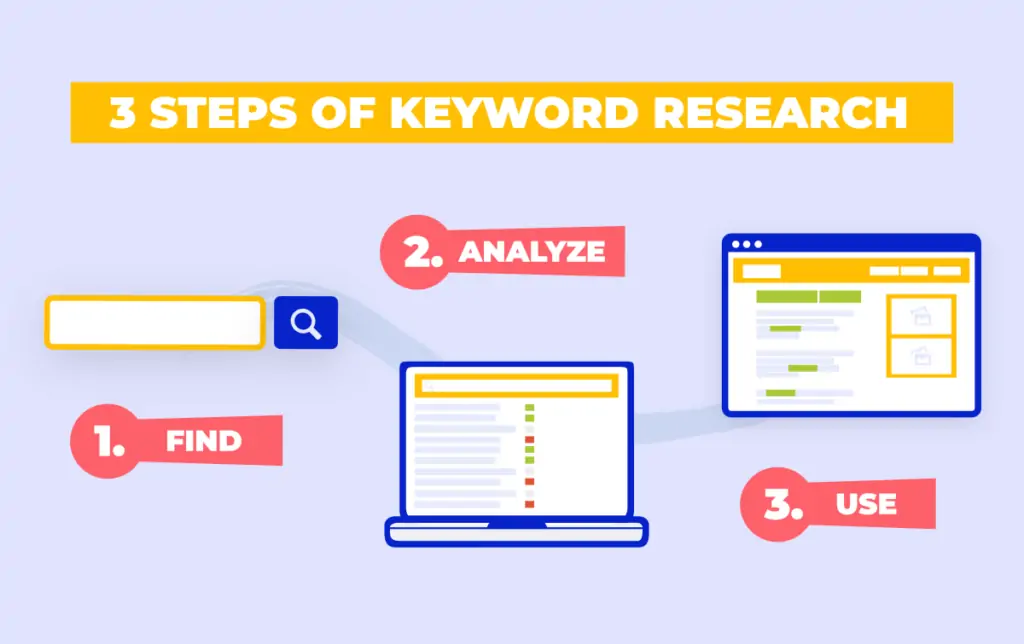
Effective keyword inspection begins with a strategic keyword strategy that aligns with the goals of your business and the interests of your target audience. Start by brainstorming a list of seed keywords—broad terms or phrases related to your industry or niche—that are relevant to your products, services, or content.

Next, use keyword evaluation tools such as Google Keyword Planner, SEMrush, or Ahrefs to expand your list of keywords and identify additional opportunities. Look for keywords with high search volume, low competition, and relevance to your target audience, and prioritize them based on their potential impact on your content strategy and SEO performance.

Leveraging Long-Tail Keywords and Semantic SEO

In addition to targeting broad keywords, consider incorporating long-tail keywords into your keyword strategy. Long-tail keywords are longer, more specific phrases that typically have lower search volume but higher conversion rates. As Brian Dean, founder of Backlinko, advises, “Long-tail keywords may not drive as much traffic as broad keywords, but they often have higher conversion rates because they capture users with more specific intent.”

Moreover, embrace semantic SEO, which focuses on understanding the context and meaning behind search queries rather than just matching keywords. By creating content that is semantically relevant to your target keywords and addresses related topics and concepts, you can improve your website’s relevance and authority in the eyes of search engines.

Analyzing Competitor Keywords and Trends

In addition to conducting research for your website, it’s essential to analyze competitor keywords and industry trends to stay ahead of the curve. Use competitive analysis tools such as SpyFu, SimilarWeb, or Moz’s Keyword Explorer to identify the keywords that your competitors are ranking for and uncover opportunities to outperform them.

Furthermore, monitor industry trends and changes in search behavior to adapt your keyword strategy accordingly. Keep an eye on emerging topics, seasonal trends, and shifts in consumer behavior to ensure that your content remains relevant and timely.

Maximizing Your Content Strategy

Keyword research is a fundamental aspect of content strategy and SEO that can significantly impact your website’s visibility, traffic, and conversions. By understanding the importance of keyword inspection, crafting a strategic keyword strategy, leveraging long-tail keywords and semantic SEO, and analyzing competitor keywords and trends, you can unlock the power of keyword analysis and achieve sustainable growth and success.

By embracing innovative strategies, delivering valuable content, and staying attuned to the needs and interests of your audience, you can unlock the potential of keyword analysis and propel your website to new heights of success. As Avinash Kaushik, a leading digital marketing evangelist, succinctly puts it, 

“Keyword research is not just about finding keywords—it’s about understanding your audience and delivering content that resonates with their needs and interests.”

Read More
20 MarSEO & Link Building

Elevating Your Online Performance with Keyword Optimization

Here are ten things you need to know about fake Rolex on www.rolexreplicaswissmade.com

Check out our replica watches selection for the very best in unique or custom, handmade pieces from our watches shops.

1:1 Swiss Luxury Omega replica watches. Occupying the prominent status in the watch world.

In the dynamic world of digital marketing, where visibility and relevance are paramount, mastering the art of keyword optimization is essential for success. Keywords serve as the foundation of SEO (Search Engine Optimization), guiding search engines and users alike to relevant content that meets their needs and interests. Yet, in the ever-evolving landscape of online search, optimization of keywords requires a strategic approach that goes beyond simply stuffing content with keywords. This exclusive article investigates the secrets of optimizing keywords and explores unique strategies to elevate your content strategy and SEO performance.

It is the process of strategically selecting and integrating relevant keywords into your content to improve its visibility and ranking in search engine results pages (SERPs). As Brian Clark, founder of Copyblogger, succinctly puts it, 

“Keyword optimization is not about tricking the search engines. It’s about understanding what your audience is looking for and delivering valuable content that meets their needs.”

At its core, a keyword is about aligning your content with the intent of your target audience. By conducting thorough keyword research and identifying the terms and phrases that your audience is searching for, you can create content that addresses their queries, solves their problems, and fulfills their needs.

 Crafting a Strategic Keyword Strategy

Effective keyword optimization begins with a comprehensive keyword strategy that takes into account the goals of your business, the interests of your audience, and the competitive landscape of your industry. Start by conducting keyword research to identify relevant keywords and phrases that have high search volume and low competition.

Once you’ve identified your target keywords, strategically integrate them into your content, both naturally and organically. Avoid keyword stuffing, which can harm the readability and credibility of your content, and focus instead on creating valuable, informative, and engaging content that naturally incorporates your target keywords.

 Leveraging Long-Tail Keywords and Semantic SEO

In addition to targeting broad keywords, consider incorporating long-tail keywords into your content strategy. Long-tail keywords are longer, more specific phrases that typically have lower search volume but higher conversion rates. As Neil Patel, a renowned digital marketing expert, advises,

“Long-tail keywords may not generate as much traffic as broad keywords, but they often have higher conversion rates because they capture users with more specific intent.”

Moreover, embrace semantic SEO, which focuses on understanding the context and meaning behind search queries rather than just matching keywords. By creating content that is semantically relevant to your target keywords and addresses related topics and concepts, you can improve your website’s relevance and authority in the eyes of search engines.

 Optimizing On-Page Elements for Keywords

In addition to optimizing your content, ensure that your on-page elements, such as titles, meta descriptions, headings, and image alt text, are optimized for your target keywords. These on-page elements provide valuable signals to search engines about the relevance and context of your content, helping to improve its visibility and ranking in SERPs.

 Elevating Your Content Strategy with Keywords

Optimization is a fundamental aspect of content strategy and SEO that can significantly impact your website’s visibility, traffic, and conversions. By understanding the significance of optimizing keywords, crafting a strategic keyword strategy, leveraging long-tail keywords and semantic SEO, and optimizing on-page elements for keywords, you can elevate your content strategy and SEO performance to new heights.

As the digital landscape continues to evolve, mastering the art of optimization will remain essential for businesses looking to thrive and succeed in the competitive online marketplace. By embracing innovative strategies, delivering valuable content, and staying attuned to the needs and interests of your audience, you can unlock the secrets of optimization and achieve sustainable growth and success. As Ann Handley, Chief Content Officer at MarketingProfs, aptly summarizes, 

“Keyword optimization is not a one-time task—it’s an ongoing process that requires continuous monitoring, refinement, and adaptation to stay ahead of the curve.”

Read More
20 MarSEO & Link Building

Elevating Your Visibility and Rankings with SEO-Friendly URLs

Welcome to our store. Here you can buy high quality replica 1:1 products. We sell designer replica Audemars Piguet watches.

Owning one of the 30 UK quality Replica Watches UK is just a few clicks away when you order online.

superwatches.me is the world’s leading manufacturer of high-quality replica watches.

In the vast and ever-evolving realm of search engine optimization (SEO), every component of a website plays a crucial role in determining its visibility and rankings on search engine results pages (SERPs). Among these components, the URL structure of a website holds significant importance, serving as a foundational element that directly impacts its SEO performance. This exclusive article delves into the power of SEO-friendly URLs, exploring their significance in enhancing website visibility, improving user experience, and ultimately, driving organic traffic and conversions.

 Understanding the Significance

SEO-friendly URLs, also known as clean URLs or search engine-friendly URLs, are URLs that are structured and formatted in a way that is easily understandable by both search engines and users. Unlike complex and convoluted URLs filled with parameters and unnecessary characters, clean URLs are concise, descriptive, and optimized for both relevance and readability.

As Google’s Webmaster Guidelines emphasize, “URLs should be as simple as possible and include words that describe the content of the page.” By adhering to this principle and optimizing your website’s URLs for clarity and relevance, you can improve its chances of ranking higher in search engine results and attracting more organic traffic.

 The Benefits

The benefits of using search engine optimization-friendly URLs extend far beyond improved search engine rankings. In addition to enhancing your website’s visibility and discoverability, search engine-friendly URLs also contribute to a better user experience. By providing users with clear and descriptive URLs that accurately reflect the content of the page, you can help them navigate your website more easily and find the information they’re looking for quickly and efficiently.

As Rand Fishkin, founder of Moz and SparkToro, aptly states, 

“URLs are the first thing users see when they interact with your website. Make them clean, concise, and relevant to improve the user experience and drive organic traffic.”

 Best Practices

When it comes to creating URLs that are SEO-friendly, several best practices to keep in mind:

1. Keep it concise and descriptive:

Aim for short, descriptive URLs that accurately reflect the content of the page. Avoid using unnecessary words or characters that add complexity and detract from the clarity of the URL.

2. Use keywords strategically:

Incorporate relevant keywords into your URLs to signal to search engines what the page is about. However, avoid keyword stuffing and ensure that your URLs remain natural and user-friendly.

3. Use hyphens to separate words:

Use hyphens (-) to separate words in your URLs, as they are more readable and preferred by search engines over underscores (_) or spaces.

4. Avoid using dynamic parameters:

Minimize the use of dynamic parameters, such as session IDs or query strings, in your URLs. Instead, use static URLs that are easier for search engines to crawl and index.

5. Create a logical hierarchy: 

Put together your URLs in a sensible pecking order that mirrors the construction of your site. This helps users and search engines navigate your site more effectively and understand the relationship between different pages.

By following these best practices and optimizing your website’s URLs for clarity, relevance, and user experience, you can enhance its visibility, attract more organic traffic, and ultimately, achieve higher rankings on search engine results pages.

 Implementing URLs in Practice

Implementing SEO-friendly URLs requires a combination of technical expertise, strategic planning, and attention to detail. Start by auditing your existing URLs and identifying any areas for improvement. Then, work with your web development team or SEO professionals to implement changes and optimize your URL structure according to best practices.

When creating new pages or updating existing content, always prioritize creating SEO-optimized URLs from the outset. By incorporating keywords, keeping URLs concise and descriptive, and avoiding unnecessary parameters, you can ensure that your website’s URLs are optimized for search engines and the user experience alike.

 Harnessing the Power

In conclusion, SEO-friendly or Clean URLs play a crucial role in enhancing website visibility, improving the user experience, and driving organic traffic and conversions. By adhering to best practices and optimizing your website’s URL structure for clarity, relevance, and readability, you can improve its chances of ranking higher in search engine results pages and attracting more qualified traffic.

As the digital landscape continues to evolve, the importance of  URLs in SEO strategy cannot be overstated. By harnessing the power of clean, concise, and descriptive URLs, you can set your website up for success and achieve sustainable growth in the competitive online marketplace. As Neil Patel, a renowned digital marketing expert, succinctly puts it, 

“SEO-friendly URLs are not just good for search engines—they’re good for users too. Keep them clean, concise, and relevant, and watch your organic traffic soar.”

Read More
19 MarSEO & Link Building

Unveiling the Secrets of E-commerce Link Building

In the dynamic realm of e-commerce, where competition is fierce and visibility is paramount, mastering the art of link-building is essential for success. Link building, the process of acquiring hyperlinks from other websites to your own, plays a pivotal role in driving traffic, boosting search engine rankings, and ultimately, increasing sales for online stores. Yet, navigating the complexities of e-commerce link building requires a nuanced understanding of its intricacies and challenges. This exclusive article explores the secrets of e-commerce link-building, exploring unique strategies to elevate your online store’s visibility and drive sustainable growth.

 Understanding the Dynamics

At their core, e-commerce links revolve around the concepts of authority and relevance. As Neil Patel, a prominent digital marketing expert, aptly stated, 

“Backlinks are the backbone of any successful SEO strategy.” 

Search engines like Google rely on backlinks to assess the authority and credibility of websites, with high-quality and relevant backlinks playing a crucial role in determining a site’s ranking in search engine results pages (SERPs).

In the highly competitive e-commerce landscape, acquiring high-quality backlinks is essential for establishing your online store as a trusted authority within your niche. However, achieving this feat requires a strategic approach that goes beyond simply acquiring links. Instead, online store owners must focus on creating valuable, shareable content that naturally attracts links from authoritative sources.

 Crafting a Holistic Link Building Strategy

To succeed in e-commerce link building, online store owners must adopt a holistic approach that encompasses a diverse range of tactics and techniques. Rather than focusing solely on acquiring backlinks, a comprehensive link building strategy should prioritize creating valuable, shareable content that naturally attracts links from authoritative sources. As Rand Fishkin, founder of Moz and SparkToro, emphasizes,

“Great content attracts great links.”

In addition to content creation, strategic outreach, and relationship-building are also crucial components of an effective link building strategy. By forging relationships with influencers, industry associations, and complementary brands, online store owners can tap into new audiences and earn valuable backlinks from reputable sources. Collaborating with influencers to create sponsored content or hosting joint promotions can generate buzz around your brand and attract attention from relevant websites and publications.

 Leveraging Strategic Partnerships and Collaborations

In the competitive landscape of e-commerce, strategic partnerships and collaborations can be powerful catalysts for link building success. By forging alliances with complementary brands, influencers, and industry associations, online store owners can expand their reach, tap into new audiences, and earn valuable backlinks from reputable sources. As Brian Dean, founder of Backlinko, states, 

“Strategic partnerships can help you build high-quality links and grow your online presence.”

In addition to strategic partnerships, content syndication, and guest blogging are also effective strategies for acquiring high-quality backlinks. By contributing valuable content to authoritative websites and industry publications, online store owners can showcase their expertise and attract links back to their online store. However, it’s essential to approach guest blogging with caution and focus on providing value to readers rather than solely promoting your products or services.

 Embracing Data-Driven Insights and Optimization

In the fast-paced world of e-commerce, data-driven insights and optimization are essential for staying ahead of the curve. By leveraging analytics tools and tracking metrics such as backlink profiles, referral traffic, and conversion rates, online store owners can identify areas for improvement, optimize their link-building efforts, and maximize their return on investment (ROI). As Avinash Kaushik, a leading digital marketing evangelist, once said, 

“Without data, you’re just another person with an opinion.”

Regularly auditing your backlink profile can help identify spammy or low-quality links that may harm your store’s credibility and rankings. Additionally, analyzing competitor link profiles and industry trends can uncover new opportunities for strategic link-building and content creation, ensuring your online store remains competitive in the ever-evolving digital landscape.

 Elevating Your Online Store’s Visibility

E-commerce link building is a dynamic and multifaceted endeavor that requires strategic planning, creativity, and persistence. By understanding the dynamics of link building, crafting a holistic strategy, leveraging strategic partnerships, and embracing data-driven insights, online store owners can elevate their visibility, drive sustainable growth, and carve out a competitive edge in the crowded e-commerce marketplace.

As the digital landscape continues to evolve, mastering the art of e-commerce link building will remain essential for online stores looking to thrive and succeed in the fiercely competitive world of e-commerce. By embracing innovative strategies, fostering meaningful connections, and delivering value to their audience, online store owners can position themselves for long-term success and prosperity in the ever-expanding digital marketplace.

Read More
19 MarSEO & Link Building

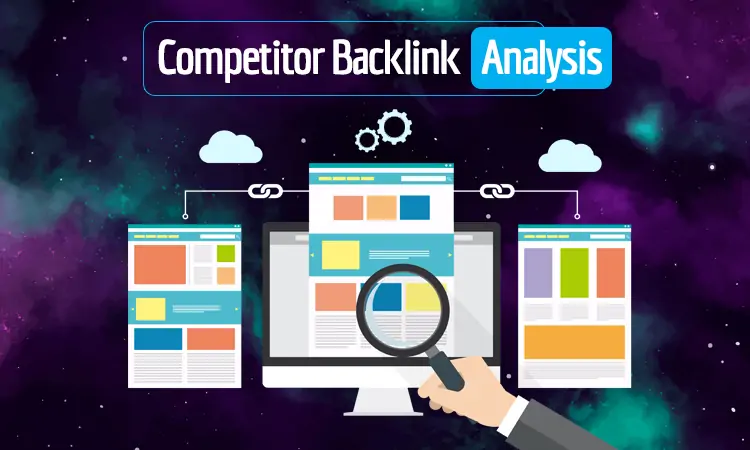
Unveiling the Power of Competitor Link Analysis as Strategy

In the ever-evolving realm of digital marketing, staying ahead of the competition is paramount to success. As businesses strive to increase their online visibility and attract more qualified traffic, understanding the strategies and tactics employed by their competitors is crucial. One such strategy that has emerged as a game-changer in the world of SEO is competitor link analysis. This exclusive article delves into the intricacies of link analysis among competitors and its profound impact on shaping digital marketing strategies.

 Deciphering the Link Analysis

Competitor link inspection involves scrutinizing the backlink profiles of competitors to uncover valuable insights and opportunities for enhancing one’s link-building efforts. By analyzing the websites that link to competitors, businesses can identify potential link-building opportunities, assess the effectiveness of their competitors’ strategies, and gain a deeper understanding of the competitive landscape.

As digital marketing expert Brian Dean aptly puts it,

“Competitor link analysis is like peering through a window into your competitor’s SEO strategy. It allows you to see what’s working for them and leverage that knowledge to inform your approach.”

 Uncovering Hidden Opportunities

One of the primary benefits of competitor link evaluation is its ability to uncover hidden opportunities for acquiring high-quality backlinks. By identifying the websites that link to multiple competitors but not to your site, businesses can pinpoint potential outreach targets and develop strategic link-building campaigns.

For example, if a competitor is receiving backlinks from industry-specific directories or niche publications, businesses can prioritize securing links from similar sources to enhance their authority and relevance within their industry.

 Gaining Strategic Insights

Competitor link inspection also provides invaluable strategic insights into the link-building tactics and strategies employed by competitors. By analyzing the types of websites that link to competitors, businesses can gain a deeper understanding of their competitors’ target audience, content marketing efforts, and overall SEO strategy.

As SEO guru Rand Fishkin emphasizes, 

“Competitor link analysis can reveal patterns and trends that inform your link-building strategy. By understanding the types of content and websites that resonate with your competitors’ audiences, you can tailor your approach to better align with your objectives.”

 Enhancing Content Strategy

In addition to informing link-building efforts, competitor link scrutiny can also provide valuable insights for enhancing content strategy. By analyzing the content that earns the most backlinks for competitors, businesses can identify popular topics, formats, and angles that resonate with their target audience.

For instance, if a competitor’s blog post on a particular industry trend or topic receives a significant number of backlinks, businesses can consider creating similar content to capitalize on the existing interest and demand within their niche.

 Leveraging Competitive Insights for Success

Competitor link evaluation or analysis is a powerful tool for gaining competitive insights, uncovering hidden opportunities, and informing strategic decision-making in digital marketing. By peering into the link-building strategies of competitors, businesses can identify potential outreach targets, gain strategic insights, and enhance their own link-building and content marketing efforts. 

As businesses navigate the ever-changing landscape of digital marketing, competitor link investigation offers a valuable opportunity to stay ahead of the competition, refine their strategies, and ultimately, achieve greater success in the online arena. As Brian Dean aptly summarizes, 

“Competitor link analysis isn’t just about keeping up with the competition—it’s about outsmarting them and carving out your path to success.”

In essence, competitor link investigation serves as a guiding beacon in the tumultuous seas of digital marketing, offering businesses a compass to navigate the complex terrain with confidence and precision. It empowers them to not only understand their competitors’ moves but also to strategically position themselves for success. With each insight gleaned, businesses can adapt their strategies, optimize their approaches, and forge ahead on their journey to digital prominence

Read More
18 MarSEO & Link Building

Unveiling the Skyscraper Technique to Elevate Your Content

Die Kombination aus vernünftigen Preisen und hervorragendem Handwerk positioniert bestuhren.de als führenden Anbieter von Replik-Uhren, der speziell auf die Vorlieben des deutschen Marktes eingeht.

Fake watches are sold on fontwatches.com, 70% OFF & Free Shipping, you can click in to find cheap replica watches that suit you

clubwatches.uk is a trusted and professional replica watches website specilized in best quality replica watches.

In the ever-evolving world of digital marketing, content creation reigns supreme as the cornerstone of successful online strategies. However, with countless pieces of content vying for attention in an overcrowded digital landscape, standing out from the crowd can be a daunting task. Enter the Technique—an innovative approach to content creation that promises to elevate your content to new heights and attract coveted organic traffic. This exclusive exploration delves into the intricacies of the Skyscraper Technique, uncovering its secrets and its potential to revolutionize your content marketing efforts.

Coined by Brian Dean, founder of Backlinko, the technique is a content marketing strategy designed to create exceptional, high-quality content that naturally attracts backlinks and social shares. The premise is simple yet powerful: identify top-performing content in your niche, create something even better, and then reach out to the right people to promote it.

As Brian Dean himself explains, 

“The Skyscraper Technique is all about finding content that’s already successful in your industry and making it even better. It’s about creating content that stands head and shoulders above the competition.”

 Building Your Digital Skyscraper

The first step in implementing the technique is conducting thorough research to identify top-performing content in your niche. This involves analyzing competitor content, industry publications, and trending topics to uncover gaps and opportunities for improvement.

Once you’ve identified a topic with significant potential, it’s time to roll up your sleeves and start building your digital skyscraper. This involves creating content that is comprehensive, authoritative, and visually engaging, to surpass existing content in terms of quality and value.

Whether it’s in-depth guides, comprehensive case studies, or visually stunning infographics, the key is to provide unique insights, actionable advice, and compelling storytelling that resonates with your target audience. Remember, the goal is not just to create content; it’s to create content that is so exceptional that others can’t help but take notice.

 Promoting Your Masterpiece

Once your digital skyscraper is complete, it’s time to promote it to the world. This involves reaching out to influencers, industry experts, and relevant publications to share your content and encourage them to link to it or share it with their audiences.

Neil Patel, a renowned digital marketing expert, advises, 

“Promotion is just as important as creation when it comes to the Skyscraper Technique. You need to put in the effort to get your content in front of the right people and encourage them to share it with their networks.”

Utilize social media platforms, email outreach, and influencer partnerships to amplify your content’s reach and maximize its impact. By leveraging the power of networking and relationship-building, you can attract high-quality backlinks, drive targeted traffic to your site, and establish your brand as a trusted authority in your niche.

 Measuring Success and Iterating

As with any marketing strategy, it’s essential to track the performance of your Skyscraper content and iterate based on the insights gained. Monitor key metrics such as organic traffic, backlinks, and social shares to gauge the effectiveness of your content and identify areas for improvement.

By continually refining your approach and creating even better content over time, you can ensure that your digital skyscraper remains towering above the competition and continues to deliver tangible results for your business.

Reaching New Heights in Content Marketing

The technique represents a powerful approach to content marketing that can help businesses break through the noise and reach new heights of success online. By creating exceptional content that surpasses existing benchmarks and leveraging strategic promotion tactics, businesses can attract high-quality backlinks, drive targeted traffic, and establish themselves as industry leaders in their niche. As you embark on your Skyscraper journey, remember the words of Brian Dean: 

“The Skyscraper Technique isn’t just about creating content; it’s about creating content that stands head and shoulders above the competition and earns the recognition it deserves.”

Read More
  • 1
  • …
  • 304
  • 305
  • 306
  • 307
  • 308
  • …
  • 315

Recent Posts

  • Les tendances de paiements mobiles et leur impact sur Paysafecard
  • De Estoril Casino 100 Free Spins Bonus 2026
  • Smashing Casino No Deposit Bonus Codes For Free Spins 2026
  • Admiral Nelson Casino Login App Sign Up
  • Do Online Casinos Cheat

Copyright © 2020 Zikzag by WebGeniusLab. All Rights Reserved

BACK TO TOP