Blue Bite Branding

  • Home
  • Services
    • Search Engine Optimization
    • Ad Creative
    • Social Media Creative
    • Email Design
    • Web Design
    • Presentation Design
    • Packaging & Merch Design
    • eBook & Digital Report Design
    • Print Design
    • Motion Design
    • Illustration Design
    • Brand Identity Design
    • Concept Creation
    • Video Production
    • Digital Marketing Consulting
  • Media Publications
    • Available Options
    • Press Releases
    • Get Featured In Publications
    • Reputation Management Services
  • CaaS
  • OUR WORK
  • Pricing
  • Blog

Blue Bite Branding

Blue Bite Branding

  • Home
  • Services
    • Search Engine Optimization
    • Ad Creative
    • Social Media Creative
    • Email Design
    • Web Design
    • Presentation Design
    • Packaging & Merch Design
    • eBook & Digital Report Design
    • Print Design
    • Motion Design
    • Illustration Design
    • Brand Identity Design
    • Concept Creation
    • Video Production
    • Digital Marketing Consulting
  • Media Publications
    • Available Options
    • Press Releases
    • Get Featured In Publications
    • Reputation Management Services
  • CaaS
  • OUR WORK
  • Pricing
  • Blog
04 JanDigital Marketing

Mastering Guide for AngularJS Web Application Development

Web applications have transformed the way can interact with the digital world, providing seamless and dynamic user experiences. Among the various frameworks that enable these innovations, AngularJS stands out as a pioneering tool for building single-page applications (SPAs). Developed and maintained by Google, AngularJS offers developers a robust and flexible platform to create highly interactive and scalable web applications. This article serves as a comprehensive beginner’s guide to AngularJS web application development, designed to help you navigate its features, capabilities, and practical applications. Whether you’re aiming to learn the basics, explore real-world examples, or access resources like GitHub repositories for hands-on experience, this guide provides a clear pathway to mastering AngularJS.

We will start with an overview of AngularJS’s core features and a step-by-step development tutorial. Then, also delve into practical AngularJS-web application development examples, including commonly used Angularjs web application development GitHub projects that showcase its versatility. Additionally, also touch on how to download AngularJS, understand AngularJS latest version, and differentiate it from Angular, its modern successor. If you’re curious about why AngularJS remains relevant in web development, how to leverage its capabilities for building SPAs, or where to find the best learning resources, this guide has you covered. With the right knowledge and tools, you can harness AngularJS to create efficient and user-friendly web applications that meet modern digital demands.

What Is AngularJS web application development?

AngularJS is a JavaScript-based framework developed by Google to simplify the complexities of web development. Designed for SPAs, it enhances the user experience by reducing page reloads and providing a smoother interaction flow. Its modular structure allows developers to split the application into manageable components, improving scalability and maintainability.

Key Features of AngularJS

AngularJS is packed with features that make web application development more efficient and intuitive. One of its standout capabilities is two-way data binding, which ensures that changes in the user interface automatically update the underlying data model and vice versa, reducing the need for manual synchronization. Its dependency injection system simplifies the management of components and services, allowing developers to write modular and testable code with ease. Another key feature is its directive-based approach, where custom HTML elements and attributes can be created to define reusable components or behavior, such as loops or form controls.

The framework’s Model-View-Controller (MVC) architecture promotes a clean separation of concerns, making the development process more organized and scalable. Additionally, AngularJS leverages HTML-based templating, enabling developers to integrate dynamic data into their designs seamlessly. With built-in features like routing and form validation, it provides out-of-the-box solutions for common web development tasks. These features, combined with a strong community and extensive documentation, make AngularJS a powerful choice for building interactive, single-page applications (SPAs).

AngularJS Web Application Development Examples

AngularJS-web application development examples provide a hands-on way to grasp the core features and functionality of the framework. One of the simplest and most popular examples is the Todo List application, where AngularJS is used to create a dynamic and interactive user interface. This example demonstrates key AngularJS features such as two-way data binding, directives like ng-repeat for looping through lists, and the use of ng-model for binding user input to the application’s data model. By adding and removing tasks, users can see real-time updates on the screen without needing to refresh the page, showcasing the power of AngularJS in building responsive applications.

Another excellent example is a real-time weather application. In this example, AngularJS can be combined with an API to fetch live data from weather services and display it in a user-friendly interface. The application dynamically updates based on user input (such as a city name), and the results are presented immediately, demonstrating AngularJS’s capability to handle asynchronous data and provide smooth, responsive user experiences.

For those eager to explore AngularJS web application development on GitHub, there are numerous open-source projects that offer comprehensive examples, ranging from simple CRUD applications to more complex data-driven systems. These repositories serve as practical resources for learning, enabling beginners to examine well-documented code and apply AngularJS concepts in real-world scenarios. These examples not only help build confidence but also provide a foundation to dive deeper into AngularJS development.

AngularJS vs Angular

Although AngularJS has been succeeded by Angular (a completely rewritten version), it remains popular for smaller projects and legacy systems. Here’s a quick comparison:

FeatureAngularJSAngular
LanguageJavaScriptTypeScript
ArchitectureMVCComponent-Based
PerformanceModerateHigh
Learning CurveLowModerate to High

Advantages of Using AngularJS

Here are the main advantages of angularJS.

  1. Extensive Community Support
    With a vast array of tutorials, examples, and GitHub projects, beginners have access to ample resources.
  2. Scalability for SPAs
    Its modular design ensures that applications can grow without becoming unwieldy.

How to Get Started with AngularJS Web Application Development

  1. AngularJS download
    Visit the AngularJS website or use a CDN link.
  2. Learn from Tutorials
    Numerous free and paid tutorials are available online, catering to various experience levels.
  3. Explore GitHub Projects
    Gain hands-on experience by exploring AngularJS examples on GitHub. Look for repositories that provide clear documentation and step-by-step instructions.
  4. Experiment with Real-World Applications
    Apply your learning by building small projects like calculators, chat applications, or portfolio websites.

In the end, mastering AngularJS web application development tutorial can be an empowering journey for aspiring developers. By leveraging its robust features, community resources, and practical examples, you can create efficient and scalable SPAs. Whether you’re following an AngularJS-web application development tutorial or diving into GitHub repositories for hands-on learning, the framework’s versatility ensures an engaging experience. As you explore AngularJS, keep in mind its relationship with Angular, ensuring you’re equipped to transition to the modern framework when needed. With the right approach and persistence, AngularJS can be the stepping stone to mastering web development.


Read More
03 JanDigital Marketing

Ultimate Guide to Crafting a Modern Developer Portfolios in 2025

In 2025, the tech industry continues to thrive, and with it, the demand for skilled developers has reached unprecedented heights. Whether you’re a seasoned professional or just stepping into the field, a well-crafted developer portfolios is an essential tool for showcasing your skills, creativity, and expertise. Unlike a traditional resume, a portfolio brings your capabilities to life by displaying real-world projects, demonstrating your technical knowledge, and offering a glimpse into your problem-solving abilities.

A great portfolio isn’t just for seasoned developers. Beginner web developer portfolio and Junior web developer portfolio examples prove that even newcomers can create impactful showcases. In fact, crafting an impressive developer-portfolio website early in your career can set you apart from other candidates by showing initiative and potential. For experienced developers, portfolios serve as a dynamic medium to highlight complex projects, innovative solutions, and ongoing growth in the ever-changing tech landscape.

From customizable developer portfolio templates to fully coded personal websites, creating a professional portfolio is now easier than ever. Incorporating trends like responsive design, interactive features, and clean layouts ensures your portfolio not only grabs attention but also delivers a seamless user experience.

This guide will take you through everything you need to build a standout portfolio, including actionable tips, design inspirations, and examples tailored for different levels of expertise. Whether you’re a software developer, web developer, or a coding enthusiast, this ultimate guide will help you craft a modern portfolio that opens doors to opportunities in the competitive tech world of 2025.

Why a Developer Portfolios Matters in 2025

In the tech-driven hiring process of 2025, resumes and LinkedIn profiles are often not enough to stand out. A developer portfolio website serves as a dynamic, visual representation of your skills, allowing you to:

  • Showcase your technical expertise with live projects.
  • Highlight your design and UX skills through an intuitive interface.
  • Provide potential employers or clients with direct access to your work.
  • Demonstrate your ability to deploy and maintain a functional web application.

Hiring managers and clients are increasingly looking for tangible evidence of your abilities. Your portfolio becomes a first impression, making it a crucial asset in your professional toolkit.

Key Components of a Modern Developer Portfolios

Include these crucial components in your portfolio to make sure it appeals to your audience:

a. About Me Section

A compelling “About Me” section introduces you to visitors. Share your background, interests, and professional goals, keeping the tone approachable yet professional.

b. Projects and Case Studies

Your projects are the heart of your portfolio. For each project, include:

  • A brief description of its purpose.
  • The tools, languages, or frameworks used.
  • A live demo link or screenshots.

Referencing web-developer portfolio examples for inspiration can help you format this effectively.

c. Skills and Tools

Use icons or badges to make this section visually appealing.

e. Resume Download (Optional)

Some portfolios include a downloadable resume for convenience.

Crafting a Beginner-Friendly Developer Portfolio

For those new to the industry, creating a compelling portfolio might seem daunting. Here are some tips tailored to beginners:

1. Start Small

Focus on 2-3 projects that showcase your skills, even if they’re personal or academic. For example, a simple calculator app or a to-do list can be a great starting point.

2. Use Templates

Leverage a developer-portfolio template to save time and ensure a professional layout. Many platforms, such as GitHub Pages or Notion, offer beginner-friendly templates.

3. Highlight Growth Potential

Emphasize your willingness to learn by including a section on upcoming projects or skills you’re currently mastering.

Trends in Developer Portfolios for 2025

Portfolios are evolving with technology. To stay modern, consider these trends:

1. Interactive Portfolios

Use animations, transitions, and interactive elements to create a dynamic user experience.

2. Dark Mode Options

Providing light and dark mode toggles is increasingly popular for improving usability.

3. Mobile Responsiveness

Ensure your portfolio is fully responsive and accessible on all devices.

4. AI-Powered Features

Integrate AI elements, such as chatbots or project search functionalities, to demonstrate your tech-savviness.

Inspiration from Developer Portfolio Examples

Exploring existing developer-portfolio examples can spark ideas for your design and content. Here are some notable categories:

1. Web Developer Portfolio Examples

Showcase web design projects, complete with live demos of responsive sites and custom animations.

2. Junior Web-Developer Portfolio Examples

Focus on small-scale projects with a clear narrative of your learning journey. For instance, highlight your ability to replicate popular websites or solve real-world problems.

3. Software Developer Portfolios

Feature backend projects such as APIs, database integrations, or system designs. Include diagrams to explain complex workflows.

Platforms and Tools for Building Your Portfolio

The following platforms are suggested to get you started:

  • GitHub Pages: Ideal for developers familiar with Git workflows.
  • WordPress: Versatile and beginner-friendly with customizable themes.
  • Custom Code: For experienced developers who want full control over their design.

Common Mistakes to Avoid

Avoid these pitfalls when creating your portfolio:

  • Overloading with Projects: Quality over quantity. Focus on your best work.
  • Neglecting Design: A poorly designed portfolio can overshadow great content.
  • Lack of Updates: Regularly add new projects and remove outdated ones.
  • Ignoring SEO: Optimize for search engines so your portfolio is discoverable.

Developer Portfolios: Final Tips for Success

  • Iterate and Improve: Treat your portfolio as a living project that evolves with your career.

To sum up, crafting a modern developer portfolios in 2025 requires a strategic blend of creativity, technical know-how, and user-centric design. Whether you’re drawing inspiration from developer portfolio examples or utilizing a developer-portfolio template, focus on showcasing your unique value.  A strong portfolio can help you stand out in a crowded market, improve your professional profile, and open doors to prospects.

Read More
02 JanDigital Marketing

Magento Website Development Services Are Essential for Store

Magento consistently stands out as a top contender for developing robust, feature-rich, and scalable online stores. Magento website development services are the cornerstone of e-commerce success, offering unparalleled flexibility, customization, and functionality to meet the unique needs of businesses.

Magento’s open-source framework allows for extensive customization, making it a preferred choice for businesses seeking tailored solutions. Whether you’re a startup or a large enterprise, investing in custom Magento development services ensures your website aligns with your brand identity and operational goals. Leading companies, such as the Magento web development company Coalition, exemplify how Magento services can be leveraged for creating impactful online experiences.

With Magento website examples showcasing innovative designs and user-friendly interfaces, it’s evident that this platform can cater to diverse industries. Moreover, the availability of developers from global hubs, like Magento development company India, provides cost-effective and high-quality solutions. Whether you’re seeking a simple online store or a complex multi-vendor platform, Magento offers the tools and capabilities to bring your vision to life.

This article delves into the key reasons why Magento website development services are essential for your online store. From customization capabilities to real-world examples, also explore how these services can transform your e-commerce strategy and elevate your brand.

The Benefits of Magento Website Development Services

Magento website development services offer unparalleled advantages for businesses aiming to establish or enhance their e-commerce presence. 

1. Unmatched Flexibility and Customization

Magento’s open-source framework allows developers to create unique online stores tailored to specific business needs. Unlike cookie-cutter solutions, custom Magento development services enable businesses to design every aspect of their website, from layout and user experience to payment integrations. 

2. Scalability for Growing Businesses

One of Magento’s standout features is its scalability. Its modular architecture allows you to add features like multi-store management, advanced analytics, and AI-driven recommendations as your business expands.

3. Comprehensive E-Commerce Features

Magento provides a suite of e-commerce features, including:

  • Multiple payment gateway integrations
  • Advanced shipping and tax options
  • Multi-language and multi-currency support
  • SEO-friendly architecture

These features make it easier for businesses to cater to diverse customer bases, both locally and globally.

Real-World Success with Magento Services: Magento Website Examples: Learning from the Best

Many renowned brands have leveraged Magento to build exceptional e-commerce websites. Examples include:

  • Nike: A seamless and dynamic interface tailored to global audiences.
  • Coca-Cola: A user-friendly business-to-business platform with unique features.

These success stories highlight how Magento’s flexibility and functionality can cater to businesses across industries.

Collaborating with Experts: Magento Web Development Company Coalition

Leading companies like Magento web development company Coalition have mastered the art of crafting top-tier e-commerce solutions. Their expertise in delivering responsive, scalable, and visually appealing websites makes them a go-to choice for businesses worldwide.

The Role of Magento Development Company India

India has become a center for high-quality, reasonably priced Magento development. Businesses seeking custom Magento development services can benefit from the country’s skilled talent pool, competitive pricing, and efficient project delivery.

Leveraging Magento Tools for Efficiency

Magento provides a range of tools that enhance efficiency and empower businesses to build and manage their online stores with ease. One standout feature is the Magento website builder, a user-friendly tool that enables businesses to create professional and functional websites without requiring extensive technical expertise. This builder simplifies the design process with drag-and-drop functionality, customizable templates, and real-time previews, making it particularly valuable for small and medium-sized businesses. Additionally, Magento’s integration capabilities with third-party tools and extensions streamline operations such as inventory management, payment processing, and marketing automation. These tools not only reduce the time and effort required to maintain an e-commerce platform but also improve overall performance and customer satisfaction, making Magento an efficient and effective choice for online businesses.

Magento Website Development Services: Positive Feedback and Reviews

Positive feedback and Magento website development services reviews highlight the platform’s transformative impact on e-commerce businesses. Clients frequently praise Magento for its ability to deliver highly customizable and scalable solutions, enabling them to create unique online stores that align with their brand vision. Reviews often emphasize improved website speed, seamless integrations with third-party tools, and enhanced user experiences as key benefits. Businesses also appreciate the platform’s robust features, such as advanced inventory management and multi-store capabilities, which streamline operations and support growth. Testimonials for providers like the Magento web development company Coalition reflect their expertise in delivering visually stunning and functionally superior websites, further cementing Magento’s reputation as a leading choice for e-commerce development.

In the end, Magento website development services are indispensable for businesses aiming to thrive in the competitive e-commerce landscape. With unparalleled customization options, scalability, and a suite of advanced features, Magento ensures your online store meets modern consumer demands. Success stories from renowned brands and the availability of cost-effective solutions, like those offered by Magento development company India, further emphasize the platform’s versatility. Whether you collaborate with experts such as the Magento web development company Coalition or leverage tools like the Magento website builder, investing in Magento services is a strategic decision that will elevate your brand and drive growth. By prioritizing customer-centric designs and robust functionality, your online store can stand out in an increasingly crowded market.

Read More
01 JanDigital Marketing

Why Choosing the Right eCommerce Web Design Company is Crucial

Having an online presence is very necessary in today’s digital environment. For businesses venturing into the eCommerce realm, the design and functionality of their website play a pivotal role in determining success. An eCommerce website is more than just an online storefront; it’s a platform that connects businesses with customers, builds trust, and drives sales. The process of selecting the right eCommerce web design company is, therefore, one of the most critical decisions a business owner can make.

Why does this choice matter so much? Imagine walking into a brick-and-mortar store with cluttered aisles, dim lighting, and unhelpful staff. Chances are, you’d leave without making a purchase. The same principle applies to online stores. If your eCommerce site isn’t visually appealing, easy to navigate, or quick to load, potential customers are likely to click away and explore competitors. This underscores the importance of partnering with a company that specializes in eCommerce website design services to create a seamless and engaging user experience.

A professional eCommerce website designer brings together creativity, technical expertise, and an understanding of consumer behavior. Their role extends beyond aesthetics; they ensure your site is optimized for search engines, mobile-friendly, and equipped with secure payment options. Additionally, the best eCommerce website developer will tailor their approach to meet your specific business needs, offering customized solutions that can grow with your company.

Understanding the Role of an eCommerce Web Design Company

An eCommerce web design firm specializes in creating websites that facilitate online shopping. Their services often include:

  • Designing a visually appealing and functional user interface (UI)
  • Developing a seamless user experience (UX)
  • Integrating essential eCommerce features like shopping carts, payment systems, and inventory management
  • Ensuring the website is mobile-responsive and search engine optimized
  • Offering ongoing maintenance and support

These companies combine creative design with technical expertise to craft websites that not only attract but also retain customers.

Why the Right Choice Matters: First Impressions Matter

A well-designed website creates a positive first impression, building trust and encouraging users to explore your products or services. A subpar design, on the other hand, can drive visitors away.

Optimized User Experience

Top eCommerce web design companies understand the importance of UX. They ensure that your website is easy to navigate, loads quickly, and provides a smooth shopping experience. Elements such as intuitive navigation, clear product categories, and streamlined checkout processes can significantly enhance user satisfaction and boost sales.

Mobile Responsiveness

With the majority of online shopping happening on mobile devices, having a mobile-responsive website is non-negotiable. A reputable eCommerce web design company in USA or elsewhere will ensure that your website performs seamlessly across all devices, enhancing accessibility and reach.

SEO Integration

Search engine optimization (SEO) is critical for driving organic traffic to your site. An experienced eCommerce website developer incorporates SEO best practices into the design process, such as fast loading times, optimized images, and proper URL structures, helping your website rank higher on search engines.

Customization and Scalability

Every business has unique needs. The best eCommerce web design firm will offer customized solutions tailored to your specific goals. Additionally, as your business grows, your website should be able to scale and accommodate new features and increased traffic.

How to Pick the Right eCommerce Web Design Company

Following are the main tips for choosing the correct company.

1. Assess Their Portfolio

Look for variety and quality in their designs, and check if they’ve worked with businesses similar to yours.

2. Check Client Reviews and Testimonials

Client feedback can provide valuable insights into a company’s professionalism, communication, and ability to deliver results. Look for reviews on third-party platforms and request references if necessary.

3. Evaluate Their Technical Skills

Ensure the company’s team is proficient in the latest web design and development technologies. They should be familiar with popular eCommerce platforms like Shopify, WooCommerce, Magento, or BigCommerce.

4. Compare Pricing and Services

While cost shouldn’t be the sole deciding factor, it’s essential to find a company that offers a good balance between quality and affordability. Compare packages from an eCommerce web design company list to identify the best fit for your budget.

5. Assess Their Communication and Support

Clear communication is vital for a successful partnership. The company should be responsive and willing to involve you in the design process. Additionally, they should offer ongoing support to address technical issues and updates post-launch.

Top eCommerce Web Design Company

When searching for the right partner, it helps to explore a curated eCommerce web design firm list. Some of the top eCommerce web design companies include:

  • Blue Fountain Media: Known for their creative designs and comprehensive digital strategies
  • Lounge Lizard: Specializing in user-centric and innovative web designs
  • Big Drop Inc: Offering tailored solutions for businesses of all sizes
  • Coalition Technologies: Experts in SEO-integrated eCommerce design
  • WebFX: A top-rated eCommerce web design firm in the USA with extensive experience in driving online sales

To sum up, choosing the best eCommerce web design company is a critical decision that can have a lasting impact on your business’s success. From enhancing user experience to ensuring scalability, the right partner will provide a website that not only looks great but also performs exceptionally. By carefully evaluating potential companies and prioritizing your specific needs, you can find a partner that helps your business thrive in the competitive online marketplace. Whether you’re seeking the best eCommerce web design firm, a skilled eCommerce website designer, or a dedicated eCommerce website developer, investing in the right team is a step toward sustained growth and profitability.

Read More
31 DecDigital Marketing

Optimizing Performance in Python Backend Development

In today’s world, where performance is key to delivering seamless user experiences, optimizing For developers, learning Python backend development is crucial. Python’s ease of use, adaptability, and abundance of frameworks make it a popular choice for backend development. However, as with any technology, there are challenges when it comes to making Python applications fast, efficient, and scalable. Optimizing the performance of Python backend systems is critical in handling increasing traffic, large datasets, and complex requests in modern applications.

To achieve optimal performance in Python backend-development, developers must use the right tools, strategies, and best practices. This includes selecting the appropriate Python backend framework, managing memory and processing efficiently, minimizing database queries, and leveraging Python’s multithreading and asynchronous capabilities. Furthermore, Python backend developers can benefit from a structured learning approach, such as enrolling in a Python backend-development course or following a Python backend development roadmap, to gain deep insights into performance optimization techniques.

This article will explore various strategies for optimizing performance in backend development, from code optimizations to selecting the right Python backend framework, and even the potential benefits of investing in a Python backend tutorial. Whether you are looking to improve your current Python backend system or considering a career as a Python Backend Developer, understanding these performance optimization strategies is vital for success. We’ll also touch upon factors like backend developer salary and how performance optimization can directly impact career growth in this field.

Choosing the Right Python Backend Development

Several popular frameworks such as Django, Flask, FastAPI, and Tornado are available, each with its strengths and weaknesses.

  • Django: Known for its robustness, Django comes with a lot of built-in features, which can lead to higher memory usage and slower response times in some cases. To optimize Django’s performance, developers can disable unused components like the admin panel, optimize database queries, and use caching mechanisms effectively.
  • Flask: A lighter, micro-framework, Flask gives developers more control over their application’s performance by providing minimal overhead. However, optimizing Flask applications requires more manual work in terms of configuration, such as implementing database connection pooling and efficient routing.
  • FastAPI: It supports async and await, making it ideal for handling high loads and performing operations concurrently without blocking the execution thread.
  • Tornado: This is another asynchronous framework, designed for handling large numbers of open connections and enabling long-lived connections such as WebSockets. Tornado is perfect for real-time applications and can handle high-performance needs.

Selecting the right framework is crucial, but it’s also important to optimize the chosen framework to avoid bottlenecks, such as inefficient database queries or unnecessary synchronous operations.

Code Optimization Techniques

Efficient code is the cornerstone of performance optimization in backend systems. Below are some tips for improving code performance in Python backend development:

  • Profiling and Benchmarking: Python provides built-in tools like cProfile to analyze and profile your code. By using profiling, developers can identify which parts of the application are consuming the most resources. Once the bottlenecks are found, optimizations can be applied to those areas.
  • Efficient Algorithms: Use algorithms with lower time complexity to reduce the load on your system. If you’re using nested loops or inefficient data structures, refactoring your code to utilize better algorithms can greatly improve speed.
  • Avoiding Global Variables: In Python, global variables can be slower to access than local ones. It’s best to minimize the use of global variables and keep them in a scope where they can be accessed more efficiently.
  • Reducing Function Calls: Excessive function calls can slow down performance. It’s good practice to minimize unnecessary function calls, especially those that involve heavy computations or external resources.
  • Memory Management: Avoid creating large objects unnecessarily, and consider using tools like gc.collect() to manually manage memory in cases of memory-intensive operations.

Asynchronous Programming and Concurrency

One of the best ways to enhance Python backend performance is by taking advantage of asynchronous programming. Unlike traditional synchronous programming, asynchronous functions allow the server to handle multiple tasks concurrently, without waiting for each one to complete. By using async and await keywords, developers can optimize I/O-bound operations, improving server response times and throughput. This approach is especially useful for building APIs, handling large numbers of concurrent requests, or developing real-time applications.

If you are new to asynchronous programming in Python, taking a backend development course or following a Python backend tutorial can be an excellent way to get familiar with the fundamentals.

Python Backend Development: Database Optimization

Optimizing database access is crucial for improving the overall performance of a Python backend system. Below are some key tips for optimizing database queries:

  • Use Indexing: Indexing your database tables helps speed up data retrieval by providing quick lookups.
  • Reduce Query Complexity: Avoid using complex joins and subqueries, which can be slow.
  • Optimize ORM Usage: When using Object-Relational Mappers (ORMs) like Django ORM or SQLAlchemy, be mindful of issues like N+1 query problems.
  • Connection Pooling: For high-traffic applications, using a connection pooler like PgBouncer for PostgreSQL can help optimize database performance by reusing database connections instead of creating new ones for every request.

Python Backend Developer Salary and Career Prospects

Optimizing performance is not only essential for the success of a project but also for the career growth of Python backend developers. Python backend developer salary varies based on experience, location, and skill set. As performance optimization becomes a more sought-after skill in backend development, developers with expertise in these areas can command higher salaries. In fact, developers who invest in continuous learning, whether through a Python backend development course or hands-on tutorials, tend to see better career advancement opportunities.

In the end, optimizing performance in Python backend development requires a multi-faceted approach. By selecting the right Python backend framework, optimizing code, utilizing asynchronous programming, improving database queries, implementing caching strategies, and continuously testing and monitoring, developers can significantly enhance the performance of their backend systems. As the demand for scalable and high-performance applications grows, becoming proficient in these techniques will not only improve your Python backend skills but also enhance your career prospects, making you a valuable asset to any organization.

Read More
28 DecDigital Marketing

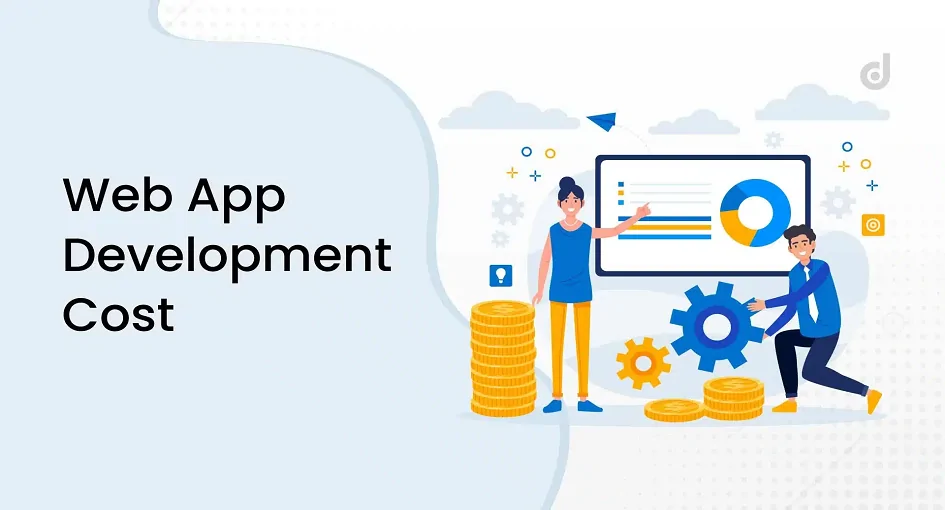
The Hidden Web App Development Cost and How to Avoid Them

When embarking on a web app development project, most businesses focus on the upfront costs of coding, design, and testing. However, the real picture of web app development cost extends far beyond these initial expenses. Hidden costs, often unforeseen, can creep in during and after the development phase, significantly inflating your budget. These include expenses related to ongoing maintenance, hosting, scalability, compliance, and even marketing. Without proper planning, these hidden costs can derail your financial strategy and delay project timelines.

What is the web app development cost per hour or How much does it cost to host an app, are vital for budgeting. However, they don’t always provide a full breakdown of the expenses you might face. For instance, regular updates to ensure app security, compliance with data protection laws, and unforeseen downtime recovery can add up. Moreover, third-party integrations and user acquisition campaigns can be costly, yet they’re often essential for a web app’s success.

Thankfully, tools like a web application cost estimation template or a web app cost calculator can help. These tools allow businesses to forecast their budgets with greater precision, providing clarity on the app development breakdown and helping to address questions like “How much to charge for an app?”

This article explores the hidden costs associated with web app development and offers actionable strategies to anticipate and manage them effectively. By understanding these often-overlooked expenses and planning accordingly, you can ensure your project remains within budget and achieves its objectives without unexpected financial stress.

Web App Development Cost: Initial Development Costs

The starting point for any web application is its design and development. The cost per hour for developers varies based on location and expertise, ranging from $25 to $200 globally. For instance:

  • UI/UX Design: Crafting a user-friendly interface requires investment in skilled designers.
  • Backend and Frontend Development: This involves coding, database integration, and feature implementation.

However, initial costs often exclude other essential aspects like quality assurance, project management, and documentation.

Ongoing Maintenance and Updates

Maintenance is a continuous process that ensures your app stays functional and secure. This may include:

  • Bug Fixes and Security Updates: Web app development cost per month, regular patches to address vulnerabilities.
  • Feature Enhancements: Adding functionalities based on user feedback.
  • Hosting Expenses: A common question is, “How much does it cost to host an app?

Scalability Costs

This often requires:

  • Upgraded Hosting Plans: More bandwidth and server capabilities.
  • Database Optimization: Ensuring efficient data retrieval for high traffic.
  • Cloud Infrastructure: Costs can escalate if not carefully managed.

The Hidden Costs of Web App Development

Here are the  hidden web app development cost.

1. Third-Party Integrations

Many apps rely on third-party services, such as payment gateways or analytics tools, which often charge recurring fees.

2. Compliance and Legal Fees

Meeting data protection regulations like GDPR or HIPAA can involve legal consultations and additional development.

3. Marketing and User Acquisition

An often-overlooked expense is promoting your app. Advertising campaigns, SEO, and app store optimization are critical but costly.

4. Downtime and Recovery Costs

Unplanned outages can result in lost revenue and additional expenses to restore functionality quickly.

Tools for Cost Estimation

Accurate cost estimation is essential to avoid surprises in web app development. Using the right tools can provide a clear understanding of the expenses involved, helping businesses plan better. A web application cost estimation template is a practical starting point. It allows you to categorize and outline all potential expenses, including development, hosting, maintenance, and unexpected costs. Similarly, a web app cost calculator offers a quick and rough estimate of costs based on specific inputs, such as app complexity, features, and anticipated user base. These calculators are especially helpful for small businesses or startups looking for a ballpark figure before engaging developers. By breaking the project into individual tasks and assigning costs whether calculated per hour or per feature you can track expenses more effectively and allocate resources wisely. These tools not only assist in setting realistic budgets but also aid in maintaining financial control throughout the app development lifecycle.

Web App Development Cost: Tips to Avoid Hidden Costs

1. Set a Clear Scope of Work

Clearly define project goals, timelines, and deliverables to avoid scope creep.

2. Choose the Right Development Team

Work with experienced professionals who can anticipate potential challenges and suggest cost-effective solutions.

3. Leverage Open-Source Tools

Using open-source libraries and frameworks can reduce development costs significantly.

4. Monitor Hosting Expenses

Regularly review your hosting plan to ensure it aligns with your current needs without unnecessary overages.

In the end, while the web app development cost is often perceived as a one-time investment, the reality involves ongoing expenses that can add up over time. From hidden maintenance fees to scalability challenges, being proactive in identifying and managing these costs is crucial. Tools like web application cost estimation templates and web app cost calculators can help provide clarity, but they should be complemented with a strategic approach to budgeting and planning. By understanding an app development breakdown, asking the right questions like “How much does it cost to host an app?” The greatest ways to ensure a successful web app launch and lifecycle in the constantly changing tech world are to be prepared and flexible.

Read More
27 DecDigital Marketing

WooCommerce Hosting Matters Boost Your Store Speed and Security

Each and every click matters in the hectic world of e-commerce. When running an online store powered by WooCommerce, having the right hosting is critical to ensuring your business thrives. A well-optimized hosting plan can help you provide a seamless shopping experience, retain customers, and boost your revenue. Conversely, poor hosting can lead to slow load times, security vulnerabilities, and frustrated users. Finding the Best WooCommerce hosting reddit can seem overwhelming with so many options, ranging from free plans to premium solutions. Factors such as pricing, customer reviews, scalability, and specific features often play a significant role in decision-making. 

Whether you’re exploring Woo-Commerce hosting on Reddit for community advice, comparing Woo-Commerce hosting pricing, or searching for cheap Woo-Commerce hosting alternatives, understanding your hosting needs is the first step to success. This article will delve into why Woo-Commerce hosting matters, discuss the key benefits it offers, and explore some of the top hosting providers, such as GoDaddy Woo-Commerce hosting and Woo Commerce Hostinger. Whether you’re a beginner or a seasoned store owner, this guide will help you choose the hosting plan that fits your needs and budget while enhancing your store’s speed and security.

Why WooCommerce Hosting Free Matters

WooCommerce host is designed specifically to meet the requirements of WooCommerce stores. Unlike generic web hosting, Woo-Commerce hosting offers tailored features that ensure your store operates smoothly, even under heavy traffic. Here’s why it’s essential:

1. Enhanced Speed

Woo-Commerce hosting provides optimized server configurations, caching tools, and Content Delivery Networks (CDNs) to ensure your store loads quickly. Providers like Woo Commerce Hostinger offer lightweight, performance-oriented solutions that keep your site blazing fast.

2. Improved Security

Woo-Commerce hosting includes features like SSL certificates, regular backups, firewalls, and malware scanning to protect your store from threats. GoDaddy Woo-Commerce hosting, for example, provides robust security tools to keep your data safe.

3. Scalability

Woo-Commerce hosting plans often include scalable solutions, allowing you to upgrade resources seamlessly without downtime. This ensures your store can handle traffic spikes during sales or promotions.

4. Dedicated Support

WooCommerce host providers typically offer specialized support teams familiar with WooCommerce. Whether you’re troubleshooting plugins or optimizing performance, expert help is just a click away. Community insights on Woo-Commerce hosting Reddit can also supplement professional support.

Important Qualities to Consider in Woo-Commerce Hosting

Choosing the right hosting provider requires understanding the features that matter most:

  • Speed Optimization: Look for SSD storage, CDNs, and server-level caching.
  • Security Features: Ensure SSL certificates, daily backups, and malware protection are included.
  • Pricing Plans: Compare Woo-Commerce hosting pricing to find a plan that suits your budget.
  • Customer Support: Access to 24/7 support can save you from potential downtime.
  • Scalability: Opt for providers offering scalable resources as your business grows.
  • Free Plans or Trials: If you’re on a tight budget, some providers offer Woo-Commerce hosting free trials to get you started.

Top WooCommerce Hosting Providers

Here are some of the best hosting providers for WooCommerce, catering to various budgets and needs:

1. WooCommerce Hostinger

Woo Commerce Hostinger is known for its affordability and performance. Their plans are ideal for small to medium-sized stores looking for cheap Woo-Commerce hosting without compromising quality.

2. GoDaddy WooCommerce Hosting

GoDaddy Woo-Commerce hosting stands out for its user-friendly dashboard and strong security features. It includes automatic backups, free SSL, and excellent scalability options. Their managed hosting plans are perfect for store owners seeking a hassle-free experience.

3. SiteGround

SiteGround is often recommended as one of the best Woo-Commerce hosting providers on platforms like Reddit. It’s praised for its fast servers, excellent uptime, and proactive support team. Although it’s not the cheapest option, the value it provides justifies the cost.

4. Bluehost

Bluehost is an official WooCommerce partner and offers a range of hosting plans tailored for WooCommerce. It’s beginner-friendly and includes free domains, SSL certificates, and 24/7 support. It’s a great choice for those seeking reliability and simplicity.

5. A2 Hosting

A2 Hosting offers turbocharged servers optimized for WooCommerce. With features like free site migration, staging environments, and robust security, it’s a popular choice for store owners who prioritize speed and performance.

WooCommerce Hosting Pricing: What to Expect

Here’s a general breakdown:

  • Free Hosting: Some providers offer limited free plans, suitable for testing but not recommended for full-fledged stores.
  • Entry-Level Plans: Starting at around $5-$10 per month, these plans cater to small stores.
  • Mid-Tier Plans: Ranging from $15-$30 per month, these are ideal for growing businesses.
  • Premium Plans: For $50 and above, premium plans offer advanced features and scalability for large enterprises.

Comparing reviews on Woo-Commerce hosting Reddit can help you find the best value for your investment.

In the end, Cheap WooCommerce hosting plays a vital role in the success of your online store by ensuring speed, security, and reliability. Whether you’re just starting out or managing a high-traffic e-commerce site, choosing the right hosting provider can make all the difference. From Woo-Commerce Hostinger to Go Daddy Woo-Commerce hosting, the market offers a variety of options to suit every budget and need. Take the time to evaluate features, pricing, and customer reviews to find the best solution for your store. Invest in quality Woo-Commerce hosting today to boost your store’s performance and secure a competitive edge in the e-commerce world.

Read More
26 DecDigital Marketing

The Role of AI in Revolutionizing SEO Optimization Practices

In today’s digital-first world, the competition to rank high on search engines has never been fiercer. Businesses and content creators alike strive to optimize their online presence, making SEO optimization an indispensable part of any successful digital marketing strategy. But as search engine algorithms grow increasingly complex, traditional methods of optimization often fall short of delivering the precision and adaptability needed in this fast-paced environment. This is where Artificial Intelligence (AI) steps in, revolutionizing how can approach search engine optimization techniques and transforming the digital landscape.

AI-powered tools like SEO Optimizer and SEO Checker have redefined What is SEO and how it works, enabling marketers to automate time-consuming tasks, analyze data at scale, and predict trends with remarkable accuracy. AI helps businesses understand user intent, craft personalized experiences, and improve their overall website performance.

Imagine a scenario where AI predicts the exact keywords your audience is searching for or suggests content improvements tailored to Google’s algorithms. Such capabilities are no longer futuristic—they are today’s reality. From providing actionable insights for search engine optimization examples to integrating seamlessly into SEO marketing strategies, AI offers unprecedented opportunities to outpace competitors.

This article delves into What is SEO in digital marketing, how AI-driven technologies are shaping SEO in digital marketing, examining their impact on keyword research, content creation, technical audits, and more. By exploring these advancements, also uncover why AI is the ultimate game-changer for anyone seeking to master SEO optimization in an ever-evolving digital age.

Enhanced Keyword Research with SEO Optimization

Unlike traditional methods, AI predicts emerging keywords and ensures content aligns with user intent. For example, platforms like SEMrush and Ahrefs use machine learning to identify long-tail keywords that attract specific audiences.

Personalized Content Optimization

AI enables tailored content creation by understanding audience preferences. Tools such as Clearscope and Surfer SEO analyze top-performing pages and recommend adjustments to improve relevance. This ensures content meets both search engine algorithms and user expectations, increasing engagement and rankings.

Voice Search and Semantic SEO

As voice search gains popularity, AI helps optimize content for conversational queries. Google’s BERT algorithm, for instance, uses natural language processing to understand search intent better. This shift emphasizes the importance of semantic SEO, where AI assists in structuring content that aligns with how users phrase questions.

AI-Driven Technical SEO: Site Audits

AI-powered SEO optimization tools perform comprehensive website audits, identifying issues like broken links, slow loading times, and mobile responsiveness. Tools such as Screaming Frog and Sitebulb use AI to prioritize fixes that significantly impact rankings.

Predictive Analysis

For instance, RankSense uses AI to test and implement optimizations that adapt to algorithmic changes in real time.

Automation and Scalability

This allows marketers to focus on strategic initiatives rather than manual operations, making SEO campaigns more scalable.

The Role of AI in Local and Global SEO

AI enhances both local and global SEO strategies by refining location-based targeting. For instance, AI algorithms analyze user location data to help businesses optimize for “near me” searches. This is particularly beneficial for small businesses aiming to improve visibility in local markets.

Global businesses, on the other hand, use AI to identify cultural nuances and adapt content accordingly. This ensures relevance across diverse audiences, strengthening their international presence.

SEO Checker and Real-Time Insights

AI-powered SEO Checkers offer real-time insights into website performance. These tools evaluate factors such as domain authority, backlink quality, and keyword rankings. By leveraging AI, businesses receive actionable recommendations to enhance their SEO strategies.

For example, Google Search Console uses AI-driven analytics to highlight issues affecting search performance, empowering businesses to make data-informed decisions.

Practical Search Engine Optimization Example

Consider a travel blog aiming to rank higher for “best destinations in Europe.” An AI tool might suggest optimizing for related keywords like “affordable European getaways”.

The Future of AI in SEO Optimization

The future of AI in SEO optimization is poised to be transformative, driving innovations that will redefine digital marketing. One of the most anticipated developments is the integration of predictive analytics, where AI tools will forecast search trends and user behaviors with unprecedented precision. This will enable marketers to stay ahead of shifts in audience preferences and algorithm updates, crafting strategies that align with evolving search engine dynamics.

Moreover, AI is expected to enhance personalization in SEO marketing by leveraging advanced machine learning models to analyze vast amounts of data. This will allow businesses to deliver highly tailored content experiences, ensuring relevance and engagement across diverse audience segments. The rise of voice search and conversational AI will also play a pivotal role, as search engines increasingly prioritize natural language queries. AI will help optimize content for this shift, emphasizing semantic search and user intent.

Additionally, AI-driven automation will expand, simplifying labor-intensive tasks such as metadata generation, image tagging, and backlink analysis. These innovations will make SEO campaigns more scalable, freeing marketers to focus on strategy and creativity. Beyond technical aspects, AI will contribute to global and local SEO strategies by analyzing cultural and location-based data, enhancing the relevance of content for target audiences.

In the end, the fusion of AI with SEO has redefined what SEO is in digital marketing, offering unparalleled opportunities for growth and innovation. From advanced search engine optimization techniques to practical search engine optimization examples, AI-driven tools are revolutionizing the way businesses approach online visibility. As technology advances, embracing AI will be the key to unlocking new possibilities in the dynamic world of SEO optimization. By leveraging cutting-edge tools and strategies, businesses can stay competitive, adapt to changing trends, and achieve sustained success in the digital realm.

Read More
25 DecDigital Marketing

How Google SEO Impacts Your Online Business Growth

Having an online presence is essential for organizations looking to expand and thrive in today’s digitally first society. However, simply having a website isn’t enough. To attract potential customers and drive sustainable growth, your business needs to be visible where it matters most: search engines. Google SEO (Search Engine Optimization) is relevant in this situation. As the world’s leading search engine, Google processes over 8.5 billion searches per day, making it a critical platform for connecting with your target audience.

Effective SEO strategies help businesses rank higher in search results, increasing visibility, attracting organic traffic, and ultimately driving conversions. By leveraging tools like Google Search Console, Google Trends, and Google Analytics, businesses can fine-tune their SEO efforts to match consumer behavior and search patterns. Additionally, obtaining a SEO certification equips marketers with the knowledge to implement cutting-edge optimization techniques.

This article explores how SEO influences online business growth, highlighting key tools, real-world examples, and actionable insights to help your business harness the power of search engine optimization. Whether you’re a small startup or an established brand, understanding SEO can be the game-changer you need to outpace the competition and thrive in a crowded online marketplace.

Google SEO: Enhancing Visibility and Brand Awareness

SEO is the cornerstone of online visibility. By optimizing your website for relevant keywords, your business can appear prominently in search results. For example, if you run a fitness studio, optimizing for keywords like “fitness classes near me” can drive local traffic to your website.

Tools like Google Search Console help you track and analyze your website’s performance, identifying areas for improvement. By addressing technical issues such as slow page speed, broken links, or mobile-friendliness, you can enhance your website’s ranking potential.

Driving Organic Traffic

Unlike paid advertising, which requires ongoing investment, organic traffic is cost-effective and sustainable. A well designed website guarantees that you appear among the top results when customers search for goods or services associated with your company. For instance, Google Trends can help you identify trending keywords in your niche, allowing you to create relevant content that aligns with current consumer interests. By consistently producing high-quality, optimized content, you can attract and retain a loyal audience.

Boosting User Engagement and Conversions

A seamless user experience (UX) plays a critical role in this. By adhering to these standards, you can reduce bounce rates and increase the likelihood of conversions. It provides insights into metrics such as average session duration, pages per session, and conversion rates. Armed with this data, you can make data-driven decisions to enhance UX and achieve your business goals.

Leveraging Google SEO Tool for Success: Google Search Console

This tool is essential for monitoring your website’s health and performance.It helps you improve your SEO approach by giving you information on search queries, click-through rates (CTR), and indexing problems. Regularly reviewing reports can uncover opportunities to improve your website’s visibility.

Google Trends

Recognize new trends and emerging subjects to stay ahead of the curve. For example, if you run an online clothing store, Google Trends can reveal when interest in “winter fashion” peaks, enabling you to tailor your marketing efforts accordingly.

Google Analytics

Monitor and assess the success of your SEO initiatives. From traffic sources to user demographics, Google Analytics offers a wealth of information to help you understand your audience and optimize your website’s performance.

Google SEO Certification

Getting certified in SEO can increase your credibility and level of experience. This certification provides comprehensive training on SEO fundamentals, equipping you with the skills to drive measurable results for your business.

Real-World Google SEO Examples

  1. E-commerce Growth: An online retailer optimized product pages with detailed descriptions, targeted keywords, and high-quality images. Using Google Analytics, they tracked a 40% increase in organic traffic within three months.
  2. Local Business Expansion: A coffee shop utilized Google Search Console to optimize for local keywords like “best coffee shop in [city].” As a result, they saw a significant boost in foot traffic from local customers.
  3. Content Marketing Success: A travel blog used Google Trends to identify popular destinations and create targeted content. This approach helped them rank for high-volume keywords, resulting in a 25% rise in ad revenue.

Best Practices for Implementing Google SEO

Here are the best practices.

1. Keyword Research and Optimization

Incorporate these keywords naturally into your content, meta descriptions, and headers to improve relevancy.

2. Quality Content Creation

Focus on producing valuable, engaging content that addresses user needs. Original, educational, and well-organized content are given priority by Google’s algorithms.

3. Technical SEO

Ensure your website is optimized for speed, mobile compatibility, and security (HTTPS). Addressing technical issues improves crawlability and user experience.

4. Regular Monitoring and Updates

SEO is an ongoing process. Use tools like Google Search Console and Analytics to track the performance of your website on a regular basis.

In the end, Google SEO is a powerful driver of online business growth, offering unparalleled opportunities to increase visibility, attract organic traffic, and boost conversions. Businesses can optimize their websites to match search intent and consumer behavior by utilizing resources like Google Search Console, Google Analytics, and Google Trends. Additionally, obtaining a SEO certification can enhance your knowledge and strategy implementation, ensuring long-term success. As the digital landscape continues to evolve, staying ahead with SEO best practices is essential for maintaining a competitive edge. By investing in search engine optimization, your business can unlock new growth opportunities, build a loyal customer base, and achieve sustained success in the online marketplace.

Read More
23 DecDigital Marketing

Why Shopify Dropshipping Stores is the Best Platform in 2024

In 2024, starting a dropshipping store has never been more accessible, with Shopify standing out as the premier platform for entrepreneurs looking to launch their online businesses. Shopify dropshipping stores have become a favorite choice for those wanting to tap into the lucrative world of e-commerce without the need for significant upfront investment in inventory. Unlike traditional retail models, dropshipping allows store owners to sell products directly from suppliers, avoiding the hassle of stock management, warehousing, and fulfillment.

What makes Shopify particularly appealing is its seamless integration with dropshipping suppliers like AliExpress dropshipping, offering a simple way to source products and get them shipped directly to customers. The platform’s robust features cater to both beginners and seasoned entrepreneurs, making it easy for anyone to get started. With a Shopify dropshipping stores list filled with successful businesses, the proof of the platform’s success is undeniable. Whether you’re starting small or aiming to scale quickly, Shopify provides all the tools necessary to help you grow your store.

How to start dropshipping for free? Shopify also makes it possible to start dropshipping for free or with minimal upfront investment, which is crucial for new business owners looking to keep costs low. From customizable themes to integrated payment systems, Shopify ensures that you have a professional and fully functional dropshipping website up and running in no time. Additionally, with access to free dropshipping suppliers USA, the shipping times are faster, contributing to improved customer satisfaction.

Shopify Dropshipping Stores User-Friendly Interface

One of the biggest advantages of using Shopify for your dropshipping store is its user-friendly interface. Setting up an online store with Shopify doesn’t require advanced technical skills, which is a key factor for many entrepreneurs just starting in the e-commerce world. Shopify’s intuitive dashboard allows you to manage products, orders, payments, and shipping with ease.

Moreover, Shopify offers a wide variety of themes that can be customized to suit your brand. For newcomers, Shopify’s drag-and-drop builder makes it easy to design a professional-looking store without the need for coding knowledge. This ease of use significantly lowers the barrier to entry for aspiring dropshippers.

Seamless Integration with Dropshipping Suppliers

One of the major reasons Shopify dropshipping store thrive is its ability to seamlessly integrate with a wide range of dropshipping suppliers. Shopify supports integrations with major dropshipping websites, including AliExpress dropshipping, which enables store owners to easily import products from suppliers, manage inventory, and fulfill orders automatically.

In 2024, there’s no shortage of free dropshipping suppliers USA that work well with Shopify. Shopify’s compatibility with these suppliers allows for effortless synchronization of your store’s inventory with suppliers in the United States. 

Access to the Best Shopify Dropshipping Stores

Another compelling reason to choose Shopify is the Shopify dropshipping stores list that highlights successful businesses using the platform. By browsing through the best Shopify dropshipping store, you can gain insights into how top entrepreneurs are running their businesses. This can serve as inspiration when developing your own store.

For example, you can find top 50 dropshipping stores that showcase a variety of successful product niches. These examples provide invaluable tips on branding, marketing, and customer service, making it easier to model your business after the best in the industry.

Efficient Order Fulfillment and Automation

One of the key challenges in running a dropshipping website is managing orders efficiently. With Shopify, you can automate the entire order fulfillment process, from receiving orders to notifying suppliers to ship products directly to customers. Shopify’s order tracking system also allows you to keep customers informed about the status of their purchases, improving the customer experience.

In addition to automation, Shopify provides a built-in Shopify Payments system that handles payment processing securely, allowing you to accept payments globally without third-party fees.

Scalability for Growing Businesses

Shopify excels at supporting businesses as they grow. Whether you’re starting with a small selection of products or launching a full-fledged online store, Shopify provides scalability options that allow you to easily expand your business. The platform can handle high traffic volumes, large product inventories, and complex sales, making it ideal for both small businesses and large-scale operations.

As your business grows, you can also take advantage of Shopify’s extensive apps and plugins. These tools can help you optimize various aspects of your dropshipping store, from marketing automation to advanced analytics and SEO tools. This scalability makes Shopify the ideal platform for long-term success.

Marketing and SEO Tools

To succeed in the competitive world of dropshipping, driving traffic to your website is essential. Shopify provides an array of built-in marketing and SEO tools that make it easier for you to attract potential customers. You can create targeted ads on Google and social media platforms, set up email marketing campaigns, and optimize your site for search engines to ensure that your store ranks well on Google.

Additionally, Shopify integrates seamlessly with social media platforms like Instagram and Facebook, allowing you to run targeted ads and expand your reach to a larger audience. The ability to connect with your customers directly through social media channels is invaluable for growing your Shopify dropshipping store.

Shopify Dropshipping Stores: Reliable Customer Support

Shopify is renowned for its excellent customer support. Whether you need help setting up your store, troubleshooting an issue, or getting advice on scaling your business, Shopify’s support team is available 24/7 via live chat, email, and phone. Additionally, the Shopify community is active, with forums and resources available for users to share insights and advice.

To sum up, in 2024, Shopify is a top choice for entrepreneurs looking to start and scale their dropshipping store due to its ease of use, seamless integration with suppliers, powerful marketing tools, and scalability. It offers everything needed to grow a business, from AliExpress dropshipping integrations to starting dropshipping for free. Launching a Shopify dropshipping store can lead to long-term success. By utilizing Shopify’s features and insights from successful stores, entrepreneurs can position themselves for success and tap into the booming dropshipping industry. Start your dropshipping website today and join the best Shopify dropshipping stores in 2024.

Read More
  • 1
  • …
  • 274
  • 275
  • 276
  • 277
  • 278
  • …
  • 315

Recent Posts

  • Les tendances de paiements mobiles et leur impact sur Paysafecard
  • De Estoril Casino 100 Free Spins Bonus 2026
  • Smashing Casino No Deposit Bonus Codes For Free Spins 2026
  • Admiral Nelson Casino Login App Sign Up
  • Do Online Casinos Cheat

Copyright © 2020 Zikzag by WebGeniusLab. All Rights Reserved

BACK TO TOP