

Understanding Entity-Based SEO Modeling for Competitive Advantage

In today’s digital landscape, simply targeting keywords is no longer enough to achieve high search engine rankings. Search engines are becoming increasingly sophisticated, moving beyond basic keyword matching to understanding concepts, relationships, and the intent behind queries. This evolution has paved the way for entity-based SEO modeling, a strategy that leverages the power of entities’ unique, identifiable concepts, such as people, places, products, or ideas, to optimize content for better visibility and relevance. Unlike traditional SEO, which often focuses on string-matching keywords, entity driven SEO framework emphasizes context, relationships, and meaning. By connecting related entities and demonstrating semantic relevance, businesses can gain a competitive advantage in search results.

An entity-driven SEO framework also aligns closely with semantic SEO practices, which aim to make content more meaningful and contextually rich for both users and search engines. This approach ensures that search engines can accurately interpret the relationships between concepts in your content, which enhances topical authority. For organizations seeking an edge, adopting entity driven SEO framework is not just an option; it is becoming a necessity. Integrating semantic SEO techniques, exploring SEO entity tools, and understanding entity relationships can significantly improve your content’s performance. As digital marketing expert Bill Slawski once said, “The future of search is understanding meaning, not just matching words.

What is Entity-Based SEO Modeling

An entity-driven SEO framework is a strategy that focuses on identifying and leveraging entities to structure content in a way that search engines can easily understand. An entity can be anything that is uniquely identifiable: a product, a concept, a person, or even an idea. By highlighting these entities in your content and connecting them with related concepts, you create a semantic network that demonstrates authority and relevance. Unlike traditional keyword-focused SEO, which often leads to repetitive and shallow content, entity driven SEO framework encourages richer, more interconnected information.

A practical example is a blog about “digital marketing trends.” Instead of just using the keyword repeatedly, entity-based modeling would identify related entities like “content marketing,” “SEO tools,” “AI in marketing,” and “social media strategies.” Linking these entities within the content helps search engines understand the topic holistically, improving your chances of ranking for a wider array of relevant queries.

Advantages of Entity Driven SEO Framework

One of the key advantages of entity driven SEO framework is the ability to enhance topical authority. By connecting multiple related entities, you signal to search engines that your content provides comprehensive coverage of a subject. This can improve rankings not only for primary queries but also for long-tail searches and related topics.

Additionally, entity-based modeling supports the growing trend of semantic SEO. Semantic SEO focuses on understanding the meaning behind user queries and content, rather than just matching keywords. By integrating semantic techniques, businesses can optimize their content for natural language queries and voice search, which are becoming increasingly prevalent.

For example, if your website discusses “renewable energy,” entity driven SEO framework would include entities like “solar panels,” “wind turbines,” “energy storage solutions,” and “green technology policies.” By doing this, your content addresses the broader context of renewable energy, making it more authoritative and useful to readers while signaling relevance to search engines.

Tools to Support Entity-Based SEO

Leveraging the right tools is crucial for implementing entity-based SEO modeling effectively. An SEO entity tool, for instance, can help identify relevant entities, analyze semantic relationships, and suggest content improvements based on entity prominence. These tools make it easier to create content that is semantically rich and structured around meaningful concepts rather than just keywords.

By using an SEO entity tool, marketers can discover hidden connections between topics, find content gaps, and optimize internal linking strategies. This ensures that every piece of content not only targets user intent but also strengthens the overall network of entities across a website, boosting authority and relevance in search results.

Entity-driven SEO framework Examples

To better understand entity based SEO modeling examples, consider these examples:

  1. E-commerce Website: Instead of just listing product features, an online store can structure pages around entities like product types, brands, customer benefits, and usage scenarios. Connecting these entities provides context and relevance for search engines.
  2. Blog Content: A blog on “healthy living” could incorporate entities such as “nutrition,” “exercise routines,” “mental health,” and “sleep patterns.” By interlinking these entities, the blog demonstrates expertise in the broader domain of health and wellness.
  3. Technology Sites: Articles about artificial intelligence could highlight entities like “machine learning algorithms,” “natural language processing,” and “AI ethics.” Semantic relationships between these entities make content more authoritative and valuable.

These examples demonstrate how entity driven SEO framework goes beyond keyword stuffing, creating content that is both user-friendly and search engine-optimized.

Learning Semantic SEO and Free Resources

Understanding semantic SEO is essential for mastering entity driven SEO framework. Semantic SEO focuses on context, relationships, and meaning, allowing search engines to better interpret and rank content. For marketers looking to expand their skills, a semantic SEO course free of charge can provide foundational knowledge and practical strategies to implement entity-based modeling effectively.

By studying semantic SEO, professionals can learn to identify entities, create semantic networks, and optimize content for both humans and search engines. This approach not only improves rankings but also enhances the overall user experience by offering more relevant and interconnected information.

Implementing Entity-Based SEO for Competitive Advantage

To gain a competitive edge, businesses should integrate entity driven SEO framework into their content strategy systematically:

  • Identify Core Entities: Use tools to determine key entities relevant to your niche or industry.
  • Map Entity Relationships: Create a semantic map showing how entities connect to each other within your content ecosystem.
  • Optimize Content Semantically: Incorporate entities naturally, linking them to related content and external authoritative sources.
  • Monitor and Update: Continuously analyze entity performance and refine connections to maintain topical authority.

Implementing these steps ensures that content remains relevant, authoritative, and aligned with evolving search engine algorithms.

To sum up, entity-based SEO modeling fundamentally changes content structuring and ranking by emphasizing entities, semantic relationships, and contextual relevance. This approach enables businesses to achieve a competitive edge in search results and enhance user value. Tools and platforms facilitate easy adoption, with e-commerce, blogging, and technology examples showcasing their applicability. As search engines prioritize meaning over keywords, mastering this model is essential for sustainable digital marketing success, ensuring content is understood, trusted, and effectively ranked.


Read More

Unlock the Power of Conversational Search Optimization Today

Over the past few years, search behavior has drastically changed. Users no longer rely only on short keyword phrases typed into a search bar. Instead, they speak to devices, ask full questions, and expect clear, direct answers that sound human. This shift has transformed how search engines interpret intent and how content must be created to stay visible. Conversational search optimization is no longer an advanced tactic reserved for tech-heavy brands. It has become a core requirement for anyone who wants to compete in modern search results.

From voice assistants to AI-powered search experiences, conversations now shape how information is discovered. People ask follow-up questions, refine their intent mid-search, and expect results that feel personalized and immediate. Traditional SEO methods that focus only on rigid keywords struggle to keep up with this behavior. Content that ignores conversational intent risks becoming invisible, even if it is technically optimized.

The real power of conversational search strategy lies in its ability to align content with how people naturally speak and think. It closes the gap between machine comprehension and human language. When done correctly, it improves rankings, increases engagement, and builds trust with users who feel understood rather than marketed to.

This article explores how conversational search strategy works, why it matters right now, and how you can apply it effectively. You will learn how search engines process conversational queries, how user intent shapes results, and how to structure content that answers questions clearly and naturally. By the end, you will have a practical understanding of how to unlock the full potential of conversational search strategy today and future-proof your content strategy.

Understanding Conversational Search Behavior

Conversational search refers to queries that sound like real conversations. Instead of typing “best running shoes,” a user might ask, “What are the best running shoes for flat feet that are good for long distances?” Deeper intent and context are revealed by these longer, more organic searches.

Search engines now analyze meaning rather than isolated words. They look at phrasing, tone, location, past searches, and even implied needs. This evolution means that content must be structured to respond to questions, not just match keywords. Pages that clearly explain topics, anticipate follow-up questions, and provide concise answers tend to perform better.

A strong conversational search strategy example can be seen in content that directly answers common questions in simple language, then expands with supporting details. This approach mirrors real dialogue and helps search engines identify relevance faster.

Why Conversational Search Optimization Matters Now

The rise of voice search, AI-driven results, and conversational interfaces has accelerated the need for this optimization style. Users expect instant clarity. If content feels robotic or overly optimized, they move on quickly.

Search engines reward content that satisfies intent efficiently. Pages that match conversational patterns often earn featured snippets, voice search responses, and higher engagement metrics. These signals reinforce authority and trust.

As Amit Singhal, former Senior Vice President at Google, once said, “People want answers, not links.” This statement captures the essence of conversational search strategy. The goal is no longer to simply rank, but to respond in a way that feels helpful and human.

How Search Engines Interpret Conversations

Modern search engines rely on natural language processing and machine learning to understand conversations. They break down queries into entities, relationships, and intent signals. Context matters as much as the words themselves.

For example, when a user asks a follow-up question, search engines remember the previous query. Content that addresses related subtopics naturally is more likely to surface in these scenarios. This is why comprehensive, well-structured content performs better than fragmented pages targeting single phrases.

Semantic relevance also plays a major role. Using related terms, synonyms, and explanations helps search engines confirm that your content fully covers a topic. This approach aligns perfectly with a conversational search strategy.

Creating Content That Sounds Human

One of the biggest mistakes in SEO is writing for algorithms instead of people. Conversational search strategy flips that mindset. Content should sound like a knowledgeable person explaining a topic clearly.

Short paragraphs, simple sentence structures, and direct answers improve readability. Asking and answering questions within the content helps mirror natural conversation. This technique keeps users engaged and encourages them to explore further.

It is also important to acknowledge uncertainty when appropriate. Not every question has a single answer. Content that explains options and trade-offs often performs better than content that makes absolute claims without context.

Structuring Content for Conversational Queries

Structure plays a key role in helping search engines extract answers. Clear sections, logical flow, and question-based explanations improve visibility. While keywords should not dominate headings, the body of the content should naturally reflect how people ask questions.

Including a conversational search optimization example within a broader explanation can help reinforce relevance. It demonstrates practical understanding rather than theoretical knowledge.

Internal consistency is also critical. When content flows naturally from one idea to the next, search engines can better map relationships between concepts. This improves topical authority and long-term rankings.

The Role of AI in Conversational Search

Artificial intelligence has reshaped how search engines process language. Instead of focusing only on keywords, AI models analyze context, intent, and natural phrasing by studying billions of real conversations. This allows search engines to understand what users truly mean, even when queries are longer or more complex. As a result, content quality standards have increased, and surface-level optimization is no longer enough.

Tools that work as a conversational search optimization generator can help identify common questions, conversational wording, and user intent patterns. These tools are useful for research and planning, but they should support human creativity rather than replace it. Content that reflects real experience and clear thinking still performs best in conversational search results.

AI-driven insights can be used to refine tone, expand topic coverage, and uncover content gaps. When combined with human judgment, they improve clarity and relevance, making content more aligned with how people naturally search and interact with information.

Measuring Success Beyond Rankings

Traditional SEO metrics like rankings and traffic still matter, but conversational search strategy requires a broader view. Engagement signals such as time on page, scroll depth, and repeat visits indicate whether users feel satisfied.

Content that answers questions clearly often leads to higher trust and return visits. These behavioral signals indirectly support stronger search performance over time.

Monitoring search queries that bring users to your site can also reveal how conversational your visibility has become. An increase in long, question-based queries is a strong indicator of success.

Common Mistakes to Avoid

Overusing keywords is one of the most common mistakes. Conversational optimization relies on natural language, not repetition. Content should flow smoothly and prioritize clarity.

Another mistake is ignoring follow-up intent. Users often want more than one answer. Content that anticipates related questions performs better than content that addresses a single point.

Finally, relying entirely on automation can reduce authenticity. Even if you use a conversational search strategy generator for research, the final content should reflect human insight and real-world understanding.

Preparing for the Future of Search

Conversational search is still evolving. As AI becomes more advanced, search experiences will feel even more like dialogue. Content that is flexible, informative, and user-focused will remain resilient.

Brands and creators who invest in conversational search strategy today position themselves for long-term visibility. The focus should always remain on helping users understand, decide, and act with confidence.

By aligning content with how people naturally communicate, you do more than improve rankings. You build relevance, trust, and authority in an increasingly conversational digital world.

In the end, unlocking the power of conversational search optimization requires a shift in mindset. It’s not about following trends or algorithms. It is about understanding how people ask questions and delivering answers that feel natural and complete. When content speaks the language of users, search engines listen. By embracing conversational patterns, leveraging AI insights wisely, and focusing on clarity, you can create content that performs today and adapts to tomorrow. The opportunity is not coming. It is already here.

Read More

Boost Your Website Performance with AI-Powered SERP Monitoring

Maintaining an advantage in search engine rankings is more difficult than ever in the dynamic realm of digital marketing. Websites must compete not only in terms of quality content but also in understanding how search engines interpret and rank pages. This is where AI-powered SERP monitoring comes into play, providing a strategic advantage for businesses and content creators alike. By leveraging artificial intelligence, website owners can gain actionable insights into their search engine performance, identify emerging trends, and make data-driven decisions to improve their visibility online.

Unlike traditional SEO monitoring, which often relies on manual tracking of rankings and keyword performance, AI powered SERP monitoring automates the process, analyzing large volumes of data in real-time. This allows marketers to respond faster to fluctuations in rankings, understand the intent behind search queries, and optimize content with precision. Additionally, AI tools can detect opportunities and gaps in content strategies that may be overlooked by human analysis, helping websites maintain a competitive edge. With the rise of AI-driven solutions, even small businesses can access sophisticated monitoring capabilities without significant investments.

AI powered SERP monitoring offers insights beyond keyword tracking, helping marketers identify search behavior patterns, assess competitor strategies, and tailor content and technical SEO. This proactive strategy keeps websites competitive in a dynamic digital environment.

AI-Powered SERP Monitoring: The Power of Predictive Analytics

“Artificial intelligence will change the way we approach SEO by turning data into actionable strategies faster than ever before,” says an industry expert in digital marketing. This highlights the importance of incorporating AI into website performance strategies. One of the most significant advantages of AI powered SERP monitoring is its ability to provide predictive analytics. Instead of simply reporting past performance, AI can forecast trends based on search behavior patterns, enabling proactive adjustments to content and keywords before competitors gain an advantage.

Leveraging Free AI Tools for SEO Optimization

Incorporating free AI tools for SEO optimization into your workflow can dramatically improve website performance. Tools offering SEO writing AI free features help streamline content creation, ensuring that pages are optimized for both search engines and user experience. By integrating these AI tools, marketers can generate content suggestions, identify high-performing keywords, and even optimize meta descriptions to increase click-through rates. Using the best free AI for SEO optimization can be particularly useful for small businesses or bloggers who want to maximize their online visibility without incurring high costs.

Competitive Insights with AI SEO Tools

AI SEO tools also help with competitive analysis. By monitoring competitors’ rankings, backlinks, and content strategies, AI can identify areas where your website can outperform others. This insight is invaluable for refining SEO strategies, targeting keywords with higher conversion potential, and ensuring content resonates with your target audience. Moreover, AI tools can continuously track search engine result pages, alerting marketers to sudden changes in rankings or algorithm updates. This real-time feedback allows for agile adjustments, keeping your website relevant and visible in search results.

Improving User Experience and Engagement

Another benefit of AI-powered SERP monitoring is its ability to enhance user experience. By analyzing metrics such as page speed, mobile optimization, and engagement patterns, AI tools provide recommendations to improve website performance holistically. Optimized websites not only rank better but also retain visitors, reduce bounce rates, and encourage repeat interactions, contributing to long-term growth. Combining content-focused strategies with technical improvements driven by AI creates a powerful synergy for overall site performance.

Accessibility of Free AI Tools

For those exploring free AI tools for SEO optimization, options are increasingly accessible and sophisticated. Many platforms now offer AI-powered keyword research, content optimization, and performance tracking without requiring a subscription. SEO writing AI free platforms can generate ideas, optimize headings, and suggest semantic keywords to strengthen content relevance. The best free AI for SEO optimization often includes features like automated reporting and competitor benchmarking, which traditionally required expensive software or manual labor. Using these tools allows marketers to focus more on strategy and creativity while AI handles time-consuming analytical tasks.

Scalability and Automation

AI SEO tools also improve the scalability of SEO efforts. Websites with large volumes of pages can benefit from automated audits, identifying low-performing content, broken links, and opportunities for optimization. By addressing these areas promptly, AI helps maintain a healthy website structure, which is critical for search engine rankings. This is especially important as search algorithms evolve and prioritize user intent, content quality, and site performance metrics. By combining human creativity with AI efficiency, websites can consistently produce high-quality content aligned with search engine requirements.

Personalization and Targeted Content

In addition to monitoring performance, AI-powered SERP tools help with personalization. By analyzing user behavior, search trends, and engagement metrics, AI can suggest content tailored to audience preferences. Personalized content increases engagement and builds stronger connections with visitors, which, in turn, improves search engine rankings through behavioral signals. The combination of predictive analytics, performance tracking, and personalized recommendations ensures that AI powered SERP monitoring is not just reactive but also forward-thinking, allowing websites to thrive in competitive digital landscapes.

In the end, leveraging AI-powered SERP monitoring is essential for enhancing search engine performance. AI tools provide predictive analytics and improve user experience, enabling informed decision-making. Utilizing free AI tools for SEO optimization helps marketers maintain competitiveness by tracking performance, optimizing content, and staying ahead of trends. Embracing these technologies allows website owners to focus on creativity and strategy as AI manages data analysis and monitoring, leading to improved performance and higher rankings.

Read More

Predictive SEO Analytics Transforms Modern Marketing Strategies

In the fast-evolving digital marketing landscape, understanding predictive SEO metrics is becoming essential for businesses looking to maintain a competitive edge. Traditional SEO strategies rely heavily on historical data, tracking past performance to inform decisions. Predictive analytics, however, takes this a step further by forecasting trends, search behavior, and content performance before they happen. This approach allows marketers to anticipate changes, optimize strategies in real time, and stay ahead of competitors.

Predictive SEO analytics combines machine learning, artificial intelligence, and historical performance data to create actionable insights. By analyzing user behavior patterns, search intent, and keyword performance, businesses can identify emerging opportunities and potential challenges. This proactive approach not only improves organic search performance but also enhances content strategy, resource allocation, and overall marketing efficiency.

For marketers, leveraging predictive SEO metrics means more than just improving rankings. It enables smarter content planning, better targeting of high-intent search queries, and efficient distribution of resources to areas likely to yield maximum ROI. By understanding future trends, companies can optimize existing content, create new pages, and even anticipate algorithm updates, minimizing the risk of losing visibility.

Predictive SEO Analytics And Its Core Benefits

Predictive SEO metrics provide marketers with tools to forecast search trends and performance outcomes. The primary benefit is the ability to anticipate which keywords, topics, and content formats will generate the highest impact. By analyzing historical search data and user behavior patterns, predictive models estimate future organic traffic and ranking potential with remarkable accuracy.

Another advantage lies in resource optimization. Predictive insights allow marketers to focus efforts on high-value opportunities, reducing wasted time on low-impact strategies. This ensures that content creation, link building, and technical SEO tasks align with anticipated trends rather than reacting to past performance.

Predictive SEO metrics also support risk management. By forecasting potential algorithm changes or shifts in user behavior, marketers can implement proactive adjustments to content and website structure. This reduces the likelihood of sudden drops in rankings or traffic, maintaining steady performance and minimizing revenue disruptions.

Overall, predictive SEO metrics transform decision-making from reactive to proactive, empowering marketing teams to make data-driven choices that align with future search trends and business goals. Google SEO guidelines 2025 outline the latest recommendations from Google for creating high-quality, user-focused content, ensuring technical performance, and following ethical SEO practices to improve search visibility and ranking in the evolving search landscape.

Data Analysis And Forecasting Techniques

Central to predictive SEO metrics is the use of data analysis and forecasting techniques. Machine learning algorithms analyze vast datasets, identifying patterns in keyword performance, content engagement, and user behavior. These models can predict which queries are likely to increase in popularity and which content pages are at risk of declining visibility.

Forecasting involves combining historical data with external signals, such as seasonality, market trends, and competitor activity. Predictive models assess these variables to produce actionable insights, guiding keyword targeting, content optimization, and internal linking strategies. The accuracy of these forecasts improves over time as models incorporate new data, making them increasingly reliable.

“In God we trust, all others must bring data.” – W. Edwards Deming

Advanced tools also integrate natural language processing to understand semantic relevance and search intent. By recognizing emerging topics and content gaps, predictive analytics informs strategy on where to create new content or improve existing pages. This approach ensures that websites remain aligned with user expectations and search engine priorities. SEO guidelines 2024 provide a structured approach for website optimization, covering content relevance, site structure, user experience, and technical factors that help search engines understand and rank pages effectively.

Impact On Content Strategy And User Engagement

Predictive SEO analytics significantly influence content strategy. By anticipating high-demand topics, marketers can produce content that meets user intent before competitors. This proactive approach increases the likelihood of appearing in featured snippets, knowledge panels, and high-ranking search results, enhancing visibility and authority.

User engagement is also improved through predictive insights. Understanding what content users are likely to interact with allows marketers to optimize page layout, headings, and media elements for maximum impact. This not only improves dwell time and reduces bounce rates but also signals to search engines that the website provides value, reinforcing relevance and authority.

In addition, predictive analytics supports content updates. Pages that are forecasted to lose visibility can be refreshed with new data, keywords, or media to maintain performance. This ensures that all content remains current, relevant, and optimized for search engine algorithms and evolving user preferences. SEO best practices 2024 focus on actionable strategies for on-page optimization, keyword usage, link building, mobile friendliness, and site performance to maintain a strong search presence and deliver value to users.

Measuring Success With Predictive SEO Metrics

The effectiveness of predictive SEO metrics can be measured using a combination of traditional SEO metrics and predictive-specific indicators. Tracking anticipated versus actual traffic, ranking improvements, and engagement metrics provides insights into the accuracy of forecasts. Marketers can adjust models and strategies accordingly to enhance future predictions.

Conversion rates, organic search growth, and content performance are also key indicators. By comparing predicted outcomes with actual results, marketing teams can identify successful strategies and areas needing adjustment. Continuous monitoring ensures that predictive insights translate into actionable results and tangible business value.

Predictive analytics also facilitates scenario planning. Marketers can simulate the impact of content updates, keyword targeting, or site structure changes before implementing them. This reduces risks, informs strategic decisions, and ensures that SEO efforts are aligned with long-term growth objectives. SEO rules 2024 refer to the core principles and standards that webmasters and content creators should follow to comply with search engine expectations, avoid penalties, and enhance organic visibility consistently.

Embracing Predictive SEO Metrics for Future Growth

Predictive SEO analytics is transforming the way marketers approach search engine optimization. By forecasting trends, user behavior, and content performance, businesses can make proactive decisions that improve rankings, engagement, and conversions. Leveraging predictive insights ensures that SEO strategies remain aligned with evolving algorithms and user expectations.

Integrating predictive SEO metrics into content planning, keyword research, and website optimization empowers marketers to stay ahead of competitors. By continuously analyzing data, refining forecasts, and applying insights to strategy, businesses can achieve sustainable growth, maintain search visibility, and maximize the impact of their digital marketing efforts.

Read More

Effective Strategies For Zero-Click Search Optimization Today

In the evolving world of search engine optimization, zero-click searches are becoming a defining factor for online visibility. Users increasingly find answers directly on the search results page without clicking through to a website. Understanding zero-click search optimization is essential for marketers, content creators, and SEO professionals who want to maintain visibility and engagement even when traditional clicks decline.

Zero-click searches occur when search engines provide answers through features like featured snippets, knowledge panels, or instant answers. This shift changes how traffic, engagement, and authority are measured. While clicks to your website may decrease, visibility in search results can still influence brand perception, user trust, and follow-up actions. Recognizing this shift helps businesses adapt their content strategies to align with modern search behaviors.

For companies and content teams, zero-click search optimization requires rethinking traditional approaches. It’s no longer enough to rank in the top ten; content must be structured to provide direct answers, support featured snippets, and meet user intent efficiently. This includes using clear headings, concise summaries, and structured data to make content machine-readable. By adopting these strategies, websites can maintain a competitive edge while delivering immediate value to users.

As search engines continue to evolve, zero-click searches will likely increase. Users prefer fast, direct answers over navigating multiple pages. By understanding the mechanisms behind zero-click optimization, content creators can design pages that satisfy users, improve brand authority, and retain relevance in a crowded digital landscape.

Zero-Click Search Optimization And Its Core Principles

Zero-click optimization focuses on ensuring your content appears directly in search results without requiring a click. The main goal is to answer user queries immediately through featured snippets, rich results, and knowledge panels. This approach emphasizes clarity, relevance, and structured content.

Content must be formatted to provide concise, accurate answers. Lists, tables, and short paragraphs improve the chances of being picked for featured snippets. Search engines prefer content that directly aligns with the query, provides authoritative context, and uses structured data when possible. Optimizing meta descriptions and headers also contributes to visibility in zero-click results.

Another principle involves anticipating user intent. Zero-click optimization is most effective when content addresses questions precisely and comprehensively. Using commonly asked questions, semantic variations, and entity-based context helps search engines understand the page’s relevance. Over time, this builds authority and increases the likelihood of appearing in instant answer boxes, even without user clicks. Google zero click searches describe search results where users get the answer directly on the results page through snippets, panels, or AI summaries, so they do not need to click through to a website to find basic information.

How Structured Data Supports Visibility

Structured data is critical for enhancing zero-click optimization. By marking up content with schema, websites provide search engines with machine-readable information that improves the display of results. Recipes, product details, FAQs, and event information all benefit from structured data implementation.

Structured content increases the chances of earning rich snippets, knowledge cards, and other enhanced results. This visibility directly impacts brand credibility and user engagement, even when clicks are not generated. Search engines rely on structured signals to determine which content can serve as an immediate answer to queries.

“The future of search is answering questions, not just driving clicks.” – Rand Fishkin

Additionally, structured data helps differentiate content from competitors. With similar information available across multiple sites, properly marked-up pages are more likely to be selected for zero-click features. This approach supports both SEO goals and user experience, providing quick, accurate information while boosting authority in search results.

SparkToro zero click refers to research and discussions around the rise of zero click behavior, highlighting how many searches now end without a website visit because answers are displayed immediately within search results.

Measuring Success In A Zero-Click Landscape

Traditional metrics like click-through rates and page visits are less relevant in zero-click search optimization. Instead, impressions, search visibility, and engagement with rich snippets become critical indicators. Tracking how often your content appears in featured snippets or knowledge panels is essential for evaluating success.

Behavioral metrics such as time on site, scroll depth, and subsequent search actions provide insights into how users interact with content following a zero-click encounter. Optimizing content for these outcomes ensures that even indirect engagement contributes to long-term SEO performance.

In addition, analyzing which queries trigger your content in zero-click results allows marketers to refine topics, headings, and summaries. This continuous adaptation strengthens content relevance, aligns with user intent, and improves overall authority in search results. Recognizing patterns across multiple search queries also helps prioritize content updates for maximum visibility.

Zero click search traffic impact explains how zero click searches reduce traditional organic traffic to websites, pushing publishers and marketers to focus more on visibility, branding, and being cited within search features rather than relying only on clicks.

Future Trends In Zero-Click Optimization

Zero-click optimization will continue to evolve as search engines prioritize immediate answers and richer experiences. Voice search, AI-powered responses, and mobile-first indexing are shaping how content must be structured. Websites that adapt early to these trends maintain a competitive edge and remain relevant in rapidly changing search landscapes.

Content strategies will increasingly emphasize entity-based context, question-answer formats, and highly scannable layouts. Personalization and local search integration will also affect how zero-click results are delivered. Optimizing for these elements ensures sustained visibility and authority, even in environments where traditional clicks are declining.

By integrating structured data, clear answers, and semantic relevance, websites can thrive in a zero-click search ecosystem. These efforts improve brand perception, user trust, and long-term search visibility, demonstrating that success is not measured solely by clicks but by presence and authority in search results.

Zero-click Internet represents the broader shift toward an online experience where platforms aim to satisfy user intent instantly, changing how content is discovered, consumed, and measured in terms of success beyond simple page visits.

Adapting To A Clickless SEO World

Zero-click search optimization is no longer optional for modern content strategies. While traditional clicks may decline, the visibility gained through featured snippets, knowledge panels, and rich results can still influence user perception, engagement, and trust. Websites that adopt structured content, anticipate user intent, and leverage machine-readable data maintain relevance and authority in the search landscape.

Understanding zero-click optimization allows content creators to adapt strategies, measure performance effectively, and design pages that satisfy both users and search engines. As search evolves, optimizing for zero-click results ensures sustained visibility, authority, and brand credibility in an increasingly competitive digital world.

Read More

Building A Robust AI Content Governance Framework For Businesses

As artificial intelligence becomes more prevalent in content creation, organizations face the challenge of ensuring that AI-generated material aligns with quality, ethical, and regulatory standards. A well-structured AI content governance framework helps businesses manage these challenges systematically, providing clear guidelines and controls over AI output. Understanding and implementing this framework is essential for maintaining trust, protecting brand reputation, and ensuring consistency across digital platforms.

An AI content governance system goes beyond simply reviewing AI outputs. It encompasses policies, workflows, and monitoring tools that guide the creation, validation, and distribution of AI-generated content. This includes setting standards for accuracy, relevance, and alignment with organizational goals. Companies that adopt such frameworks can prevent misinformation, manage bias, and ensure that content adheres to compliance requirements.

The framework also establishes accountability. By defining roles and responsibilities for content review, organizations can ensure that AI-generated material undergoes proper scrutiny before reaching audiences. This structured approach reduces risks associated with automated content while allowing teams to leverage AI efficiently. In addition, implementing these governance practices supports transparency, helping businesses demonstrate their commitment to responsible AI use to clients, partners, and regulators.

Beyond compliance and risk management, strong AI content governance drives strategic benefits. It enables companies to scale content production without sacrificing quality, fosters innovation through controlled experimentation, and ensures consistency in brand messaging across channels. Organizations that prioritize governance can confidently integrate AI into their content strategy, turning potential challenges into opportunities for growth and efficiency.

AI Content Governance Framework

An AI content governance is the foundation for managing AI-generated content responsibly. At its core, it defines rules, processes, and oversight mechanisms to ensure that automated content meets organizational standards, ethical guidelines, and regulatory requirements. Implementing this framework involves a combination of policy creation, monitoring systems, and human review.

A critical aspect is risk assessment. Organizations must identify potential challenges associated with AI content, such as factual errors, unintended bias, or inappropriate messaging. Incorporating automated checks alongside human editors helps detect and correct issues before publication. This proactive approach ensures the reliability of AI outputs while maintaining audience trust.

Compliance is another key component. The framework ensures that AI-generated material follows copyright laws, privacy regulations, and industry-specific guidelines. By integrating legal review into the content workflow, companies reduce liability and demonstrate accountability. Transparency also plays a vital role, requiring clear labeling of AI-generated content and providing channels for feedback or correction. 

An AI governance framework PDF is a structured document that outlines principles, policies, and processes for managing AI systems responsibly, often including risk management, ethical guidelines, and compliance practices in a downloadable and referenceable format.

Best Practices For Effective Governance

Adopting best practices is essential for building effective AI content governance. Organizations should start by establishing clear policies on acceptable content types, ethical guidelines, and quality standards. Human oversight remains critical, with designated editors reviewing AI outputs before publication.

Training AI models responsibly is another cornerstone. Using high-quality, unbiased datasets helps reduce errors and ensures outputs are aligned with intended messaging. Continuous auditing of AI systems identifies deviations from expected standards and allows for timely interventions. Collaboration across teams, legal, marketing, and data science, enhances governance effectiveness by bringing multiple perspectives to the content creation process.

Documentation and reporting are also key. Maintaining records of review processes, content decisions, and system audits allows organizations to demonstrate accountability and refine governance practices over time. These measures collectively strengthen the framework, enabling businesses to scale AI-generated content safely and effectively.

AI governance framework McKinsey refers to the set of recommendations and structured approaches proposed by McKinsey & Company to help organizations implement responsible AI practices, covering strategy, accountability, risk, and operational guidelines.

Technology Tools Supporting Governance

Technology plays a central role in AI content governance frameworks. Automated monitoring tools can detect errors, highlight potential biases, and ensure adherence to content guidelines. Integration with content management systems streamlines workflow, ensuring AI-generated outputs pass through proper review channels.

Analytics platforms provide insight into content performance, audience engagement, and potential issues. This data-driven approach allows teams to adjust strategies and improve governance processes continuously. Security tools ensure sensitive information is protected, maintaining compliance with privacy regulations. By leveraging these technologies, businesses can scale AI content production while upholding high standards of quality and reliability.

The NIST AI governance framework is the model developed by the National Institute of Standards and Technology to provide standards, best practices, and guidelines for trustworthy and transparent AI systems, helping organizations manage risk and ensure ethical AI deployment.

Future Trends In AI Content Governance

Looking ahead, AI content governance will evolve with advances in machine learning, natural language processing, and automation. Predictive oversight tools may allow organizations to identify potential content issues before they arise, enhancing accuracy and efficiency. Ethical considerations, including bias mitigation and algorithmic fairness, will continue to shape governance practices.

Collaboration between human editors and AI systems will remain essential. While AI can generate content rapidly, human judgment ensures alignment with brand values, ethical standards, and compliance requirements. Organizations that embrace these strategies will not only manage risks effectively but also gain a competitive advantage by producing reliable, high-quality content at scale.

AI governance certification is a professional credential or program that validates an individual’s or organization’s understanding and ability to implement responsible AI practices, covering regulatory compliance, risk assessment, ethics, and operational controls.

However, implementing a comprehensive AI content governance framework is critical for businesses leveraging AI-driven content creation. By combining policies, human oversight, technological tools, and compliance measures, organizations can ensure content is accurate, ethical, and aligned with strategic goals. A robust framework strengthens trust, mitigates risks, and allows companies to scale AI content responsibly in a rapidly evolving digital environment.

Read More

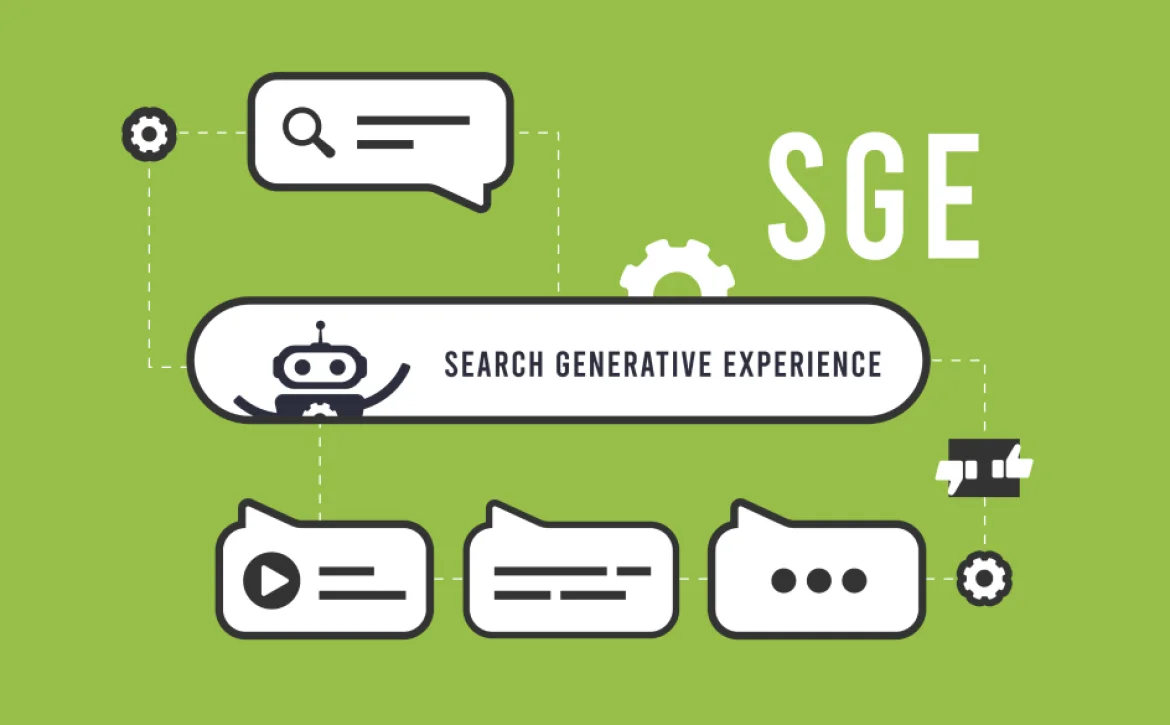
Businesses Can Improve Search Generative Experience Optimization

Search Generative optimization has become a central focus for businesses aiming to enhance their online presence and drive meaningful engagement. As search engines evolve, the emphasis has shifted from simple keyword matching to delivering more dynamic, context-driven, and personalized results. For companies, this means that optimizing content and digital assets for generative search experiences is no longer optional but essential for staying competitive in increasingly crowded markets.

Implementing effective Search Generative Experience optimization strategies requires a deep understanding of both user intent and AI-driven search mechanisms. Businesses need to create content that not only addresses search queries but also anticipates related questions, providing value in a seamless, coherent manner. This approach helps brands stand out in search results, increases click-through rates, and encourages longer user engagement.

Another critical aspect involves structuring digital content in ways that AI search engines can easily interpret. This includes using clear headings, descriptive metadata, and well-organized information that supports natural language processing. Companies that invest in these strategies often see measurable improvements in organic traffic and online visibility. By prioritizing search generative optimization, businesses are not only enhancing discoverability but also building trust with users who rely on search engines for accurate and relevant information.

Understanding Search Generative Experience Optimization

Search generative optimization is the process of refining content and digital interfaces to work effectively with AI-driven search engines. Unlike traditional SEO, which focuses on keywords and backlinks, this form of optimization emphasizes context, intent, and user experience. The goal is to ensure that when a user submits a query, the system generates the most relevant and comprehensive answers while maintaining a natural flow.

At its core, this optimization method leverages structured data, semantic analysis, and natural language understanding. By integrating these elements, businesses can improve how search engines interpret their content, ensuring that AI-generated results are accurate and contextually appropriate. Companies that embrace this approach often outperform competitors in visibility and engagement metrics, demonstrating the growing importance of search generative optimization in digital marketing strategies.

Generative Engine Optimization strategies are about designing content so AI-driven search and answer systems can clearly understand intent, context, and relevance, helping pages appear more accurately in generated responses rather than only relying on classic ranking signals.

Key Techniques for Effective Optimization

One of the most effective techniques for search generative optimization is creating content clusters. By grouping related topics and supporting articles, businesses can provide a more comprehensive perspective on user queries. This not only increases the likelihood of appearing in AI-driven search results but also enhances the user’s experience by offering a cohesive information structure.

Another critical technique involves leveraging long-tail queries and natural language phrases. As generative search engines prioritize understanding user intent, content that mirrors conversational language often performs better. Incorporating relevant questions, actionable tips, and informative examples ensures that the content aligns with the way users interact with AI search tools. Additionally, implementing structured data and schema markup helps search engines interpret the content more accurately, increasing the chances of appearing in featured snippets or answer boxes.

A generative engine optimization PDF is commonly used as a structured learning resource that explains concepts, workflows, and examples in a downloadable format, making it easier to share knowledge or study optimization methods offline.

Content Strategies That Enhance Search Results

Creating high-quality, authoritative content is essential for successful Search Generative optimization. This includes not only informative blog posts but also FAQs, tutorials, and guides that anticipate user needs. By addressing multiple aspects of a topic within a single content framework, businesses can increase the relevance and richness of their search results.

Integrating multimedia elements such as videos or interactive tools further strengthens content value. AI-driven search engines increasingly favor content that provides immersive experiences and keeps users engaged for longer durations. For example, a tutorial video explaining a complex topic can complement textual explanations, increasing the likelihood of higher ranking and visibility in generative search results.

Generative engine optimization companies typically work on improving how brands and publishers are represented inside AI-generated answers, focusing on content structure, topical authority, and clarity instead of just keyword density.

“If you cannot explain it simply, you do not understand it well enough.” – Albert Einstein

Monitoring analytics and search performance is another important strategy. By evaluating which types of content generate the best engagement and conversion rates, companies can refine their Search generative experience optimization approach. This data-driven methodology ensures that resources are allocated effectively, and content is continually improved based on measurable outcomes.

Future Trends in Generative Search Optimization

The future of Search generative optimization will increasingly depend on AI advancements and evolving user behaviors. Businesses should anticipate shifts toward more conversational search interfaces, voice-activated queries, and context-aware recommendations. Staying ahead of these trends requires continuous learning, adaptation, and investment in cutting-edge technologies.

Personalization will become a major driver of generative search success. Users expect results tailored to their preferences, location, and past behavior. Companies that implement personalization strategies alongside Search generative optimization will gain a competitive edge by delivering more relevant content and experiences.

Generative engine optimization arXiv represents research-oriented discussions and papers shared in academic repositories, where scholars explore how generative models retrieve, process, and present information, influencing future optimization practices.

Collaborations between content creators, AI specialists, and marketing teams will also play a pivotal role. Combining expertise ensures that optimization efforts are both technically sound and aligned with user expectations. Organizations that embrace this integrated approach will likely achieve superior engagement, improved search visibility, and stronger brand authority.

However, mastering Search generative experience optimization is critical for businesses seeking long-term success in digital ecosystems. By focusing on user intent, leveraging AI-friendly structures, and creating rich, engaging content, companies can secure better visibility, higher engagement, and more meaningful interactions. As search technologies continue to evolve, those who invest in these strategies now will be better positioned to thrive in an increasingly complex and competitive online environment.

Read More

Revolutionize Your SEO Approach with an AI-first SEO Strategy

Search engine optimization is evolving faster than ever, and the rise of artificial intelligence is transforming how digital marketers approach search visibility. Traditional SEO methods focused solely on keywords, backlinks, and technical adjustments are no longer sufficient to maintain a competitive edge. In today’s landscape, an AI-first SEO strategy allows businesses and content creators to leverage advanced algorithms, predictive insights, and automated tools to optimize content in a way that aligns with both user intent and search engine expectations.

The integration of AI and SEO has opened up new possibilities for personalization, efficiency, and predictive ranking strategies. By combining large language models, generative AI search engine optimization techniques, and prompt engineering, marketers can create content that is not only optimized for keywords but also crafted to meet evolving search behaviors. These tools enable the identification of high-value opportunities, optimize on-page structure, and even predict how algorithms may interpret content before publication.

Adopting an AI SEO strategy is more than a technological shift; it is a mindset change. As one digital strategist aptly stated, “AI doesn’t replace creativity; it amplifies it, turning insights into action faster than ever before.” By embracing AI-driven insights, marketers can revolutionize their SEO approach, deliver higher-quality experiences to users, and maintain relevance in an increasingly competitive search landscape.

AI-first SEO Strategy: Understanding AI and SEO

Integrating AI and SEO is about using intelligent systems to streamline and enhance search engine optimization practices. Artificial intelligence can analyze massive datasets, recognize patterns, and generate actionable recommendations that go beyond human capability. This includes keyword research, content gap analysis, competitor insights, and trend forecasting. By combining these capabilities with SEO fundamentals, marketers can make more informed decisions and prioritize high-impact actions that improve visibility and engagement.

AI tools can also automate repetitive tasks, freeing up time to focus on strategy, creativity, and higher-level content planning. For example, content audits, meta tag optimization, and performance monitoring can be partially automated while ensuring consistency and accuracy.

Generative AI Search Engine Optimization

Generative AI search engine optimization is one of the most transformative applications in modern digital marketing. By leveraging generative AI, marketers can produce optimized content quickly and at scale without sacrificing quality. AI models can generate article drafts, suggest topic expansions, create meta descriptions, and even simulate search engine behavior to identify how content may perform.

This approach also enables semantic optimization, ensuring that content answers user intent comprehensively rather than simply targeting specific keywords. Generative AI tools can suggest internal linking structures, related queries, and content clusters that align with current search trends. Over time, this reduces manual effort while enhancing the relevance and authority of a website’s content.

LLM SEO Meaning and Its Impact

LLM SEO meaning refers to the use of large language models (LLMs) in optimizing content for search engines. LLMs, such as those built on transformer architectures, understand natural language patterns, context, and user intent at a level that was previously unattainable. By incorporating LLMs into SEO workflows, marketers can refine content to match how search engines interpret queries, ensuring more accurate and contextually relevant results.

This integration also allows for advanced topic modeling and semantic analysis. Content generated or optimized with LLMs can address multiple aspects of a query, improving the likelihood of ranking for related keywords and increasing overall content authority. LLM-driven SEO is particularly effective in creating content that appeals to voice search, long-tail queries, and conversational search patterns.

Prompt Engineering for SEO

Prompt engineering for SEO is the process of crafting precise inputs for AI tools to generate targeted, high-quality outputs. The quality of the prompts directly affects the relevance, accuracy, and usefulness of AI-generated content. Effective prompt engineering can guide AI to create content that aligns with search engine algorithms, incorporates natural language variations, and addresses user intent fully.

For example, marketers can design prompts to instruct AI to create blog posts, FAQs, or product descriptions with specific keyword integration, readability standards, and tone. This allows for a controlled yet creative approach to content generation, improving both efficiency and consistency. By mastering prompt engineering, marketers can ensure that AI-generated content not only ranks well but also delivers real value to readers.

Benefits of an AI-first SEO Strategy

Adopting an AI SEO strategy offers several tangible benefits:

  1. Efficiency: Automation of repetitive SEO tasks saves time and reduces human error.
  2. Data-Driven Decisions: AI analyzes vast datasets, identifying trends and opportunities that may be invisible to human marketers.
  3. Enhanced Personalization: AI can tailor content recommendations based on user behavior, improving engagement metrics.
  4. Scalability: Generative AI enables rapid content production while maintaining quality standards.
  5. Predictive Insights: AI models can forecast how changes in content or strategy may affect rankings, allowing proactive optimization.

By combining these advantages, marketers can outperform competitors who rely solely on traditional SEO techniques, creating a more agile and future-ready digital strategy.

Challenges to Consider

While AI-first SEO strategies offer immense potential, they are not without challenges. Overreliance on AI-generated content can risk losing authenticity, creativity, or brand voice. There is also a need for ongoing evaluation to ensure that AI outputs remain aligned with search engine guidelines and user expectations. Additionally, prompt engineering requires skill and experimentation to achieve the best results.

Ethical considerations, including transparency and bias mitigation, must also be part of an AI-driven SEO strategy. Balancing automation with human oversight ensures that content remains credible, engaging, and aligned with brand values.

Future of SEO with AI

The future of SEO is inseparable from AI advancements. As search engines increasingly incorporate machine learning and natural language processing, an AI-first approach will become essential for maintaining visibility and relevance. Marketers who integrate generative AI search engine optimization, leverage LLM SEO capabilities, and master prompt engineering for SEO will be well-positioned to dominate search landscapes.

AI will continue to shift SEO from a task-focused activity to a strategic discipline, emphasizing understanding user intent, predicting trends, and delivering meaningful experiences at scale.

In the end, adopting an AI-first SEO strategy involves using technology to enhance creativity and decision-making. By integrating AI with SEO practices, including generative AI and understanding LLM SEO, marketers can optimize content more effectively. This approach allows teams to predict user behavior and improve content quality, maintaining relevance in a changing search landscape. Early adopters will achieve better rankings and create meaningful experiences for their audiences, leading to long-term success.

Read More

How to Scale SEO Services as an Agency Without Losing Quality

Growing an SEO agency involves more than taking on additional clients. Agencies that expand too quickly often struggle to maintain quality, leading to client dissatisfaction and poor performance. Understanding how to scale SEO services as an agency is essential for balancing growth with efficiency. Scaling requires strategic planning, systematized processes, and smart resource allocation to meet increasing demand without compromising results.

The first step to scaling is analyzing the agency’s current capabilities. Agencies must identify which services are most profitable, which processes are repetitive, and which areas require specialized expertise. Standardizing workflows, from keyword research and content creation to link building and reporting, ensures consistent results across clients. Documenting procedures and creating templates reduces errors, saves time, and allows team members to focus on high-value strategic work. Automation also plays a crucial role, enabling agencies to handle multiple campaigns efficiently without adding unnecessary staff. How to scale SEO services as an agency starts with designing a repeatable system that ensures scalability while maintaining high performance.

Service packaging is another key factor in scaling. Agencies can develop tiered SEO packages, retainers, or specialized modules for different client needs. Standardized services make onboarding easier, help set clear client expectations, and allow teams to plan resources effectively. Agencies that carefully design service offerings can predict revenue and ensure consistent delivery, which is essential for sustainable growth.

Team structure is critical when scaling. Agencies must hire the right mix of experts, train junior staff, and develop flexible roles to handle increasing workloads. Freelancers and contractors can provide support for specialized tasks like technical audits, content production, or outreach campaigns. Clear communication channels and project management systems keep everyone aligned, ensuring clients receive timely, high-quality work.

Core Strategies for How to Scale SEO Services as an Agency

Implementing structured processes is vital to scaling effectively. Creating standard operating procedures for research, content planning, link building, and reporting ensures that work is completed consistently across all clients. Templates for proposals, campaigns, and performance reports streamline operations and maintain a professional standard.

Automation should be leveraged wherever possible. Tools for keyword tracking, site audits, and automated reporting allow teams to focus on strategic initiatives rather than repetitive tasks. Dashboards for clients improve transparency and satisfaction while freeing staff to optimize campaigns. Agencies that understand how to scale SEO services combine automation with streamlined workflows to increase output without overloading the team.

Expanding service offerings strategically is also crucial. Agencies should focus on scalable, repeatable services that can deliver measurable results consistently. On-page optimization, local SEO, and content packages are often easier to standardize than bespoke campaigns. Creating clear, modular offerings allows for predictable revenue streams and ensures that teams can manage workloads effectively. The question Is link building still relevant to SEO continues to surface because backlinks remain a strong ranking signal.

FAQs:

How to Scale an SEO Agency?
Scaling an SEO agency starts with building repeatable systems and processes. Standardizing audits, reporting, onboarding, and delivery allows you to handle more clients without sacrificing quality. Hiring skilled team members, delegating tasks, and focusing on high-value services also help achieve sustainable growth while maintaining strong client relationships.

What Is the 80/20 Rule in SEO?
The 80/20 rule in SEO means that 80 percent of results usually come from 20 percent of efforts. In practice, a small group of pages, keywords, or backlinks often drives most of the traffic and conversions. Identifying and prioritizing these high-impact areas helps maximize efficiency and results.

What Are the 3 C’s of SEO?
The 3 C’s of SEO are Content, Code, and Credibility. Content focuses on relevance and value, code ensures proper technical structure and crawlability, and credibility is built through authority signals such as quality backlinks and mentions. Together, they form a strong SEO foundation.

How Much Should I Charge for SEO Services?
SEO pricing depends on factors such as project scope, competition level, client goals, and expertise required. Charges may range from monthly retainers to one-time project fees. A fair price reflects the time invested, the value delivered, and the long-term impact SEO can have on a client’s business growth.

Building a Team That Supports Growth

Team development is one of the most important aspects of scaling. Clear role definitions and specialized skill sets ensure tasks are handled efficiently and accurately. Cross-training team members increases flexibility, allowing staff to cover multiple functions when necessary. Freelancers or contractors can be brought in to supplement in-house staff during peak periods or for niche expertise.

Training programs and mentorship are essential for growing internal talent. Junior team members can be developed into senior roles, providing long-term scalability without constantly hiring new staff. Effective project management tools keep the team organized and ensure deadlines are met consistently. Agencies that master how to scale SEO services as an agency recognize that growth depends on both the quality of processes and the capability of their teams.

Regular performance evaluations help identify gaps in skills or workflow inefficiencies. This ensures teams are continuously improving and adapting to new client demands. By focusing on both recruitment and internal development, agencies create a strong, scalable workforce capable of handling growing client portfolios. Conversations under Link building Reddit often emphasize avoiding spam tactics and focusing on value-driven approaches.

Leveraging Technology for Efficient Scaling

Technology is essential for managing growth in SEO agencies. Automation tools for keyword research, technical audits, content management, and reporting save time and reduce manual errors. Workflow automation platforms help standardize campaign execution, ensuring consistency across multiple projects. Discussions around Seo checklist Reddit often highlight practical steps such as on-page optimization, technical audits, content quality checks, and backlink analysis. 

Content management systems and CRM tools improve collaboration and client communication. Real-time dashboards allow clients to track campaign performance, increasing transparency and trust. Advanced tools, such as AI-based content optimization and automated link-building systems, help agencies manage more clients effectively without proportional increases in staff. Understanding how to scale SEO services as an agency requires identifying tasks that can be automated and focusing human effort on high-value activities that drive results.

Continuous Monitoring and Process Optimization

Sustainable growth depends on continuous monitoring and optimization. Agencies should track key performance indicators such as client retention, organic traffic growth, keyword ranking improvements, and ROI. Regular workflow audits identify inefficiencies and opportunities for improvement, allowing agencies to refine processes before they become bottlenecks.

Client feedback is critical for scaling. Understanding satisfaction levels, expectations, and areas of improvement allows agencies to adjust processes and improve service delivery. Quarterly reviews, analytics reports, and strategy sessions ensure that operations remain aligned with both client needs and growth objectives. How to scale SEO services is not a one-time effort but a continuous process of refining workflows, training teams, and optimizing technology to maintain high-quality output while expanding.

Infrastructure is also a factor in scalability. Reliable hosting, database optimization, and server performance impact the ability to manage multiple client campaigns efficiently. Performance monitoring tools ensure websites deliver consistent results, which supports agency reputation and client satisfaction. By combining structured processes, team development, technology, and continuous monitoring, agencies can scale sustainably and efficiently. Link building in 2025 focuses more on quality, relevance, and natural acquisition rather than volume.

However, scaling an SEO agency requires a strategic combination of process standardization, team development, technology adoption, and ongoing optimization. How to scale SEO services as an agency involves creating repeatable workflows, leveraging automation, expanding service offerings strategically, and building a capable team to handle increased client demand. Agencies that implement these practices can grow sustainably, maintain consistent results, improve client satisfaction, and achieve long-term success in the competitive digital landscape.

Read More

User Experience (UX) & SEO Integration: Driving Better Engagement

In the modern digital landscape, simply ranking high in search results is not enough to ensure business success. Websites must also provide an enjoyable and seamless experience for visitors. User Experience (UX) & SEO Integration is key to achieving this balance. By focusing on both the usability of a website and its discoverability, businesses can attract the right audience while keeping them engaged.

User experience encompasses all aspects of how users interact with a website, including page load speed, navigation, content clarity, and visual design. A site that is difficult to navigate or slow to load can frustrate visitors and increase bounce rates. At the same time, search engine optimization ensures that a website appears prominently for relevant queries, making it discoverable to the target audience. Combining UX and SEO strategies creates websites that are not only easy to use but also rank well in search results.

The benefits of integrating UX and SEO extend beyond improved rankings. When users find a website intuitive and responsive, they are more likely to spend time exploring its pages, share content, and return in the future. Search engines interpret these behaviors as signals of quality, which further boosts visibility. User Experience (UX) and SEO Integration have become vital strategies for businesses aiming to grow sustainably in an increasingly competitive digital environment.

Understanding User Experience (UX) & SEO Integration

User Experience (UX) & SEO Integration involves designing websites that are optimized for both visitors and search engines. UX focuses on accessibility, navigation, content clarity, and overall satisfaction, while SEO ensures pages are indexed properly, optimized for relevant keywords, and structured for visibility.

Effective integration begins with website architecture. Clear menus, intuitive page hierarchies, and internal linking improve navigation while helping search engines crawl and understand the site. Mobile optimization is also essential, as responsive design enhances UX while satisfying Google’s mobile-first indexing requirements. 

Content strategies, including clear headings, concise paragraphs, and relevant keyword usage, reinforce SEO without compromising usability. User Experience (UX) and SEO Integration ensure that a website is both functional and discoverable, creating a strong foundation for higher engagement and better rankings. 

Enrolling in a User Experience and SEO Integration Course can help you understand how to align website design with search engine optimization. Learning these strategies ensures your site is both user-friendly and optimized for better rankings.

FAQs:

How Does User Experience UX Impact SEO?
Because search engines favor websites with easy navigation, quick loading times, and pertinent information, user experience (UX) has a direct impact on SEO. A good user experience (UX) keeps users interested, lowers bounce rates, and tells search engines that your website is reliable and important.

What Is the 80/20 Rule in SEO?
According to the Pareto Principle, popularly known as the 80/20 rule in SEO, 20% of your efforts typically provide 80% of your outcomes. This means that rather than distributing effort equally across all pages, concentrating on high-performing pages, important keywords, and authoritative backlinks can have the greatest impact.

What Is UX and SEO?
The combination of search engine optimization and user experience is referred to as UX and SEO. SEO makes sure your website appears high in search results, while UX makes sure users can easily navigate and interact with your website. Combining the two enhances site visibility and gives users a smooth experience.

How Does SEO Improve User Experience?
Through efficient content organization, page speed optimization, the use of clear headings, and mobile friendliness, SEO enhances user experience. Users can locate answers more easily with the use of pertinent information and well-placed keywords, resulting in a seamless, interesting, and worthwhile experience.

Practical Techniques for Combining UX and SEO

Integrating UX and SEO requires attention to both technical and content-focused elements. Fast page load speeds are essential for retaining visitors and improving rankings. Image optimization, code minification, and browser caching are practical techniques that enhance performance while supporting SEO.

Navigation and layout also affect both UX and SEO. Using descriptive menus, clear calls to action, and structured content allows users to find information easily while helping search engines understand content relevance. Implementing schema markup and optimized metadata improves search visibility without affecting usability. Knowing the SEO Full Form, Search Engine Optimization, helps clarify that it involves optimizing websites to rank higher in search results, attract more traffic, and improve overall visibility online.

Internal linking strategies guide visitors through content logically, increasing engagement and helping distribute authority across pages. By applying these techniques, businesses achieve effective User Experience (UX) & SEO Integration, ensuring their website meets the needs of both visitors and search engines.

Measuring User Behavior for SEO Insights

User metrics provide valuable insights into the effectiveness of UX and SEO strategies. Metrics such as bounce rate, session duration, pages per session, and click-through rates indicate how visitors interact with a website. High engagement and low bounce rates signal to search engines that the site delivers value, which can positively impact rankings.

Monitoring mobile interactions is equally important. Mobile-friendly design, touch-friendly navigation, and fast mobile load times enhance the user experience and influence SEO performance. Tools like heatmaps, session recordings, and analytics dashboards help identify areas for improvement. 

Tracking these insights allows marketers to make informed decisions that strengthen User Experience (UX) & SEO Integration, ensuring long-term engagement and visibility. Understanding SEO Meaning in Business highlights its role in driving website traffic, generating leads, and enhancing brand visibility. Businesses that implement SEO effectively gain a competitive advantage in digital marketing.

Advanced Strategies for Continuous UX and SEO Optimization

Maintaining effective UX and SEO integration requires ongoing optimization. Regular audits of page performance, content structure, and technical elements ensure that the website remains fast, usable, and optimized for search engines. Progressive web apps, lazy loading, and content delivery networks improve performance, while structured data enhances visibility in search results.

Long-term strategies include personalization, dynamic content, and interactive features that increase engagement. Building relationships with users through surveys, feedback, and usability testing ensures continuous improvements that align with visitor needs. A practical Search Engine Optimization Example is optimizing a blog post with relevant keywords, meta descriptions, headings, and internal links to rank higher in search results. This demonstrates how SEO directly improves discoverability and user engagement.

By combining these practices, businesses create websites that consistently perform well in search engines while delivering an exceptional user experience. User Experience (UX) & SEO Integration is therefore not a one-time effort but a continuous process that drives engagement, conversions, and long-term success.

However, integrating user experience with SEO is essential for creating websites that are both discoverable and user-friendly. User Experience (UX) and SEO Integration improve navigation, page speed, mobile usability, and content accessibility while enhancing search engine visibility. By prioritizing both user satisfaction and optimization strategies, businesses can achieve higher engagement, better rankings, and sustainable growth. This holistic approach ensures websites deliver value to both visitors and search engines, securing long-term digital success.

Tags

User experience and seo integration course

SEO full form

SEO meaning in business

Search engine optimization example 

Read More