

Measuring SEO Success: KPIs & Reporting Tools for Good Decisions
Search engine optimization is no longer judged by rankings alone. Modern digital strategies demand clear evidence of performance, accountability, and growth. Measuring SEO Success: KPIs & Reporting Tools plays a critical role in helping businesses understand whether their efforts are delivering real value. Without proper measurement, even well-executed SEO campaigns can feel uncertain, making it difficult for stakeholders to justify budgets or refine strategies.
SEO success is closely tied to business objectives. Some organizations aim to increase brand visibility, while others focus on lead generation, sales, or audience engagement. Measuring performance requires aligning SEO metrics with these goals so results can be evaluated in a meaningful way. This is where key performance indicators and structured reporting tools become essential. They transform raw data into insights that guide decision-making and long-term planning.
Another challenge businesses face is the complexity of SEO data. Traffic numbers, rankings, backlinks, engagement metrics, and conversions can quickly become overwhelming. When data is not organized or interpreted correctly, it leads to confusion rather than clarity. Reporting tools help simplify this complexity by presenting performance in a structured and understandable format. This allows teams to identify what is working, what needs improvement, and where opportunities exist.
Transparency is another major benefit of proper SEO measurement. Clear reporting builds trust between teams, agencies, and decision makers. When progress is tracked consistently and communicated clearly, SEO becomes a strategic investment rather than a guessing game. Understanding how KPIs connect to real outcomes ensures that optimization efforts remain focused, measurable, and aligned with broader business goals.
Measuring SEO Success: KPIs & Reporting Tools
Measuring SEO Success: KPIs & Reporting Tools starts with identifying the right performance indicators. KPIs act as benchmarks that reflect progress toward specific objectives. Choosing the correct KPIs ensures that SEO performance is evaluated based on impact rather than surface-level metrics.
Organic traffic is one of the most commonly tracked KPIs. It indicates how many users arrive at a website through search engines. However, traffic alone does not define success. Engagement metrics such as time on page, pages per session, and bounce rate help determine whether visitors find the content relevant and valuable. These signals provide insight into content quality and user experience.
Conversion-related KPIs are equally important. These include form submissions, purchases, downloads, or other goal completions driven by organic traffic. Tracking conversions helps businesses understand how SEO contributes to revenue and growth. When conversions are linked to specific pages or keywords, optimization efforts become more targeted and effective.
Keyword visibility and ranking trends also remain relevant. While rankings fluctuate, long-term trends reveal whether SEO strategies are improving search presence. When combined with traffic and conversion data, keyword performance offers a balanced view of progress. Effective measurement focuses on patterns and outcomes rather than isolated metrics. SEO KPI examples help marketers understand how well their optimization efforts are performing.
FAQs:
What KPIs do you track to measure the success of an SEO campaign?
We often look at organic traffic growth, keyword ranking improvements, click-through rates from search results, conversions like leads or sales, and engagement metrics like time on page and bounce rate to monitor the effectiveness of an SEO strategy. In order to comprehend authority and technical health over time, backlink quality and indexation status are also tracked.
How do you measure success in SEO?
Visibility, traffic quality, and business effect are all combined to determine SEO success. Real success is seen when organic traffic rises, users stay on the site longer, and significant actions like signups or sales increase steadily. Higher rankings alone are insufficient. Strong SEO performance is also indicated by long-term consistency and a decreased reliance on sponsored traffic.
What is the 80/20 rule in SEO?
According to the 80/20 rule in SEO, most results are typically produced by a small percentage of efforts. The majority of organic traffic is frequently generated by a small number of high-performing pages, keywords, or backlinks. Finding and enhancing these high-impact areas maximizes outcomes without overstretching resources.
What are the 4 pillars of SEO?
Technical SEO, on-page SEO, off-page SEO, and content are the four pillars of SEO. Technical SEO guarantees the website’s speed, security, and crawlability. Optimizing titles, headers, and relevancy are the main goals of on-page SEO. Through remarks and links, off-page SEO increases trust. Content adds value, responds to user intent, and maintains the website’s competitiveness in search results.
Choosing The Right KPIs For Business Goals
Selecting KPIs should always begin with business objectives. A website focused on lead generation may prioritize conversion rate and cost per lead, while an informational platform may focus on engagement and visibility. Case analysis shows that businesses often misjudge SEO performance by tracking too many metrics without a clear purpose.
Prioritization is essential. Monitoring a small set of meaningful KPIs provides clearer insights than tracking dozens of unrelated data points. This approach helps teams stay focused and avoid unnecessary complexity. When KPIs are aligned with goals, SEO reporting becomes actionable rather than descriptive. SEO KPIs are measurable indicators used to track the effectiveness of an SEO strategy.
Context also matters. Industry competition, market maturity, and audience behavior influence how KPIs should be interpreted. A gradual increase in organic traffic or conversions may represent strong progress in competitive environments. Measuring SEO Success: KPIs & Reporting Tools is most effective when results are evaluated within realistic expectations rather than generic benchmarks.
Consistency in measurement is another key factor. KPIs should be tracked using the same definitions and time frames to ensure accuracy. Regular reviews allow businesses to identify trends, seasonal changes, and long-term growth patterns. Over time, consistent tracking builds confidence in SEO performance and supports strategic adjustments.
Using Reporting Tools To Analyze SEO Performance
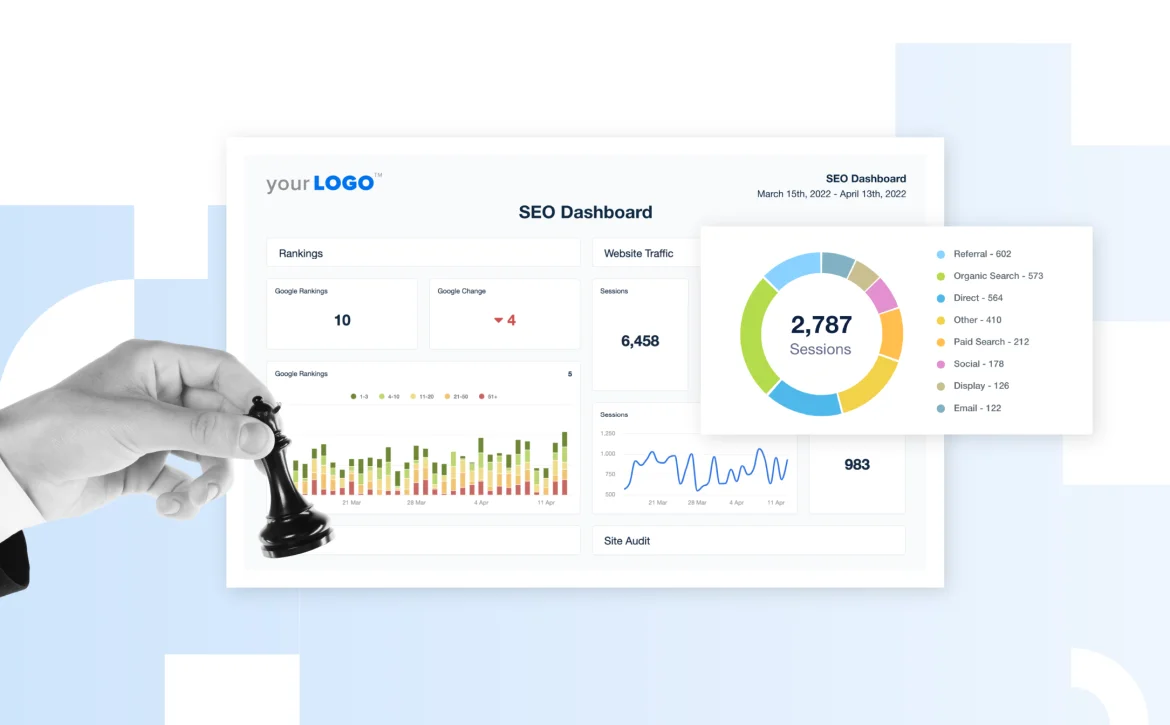
Reporting tools play a central role in transforming SEO data into meaningful insights. These tools collect information from multiple sources and present it in a structured format that is easy to analyze. Dashboards, charts, and automated reports allow teams to monitor performance without manual data processing.
Effective reporting tools support customization. Businesses can tailor reports to focus on specific KPIs, campaigns, or time periods. This flexibility ensures that stakeholders receive relevant information aligned with their objectives. Visual representations of data also improve understanding, making it easier to identify strengths and weaknesses.
Another advantage of reporting tools is efficiency. Automated reporting saves time and reduces the risk of errors. Scheduled reports keep teams informed and ensure accountability. When data is readily available, decisions can be made faster and with greater confidence.
In practice, Measuring SEO Success: KPIs & Reporting Tools relies on combining data accuracy with clear interpretation. Tools alone do not create value unless insights are applied strategically. Teams that regularly analyze reports and adjust tactics based on findings achieve more consistent and sustainable SEO results. An SEO KPI report brings all key metrics together in a clear and structured format.
Best Practices For SEO Measurement And Reporting
Successful SEO measurement depends on structure and discipline. Establishing a regular reporting schedule ensures that performance is reviewed consistently. Monthly or quarterly reports allow teams to evaluate progress without reacting to short-term fluctuations.
Clear communication is equally important. Reports should explain what the data means, not just present numbers. Highlighting key wins, challenges, and next steps helps stakeholders understand the value of SEO efforts. This approach turns reporting into a strategic discussion rather than a technical summary.
Continuous improvement is another best practice. SEO measurement should inform optimization decisions, content updates, and technical enhancements. When KPIs indicate declining performance, timely adjustments prevent long-term issues. When metrics show growth, successful tactics can be scaled further.
Different types of keywords in SEO include informational keywords used for learning, navigational keywords used to find specific pages, transactional keywords focused on buying or converting, and commercial investigation keywords used for comparison and decision-making.
Future Outlook For Measuring SEO Success
As digital ecosystems evolve, SEO measurement is becoming more sophisticated. Search engines increasingly prioritize user experience, relevance, and trust. As a result, KPIs related to engagement and satisfaction are gaining importance alongside traditional metrics.
Advanced analytics and predictive insights are shaping the future of reporting. These developments allow businesses to anticipate trends rather than react to changes. Measuring SEO Success: KPIs & Reporting Tools will continue to evolve toward deeper analysis and strategic foresight.
Ultimately, effective SEO measurement is about clarity and alignment. When KPIs reflect real business goals and reporting tools provide actionable insights, SEO becomes a measurable growth driver. Organizations that invest in structured measurement gain better control, stronger performance, and long-term confidence in their optimization strategies.