
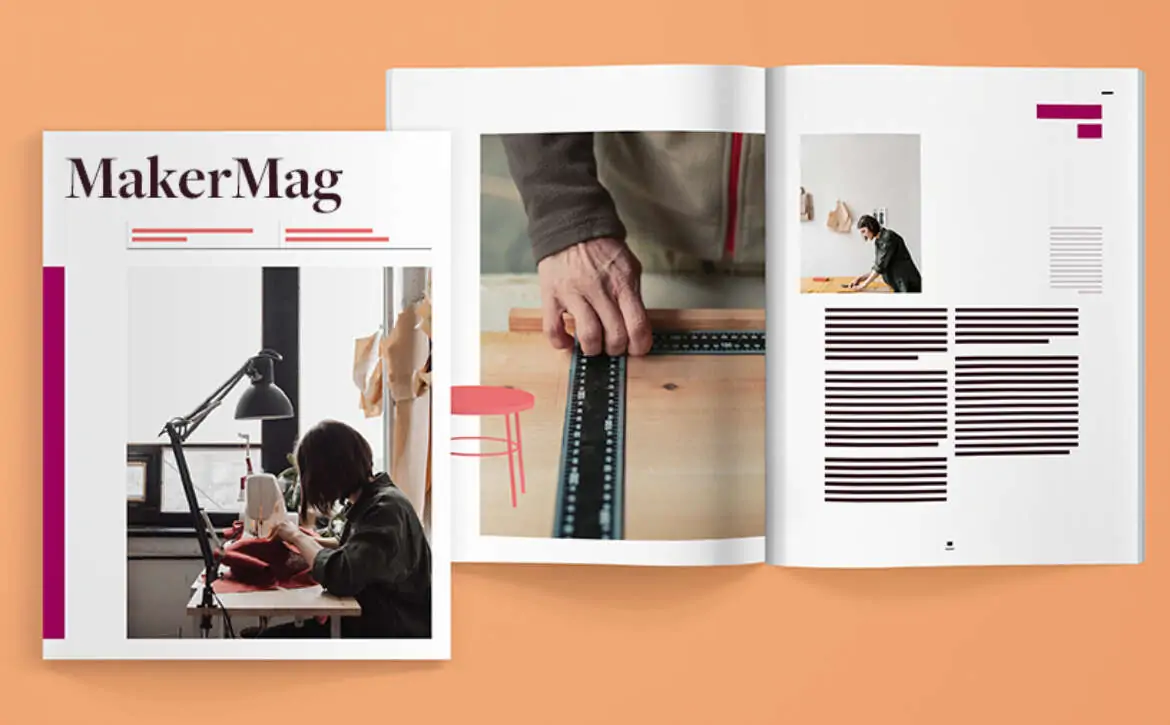
A Deep Dive into Tradition and Innovation of Print Design Trends

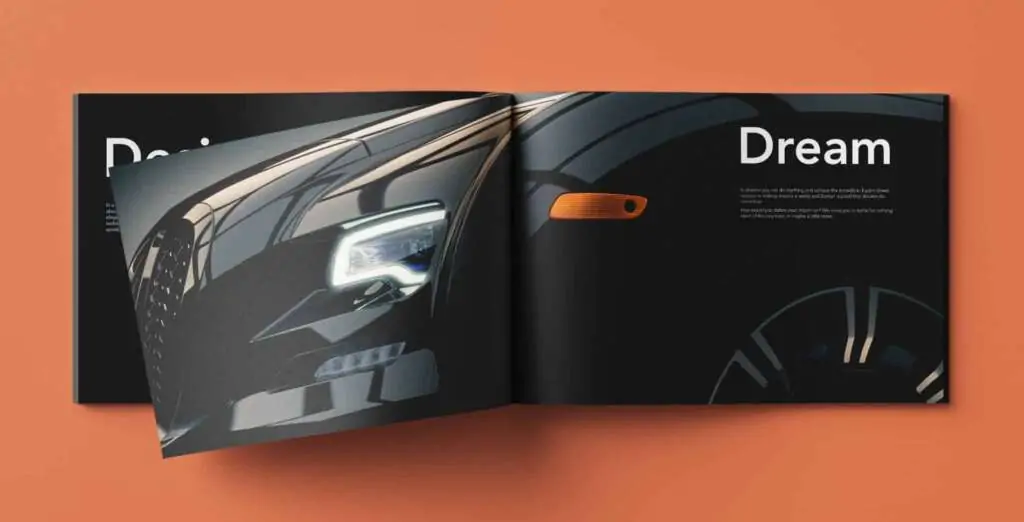
As we step into the unfolding chapters of 2024, the world of print design is undergoing a metamorphosis, blending time-honored traditions with cutting-edge innovations. This year promises a diverse and dynamic tapestry of trends, each weaving a unique story in the realm of visual aesthetics. Join us on a detailed exploration of the intricate threads that shape the landscape of typographic design in this era of creative resurgence.

Embracing Sustainable Elegance:

The echoes of environmental consciousness resonate through the typography art design landscape in 2024. Designers are increasingly incorporating sustainable practices, opting for eco-friendly materials, recycled paper, and plant-based inks. This trend not only showcases a commitment to the planet but also challenges designers to find innovative ways to marry sustainability with visual allure.

“ Print design is like calligraphy. It’s the art of taking words and visuals and arranging them in a way that tells a story, evokes emotions, and leaves a mark. It’s about precision, intentionality, and creating something tangible that connects with people on a deeper level. ”

– Paula Scher, renowned graphic designer

Maximalism Redux: A Bold Visual Symphony:

In a departure from the reign of minimalism, 2024 witnesses the triumphant return of maximalism in printed designs. Bold colors, intricate patterns, and lavish details are taking center stage, offering a visual feast that commands attention. Designers are reveling in the freedom to be extravagant, creating pieces that defy subtlety and embrace the grandeur of a maximalist aesthetic.

Nostalgia Reloaded: Vintage and Retro Aesthetics:

The allure of the past continues to captivate designers as vintage and retro aesthetics experience a renaissance. From typography reminiscent of mid-century design to color palettes inspired by bygone eras, print materials are becoming vessels of nostalgia infused with a contemporary twist. This trend pays homage to the classics while reinventing them for a modern audience.

Augmented Reality: The Dance of Print and Digital Realms:

Breaking barriers between print and digital, designers are seamlessly integrating augmented reality (AR) into printed materials. QR codes and AR markers transform static visuals into interactive experiences, adding a layer of digital dynamism to traditional print. This trend creates a harmonious convergence, inviting audiences to engage with print on a whole new level.

Technological Marvels: Advancements in Printing Techniques:

The canvas of print layout expands with the advent of cutting-edge printing technologies. Holographic foiling, embossing, textured finishes, and even 3D printing redefine the possibilities for designers. These innovative techniques breathe life into printed materials, offering not just visual appeal but a tactile and immersive experience.

Typography as a Visual Odyssey:

Typography transcends its conventional role as a conveyor of information to become a visual spectacle in its own right. Designers are pushing the boundaries, experimenting with scale, color, and arrangement to transform text into a visual focal point. Custom fonts and expressive lettering inject personality and distinctiveness into printed materials.

The Artistry of Visual Storytelling:

In a world where images speak volumes, print designers are elevating visual storytelling to an art form. Artistic photography and hand-drawn illustrations take center stage, conveying narratives that resonate emotionally. From surreal dreamscapes to evocative illustrations, each print becomes a canvas for immersive storytelling.

Geometric Abstraction: The Rise of Patterns:

Geometric and abstract patterns emerge as powerful design elements, adding modernity and visual impact. From bold and chaotic to subtle and orderly, designers are incorporating patterns to create visually arresting printed materials. These patterns inject complexity and interest, transcending the ordinary.

Personalization through Data Magic:

Print layout art will become more personal than ever, thanks to variable data printing. Harnessing the power of data, designers craft customized content tailored to individual preferences. This trend not only enhances user experience but also showcases the potential of print in an era driven by data and personalization.

“ Don’t see print and digital as separate entities. Think of them as complementary tools in your design toolbox, each with unique strengths and applications. ”

  • Debbie Millman, Design Strategist & Author,

Cultural Diversity and Inclusivity: A Tapestry of Voices:

Print designers are embracing the richness of cultural diversity and promoting inclusivity in their creations. Printed materials become a canvas to celebrate diverse voices, perspectives, and narratives. This trend reflects a commitment to fostering a sense of belonging and echoing the cultural mosaic of our global society.

The print design landscape of 2024 is a nuanced and vibrant journey through traditions and innovations. From sustainable elegance to the resurgence of maximalism, designers are at the forefront of a creative renaissance, shaping a visually compelling and meaningful future for the world of print. As the year unfolds, each print becomes a chapter in this intricate story, inviting audiences to immerse themselves in a sensory feast that transcends the boundaries of time and technology.
Read More

Kickstart Your Entrepreneurial Journey with a Web Design Company

In the dynamic landscape of digital entrepreneurship, the decision to launch your own web design company marks an exciting and challenging endeavor. As you gear up to transform your passion for design into a thriving business, this comprehensive guide navigates the practical steps and strategic decisions needed to set up a successful digital design business.

Defining Your Vision: Crafting Services and Niche

Before delving into the logistics, clarify your vision. What services will your company offer? From website design and development to SEO and e-commerce solutions, defining your niche and services sets the foundation for your business identity. Consider specializing in a particular industry or target market to carve out your unique space in the competitive landscape.

“Starting a web design company is considerably more than just coding; it’s about developing relationships and understanding the needs of your clients. Passion and empathy are crucial components of success.”

– Maria Garcia, Founder of “Pixel & Purpose”

Understanding the Market: Conducting Informed Research

In the digital arena, knowledge is power. Conduct thorough market research to understand the demand for web design services in your target market. Analyze competitors, identify market gaps, and pinpoint opportunities for differentiation. This informed approach lays the groundwork for a strategic business plan.

Blueprint for Success: Crafting a Detailed Business Plan

Define your mission, vision, target market, services, pricing strategy, and marketing plan. Financial projections provide a realistic view of your business’s potential and attract potential investors or lenders. This blueprint becomes your guiding document, ensuring every decision aligns with your overarching goals.

Legal Foundations: Structuring and Registering Your Business

Choose a legal structure for your company, whether it’s a sole proprietorship, partnership, LLC, or another entity. Register your business with the necessary government authorities and obtain the required licenses. Ensuring legal compliance from the start sets the stage for a secure and sustainable venture.

Branding Excellence: Creating Identity and Presence

Your brand is more than a logo; it’s the essence of your business. Choose a memorable company name, design a distinctive logo, and craft a compelling tagline. Invest in a professional website that showcases your design prowess. Business cards and promotional materials contribute to a cohesive brand identity, leaving a lasting impression on potential clients.

Workspace Wisdom: Setting Up Your Design Hub

Whether physical or virtual, your workspace is the heart of your operations. Equip it with the necessary tools and software for web design. Ensure a comfortable and efficient environment that fosters creativity and productivity. A well-organized workspace sets the tone for your professional journey.

Portfolio Power: Showcasing Your Expertise

In the web design world, your portfolio is your calling card. Create a portfolio that highlights your best work, even if it means offering discounted or pro bono services initially. Client testimonials and case studies add credibility and provide potential clients with a glimpse of your capabilities.

Pricing Strategies: Finding the Right Value

Determining your pricing structure involves a careful balance. Consider factors like project complexity, industry standards, and your expertise. Explore packages or retainer services for ongoing client relationships. Your pricing should reflect the value you provide and position your company competitively in the market.

Contracts and Agreements: Building Trust through Transparency

Craft clear and comprehensive contracts for your clients. Contracts protect both parties and establish a foundation of trust. Transparent communication from the outset sets the stage for a successful collaboration.

Marketing Mastery: Promoting Your Design Prowess

Develop a robust marketing strategy to promote your services. Utilize digital marketing, social media, and networking events to connect with potential clients. Consider strategic partnerships with other businesses to expand your reach. Marketing is not just about services; it’s about building relationships and trust.

Investing in Tools and Software: Empowering Your Design Capabilities

Invest in the tools and software that elevate your design capabilities. From graphic design software to project management tools and content management systems, having the right arsenal enhances efficiency and quality. Stay updated on emerging technologies to remain competitive.

Team Building: Growing with Talented Minds

As your business grows, consider hiring additional team members. Skilled designers, developers, and marketing professionals can complement your expertise and contribute to your company’s success. Build a team that shares your vision and values, fostering a collaborative and dynamic work environment.

Financial Foundations: Setting Up Systems for Success

Establish robust financial systems for invoicing, bookkeeping, and expense tracking. Whether through hiring an accountant or using accounting software, maintaining accurate financial records is critical. Financial stability is the backbone of a successful web design company.

Customer-Centric Approach: Delivering Excellence

Exceptional customer service is your secret weapon. Communicate transparently, meet deadlines, and go above and beyond to exceed client expectations. Satisfied clients are not just one-time customers; they are advocates who bring in more business through positive word-of-mouth.

“A well-designed website isn’t just about aesthetics; it’s about understanding your audience and creating a seamless user experience that drives results.”

– Sarah Jones, Founder of “Elevate Design Studio”

Staying Updated and Adapting: Navigating the Evolving Landscape

The web design industry is ever-evolving. Stay updated on design trends, technologies, and industry best practices. Continuous learning and adaptation are key to remaining competitive and delivering cutting-edge solutions to your clients.

As you embark on the journey of launching your web design company, remember that success is not just about pixels and code; it’s about people. The humanized language, the relationships you build, and the trust you cultivate are the true cornerstones of your entrepreneurial venture. In the realm where creativity meets strategy and where every click carries a story, your web design agency has the potential to not only create visually stunning websites but to craft memorable digital experiences that leave a lasting imprint on your clients and their audiences. With dedication, creativity, and a people-centric approach, your design company can become a beacon of excellence in the vast digital landscape.

Read More

Crafting Impactful Connections with The Art of Brochure Design

At the heart of a compelling brochure lies its design—a meticulous blend of artistry and strategy that transforms a piece of paper or a digital canvas into a captivating narrative. From the classic tri-fold pamphlet to the immersive digital brochures of today, the evolution of brochure design mirrors the shifts in consumer preferences, technological advancements, and the ever-expanding array of platforms for information consumption. While the tactile feel of a well-crafted printed brochure still holds a unique charm, the digital realm has ushered in new possibilities, allowing for interactive, multimedia-rich experiences. In this dynamic landscape, designers find themselves navigating a spectrum that spans traditional print design principles and cutting-edge digital innovations.

“A brochure is like a handshake; it’s your first impression. Make it count with impactful visuals, clear messaging, and a call to action that compels readers to engage.”

– Pamela Wilson, Founder and CEO

Key Elements: Weaving a Visual Tapestry

Layout as a Visual Symphony:

The layout of a brochure serves as a visual roadmap, guiding the reader through the content logically and engagingly. Whether it’s the familiar folds of a printed brochure or the scrolling dynamics of a digital version, a well-designed layout creates a harmonious flow that captures attention and maintains interest.

Typography: The Art of Written Expression:

The choice of fonts, their size, and their arrangement contribute to the overall tone and readability of the content. In the world of brochure design, typography is a powerful tool for conveying the brand’s personality, emphasizing key points, and ensuring that the text is both inviting and digestible.

Color Palette: Infusing Vibrancy and Meaning:

Colors evoke emotions and convey messages without words. A carefully curated color palette enhances the visual appeal and reinforces brand identity. Whether it’s the muted elegance of a corporate brochure or the vibrant hues of a creative endeavor, color plays a pivotal role in shaping the audience’s perception.

Strategic Use of Images and Graphics:

Visual elements breathe life into a brochure. Whether it’s high-quality images, custom illustrations, or strategically placed graphics, these elements serve to complement the text, convey information visually, and create a connection with the audience. In the digital realm, interactive elements and multimedia content elevate the user experience, providing a dynamic and engaging narrative.

Brand Elements: Consistency as the Cornerstone:

For businesses and organizations, maintaining brand consistency is paramount. The integration of logos, brand colors, and other visual elements ensures that the brochure aligns seamlessly with the overall brand identity. Consistency fosters recognition and reinforces brand trust.

Content Hierarchy: Guiding the Reader’s Journey:

The art of designing a brochure involves more than aesthetics; it’s about guiding the reader through a thoughtfully curated journey. Establishing a clear content hierarchy ensures that key messages are highlighted, and information is presented in a manner that captures attention and encourages further exploration.

Whitespace: Balancing Simplicity and Information:

Whitespace, often referred to as negative space, is a design element that is as crucial as the content itself. A judicious use of whitespace prevents visual clutter, allows the audience to focus on essential elements, and enhances overall readability. It’s a silent yet powerful force in effective communication.

Paper and Printing Considerations: Elevating the Tangible Experience:

For printed brochures, the choice of paper type, finish, and printing techniques adds a tactile dimension to the design. The feel of a textured paper or the sheen of a glossy finish contributes to the overall sensory experience, making the brochure not just a visual delight but a tangible one.

Digital Brochures: 

In an era where digital experiences shape how we engage with information, digital brochures have emerged as dynamic storytellers. Interactive features, animations, and multimedia content redefine traditional boundaries, offering a more immersive and personalized experience. Scrolling through pages, clicking on embedded links, and watching videos within a digital brochure transform static content into a participatory journey.

 Brochures offer a tangible, interactive experience. Invest in quality and design to complement your digital efforts.”

– David Lee, Creative Director

Dark Mode Elegance:

The rise of dark mode in user interfaces has made its way into brochure design. Not only does it offer a sleek and modern aesthetic, but it also aligns with the preferences of users who appreciate reduced eye strain, especially in low-light environments.

Microinteractions: Delight in the Details:

Microinteractions, those subtle animations or responses to user actions, add a layer of delight to digital brochures. From a gentle fade-in of images to interactive buttons that respond to a hover, these micro-interactions enhance the overall user experience.

Minimalism and White Space Redux:

The minimalist design trend, characterized by clean layouts and ample white space, continues to thrive. This approach not only promotes clarity and simplicity but also aligns with the preference for uncluttered, easy-to-navigate digital experiences.

Three-Dimensional Elements: Adding Depth to Visuals:

The integration of three-dimensional elements, whether it’s through illustrations or product visuals, adds depth and visual interest. These elements provide a sense of realism and contribute to a more engaging and memorable digital experience.

In a world where attention spans are fleeting, and information overload is the norm, the enduring power of a well-crafted brochure design lies in its ability to captivate, inform, and leave a lasting impression. Whether it’s the rustle of paper as pages turn or the scroll of a touchscreen, a thoughtfully designed brochure transcends its physical or digital form to become a vessel for storytelling, a catalyst for connection, and a testament to the artistry and essence of design. Navigating the future of communication acknowledges that the brochure stands as a timeless canvas where tradition meets innovation, and where the language of design continues to speak volumes.

Read More

Unveiling the Art and Science of web design

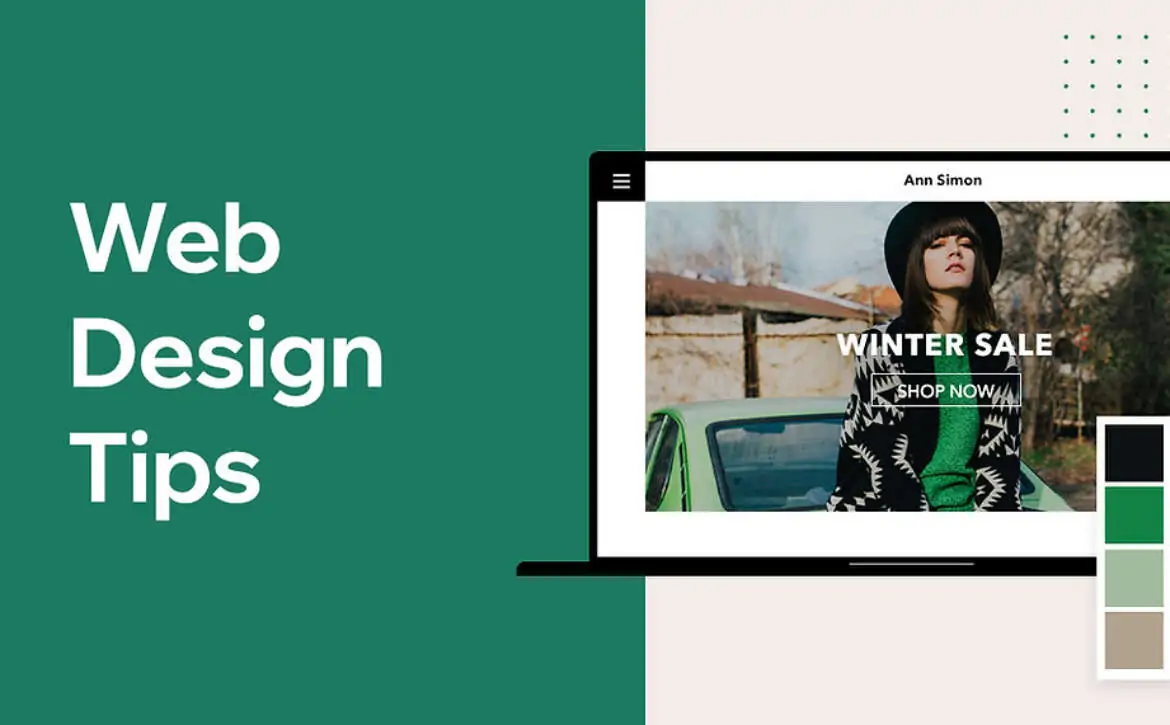
In the vast landscape of the digital world, where billions of websites vie for attention, the role of web design emerges as a defining force. It’s not merely about creating aesthetically pleasing visuals but orchestrating an intricate symphony of elements that culminate in an immersive and seamless user experience. Delving into the art and science of website design, unravel the layers that make it an indispensable aspect of the online landscape.

Understanding the Essence:

At its core, it is the process of conceptualizing and creating the visual and interactive aspects of a website. It involves a holistic approach that goes beyond surface-level aesthetics, encompassing functionality, user experience, and the marriage of form and function. Web designers navigate a nuanced terrain where creativity meets technology, aiming to strike a delicate balance that captivates users while delivering information effectively.


“Creating something visually appealing is not the only goal of web design. It’s about designing an experience that is both functional and enjoyable.”

– Kelly Goto, Chief Design Officer, Netflix.

Layout and Structure:

The layout sets the foundation for a website’s visual hierarchy. It involves organizing elements such as text, images, and interactive features in a way that guides the user’s eye and fosters easy navigation. Intuitive and well-structured layouts contribute to a positive user experience.

Color palette and typography:

The choice of colors and typography plays a crucial role in establishing the website’s personality and brand identity. Consistent use of a well-curated color palette and readable fonts contributes to visual cohesion and user engagement.

Graphics and Multimedia:

Visual elements, including graphics, images, and multimedia content, enhance the visual appeal of a website. Thoughtfully curated visuals not only convey information but also evoke emotions, creating a memorable and immersive experience.

Navigation and User Interface (UI):

Navigation is the roadmap that guides users through the website. A well-designed user interface ensures that interactions are intuitive and seamless. Clear navigation menus, buttons, and interactive elements contribute to user satisfaction.

Responsive Design:

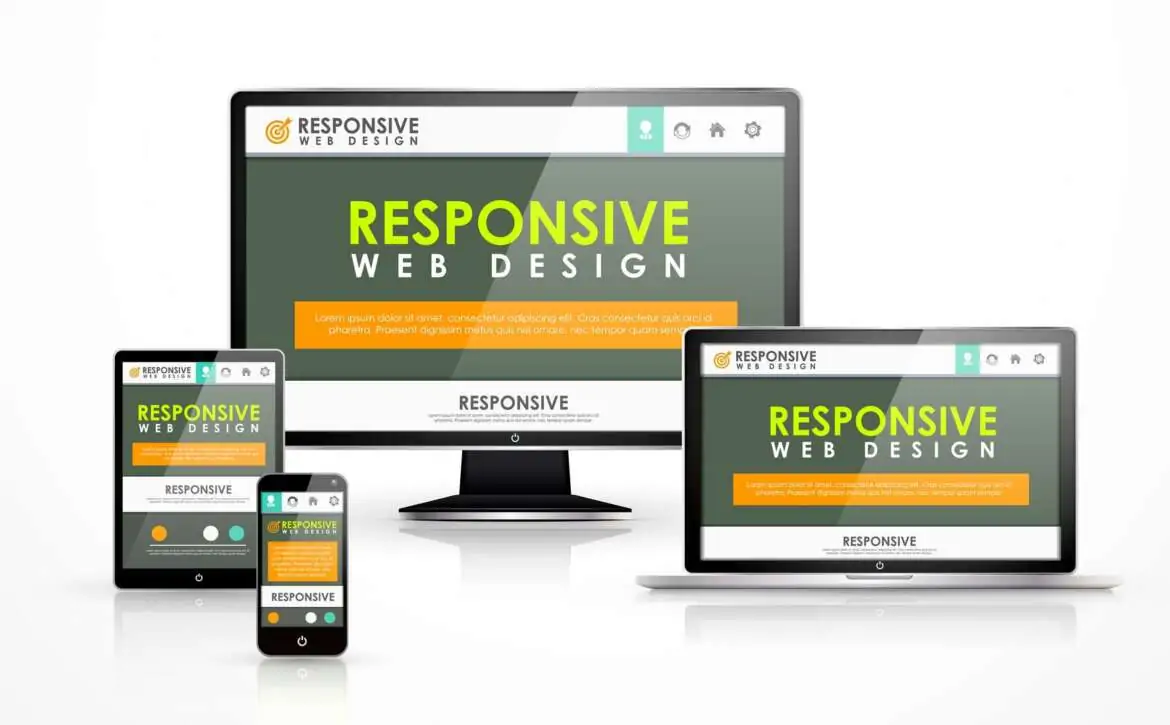
Responsive design is inevitable in this era of diversifying devices. Websites need to adapt to various screen sizes, ensuring a consistent and user-friendly experience across desktops, tablets, and smartphones.

Content Strategy:

Content is the backbone of a website. A robust content strategy involves creating compelling and relevant text, images, and multimedia that not only inform but also engage and resonate with the target audience.

The Artistic Flourish:

Visual Aesthetics:

web design is, undeniably, a form of visual art. The strategic use of colors, imagery, and layout contributes to the overall aesthetic appeal.

Brand Expression:

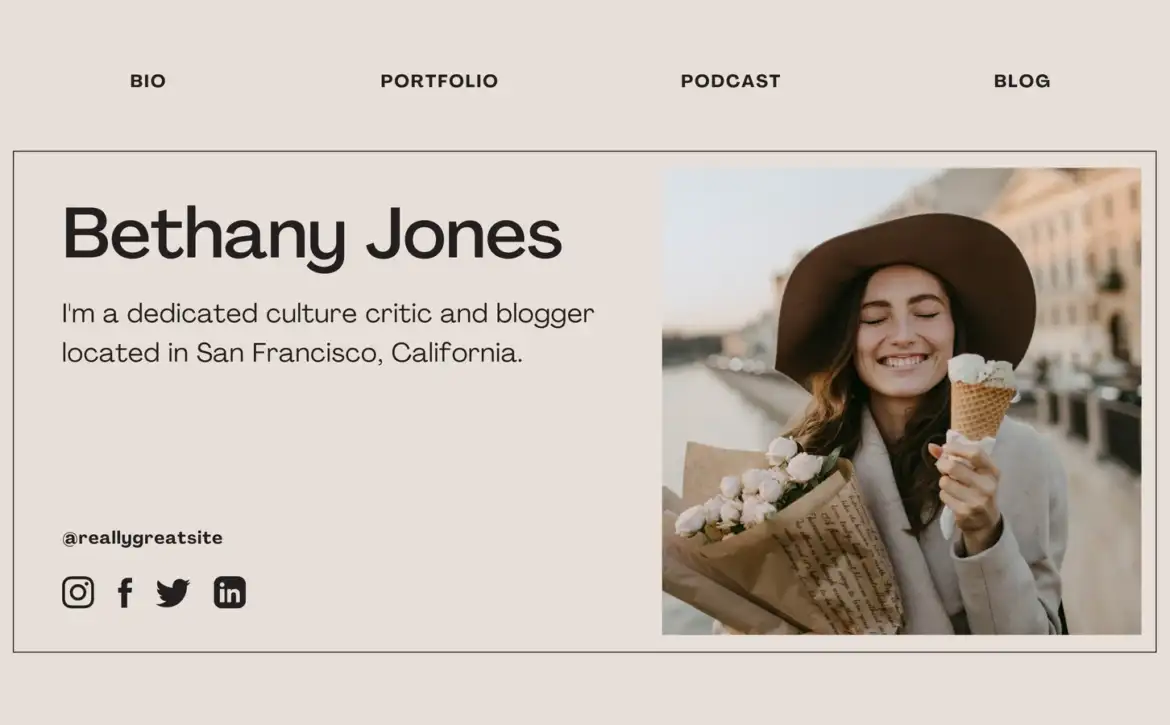
For businesses and organizations, website design serves as a digital storefront. It’s a canvas for expressing brand values, personality, and identity. Consistent brand elements create a cohesive online presence that aligns with offline branding efforts.

Creativity in Interaction:

Interactive elements, such as animations, transitions, and dynamic features, inject creativity into web page design. Thoughtful use of these elements not only adds flair but also enhances the overall user experience.

The Science Behind the Design:

User Experience (UX):

UX design focuses on creating a positive and seamless experience for users. It involves understanding user behavior, conducting research, and optimizing the design to meet the needs and expectations of the target audience.

Performance Optimization:

Designers delve into the technical aspects of performance optimization. This includes optimizing images, minimizing code, ensuring fast loading times, and contributing to a smooth and efficient user experience.

Accessibility Standards:

A well-designed website is inclusive. Website designers and developers adhere to accessibility standards to ensure that the site is usable by individuals with disabilities. This involves considerations such as readable text, alternative text for images, and keyboard navigation.

Cross-Browser Compatibility:

The science of website design extends to ensuring cross-browser compatibility. Websites should function seamlessly across different browsers, ensuring a consistent experience for users regardless of their chosen platform.

“In the end, design is about making the complex simple and the simple profound.”

– John Maeda, Design Technologist and Former Global Head of Design at Automattic.

Emerging Trends:

Dark Mode:

Dark mode, with its sleek and modern aesthetic, has gained popularity. It not only reduces eye strain in low-light environments but also adds a contemporary touch to the design.

Micro-interactions:

Microinteractions are subtle animations or responses to user actions. They enhance the user experience by providing feedback and adding an element of delight to interactions.

Minimalism and White Space:

Minimalist design, characterized by clean layouts and ample white space, continues to be a prevalent trend. It enhances readability, focuses on essential elements, and creates a sense of sophistication.

3D Elements:

The integration of three-dimensional elements, from illustrations to product visuals, adds depth and visual interest to websites. It’s a captivating trend that leverages advancements in graphics technology.

Website design is an intricate dance between the artistic and scientific realms. It’s about more than creating visually appealing websites; it’s about crafting digital experiences that resonate with users, communicate effectively, and leave a lasting impression. Whether it’s the visual aesthetics that capture attention or the behind-the-scenes optimization that ensures seamless functionality, designing websites remains a pivotal force in shaping the online world.

Navigating the ever-changing landscape of digital experiences, the role of web design will only become more pronounced. It’s a dynamic field where creativity meets functionality, where user experience takes center stage, and where each click, scroll, and interaction contributes to the rich tapestry of the internet. Website design is, at its essence, the art of translating ideas into digital spaces and the science of ensuring those spaces are welcoming, efficient, and impactful.

Read More

An Intricate Journey into Decoding Website Templates

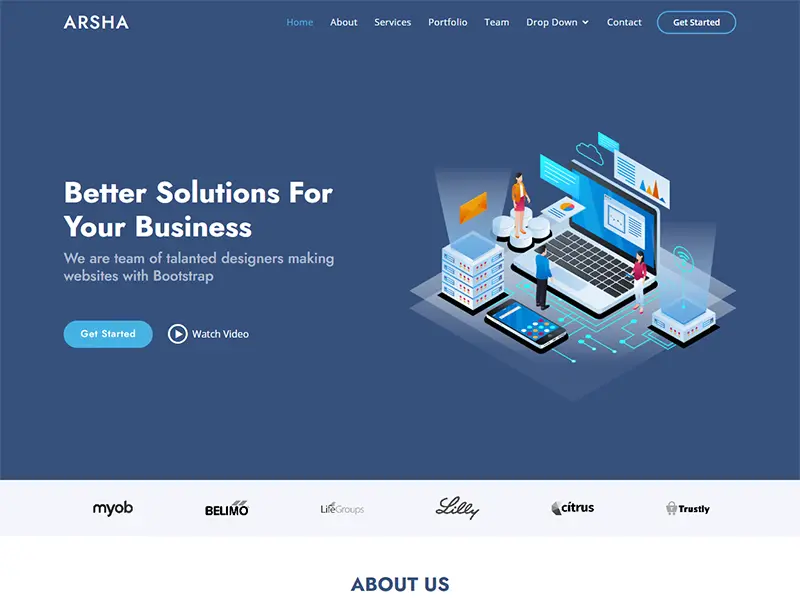
In the dynamic web development realm, every pixel and interaction counts. Website templates stand as foundational elements, shaping the online landscape with their pre-designed structures. From their diverse types to the advantages they bring and the strategic considerations for their effective use, we embark on a journey to understand how these templates serve as the building blocks for a visually stunning and functional web presence.

Grasping the Essence:

A website template serves as a pre-designed framework for constructing a website. These templates encapsulate not only structured layouts and design elements but, in some cases, basic functionalities. Acting as a starting point, they alleviate the development process by providing a solid foundation upon which developers and designers can build. This not only saves time but also streamlines the resource-intensive aspects of web development.

“Website templates are an ideal starting point for businesses with limited funds or technological expertise. They can help you develop an online presence quickly and affordably.

– Sarah Jones, Founder of Small Business Web Design Academy

Static Templates:

Static templates embody fixed, unchanging content. They find their utility in projects where the content remains relatively constant over time. This simplicity makes them ideal for smaller websites or personal portfolios.

Dynamic Templates:

Dynamic templates, on the other hand, adapt and evolve based on user interactions. Commonly utilized within content management systems (CMS) like WordPress, these templates facilitate seamless content updates. They are particularly beneficial for websites that require frequent changes and updates.

Responsive Templates:

The surge in diverse devices for web browsing has led to the rise of responsive templates. These templates dynamically adjust to different screen sizes, ensuring a consistent and user-friendly experience across desktops, laptops, tablets, and smartphones. This adaptability has become crucial in the era of mobile dominance.

E-commerce Templates:

Tailored for online stores, e-commerce templates come equipped with features essential for a robust digital retail experience. This includes product galleries, shopping carts, and checkout pages. These templates streamline the development of comprehensive e-commerce platforms, catering to the growing demands of online retail.

Customizable Templates:

Some templates offer a high degree of customization, providing developers with the flexibility to tweak layouts, color schemes, and functionalities to meet specific project requirements. These customizable templates strike a balance between efficiency and uniqueness, allowing for a tailored web presence.

Advantages Galore:

Time-Efficiency:

The foremost advantage of website templates lies in their ability to drastically reduce development time. They provide a structured foundation that developers can build upon, which is particularly beneficial for projects with tight timelines or budget constraints.

Cost-Effectiveness:

From a budgetary standpoint, it offers a cost-effective solution. By eliminating the need for extensive custom design, they contribute to lowering overall development costs. This proves especially beneficial for startups, small businesses, or projects with limited financial resources.

Consistency is key.

Templates ensure visual and structural consistency throughout a website. This consistency is crucial for creating a cohesive brand identity and a positive user experience. It helps reinforce brand recognition and trust among visitors.

Accessibility Matters:

Many templates are designed with accessibility principles in mind. This means they adhere to guidelines that enhance the inclusivity of websites. Incorporating accessibility features by default ensures that websites are usable by individuals with disabilities, aligning with ethical and user-centric design practices.

Up-to-Date Designs:

Professional designers often create website templates. This ensures that the design is contemporary, visually appealing, and aligned with current design trends.

A template allowed us to get online quickly and affordably, and it was easy for our volunteers with no coding experience to customize it to fit our needs.”

– David Lee, president of a community garden association.

Strategic Considerations for Effective Use:

Purpose and Audience:

Choosing a template aligned with the purpose of the website and the preferences of the target audience is paramount. Different projects demand different functionalities and aesthetics, and selecting a template that resonates with the intended audience enhances the overall user experience.

Customization Potential:

Assessing the level of customization a template allows is crucial. While templates provide a ready-made structure, the ability to customize elements such as color schemes, typography, and layouts ensures that the final website aligns with the unique branding and design requirements of the project.

Responsiveness Rules:

Ensuring a seamless experience across various screen sizes is not just a design consideration but a necessity for reaching and engaging users on different devices.

SEO-Friendly Structure:

Selecting templates with a structure conducive to search engine optimization (SEO) is strategic. An SEO-friendly template facilitates better visibility on search engine result pages, contributing to the overall success of the website in attracting organic traffic.

Source Credibility:

Considering the reputation and credibility of the source, providing the template is a prudent step. Opting for templates from reputable platforms or designers ensures not only the quality of the design but also security and ongoing support. 

Website templates emerge not merely as convenient tools but as dynamic instruments shaping the very fabric of web development. Their versatility, time efficiency, and cost-effectiveness make them indispensable for a myriad of projects, ranging from personal blogs to complex e-commerce platforms. Yet, effective utilization demands a nuanced understanding of factors such as purpose, customization potential, responsiveness, and SEO friendliness.

Traversing the dynamic landscape of digital evolution, templates stand as pivotal elements, empowering developers and designers to craft online experiences that captivate and resonate in an ever-changing digital frontier. Whether it’s a startup looking to establish an online presence, a small business seeking cost-effective solutions, or an individual with a passion for sharing content, templates offer a robust foundation for turning visions into compelling and functional digital realities.

Read More

A Comprehensive Exploration of Responsive Web Design

In an era where digital interactions span across an ever-expanding array of devices, Responsive Web Design (RWD) emerges as a crucial paradigm, promising not just adaptability but an enhanced and cohesive user experience. Beyond merely reshaping layouts, RWD stands at the intersection of creativity, technology, and empathy, aiming to transcend the limitations posed by diverse screens and devices. Delving into the intricate layers of this approach, unravel how it seamlessly integrates flexible grids, media queries, fluid images, and thoughtful strategies to create digital spaces that resonate with users on a profoundly human level.

“In the mobile-first world, responsive design is no longer a choice; it’s a necessity.” -Luke Wroblewski, Author

Key Components of Responsive Web Design:

Flexible Grid Layout:

At the core of RWD is a flexible grid system that employs relative units, such as percentages, for layout elements. This ensures dynamic responsiveness to varying screen sizes, accommodating the diverse landscape of devices users engage with.

Media Queries:

Media queries, a cornerstone of RWD, enable the adaptation of styles based on device characteristics. By dynamically responding to factors like screen width and resolution, websites can deliver a tailored experience, whether viewed on a desktop, tablet, or smartphone.

Fluid Images:

The integration of fluid images, achieved through CSS techniques, contributes to a visually consistent experience. Images resize proportionally, preventing distortion and ensuring a harmonious presentation across different screens.

Viewport Meta Tag:

The viewport meta tag plays a crucial role in optimizing the initial scaling and presentation of web pages on mobile devices. This strategic inclusion enhances content visibility and readability on screens of varying dimensions.

Advantages of Responsive Web Design in a Modern Context:

Enhanced User Experience:

RWD, with its commitment to consistency, fosters an enriched user experience by providing seamless access to content and features. This adaptability contributes to increased engagement and user satisfaction.

SEO Excellence:

In the realm of search engine optimization (SEO), responsive design is a strategic asset. Its streamlined structure facilitates search engine crawlers, positively influencing search rankings and visibility.

Cost-Effectiveness and Maintenance Ease:

The cost-effectiveness of RWD lies in maintaining a singular codebase for diverse devices. This not only reduces development costs but also eases the ongoing maintenance burden compared to managing separate solutions.

Future-Proofing Strategies:

RWD is a forward-looking strategy, anticipating the challenges of emerging technologies and devices. Its inherent adaptability positions websites to thrive amidst technological shifts, providing long-term relevance.

Accessibility and Inclusivity:

Beyond technical considerations, RWD contributes to a more inclusive online environment. By accommodating users with disabilities across various devices, it aligns with the principles of digital accessibility.

“Nowadays, responsive design is one of the most significant concepts in web design. It ensures that your website looks great and functions well on all devices, from desktops to tablets to smartphones.” -Google Developers Team

At its core, RWD encapsulates the essence of adaptability, ensuring seamless user experiences regardless of the device at hand. The flexible grid layout serves as the architectural backbone, dynamically responding to the diverse array of screens users interact with daily. Media queries, fluid images, and the viewport meta tag further enrich this experience, offering tailored presentations optimized for various devices.

The advantages of RWD extend beyond technical efficiencies. It champions enhanced user experiences, excels in SEO landscapes, proves cost-effective in maintenance, adopts forward-thinking strategies for the future, and, perhaps most importantly, fosters inclusivity. By accommodating users of all abilities, RWD aligns with the principles of digital accessibility, affirming its role in shaping a more inclusive online environment.

Responsive Web Design not only stands as a current industry standard but also as a compass guiding web development into an era of perpetual technological evolution. Its principles remain foundational, ensuring that websites surpass the expectations of diverse and dynamic digital audiences. In essence, RWD is not just about creating websites; it’s about crafting digital experiences that resonate in a world where adaptability is the key to navigating the responsive future.

Read More

Microsoft Advertising Empowers Advertising Designer

In the dynamic and competitive landscape of advertising, the role of an advertising designer stands as the linchpin, playing a pivotal role in shaping the success of any campaign. These creative professionals specialize in the nuanced art of visual communication, leveraging their skills to not only convey messages effectively but also to captivate and engage target audiences. In this exploration, we delve into the multifaceted responsibilities and crucial contributions of campaign designers to a campaign, uncovering the intricacies of their craft and how tools like Microsoft Advertising serve as a dynamic canvas to amplify their impact.

Understanding the Campaign Objectives:

The journey of an ad designer commences with more than a casual glance at the campaign objectives. It involves an immersive dive into the intricacies of the marketing strategy. Collaborating closely with the marketing team and clients, the designer not only grasps the core message but also navigates through the nuances of the target audience and the desired outcomes. Clear communication at this early stage becomes the bedrock for aligning the design seamlessly with the overarching goals of the campaign.

“In today’s fast-paced, saturated market, ad designers who understand data and can deliver creativity that resonates on both an emotional and analytical level are invaluable.”

– David Droga, co-founder and chairman of Droga5

Research and Audience Analysis:

The foundation of successful advertising design is laid upon a bedrock of in-depth research and audience analysis. Designers embark on a journey to comprehend not just the demographics but the very essence of the target audience. Meticulous research unveils their preferences, behaviors, and aspirations. Armed with this knowledge, designers can craft visuals that not only resonate but deeply connect with the intended audience.

Conceptualizing Creative Ideas:

At the heart of a designer’s role lies the delicate art of conceptualization. It’s not merely about aesthetics; it’s about generating creative concepts that seamlessly align with the campaign’s messaging. Brainstorming sessions become a cauldron of innovation, where ideas not only need to be visually appealing but must also effectively convey the intended message. This phase demands more than creativity; it demands the ability to think innovatively, to transcend the ordinary, and to craft solutions that linger in the minds of the audience.

Visual Identity Development:

With a chosen concept in hand, the advertising artist shifts focus to crafting the visual identity of the campaign. This is not a mere exercise in graphic design; it’s a strategic endeavor. Logos, color schemes, typography – every element is meticulously crafted to contribute to the campaign’s overarching visual narrative. Here, Microsoft Advertising seamlessly integrates with the design process, providing a canvas for designers to bring their visual identity to life across diverse platforms.

Creation of Visual Assets:

The campaign doesn’t come to life until the advertising designer weaves a tapestry of visual assets. From static images for traditional print materials to dynamic visuals tailored for the ever-evolving digital landscape, the designer orchestrates a symphony of visuals. It’s not just about aesthetics; it’s about cohesiveness, adherence to brand guidelines, and, above all, effective communication of key messages. Here, Microsoft Advertising’s versatility becomes a powerful ally, allowing for optimized visuals tailored to each platform and ensuring consistent impact.

Adaptability Across Media:

In an era where an advertising campaign spans diverse channels – from the tactile world of print to the dynamic realm of digital and social media – the designer plays a crucial role in ensuring adaptability across these ever-shifting mediums. Microsoft Advertising, with its seamless integration with various media, becomes the bridge, allowing designers to maintain consistency while leveraging the unique strengths of each channel.

Collaboration with Copywriters:

The collaboration with copywriters is not just a coordination of words and visuals; it’s a harmonious integration. It’s about creating a unified and impactful message where each element complements the other. The advertising campaign designer and the copywriter engage in a creative dance, working hand-in-hand to achieve that delicate equilibrium between text and visuals. Here, Microsoft Advertising’s cohesive platform provides a shared canvas for this collaborative effort.

“ Advertising designers are the storytellers of brands. They have the power to capture attention, ignite emotions, and create lasting memories. ”

– Cindy Gallop, founder of BBH Labs and global advertising legend

Feedback Incorporation:

Iteration and refinement are inherent to the design process. The advertisement designer actively seeks feedback from clients, stakeholders, and team members. It’s not just about receiving feedback; it’s about incorporating it into the design process. This responsive approach ensures that the final design not only meets but exceeds the campaign’s objectives. Microsoft Advertising becomes not just a platform but a dynamic feedback loop, facilitating continuous refinement.

Testing and Optimization:

In the ever-evolving landscape of advertising, stagnation is the enemy of impact. Marketing designers leverage their expertise to test different versions of visual assets. It’s not a shot in the dark; it’s a calculated exploration. Through A/B testing and analytics, designers gain insights into what resonates best with the audience. Microsoft Advertising complements this process, providing insights that become the compass for ongoing optimization throughout the campaign, ensuring maximum impact.

Staying Current with Design Trends:

In an industry where trends shift like dunes in the wind, the commitment to staying abreast of design trends and innovations is not a choice; it’s a necessity. The advertising artist becomes a trend navigator, navigating through the sea of design evolution. Microsoft Advertising, as a platform, aligns seamlessly with this need. It becomes not just a canvas but a dynamic space for designers to infuse modern aesthetics into their work, ensuring that the campaign remains not just visually appealing but resonates with the contemporary pulse.

The advertising designer emerges as an orchestrator in the conception, development, and execution of an advertising campaign. It’s not merely about creating visuals; it’s about crafting an experience that resonates with the audience. Their ability to seamlessly blend creativity with strategic thinking, to comprehend the intricacies of the target audience, and to craft visually compelling assets significantly contributes to the campaign’s overall success. With tools like Microsoft Advertising, designers find more than a platform; they find a dynamic canvas that amplifies their impact, reaching audiences across diverse channels with unparalleled efficiency and efficacy.

Read More

The Art of Simplicity: Unveiling the Essence of Minimalist Design

In a world inundated with information and visual noise, minimalist design emerges as a serene and purposeful antidote. Rooted in the principle of less is more, aesthetic mini-design transcends a mere aesthetic choice; it is a deliberate and powerful approach that seeks to distill elements to their essential form. 

Tracing the Roots

Minimalism, as a design philosophy, finds its origins in the mid-20th century, gaining prominence in art, architecture, and design. The movement emerged as a reaction to the complexities and ornate excesses of preceding artistic styles, advocating for a return to simplicity and a focus on essential elements. Artists and designers such as Donald Judd, Agnes Martin, and Ludwig Mies van der Rohe played pivotal roles in shaping the foundational principles of this simplified yet powerful design.

Principles of Less Is More

At the heart of minimalism lies the principle of “less is more.” This mantra encapsulates the core ethos of stripping away unnecessary embellishments, leaving behind only what is essential. 

“In a world saturated with noise, minimalist branding serves as a visual exhale—embracing simplicity to create spaces that speak volumes with quiet elegance.”

– Ava Simplicity, Influencer in Design, 2023

1. Simplicity:

Aesthetically simpler design champions simplicity in form and function. It seeks to convey a message or purpose with the fewest possible elements, avoiding superfluous ornamentation. This simplicity is not a lack of detail but a deliberate choice to distill design to its essence.

2. Clean Lines and Geometric Shapes:

Embracing clean lines and geometric shapes is a hallmark of simplified design. Straightforward, unadorned lines and basic geometric forms contribute to a sense of order and clarity, creating a visual language that is both understated and impactful.

3. Limited Color Palette:

Aesthetic simplicity in design often employs a limited color palette, with a preference for neutral tones such as whites, blacks, grays, and earthy hues. This restrained use of color emphasizes the purity of form and allows for a harmonious visual experience.

4. Whitespace:

Whitespace, or negative space, plays a crucial role in modernist design. It is not merely an absence of elements but a deliberate choice to create balance, focus, and breathing room within the composition. Whitespace enhances the visual impact of the essential elements.

5. Functionality:

Functionality is a paramount consideration in minimalist art. Each element should serve a purpose, and unnecessary features should be omitted. This focus on functionality extends beyond aesthetics, influencing the usability and practicality of the design.

6. Typography with Purpose:

Minimalist typography adheres to the principle of clarity and legibility. Clean, sans-serif fonts are often preferred, and text is used sparingly to convey essential information. Typography becomes a visual element in itself, contributing to the overall simplicity of the design.

7. Hierarchy and Balance:

Achieving a sense of hierarchy and balance is vital in minimalist design. The strategic placement of elements, their proportionate sizes, and careful consideration of negative space contribute to a visual equilibrium that guides the viewer’s attention.

“Minimalism is the ideal quantity of everything, not a lack of anything. It all comes down to capturing the essence, obtaining focus, and allowing the design to breathe.”

– Max Essence, 2023, Designer of Contemporary Art

Beyond Aesthetics: The Practical Impact

Beyond its aesthetic appeal, it carries practical implications that resonate across various creative disciplines.

1. User Experience in Web and Graphic Design:

In web and graphic design, minimalist principles enhance user experience. Clean layouts and straightforward navigation contribute to intuitive interactions, reducing cognitive load and fostering a seamless user journey.

2. Architectural Harmony:

Minimalist architecture emphasizes functionality and harmony with the surrounding environment. Open spaces, uncluttered interiors, and the use of natural light create serene environments that prioritize the human experience.

3. Effective Branding:

Simpler aesthetics have become synonymous with modern and sophisticated branding. Brands adopting minimalist aesthetics convey a sense of clarity and authenticity, fostering a connection with audiences seeking simplicity and elegance.

4. Environmental Impact:

The principles of designing minimalist art align with sustainable practices. By eschewing excess and emphasizing longevity, minimalist products contribute to a more sustainable approach to consumerism.

5. Artistic Expression:

In the realm of art, minimalist expressions challenge traditional notions and invite contemplation. Minimalist artworks often evoke a sense of calmness and encourage viewers to engage with the simplicity of form and color.

Minimalist Design in Contemporary Culture

Despite challenges and critiques, the timeless allure of minimalist design endures in contemporary culture. From the sleek interfaces of digital platforms to the architectural marvels shaping our urban landscapes, minimalism continues to influence and inspire.

In a world characterized by constant stimuli and visual noise, the allure of minimalism lies in its ability to distill the complex into the essential. It is a visual language that invites contemplation, evoking a sense of calmness and clarity. Whether applied to art, architecture, or branding, minimalist artwork transcends its aesthetic appeal to become a philosophy—a deliberate choice to embrace simplicity in a complex world. As we navigate the intricate dance between form and function, the minimalist strategy of design stands as a timeless guide, inviting us to appreciate the beauty of less and the power of simplicity.

Read More

Navigating Scalability for Clear Impact in Creative Logo Design

In the ever-evolving landscape of brand identity, a well-crafted logo stands as a cornerstone, embodying the essence of a brand in a visual symphony. The process of creative logo design is a meticulous endeavor that goes beyond mere aesthetics, integrating strategic thinking, artistic finesse, and practical considerations. This article delves into the intricacies of creative logo design, exploring its multifaceted nature and emphasizing the practical aspects that make a logo not only visually appealing but also a versatile and enduring representation of a brand.

Simplicity: Crafting a Lasting Impression:

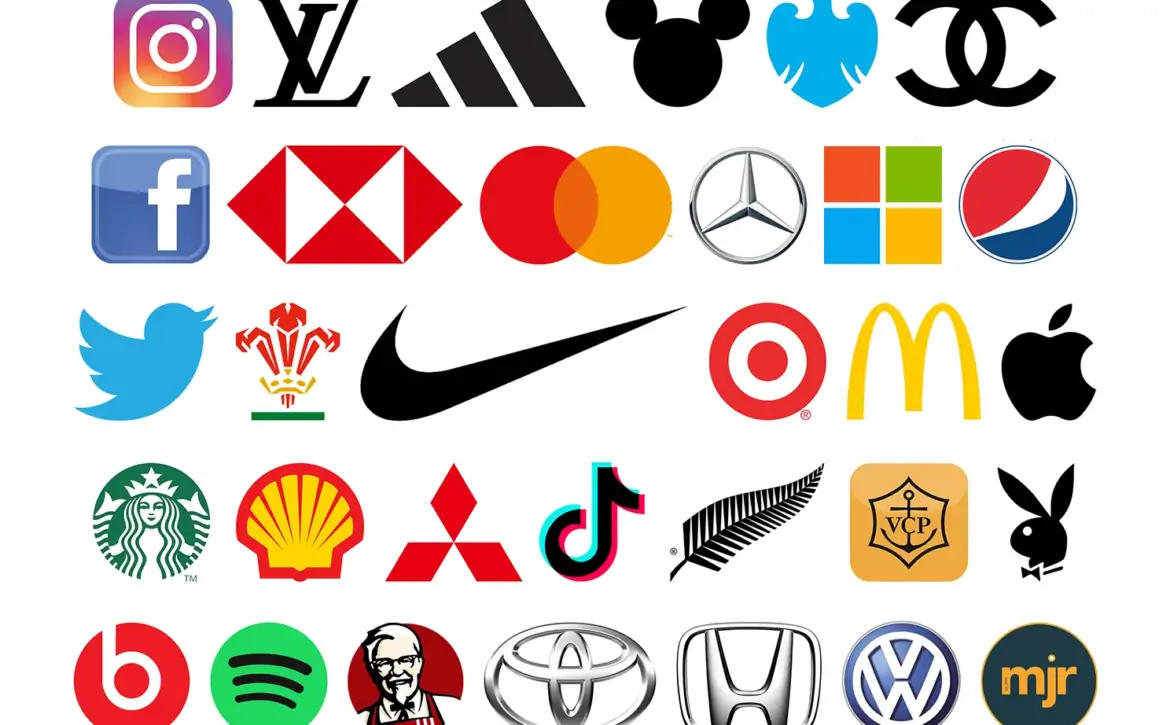
   At the core of every memorable logo lies simplicity. Practicality demands that a logo be easily recognizable and scalable. A simple design ensures clarity, allowing the logo to maintain its impact across various applications, from business cards to billboards. The iconic Apple logo is a testament to the power of simplicity, resonating with consumers worldwide through its clean and straightforward design.

A logo’s journey from a pixel to a printed masterpiece is a testament to its scalability—a journey that ensures clarity and impact remain unwavering.

– Lauren Vortex, Logo Evolutionist, 2023

Relevance to Brand Identity: A Visual Manifestation:

Creative logo design is a visual manifestation of a brand’s identity. The logo must encapsulate the brand’s values, personality, and industry relevance. Consideration of the target audience ensures that the logo not only appeals to the intended market but also establishes a meaningful connection. Nike’s iconic swoosh, representing movement and energy, perfectly aligns with the brand’s athletic identity, making it instantly recognizable and synonymous with sports excellence.

Versatility: Beyond Digital Borders:

In the digital age, practical logo usage demands versatility. A well-designed logo should seamlessly transition across various mediums, including websites, social media, print materials, and merchandise. Versatility ensures that the logo remains effective regardless of the platform, fostering brand consistency. The McDonald’s golden arches exemplify this adaptability, effortlessly translating across diverse applications while maintaining brand coherence.

Color Palette: Conveying Emotions Through Hues:

Colors evoke emotions and play a pivotal role in logo design. While a vibrant color palette can infuse energy, practicality dictates that a logo remains impactful even in black and white or grayscale. This consideration ensures that the logo maintains its effectiveness in scenarios where color reproduction may be limited, such as newspaper advertisements or faxed documents. The Coca-Cola logo, with its distinctive red and white scheme, epitomizes the emotional resonance achieved through a well-chosen color palette.

Typography: A Written Expression of Identity:

When text is incorporated into a logo, typography becomes a critical element. Practicality demands legibility, especially in scenarios where the logo may appear in small sizes or on fast-moving platforms such as videos or animations. The FedEx logo, with its subtle arrow cleverly integrated into the lettering, showcases how typography can convey both brand identity and hidden messages, capturing the viewer’s attention.

Scalability: From Billboards to Favicons:

A practical logo design ensures scalability, maintaining clarity and impact across various sizes. Whether on a towering billboard or a diminutive favicon, a logo should scale seamlessly without losing its identity. The Twitter bird logo exemplifies this scalability, with its recognizable silhouette remaining intact whether viewed on a desktop screen or a mobile device.

Memorability: A Lasting Imprint:

Practicality extends to the logo’s ability to leave a lasting impression. A memorable logo is an asset for any brand, contributing to brand recall and recognition. The McDonald’s golden arches or the Nike swoosh are examples of logos that have transcended mere brand representation, becoming iconic symbols ingrained in popular culture.

Uniqueness: Setting the Brand Apart:

In a competitive landscape, a creatively designed logo sets a brand apart. Uniqueness ensures that the brand is easily distinguishable from competitors, contributing to long-term brand visibility and loyalty. The distinctive Apple logo, with its bitten apple icon, has become synonymous with innovation and quality, setting Apple apart in the tech industry.

A scalable logo is a visual ambassador—clear, impactful, and ready to represent a brand on any canvas, big or small.

– Emily Resolute, Visual Identity Architect

Adaptability to Trends: Balancing Timelessness and Relevance:

While a logo should have timeless elements, practicality involves a degree of adaptability to design trends. This doesn’t mean blindly following every trend but rather ensuring that the logo remains contemporary and relevant over time. Brands like Google demonstrate this adaptability, periodically refreshing their logo while retaining core elements, ensuring modernity without sacrificing brand recognition.

Creative logo design is a harmonious blend of art and science, weaving together visual aesthetics, strategic thinking, and practical considerations. A well-crafted logo transcends being a mere symbol; it becomes a timeless and adaptable representation of a brand’s identity. From simplicity to scalability, each element plays a crucial role in ensuring that a logo not only captivates the audience but also stands the test of time. In the dynamic realm of branding, a creative logo is not just a mark; it’s a visual journey that resonates with the audience, fostering a lasting connection between the brand and its consumers.

Read More

Exploring the Strategic Art of Competitor Geofencing

Brands constantly seek innovative ways to reach their target audience, outmaneuver rivals, and claim their share of the market. Enter competitor geofencing, a strategic tactic that leverages location-based technology to target potential customers based on their proximity to your competitors’ physical locations. This powerful tool promises significant advantages, but it also invites questions about ethics and responsible implementation. 

Unveiling the Mechanics

Imagine an invisible fence – a geofence – surrounding your competitor’s store or business. When a potential customer with location services enabled enters this virtual perimeter, they unknowingly trigger the activation of pre-programmed marketing messages. These messages can appear in various forms, from targeted ads on their mobile devices to push notifications offering enticing deals or highlighting your unique value proposition. The magic lies in leveraging mobile technologies like GPS, Wi-Fi, and Bluetooth to pinpoint a user’s location and deliver personalized messages strategically aligned with their current situation.

“Competitor geofencing is like playing chess – understanding your opponent’s moves lets you anticipate their next step and gain a strategic advantage.”

– Scott Brinker, Chief Martech Officer at HubSpot

The Allure of Precision

The appeal of geofencing your immediate competition lies in its laser-sharp targeting capabilities:

Hyper-relevance:

Reach people actively present in your competitor’s vicinity, indicating potential interest in the product or service category.

Real-time engagement:

Trigger immediate interaction when individuals are most receptive, potentially influencing their purchase decision at the crucial moment.

Data-driven insights:

Gain valuable insights into competitor foot traffic patterns and customer demographics, aiding strategic decision-making.

Competitive advantage:

Stand out from the noise by directly engaging potential customers already considering your competitor’s offering.

Tales from the Geofencing Frontier

Numerous brands have successfully harnessed the power of geofencing to track their competition:

Retail giant Target:

Utilized geofences around competitor stores to promote exclusive deals and drive foot traffic.

Restaurant chain Chipotle:

Targeted users near competitor restaurants with enticing offers and location-specific promotions.

Streaming service Netflix:

Geo-fenced competitor launch events to promote their content and attract curious attendees.

Ethical Quandaries: Walking the Tightrope of Marketing Morality

While the benefits of competitor geofencing are undeniable, ethical considerations cannot be ignored:

Privacy concerns:

Targeting individuals based on their location raises concerns about data privacy and the potential for intrusive marketing practices.

Fair play vs. predatory tactics:

Can aggressive geofencing practices be perceived as unfairly manipulating customer behavior?

Transparency and trust: Is it crucial to disclose the use of geofencing to maintain consumer trust and build ethical brand relationships?

Navigating the Ethical Landscape: Responsible Geofencing Practices

To harness the power of geofencing responsibly, consider these guidelines:

Privacy compliance:

Ensure strict adherence to data privacy regulations and offer clear opt-out options for targeted messages.

Transparency and disclosure:

Be upfront about your use of geofencing through clear disclaimers and opt-in mechanisms.

Respectful messaging:

Avoid aggressive or manipulative tactics. Focus on offering value and highlighting your unique selling proposition.

Competitive spirit, not dirty tricks:

Avoid targeting locations unrelated to your competitor’s core business or targeting sensitive areas like hospitals.

“Data gleaned through competitor geofencing offers invaluable insights into customer behavior and competitor strategies. It’s like having a secret window into their world, but remember to use that knowledge wisely.”

– David Perry, CMO of GroupM

Innovation and Regulation

Geofencing and geotargeting your competitors is an evolving tactic, and its future hinges on innovative advancements and responsible implementation:

Evolving technologies:

The integration of AI and advanced analytics promises even more granular targeting and personalization.

Regulatory landscape:

Growing privacy concerns may lead to stricter regulations governing geofencing practices.

Shifting user expectations:

Consumers increasingly demand transparency and ethical data practices from brands.

Competitor geofencing, when implemented responsibly, can be a powerful tool to reach targeted audiences, drive engagement, and gain a competitive edge. However, navigating the ethical landscape is crucial. By prioritizing data privacy, fostering trust, and adhering to ethical standards, brands can leverage this technology to achieve sustainable success while maintaining responsible marketing practices. As the digital battlefield continues to evolve, mastering the art of geofencing will require not only strategic skill but also a commitment to ethical conduct, ensuring victory with integrity.

Read More