
How Does the Facebook Advertising Spy Tool Maximize Revenue

Facebook continues to be a major force in the ever-changing world of digital marketing for companies trying to connect with their target demographic and increase sales. Facebook has more than 2.8 billion active users each month, providing a sizable pool of prospective clients just waiting to be reached. But since there is so much competition with such a big audience, marketers must always be one step ahead of the game. The Facebook advertising spy tool is one of their most potent weapons; it lets advertisers monitor competitors, gather intelligence, and tweak their ads to maximize revenue. 

Facebook Advertising Spy Tools are effective tools that enable marketers to learn important information about the Facebook advertising tactics of their rivals. These solutions, which include comprehensive data on ad creatives, targeting choices, ad placements, ad copy, and overall campaign performance, enable marketers to track and analyze the advertisements that are run by rivals or within their industry. Marketers who have access to this data can modify their own efforts based on a better understanding of the tactics that are effective in their sector.

Facebook Advertising Spy Tools help marketers improve their advertising by identifying recurring themes, message approaches, and visual components that appeal to their target demographic. This information is used to craft captivating content that catches attention, arouses feelings, and motivates action, and to evaluate the effectiveness of various ad variations.

Moreover, Facebook Advertising Spy Tools assist advertisers in enhancing audience segmentation and targeting strategies, enabling them to identify rivals’ target audience segments and identify areas for improvement. This helps marketers enhance campaign efficacy and revenue by delivering the right message at the right time to the right target.

Furthermore, comprehensive dashboards and analytics reports that monitor important data, including reach, engagement, click-through rates, conversions, and return on ad spend (ROAS) are offered by the Facebook Advertising Spy Tool free. Marketers may pinpoint areas for improvement, test out various approaches, and optimize their efforts for greater outcomes by regularly observing campaign performance. Achieving long-term success and optimizing revenue requires this constant testing and optimization process.

How Do Marketers Benefit from the Facebook Advertising Spy Tool? 

Let’s first examine the features and operation of the best Facebook advertising spy tool before delving into its advantages. These tools are essentially web platforms or software that let marketers track and evaluate Facebook advertisements that are being run by rival businesses or by other companies in the same industry. They offer insightful information on the effectiveness of campaigns overall as well as on ad creatives, targeting choices, ad placements, and ad content. Marketers who have access to this data can modify their own efforts based on a better understanding of the tactics that are effective in their sector.

  1. Uncovering Competitor Strategies 

Utilizing the Facebook advertising spy tool offers marketers valuable insights into their competitors’ advertising tactics, messaging, and targeting strategies, enabling them to understand market positioning, ad types, and target audiences, thereby improving their advertising strategies.

Ad Creatives and Messaging: 

Facebook advertising spy tool lets businesses examine the ad creatives and messaging of rival companies to learn how they are promoting their goods and services to target consumers. Marketers can find trends, themes, and approaches that connect with their target audience by examining the images, language, and overall messaging of competition advertisements.

Offer and Promotion Strategies: 

By examining the substance of rival advertisements, marketers can learn about competitor strategies pertaining to offers, discounts, promotions, and incentives. Marketers can learn about successful pricing and promotional tactics in their business by observing the kinds of deals and promotions that rival companies use to draw clients.

Targeting and Audience Segmentation:

By examining the audience categories that rivals are focusing on, Facebook ads library and advertising spies give advertisers the ability to spot any holes or possibilities in their own targeting plans. Marketers can improve the efficacy of their targeting by examining the demographics, interests, behaviors, and custom audiences utilized by their rivals.

Ad Placements and Formats: 

By examining the locations and configurations of rival advertisements on Facebook, marketers can obtain knowledge about the tactics employed by their rivals with regard to ad placements and formats. Marketers can discover trends and preferences in their sector and optimize their own ad placements and formats by examining the different ad formats (e.g., single image advertising, carousel ads, video advertisements) and ad placements (e.g., News Feed, Instagram, Audience Network).

Ad Performance and Engagement:

Competitive ad performance indicators, including click-through rates, conversions, reach, engagement, and return on ad spend (ROAS), are all useful information that may be gleaned using Facebook advertising spy tools. Advertisers can evaluate the efficacy of various ad techniques and methods and pinpoint areas where their own campaigns need to be improved by keeping an eye on the performance of rival advertisements.

  1. Enhancing Ad Creatives and Copy

Utilizing a Facebook advertising spy tool allows marketers to improve ad creatives and copy by analyzing competitor ads and gaining insights into visuals, messaging, and calls-to-action that resonate with their target audience. 

Visual Inspiration: 

With the help of Facebook advertising spy tool, marketers can access a multitude of rival ad creatives, such as pictures, videos, and graphics. Marketers are able to recognize recurring themes, visual features, and styles that draw in viewers and elicit strong feelings by closely examining these images. Successful visuals can serve as a source of inspiration for marketers who want to produce ad creatives that appeal to their target market.

Messaging Strategies: 

Marketers can acquire insights into successful messaging strategies and value propositions within their business by examining the ad content of competitors. Marketers can find persuasive messaging strategies and important selling points by analyzing the language, tone, and style of competitor ad content. Similar messaging techniques allow marketers to effectively convey their brand message and push users to act when applied to their own ad text.

Call-to-Action Optimization: 

With the help of Facebook advertising spy tools, marketers may examine the calls-to-action (CTAs) of rival websites to determine which ones best encourage user interaction and lead to conversions. Marketers may find best practices and maximize the impact of their own CTAs by analyzing the wording, positioning, and design of rival CTAs. Ad campaigns can perform better and produce better results if marketers test various CTAs and iterate based on competitor findings.

Ad Format and Structure: 

Through the analysis of rival advertising on Facebook through ad spy tools free of cost, marketers can learn useful ad formats and structures. Through examining the design, format, and organization of rival advertisements, marketers can discern patterns and inclinations within their sector. Advertisers may design visually appealing, easily comprehensible, and user engagement-optimized ad creatives by taking cues from popular ad formats and frameworks.

A/B Testing and Iteration:

Marketers may access an abundance of information about competitor ad performance metrics, such as click-through rates, conversions, and engagement, by using Facebook advertising spy tools. To increase performance over time, marketers can utilize this data to iterate and do A/B tests on their ad creatives and copy. Marketers may improve their campaigns and have more success on Facebook by experimenting with different ad creatives and copy and evaluating the outcomes.

FAQs

What is the spy tool in Facebook ads?

A Facebook advertising spy tool is software or a platform that helps marketers analyze and monitor competitors’ advertisements on Facebook. It provides insights into their advertising strategies, allowing marketers to adjust their campaigns to stay competitive and maximize results. It includes ad creatives, messaging, targeting options, and placements.

How do I spy an audience on Facebook ads?

Facebook advertising spying involves using tools like Audience Insights and third-party platforms like Facebook advertising spy tools to analyze audience demographics and preferences. These insights help advertisers refine targeting parameters and optimize ad campaigns for better results, allowing them to target specific audiences and monitor their interests and behaviors.

Can you get AdSpy for free?

AdSpy does not provide a free version; instead, it is a paid subscription service with different price tiers. AdSpy is a potent platform for gathering intelligence on Facebook and Instagram advertising that offers useful insights into rival advertising strategies, including messaging, ad creatives, ad placements, and performance metrics. While there could be brief trial periods or special discounts available, a paid membership is usually needed to access AdSpy’s entire feature set.

How to see someone’s fb ads?

To see someone’s Facebook ads, you can utilize the “Info and Ads” section on their Facebook Page. Simply visit the page of the individual or business whose ads you want to view, then navigate to the “Page Transparency” section and click on “See All.” This will display a list of active ads currently running on that page, allowing you to preview their ad creatives, messaging, and even the audience they are targeting. Additionally, you can use third-party Facebook ad spy tools to monitor and analyze ads from competitors or within specific industries, providing more comprehensive insights into their advertising strategies.

Can you track Facebook ads?

Yes, Facebook provides advertisers with various tools and features to track their ads’ performance effectively. Advertisers can access detailed metrics and analytics through Facebook Ads Manager, including key indicators like reach, engagement, click-through rates, conversions, and ROI. Additionally, Facebook offers pixel tracking capabilities, enabling advertisers to track user actions after clicking on an ad.

  1. Refining Targeting and Audience Segmentation

Utilizing a Facebook advertising spy tool allows marketers to optimize their ad campaigns by analyzing competitor ads and audience segments, providing valuable insights into demographics, interests, behaviors, and custom audiences. Here’s how they leverage it:

Demographic Information: 

Facebook advertising spy tool gives marketers information about the demographics that rivals in their sector or specialty are focusing on. Marketers can find common demographic traits like age, gender, geography, income level, and educational attainment by examining competitor ads. Marketers can more successfully reach their intended audience by fine-tuning their targeting criteria by examining these demographic facts.

Interest and Behavior Targeting:

By using Facebook ads spy extension, marketers can learn about the interests and behaviors that rival companies are focusing on. Marketers can determine the kinds of interests, pastimes, pursuits, and behaviors that appeal to their target demographic by examining competitor advertisements. Marketers can then utilize this data to target customers who are most likely to be interested in their goods or services by fine-tuning their own interest and behavior-targeting parameters.

Custom Audience Analysis: 

Facebook advertising spy tool allows marketers to examine the bespoke audiences that rival companies are using in their advertising campaigns. Marketers can research these bespoke audiences’ attributes—such as email subscribers, website visitors, and lookalike audiences—to find out how rivals are using them to successfully reach their target demographic. Using similar criteria, marketers can then build their own custom audiences to target individuals who are most likely to convert.

Geographic Targeting Optimization: 

Based on information gleaned from rival advertisements, marketers can refine the parameters of their geographic targeting. Marketers can determine which geographical areas or locales rivals are having success with their ad campaigns by examining their competitor’s advertisements. To concentrate on these high-performing areas and increase their reach and impact, marketers can then fine-tune their own geographic targeting settings.

Ad Placement and Device Targeting:

Facebook advertising spy tool reveals the devices and ad locations rivals are focusing on in their campaigns. To determine which ad positions (such as News Feed, Instagram, and Audience Network) and device types (such as desktop, and mobile) are most effective in reaching their target audience, marketers should examine competing ads. Then, to improve their ad reach and engagement, marketers can customize their own ad placements and device targeting criteria.

  1. Monitoring and Analyzing Campaign Performance

Utilizing the Facebook advertising spy tool is crucial for optimizing ad campaigns. These tools offer comprehensive dashboards and analytics reports, tracking metrics like reach, engagement, click-through rates, conversions, and ROI. By closely monitoring and analyzing data, marketers can identify areas for improvement areas.

Tracking of Key Performance Indicators: 

The Facebook advertising spy tool enables advertisers to monitor key performance indicators such as reach, engagement, click-through rates (CTR), conversions, and return on ad spend (ROAS) for their advertising campaigns. These indicators are useful for marketers to evaluate the overall success of their initiatives and pinpoint areas in need of development.

Ad Variation Analysis: 

To determine which of their advertisements are generating the most engagement and conversions, marketers can examine the performance of several ad variations within their campaigns. Through a comparative analysis of the effectiveness of various ad creatives, copy variations, and targeting options, marketers can discern patterns and gain valuable information that can be leveraged to enhance subsequent campaigns.

Competitor Benchmarking: 

With any Facebook advertising spy tool, marketers may compare the effectiveness of their campaigns to those of rivals in the same industry or specialty. Marketers may discover areas for improvement and learn how their campaigns compare to those of their competitors by analyzing important performance indicators like reach, engagement, and conversion rates. 

Audience Insights:

Analyzing the performance of various audience segments within their campaigns can provide marketers with important insights into their target audience. By offering information on audience demographics, interests, habits, and engagement levels, the Facebook advertising spy tool lets advertisers determine which audience segments respond best to their ads and modify their targeting criteria accordingly.

Campaign Optimization:

Marketers can improve the efficacy of their advertising campaigns by optimizing them based on the data gleaned by tracking and evaluating campaign performance. Through data-driven decision-making, marketers may enhance campaign performance and optimize return on investment by modifying ad creatives, optimizing targeting settings, or reallocating spending to high-performing ad sets.

  1. Staying Ahead of Trends and Changes

Marketers can maintain a competitive edge and maximize campaign effectiveness by staying informed about Facebook advertising trends and changes using the Facebook advertising spy tool, which provide strategic insights.

Notifications and Alerts: 

Facebook advertising spy tool frequently sends out notifications and alerts regarding competitor-launched new ads, modifications to ad formats or targeting choices, and new consumer behavior trends. Marketers who keep up with these advancements can quickly modify their approaches and seize new chances as they present themselves.

Ad Creative Inspiration: 

Copywriters and ad creatives might draw inspiration from these resources. Marketers can find recurring themes, messaging approaches, and design cues that appeal to their target demographic by examining the most effective advertisements in their sector. Marketers can produce attention-grabbing and action-provoking ad creatives by taking cues from rival advertisements.

Ad Format and Placement Insights: 

Facebook advertising spy tools give you information on the many ad types and placements that other companies are using in their campaigns. Advertisers can examine which ad placements (such as News Feed, Instagram, Audience Network) and ad formats (including carousel, video, and single image advertisements) are more successful in reaching their target audience. By staying up to date with the most recent trends in ad formats and placements, marketers can maximize the effect of their campaigns.

Tracking Industry Trends: 

Facebook advertising spy tools allow marketers to monitor changes in consumer behavior and industry trends. Through the examination of rival advertisements and the tracking of interaction metrics, marketers can gain knowledge about new inclinations, patterns, and passions in their sector. Marketers should position themselves for success by staying ahead of these developments and modifying their strategy as necessary. 

Testing and Iteration: 

Data about rival ad performance measures, such as reach, engagement, click-through rates, conversions, and return on ad spend (ROAS), is available through the Facebook advertising spy tool. With the use of this data, marketers can run A/B tests and refine their targeting settings, text, and ad creatives. Marketers can remain ahead of the competition by determining what works best for their audience through experimentation and data analysis.

Conclusion: Facebook advertising spy tool is essential for helping marketers increase campaign success and revenue. These tools enable marketers to optimize their campaigns for optimum success by revealing competition strategies, improving ad creatives and text, fine-tuning targeting and audience segmentation, tracking campaign performance, and keeping up with trends and changes. Every Facebook advertising spy tool is needed for companies trying to stay ahead of the curve and increase income in the cutthroat digital world of today, where every click and conversion counts. 

Read More

Understanding the Basic Differences Between PlainProxy and VPN

Protecting internet privacy and security has become critical for both individuals and organizations in today’s connected world. Many people use tools like Virtual Private Networks (VPNs) and proxy servers to safeguard their digital identities and encrypt their internet traffic in response to the increase in cyber dangers and monitoring. It can be difficult to decide between various privacy-enhancing alternatives, though, particularly when presented with choices like VPNs and PlainProxy.  

In the current digital era, where cyber-attacks and monitoring pose serious risks to sensitive data, including personal information, online privacy is essential. While both VPNs and PlainProxy provide ways to improve online anonymity, their methods and degrees of security are different. By acting as a go-between for a user’s device and the internet, PlainProxy forwards requests to the desired website or service on the user’s behalf and routes internet traffic via the proxy server. By hiding the user’s IP address, it improves privacy by making it difficult for websites to determine the user’s true IP address. 

Certain PlainProxy implementations include encryption built in to guard against monitoring and intervention from outside parties. Furthermore, users of PlainProxy can access geo-restricted or blocked websites and services by avoiding content filters.

This in-depth tutorial examines the distinctions between VPNs and PlainProxy, as well as the benefits and drawbacks of each, and explains how to select the best option for your particular need.

Differences Between PlainProxy and VPN

Understanding PlainProxy

As its name implies, PlainProxy is a straightforward proxy server that stands in between your device and the internet. Your internet traffic is routed through the proxy server when you connect to the internet using PlainProxy, before it gets to its final destination. To provide some anonymity and security, PlainProxy encrypts your internet traffic and hides your IP address. 

Advantages of PlainProxy:

  1. Ease of Use: PlainProxy is a good choice for people who are unfamiliar with privacy-enhancing software or who want simplicity because it is generally simple to set up and configure.
  2. Cost-Effective: Because plainProxy solutions are frequently less expensive than VPN services, they are a desirable choice for consumers on a tight budget.
  3. Customization: Several PlainProxy solutions come with sophisticated customization features that let customers adjust the proxy settings to suit their own needs.

Disadvantages of PlainProxy:

  1. Limited Security: Although VPNs offer a higher level of security and encryption than PlainProxy, they still encrypt your internet traffic. Even so, your information can still be susceptible to monitoring and interception, particularly if the proxy server is compromised.
  2. Single-Application Support: PlainProxy usually operates at the application level, i.e., it routes traffic through the proxy server only for certain apps or protocols. For users who need complete protection for all internet traffic, this could be restrictive.
  3. Possibility of Abuse: A few PlainProxy servers might be abused by carrying out cyberattacks or spreading malware. Users who connect to unreliable PlainProxy servers run the risk of experiencing privacy and security issues.

Understanding VPNs

A more complete approach to improving privacy is a virtual private network, or VPN, which encrypts all internet data between your device and the VPN server. With the use of a VPN, you can shield your data from prying eyes and keep track of your online activity by creating a secret, secure tunnel.

Advantages of VPNs:

  1. Enhanced Security: VPNs shield your data from cyberattacks, interception, and spying with strong encryption and security features. When viewing sensitive material online or connecting to public Wi-Fi networks, VPNs are quite helpful.
  2. Comprehensive Protection: By encrypting all of your device’s internet traffic, VPNs, as opposed to PlainProxy, offer complete safety for all of your online activities, including email, file sharing, and web browsing.
  3. Geolocation Spoofing: By masking their IP address and pretending to be somewhere else, users of VPNs can access geo-blocked material and services from any location in the globe.

Disadvantages of VPNs:

  1. Potential for Speed Reduction: If all internet traffic is encrypted and routed via a VPN server, there may be a decrease in speed and performance. This is particularly likely if the VPN server is overloaded or situated far away.
  2. Cost: Since VPN services usually involve a membership charge, those on a tight budget or those who just sometimes need privacy protection may be put off.
  3. Complexity: For consumers unfamiliar with networking principles or technical vocabulary, setting up and installing a VPN can be more complicated than utilizing a PlainProxy.
Understanding the Basic Differences Between PlainProxy and VPN

Choosing the Right Solution

It’s critical to take your unique requirements, priorities, and use cases into account while deciding between VPNs and PlainProxy. 

Level of Security: 

IA VPN can be a better choice if security and privacy are your top priorities because it offers complete encryption and protection for all internet traffic.

Ease of Use: 

A PlainProxy might be adequate for you if simplicity and usability are vital to you, especially for email and basic web browsing. 

Cost: 

Think about how much VPN subscriptions cost compared to PlainProxy options. Remember that certain VPN providers provide inexpensive or free versions with constrained features and data use.

Geolocation Spoofing: 

A VPN is the best option if you need to access geo-restricted material or services because it lets you impersonate your location and get around geographical limitations.

Speed and Performance: 

Think about how routing and encryption affect the functionality and speed of the internet. Even though they could occasionally slow down, VPNs usually function better than PlainProxy options.


Conclusion: While both VPNs and PlainProxy provide advantages for improving privacy, they vary in terms of functionality, security, and complexity. You may choose the best solution to safeguard your online security and privacy by being aware of the distinctions between VPNs and PlainProxy and by assessing your own needs and objectives. In the linked world of today, it is imperative that you take precautions to protect your digital identity, whether you choose the ease of use of PlainProxy or the all-encompassing security of a VPN.

Read More

JustOctane Boca Raton SEO Company: All You Need to Know About It

In the competitive landscape of digital marketing, achieving visibility and prominence in search engine results is paramount for businesses seeking to thrive online. As businesses strive to enhance their online presence and attract more customers, the role of Search Engine Optimization (SEO) becomes increasingly crucial. JustOctane, a leading SEO company based in Boca Raton, Florida, stands out as a trusted partner for businesses looking to elevate their digital marketing strategies and achieve their business goals. 

A good SEO company is crucial for businesses to achieve lasting results and sustainable growth in the digital landscape. They bring expertise and experience in understanding search engine algorithms, industry best practices, and emerging trends. They develop customized strategies that align with the specific goals, target audience, and competitive landscape of each client. 

Besides, they offer comprehensive services, including technical audits, website optimization, content creation, and link building. They use a data-driven approach, leveraging advanced analytics tools to track performance and optimize strategies. 

In addition, they maintain transparency and communication, providing regular updates and insights. Moreover, along with demonstrating adaptability and flexibility in response to market dynamics and industry trends, these companies value long-term relationships with clients, focusing on delivering sustainable results and building trust.

This article delves into the reasons why businesses should consider partnering with the JustOctane Boca Raton SEO Company to unlock their full potential and drive success in the digital realm.

JustOctane Boca Raton SEO Company All You Need

Why Choose JustOctane Boca Raton SEO Company:


Expertise and Experience

JustOctane Boca Raton SEO Company’s unmatched knowledge and vast experience in digital marketing and SEO are among the main factors that make them the best choice. JustOctane brings a wealth of experience to the table with a team of seasoned specialists who have in-depth knowledge and practical experience in SEO methods and procedures. JustOctane uses state-of-the-art SEO techniques catered to the particular requirements and goals of each customer, from keyword research and on-page optimization to link building and content marketing, guaranteeing optimal efficacy and results-driven outcomes.


Customized Strategies and Solutions

Since every business at JustOctane is unique, no two SEO techniques are the same. The team at JustOctane Boca Raton SEO Company is aware that every company has unique objectives, target markets, and competitive environments, necessitating the development of unique plans and tactics in order to acquire the best possible outcomes. JustOctane creates customized SEO tactics that are intended to produce noticeable and quantifiable outcomes by taking the time to comprehend the unique requirements and goals of each client. Whether the goal is to increase website traffic, boost search engine rankings, or drive conversions, JustOctane creates customized solutions that suit each client’s particular objectives.


Comprehensive SEO Services

JustOctane Boca Raton SEO Company provides a full range of SEO services intended to meet every facet of a customer’s requirements for digital marketing. Everything from technical SEO audits and website optimization to content production and link building is covered by JustOctane’s end-to-end SEO solutions. JustOctane guarantees that every element of a client’s online presence is optimized for optimal exposure and efficacy by employing a comprehensive approach to SEO. JustOctane Boca Raton SEO Company has the knowledge and resources to produce results in all areas, including search engine optimization, content creation that speaks to target audiences, and the development of credible backlinks that raise domain authority.

JustOctane Boca Raton SEO Company All You Need to Know About It


Proven Track Record of Success

JustOctane Boca Raton SEO Company’s demonstrated track record of success in meeting customer expectations across a range of verticals and sectors is one of its distinguishing features. With a track record of completed projects and happy customers, JustOctane Boca Raton SEO Company has made a name for itself as a reliable SEO partner for companies trying to use SEO to get quantifiable and real results. In the field of digital marketing, JustOctane has established a solid reputation for competence and dependability by continuously keeping its word and going above and beyond for customers. Companies can rely on JustOctane to produce outcomes that boost sales, increase brand awareness, and produce significant returns on investment.

Data-Driven Approach

Data is the foundation of everything that JustOctane does. Through the use of sophisticated data analysis techniques and advanced analytics tools, JustOctane approaches SEO from a data-driven perspective that is supported by empirical evidence and insights. JustOctane Boca Raton SEO Company leverages data to guide decision-making and optimize strategies for maximum impact, from tracking website performance and monitoring keyword rankings to evaluating user activity and measuring campaign efficacy in real time. JustOctane makes sure that SEO activities are in line with corporate goals and objectives by continuously tracking and evaluating key performance indicators. This leads to long-term, sustainable growth.


Customer-Centric Approach

Last but not least, JustOctane Boca Raton SEO Company takes great satisfaction in its customer-focused approach to service delivery. At every stage, from the first consultation to continuing support and correspondence, JustOctane is dedicated to offering top-notch customer care and assistance. Throughout the whole engagement process, the JustOctane team takes the time to listen to customer needs, answer concerns, and communicate in a timely and transparent manner. JustOctane builds lasting partnerships with clients that are predicated on common objectives and mutual success by cultivating strong relationships based on trust, openness, and respect.


Conclusion: In the areas of digital marketing and SEO, JustOctane Boca Raton SEO Company provides organizations with a compelling value proposition by offering knowledge, experience, and a successful track record. JustOctane has a customer-centric mentality, a data-driven strategy, comprehensive services, and personalized strategies that make it easy for businesses to succeed in the online space and meet their digital marketing objectives. Businesses can rely on JustOctane Boca Raton SEO Company to offer outcomes that have a significant impact on their bottom line, whether that impact is related to increasing website traffic, enhancing search engine rankings, or increasing conversions.

Read More

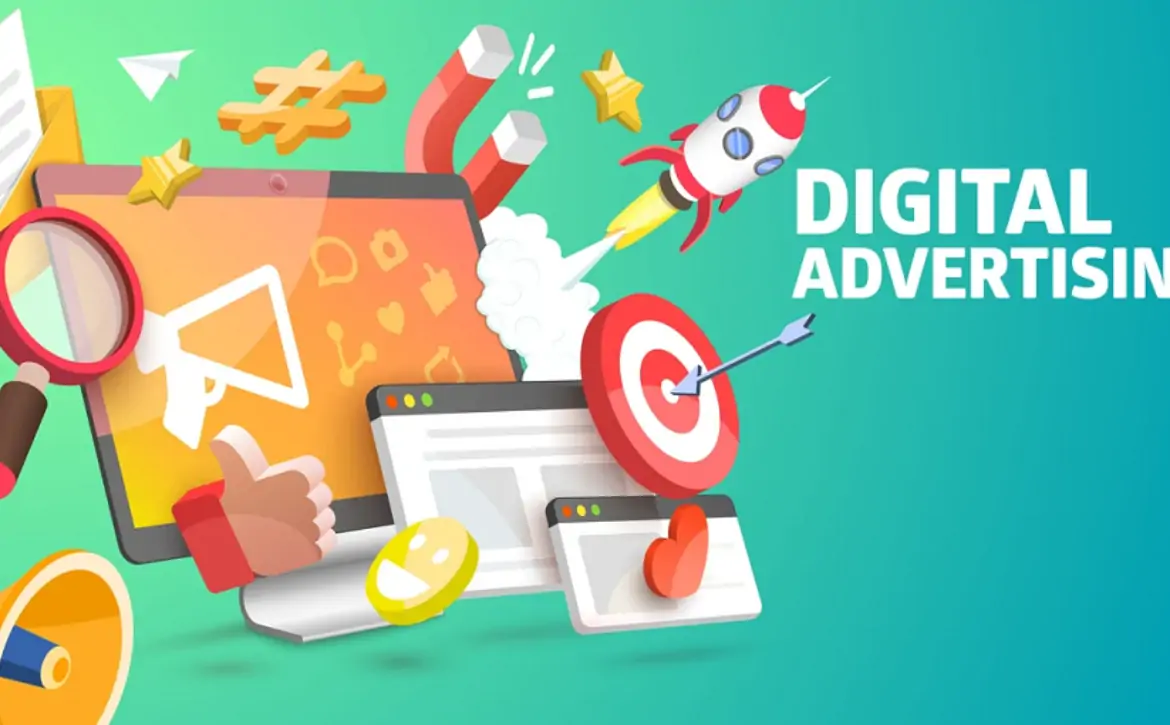
Digital Marketing Ads: Features, Benefits, and Revenue Strategies

Digital marketing advertisements have become a potent tool for companies and marketers to reach their target audience, drive engagement, and accomplish business objectives in today’s fast-paced digital ecosystem, where consumers are continuously inundated with information and options. Digital marketing ads span a variety of forms and platforms, from social network promotions to search engine ads, each presenting its own set of potential and difficulties.

Digital marketing ads are promotional messages or material that are shared online to reach a certain audience and accomplish particular marketing goals. These ads employ digital technologies and the internet to interact with consumers on a range of channels, such as email newsletters, social media networks, mobile apps, websites, and search engines. 

Text-based search ads, eye-catching display/banner ads, captivating video commercials, interactive social media ads, and flawlessly integrated native ads are just a few of the forms available for digital marketing advertisements. They usually use attention-grabbing imagery, persuading text, and obvious calls to action to draw in viewers and motivate them to perform the intended action—visiting a website, buying something, subscribing to a newsletter, or interacting with brand content, for example. In the digital age, digital marketing advertisements are an invaluable tool for organizations to reach their target audience, drive engagement, and accomplish their marketing objectives because they provide precise targeting possibilities, sophisticated measurement and analytics capabilities, cost-effectiveness, and flexibility.

In the digital era, digital marketing ads examples are crucial for companies to reach their target audience, encourage engagement, and accomplish marketing goals. Global reach, accurate targeting options, strong analytics and measurement capabilities, flexibility, cost-effectiveness, and control over campaign parameters are all provided by them. By offering interactive experiences, they may entice consumers to interact with the material. Because of how widely used the internet is, digital marketing may reach consumers anywhere in the world, gaining market share. Data-driven optimization optimizes outcomes and accomplishes marketing goals.

This in-depth guide examines the definition of digital marketing advertisements, their salient features, the advantages they provide to businesses and marketers, and how they yield income within the digital ecosystem.

Understanding Digital Marketing Ads

A key component of contemporary advertising campaigns is digital marketing which uses digital platforms to link companies with their target market in fresh and powerful ways. These ads come in a range of forms and platforms, such as social network promos and search engine ads, and each one presents a different chance for interaction and conversion. Digital marketing ads ideas are essentially promotional messages or materials that are disseminated via digital platforms to target particular demographics and accomplish predetermined marketing goals. 

Digital marketing advertisements, in contrast to traditional forms of advertising, take advantage of the internet’s widespread use and the popularity of digital devices to offer campaigns that are interactive, quantifiable, and targeted. To better grasp their place in the modern marketing environment, let’s take a closer look at the essential elements and workings of digital marketing ads.


Key Aspects of Digital Marketing Ads

Digital marketing ads offer a diverse strategy for connecting and interacting with target consumers on the internet. For campaigns to be successful and produce results, it is crucial to comprehend the fundamentals of digital marketing advertisements. These are the essential elements: 

  1. Targeting: The capacity to target particular audiences based on their demographics, interests, behavior, and other factors is one of the most important features of digital marketing advertisements. Marketers can maximize the efficacy and relevance of their ads by reaching the right people at the right time with the appropriate message, thanks to the advanced targeting possibilities provided by digital advertising platforms. 
  2. Ad Creative: The visual and literary components of the advertisement, such as the headlines, body copy, calls-to-action, videos, and photographs, are referred to as the “ad creative.” The purpose of the advertisement’s creativity is to draw in viewers, successfully communicate the message, and compel them to act.
  3. Placement: The term “placement” describes where the advertisement will appear on digital media. Placements on websites, search engine results pages, social media feeds, mobile apps, and email newsletters are a few examples of this. The right audience will see the advertisement in the proper context thanks to strategic placement.
  4. Bidding and Budgeting: Setting a daily or lifetime budget for the campaign and figuring out how much advertisers are ready to spend for each engagement (such as a click or an impression) with their ad are known as bidding and budgeting. In live auctions, advertisers compete with one another to place their ads; the highest bidder gets to keep the spot.
  5. Ad Formats: The best digital marketing ads are available in a variety of styles, each suited to a certain platform and goal. Search ads are text-based ads that appear next to search engine results. Display ads are image or banner ads that appear on websites. Video ads are short videos that appear on platforms that allow users to share videos. Social media ads are ads that appear in social media feeds. Native ads are ads that are integrated naturally into the platform’s content.
  6. Measurability and Analytics: With the powerful measurement and analytics tools that digital marketing ads offer, marketers can monitor and evaluate the effectiveness of their campaigns in real-time. Data-driven decision-making is made possible by metrics like impressions, clicks, conversions, click-through rate (CTR), cost per click (CPC), and return on investment (ROI), which offer insightful information about the efficacy of campaigns. 
  7. Flexibility and Customization: With the unmatched flexibility and customization choices provided by digital marketing ads, marketers can easily adapt their campaigns to meet specific goals, target audiences, and financial limitations. Marketers manage every facet of their digital advertising campaigns, from messaging and ad design to targeting specifications and bidding tactics.
  8. Interactivity and Engagement: Digital marketing advertisements, in contrast to traditional media, provide customers with interactive and interesting experiences. Digital ads stimulate user participation and interaction through interactive films, call-to-action buttons, clickable links, and immersive ad formats. This leads to better levels of engagement and brand memory.
  9. Ad Formats and Platforms: Digital marketing advertisements are disseminated via diverse formats and channels, each possessing distinct benefits and functionalities. Marketers can select from a wide variety of ad formats and platforms to efficiently reach their target audience, ranging from social media advertising on Facebook, Instagram, Twitter, and LinkedIn to search engine advertising on platforms like Google Ads and Bing Ads.

FAQs

What is digital marketing ads?

With the intention of targeting a particular target population, digital marketing ads are promotional messages or material that are displayed on digital platforms like websites, search engines, social media, and mobile apps. These digital advertisements might be text-based, image-based, video-based, or include interactive components. Their goal is to reach prospective consumers by promoting brands, products, or services.

What are 5 examples of digital marketing?

Search engine optimization (SEO), social media marketing, email marketing, content marketing, and pay-per-click (PPC) advertising are five instances of digital marketing.

What are the 4 major types of digital marketing?

Search engine optimization (SEO), social media marketing, content marketing, and email marketing are the four main categories of digital marketing. These strategies cover a broad spectrum of methods and approaches meant to connect and interact with target audiences online.

What type of digital ads are most effective?

The target demographic, campaign goals, and industry are just a few examples of the variables that might affect how effective digital advertisements are. Nonetheless, there are a few forms of digital advertisements that are frequently regarded as successful. These include search engine advertisements, like Google Ads; social media advertisements on sites like Facebook, Instagram, and LinkedIn; video advertisements on sites like YouTube; and native advertising, which seamlessly integrates with the platform’s content. The most successful kind of digital advertisement will ultimately rely on the advertiser’s preferences and particular objectives.

Does digital marketing really work?

Internet marketing can be successful when implemented correctly, allowing businesses to target their audience, interact with them through various channels, and track their effectiveness in real-time. Strategies like PPC advertising, social media marketing, content marketing, email marketing, and SEO can increase brand awareness, website traffic, leads, and sales.

Is digital marketing easy for beginners?

Digital marketing can be both accessible and challenging for beginners, depending on their background, skills, and willingness to learn. Beginners can access resources like online courses, tutorials, blogs, and forums, and use user-friendly platforms for campaign creation and management. Success in digital marketing relies on curiosity, persistence, and experimentation. By starting with the basics, gradually building skills, and staying updated, beginners can develop the necessary expertise.

Benefits of Digital Marketing Ads

There are several advantages to using digital marketing advertisements for companies looking to reach a wider audience, interact with them, and produce significant outcomes. First of all, these ads offer unmatched targeting power, enabling companies to target particular audience segments according to their demographics, hobbies, and other characteristics. This guarantees that ads are shown to the most relevant audiences, resulting in higher engagement and conversion rates. 

Additionally, with the powerful measurement and analytics capabilities that digital marketing advertising provides, firms can monitor and evaluate campaign effectiveness in real-time, gaining important information for data-driven optimization and decision-making. Additionally, because successful digital marketing campaigns examples frequently have lower costs per impression, click, and acquisition than traditional advertising techniques, they are affordable for companies of all sizes. Digital marketing advertising provides organizations with the flexibility and freedom to tailor their campaigns to target demographics, specific objectives, and budgetary limits, resulting in maximum efficiency and performance. 

Furthermore, digital marketing advertisements offer a worldwide audience, allowing companies to reach new markets and grow their clientele beyond national borders. Higher levels of user engagement and brand interaction are fostered by the interaction and engagement elements of digital ads, such as call-to-action buttons, clickable links, and interactive content.

Moreover, by refining targeting, message, and creativity based on campaign data and insights, data-driven optimization enables organizations to maximize ROI and results. Finally, individual consumers can receive tailored and pertinent messages from digital marketing ads, which improves brand loyalty and raises the possibility of conversions and repeat business. In general, digital marketing advertisements enable companies to engage with their target market, accomplish their marketing objectives, and promote long-term expansion in the current digital environment.

  1. Targeted Reach: With the use of digital marketing advertisements, advertisers may target particular audiences according to their demographics, interests, behavior, and other factors, making sure that the correct people see their messages at the right moment.
  2. Cost-Effectiveness: Digital marketing ads are a cost-effective choice for companies of all sizes since they frequently offer cheaper costs per impression (CPM), click (CPC), and acquisition (CPA) than traditional advertising tactics.
  3. Measurable Results: Strong measurement and analytics tools offered by digital marketing advertisements enable advertisers to monitor and assess campaign results in real time and fine-tune their approaches for optimal impact.
  4. Increased Engagement: Digital marketing ads can enhance user engagement through interactive ad formats and captivating content, resulting in elevated brand awareness, consideration, and conversion rates.
  5. Global Reach: With the ability to reach viewers anywhere in the world, digital marketing advertisements allow firms to access new markets and broaden their customer base.
  6. Flexibility and Control: Digital marketing advertisements provide marketers with unmatched flexibility and control over campaign settings, enabling them to tailor their approaches to particular goals, target markets, and financial limitations.

How Digital Marketing Ads Generate Revenue for Marketers and Brands

The real life examples of digital marketing ads are an effective means of producing cash for companies and marketers through the facilitation of several processes that drive sales, raise brand awareness, and cultivate customer interaction. 

Firstly, through direct purchases and conversions, these ads directly support the creation of money. Marketers can drive transactions and make money by directly marketing goods or services to consumers through digital platforms. This can be done through leads that the advertising generates or through online purchases. Furthermore, through forms, landing pages, and other conversion steps, digital marketing advertisements capture potential clients and play a crucial part in lead creation. Through focused marketing initiatives, these leads can subsequently be developed into conversions and the creation of income. 

Moreover, digital marketing advertisements drive traffic to online stores and make purchases possible, enabling e-commerce transactions. Companies can utilize digital ads to market goods, deals, and events and entice customers to buy straight from the advertisement. 

Furthermore, digital marketing ads are frequently used by affiliate marketing programs to advertise affiliate goods and services. Marketers are compensated with a commission for each sale or referral that results from their advertising. Digital marketing advertisements can also help subscription models by promoting membership programs and subscription services, bringing in new members, and creating recurring revenue streams. 

Finally, digital marketing advertisements increase client lifetime value, promote brand awareness, and encourage customer loyalty in addition to contributing to long-term revenue growth, even though they are not directly linked to immediate income generation.

Brands may position themselves for long-term success and revenue growth by staying visible in the digital space and interacting with people through interesting and relevant content.

  1. Direct Sales: Direct sales are one of the main ways that digital marketing advertisements make money. Marketers and companies can increase conversions and revenue by directly marketing goods and services to consumers via digital media.
  2. Lead Generation: Using forms, landing pages, and other conversion steps, digital marketing ads can also be effective tools for generating leads. The company can thereafter make money by nurturing these leads through focused marketing campaigns and eventually turning them into paying clients.
  3. E-commerce Transactions: Digital marketing advertisements are essential for e-commerce companies to drive online sales and transactions. Businesses can draw clients to their online storefronts and streamline transactions by marketing products and special offers through digital platforms. This allows them to make money directly from online purchases.
  4. Affiliate Marketing: Digital marketing advertisements can be used to advertise affiliate goods and services. When a sale or referral is made as a result of a marketer’s promotion, they are paid a commission. Marketers can profit from affiliate commissions on sales generated by their digital marketing campaigns by utilizing affiliate partnerships and tracking affiliate links.
  5. Subscription Models: Some companies utilize digital marketing advertisements to advertise membership services and subscription services, especially in the software as a service (SaaS) and subscription-based industries. Recurring revenue streams from subscription fees can be produced by businesses through the acquisition of new subscribers and retention of current ones through targeted advertising.
  6. Brand Awareness and Loyalty: Digital marketing ads can boost revenue over the long run by raising customer lifetime value, cultivating brand awareness, and encouraging customer loyalty—all of which are not immediately related to the generation of income right away. Brands may position themselves for long-term success and revenue growth by staying visible in the digital space and interacting with people through interesting and relevant content.

The Future Of Digital Marketing Ads

Driven by changing consumer behaviors, industry trends, and technological breakthroughs, digital marketing advertising is expected to have a dynamic and transformational future. The future of digital marketing advertisements is anticipated to be shaped by several significant developments:

  1. AI and Machine Learning: Digital marketing ads are being revolutionized by artificial intelligence (AI) and machine learning algorithms, which make it possible for more precise targeting, customized messages, and predictive analytics. Massive volumes of data may be analyzed by AI-powered systems to spot trends, instantly improve campaigns, and provide users with more relevant and interesting ads.
  2. Augmented Reality (AR) and Virtual Reality (VR): VR and AR technology are opening up new avenues for interactive and immersive advertising. To engage customers in novel ways and increase brand engagement and loyalty, brands can produce gamified experiences, interactive 3D ads, and virtual product demos.
  3. Voice Search and Smart Assistants: The way that customers interact with digital information and ads is changing due to the advent of voice search and smart assistants such as Apple Siri, Google Assistant, and Amazon Alexa. In the era of smart speakers and speech-activated devices, marketers will need to tailor their ads for voice search and investigate new avenues for audio-based advertising to reach customers.
  4. Data Privacy and Regulation: Regulations like the California Consumer Privacy Act (CCPA) and the General Data Protection Regulation (GDPR) are influencing how companies gather, utilize, and safeguard customer data for digital advertising in response to growing concerns about data privacy and consumer protection. To sustain consumer trust and regulatory compliance, advertisers must place a high priority on permission, transparency, and adherence to privacy standards.
  5. Contextual Advertising: As an alternative to cookie-based targeting, contextual advertising—which targets ads based on the content and context of the web page or digital platform—is becoming more popular. Contextual advertising provides an efficient and privacy-friendly means of reaching relevant audiences based on the content they consume, especially in light of the decline of third-party cookies and the heightened privacy requirements.
  6. Emerging Platforms and Channels: To effectively engage consumers on these platforms, marketers will need to modify their advertising strategies when new digital channels and platforms, including TikTok, Snapchat, and developing social commerce platforms, arise. Influencer marketing, live streaming, and social commerce have opened up new channels for firms to reach customers and increase revenue through digital ads.
  7. Sustainability and Corporate Social Responsibility (CSR): When making judgments about what to buy, consumers place a greater emphasis on corporate social responsibility, sustainability, and ethical company practices. As a result, to connect with socially conscious consumers and foster brand loyalty, firms must include principles like environmental sustainability, social justice, and diversity in their digital marketing ads.

The digital marketing ads of the future will be shaped by creativity, individualization, and moral responsibility; they will make use of cutting-edge technologies, give top priority to customer privacy, and support CSR and sustainability projects. In today’s digital-first environment, businesses can achieve long-term success and growth with the appropriate strategy and investment in digital marketing advertisements. 

Read More

The Power of Local Search Dominators SEO Groups for Marketers

The significance of local search engine optimization in the dynamic field of digital marketing cannot be emphasized. Marketers are using specialist groups called Local Search Dominators SEO Groups to increase their exposure and competitiveness in local marketplaces as customers increasingly rely on search engines to identify local companies and services. This in-depth manual delves into the methods these teams use, how they assist marketers in understanding the nuances of local search optimization, and how these groups function.

Understanding Local Search Dominators SEO Groups:

Specialized Expertise:

Experts with specific expertise and experience in local search optimization make up Local Search Dominators SEO Groups. These experts use their knowledge of the particular difficulties and possibilities that local markets provide to create customized plans that produce desired outcomes for their customers.

Local Market Insights: 

Working with Local Search Dominators SEO Groups offers several benefits, one of which is their in-depth knowledge of the characteristics of local markets. Their insightful knowledge of consumer behavior, competitive dynamics, and local search trends enables marketers to stay ahead of the curve in their target markets and make well-informed decisions. 

Comprehensive Approach:

SEO groups holistically optimize local search by creating citations, using local schema markup, monitoring internet reviews, and improving business listings. They ensure marketers have a strong, reliable online presence by addressing all aspects.

Data-Driven Strategies:

Local Search Dominators SEO Groups utilize advanced analytics tools and metrics to optimize local search, ensuring data-driven tactics. They monitor performance metrics like local search rankings, website traffic, and conversion rates, enabling informed campaign success.

The Power of Local Search Dominators SEO Groups

How Local Search Dominators SEO Groups Work for Marketers:

Enhanced Local Visibility:

Local Search Dominators SEO Groups aim to enhance clients’ local search results exposure by focusing on location-specific keywords, maintaining consistency across online directories, and optimizing company listings with accurate information, thereby increasing their chances of being discovered by local consumers.

Targeted Audience Reach:

Dominators in Local Search SEO groups concentrate on geo-targeted keywords and local search intent to help advertisers more efficiently reach their target audience. To make sure that marketers’ messaging connects with their target audience and generates qualified leads for their websites or shops, they find pertinent search queries and optimize content to meet the intent of local searchers.

Reputation Management:

Local Search Dominators SEO Groups excel at reputation management, proactively addressing client comments and reviews to establish and maintain a positive online reputation. This helps marketers gain local clients’ trust and credibility, setting them apart from competitors.

Maximized Return on Investment (ROI):

Local search optimization offers a high ROI for marketers, with Local Search Dominators SEO Groups assisting in maximizing ROI by focusing on local search intent and optimizing for relevant keywords, thereby reaching more likely-to-convert customers.

Competitive Advantage:

Being well-represented in local search results is crucial for marketers to differentiate themselves in the competitive world of today. By helping them outrank rivals in local search results, draw in more clients, and expand their businesses in their target markets, Local Search Dominators SEO Groups give marketers a competitive edge.

The Power of Local Search Dominators SEO Groups for Marketers

Benefits of Working with Local Search Dominators SEO Groups:

Expert Guidance and Support:

By collaborating with Local Search Dominators SEO Groups, businesses may get professional advice and assistance from experts who specialize in local search optimization. These teams assist marketers in reaching their objectives and producing positive outcomes in regional markets by offering strategic counsel, tailored suggestions, and continuous assistance.

Time and Resource Savings: 

Effective local search engine optimization takes time, effort, and resources. By working with Local Search Dominators SEO Groups, businesses can delegate their local SEO tasks to experts and save time and money. This gives marketers the freedom to concentrate on other facets of their company, knowing that their local search optimization is in competent hands.

Measurable Results and Accountability:

Dominators in Local Search SEO groups are accountable and transparent in their operations, giving advertisers quantifiable outcomes and performance indicators to monitor the effectiveness of their efforts. They analyze return on investment, track key performance indicators, and show how their work has affected their clients’ companies using cutting-edge analytics tools and reporting systems.

Long-Term Growth and Sustainability:

Local search engine optimization is a continuous process that requires constant monitoring and adjustment. Local Search Dominators SEO Groups, long-term partners, help marketers achieve success and sustainable growth in local markets, ensuring companies remain resilient and competitive.

Read More

How to Select the Most Effective Personalised Branding Iron

Today’s consumers demand uniqueness and personalisation, and personalised branding irons give you the chance to leave a lasting impression on your goods. Personalised branding irons may give your job a distinctive touch, whether you’re an expert in grilling, leather craftsmanship, or carpentry. But with so many options accessible, how can you pick the most suitable and useful personalised branding iron for your needs?

This guide looks at the most crucial factors to consider when choosing a custom branding iron and provides advice on how to get the best one to make your work better.

Understanding Your Needs:

  • Material Compatibility:

The first step in choosing a custom branding iron is to consider the materials you’ll be marking. Irons designed especially to work with wood, leather, or food are available. Make sure the branding iron you choose is suitable for the material you intend to use to achieve the best results.

  • Dimensions and Style:

Think about the branding iron’s dimensions and style that you require. For more complex tasks, are you searching for a small, precise design or a larger, bolder design? Select a branding iron that goes well with your style and look by taking your projects’ dimensions and shapes into consideration.

  • Customisation Options:

Customisation is essential when selecting a branding iron. Seek out a personalised branding iron business that has customisable alternatives, including adding a personalised design, your initials, or your brand. This enables you to design a branding iron that expresses your distinct personality and distinguishes your work from the competition.

Most Effective Personalised Branding Iron

Quality and Durability:

  • Material Quality:

To get clean, precise markings on your products, the branding iron’s quality is essential. Seek for branding irons composed of premium materials that can withstand heat and are long-lasting, such as brass or stainless steel. Steer clear of less expensive materials that could eventually flex or distort and lower the quality of your marks.

  • Heat Resistance:

Make sure the branding iron you use can sustain high temperatures without losing its shape or warping. For consistent, uniform markings on your products—especially on heat-sensitive goods like leather or food—heat resistance is a must.

  • Ease of Use:

Consider the personalised branding iron’s ease of use, particularly if you plan to use it regularly. Look for features that make it easier to use and manage, like adjustable temperature settings, removable heads, and ergonomic handles. Your workflow will be improved, and the branding process will run more smoothly with an easy-to-use branding iron.

Finding the Right Supplier:

  • Reputation and Reviews:

To evaluate a potential supplier’s reputation and dependability, do your homework and read other customers’ feedback. Seek vendors who have a history of creating branding irons of the highest caliber and offering top-notch customer support. Reputable suppliers can assist you make an informed choice by being open and honest about their products and procedures.

  • Customisation Process:

Find out more about the supplier’s customisation procedure. Do they provide revisions, digital proofs, and design support to make sure your branding iron is up to your standards? Select a vendor who is prepared to collaborate closely with you to realise your vision and provide a customised branding iron that goes above and beyond your expectations.

  • Price and Value:

While cost is a crucial consideration, it shouldn’t be the only one used to make a personalised branding iron decision. Rather, pay attention to quality and value. To get the best branding iron for your money, compare pricing from several vendors and take into account the features, customizability, and robustness of each one.

How to Select the Most Effective Personalised Branding Iron

Tips for Successful Branding:

  • Preparation is Key:

To guarantee the greatest outcomes, thoroughly prepare your materials before branding. Even out any blemishes, give the surface a thorough cleaning, and, if required, lightly treat the surface with oil or conditioner. The personalised branding iron will produce clean, distinct imprints on your materials if you prepare them properly.

  • Test Before Branding:

Make sure the personalised branding iron’s alignment, pressure, and temperature are all right by testing it on a scrap piece of material before branding your finished product. This enables you to make any required corrections and steer clear of errors in your completed work.

  • Practice Makes Perfect:

Learning the craft of personalised branding iron requires practice, just like any other skill. Try a variety of methods, pressures, and temperatures to see what works best for your materials and designs. You’ll gain the competence and confidence to stamp your creations with marks of professional caliber with time and practice.

Read More

Unveiling the Mystery of the Google SEO Ranking Jackyan Algorithm

The competition for the coveted top spot in Google’s search results has sparked innumerable methods, techniques, and debates in the broad and constantly changing field of Search Engine Optimization (SEO). One mysterious word that has drawn the interest of both SEO specialists and enthusiasts among the many elements that affect SEO results is the “Jackyan Algorithm.” Although Google’s actual algorithm is still a mystery, a theoretical idea known as the Jackyan Algorithm has surfaced, credited to a person called Jack Yan. 

This in-depth post unravels the mystery surrounding the Google SEO ranking Jackyan Algorithm, examining its inception, significance, and consequences for search engine optimization professionals in interpreting the complex algorithms driving Google’s search results pages. 

Unraveling the Origins of the Google SEO Ranking Jackyan Algorithm

Around the beginning of the 2010s, the phrase “Jackyan Algorithm” became well-known in SEO circles. It was coined by publisher, designer, and entrepreneur Jack Yan of New Zealand. Jack Yan is well-known for his wide range of pursuits in the fields of technology, politics, typography, and branding. Though there is much discussion and speculation about the possible impact of a proprietary SEO algorithm named after him on Google’s search ranks, Jack Yan himself has not officially confirmed or endorsed its existence. 

Speculation vs. Reality: Understanding the Jackyan Algorithm

Though it is frequently mentioned in SEO discussions, the Google SEO ranking Jackyan Algorithm is still purely theoretical and has neither official Google validation nor hard data to support it. Some practitioners of SEO reject it as a myth or urban legend, while others assert that they have gained insights into its inner workings through actual observation and study.

Key Principles and Characteristics of Google SEO Ranking Jackyan Algorithm 

Supporters of the Jackyan Algorithm make comparisons between Google’s overarching objectives of relevance, quality, and user satisfaction and attach specific concepts and features to its alleged methodology. The following are some fundamental ideas related to the Google SEO ranking Jackyan Algorithm:

  1. Semantic Understanding: 

To provide search results that are consistent with user purpose and query context, the Jackyan Algorithm is said to place a high priority on semantic understanding and context.

  1. User Experience: 

It is thought that the Google SEO ranking Jackyan Algorithm considers several user experience (UX) aspects when determining the quality and relevancy of a website. These factors include page speed, mobile friendliness, and accessibility.

  1. Content Quality: 

The Google SEO ranking Jackyan Algorithm is said to prefer authoritative, high-quality information that adds value to users and exhibits expertise, authority, and trustworthiness (E-A-T).

  1. Natural Language Processing: 

It is hypothesized that the Jackyan Algorithm would use machine learning and natural language processing (NLP) to decipher and comprehend the subtleties of human communication and language.

  1. Brand Signals: 

It is thought that the Google SEO ranking Jackyan Algorithm takes into account brand mentions, citations, and social signals when determining the authority and credibility of a website.

Strategies for Optimizing the Google SEO Ranking Jackyan Algorithm

Although the Jackyan Algorithm’s exact details are still unknown, SEO experts are still investigating methods for optimizing websites according to its alleged features and principles. Several tactics that could be in line with the Google SEO ranking Jackyan Algorithm’s speculative principles are as follows:

  1. Pay Attention to User Intent: 

Give material that speaks to user intent and gives users useful, pertinent information a top priority. Perform keyword research to comprehend consumer preferences and questions so that you can produce content that successfully satisfies their wants.

  1. Optimize for Semantic Search: 

Make sure your material is organized with an emphasis on context and semantic relevance. To boost semantic understanding and provide thorough coverage of issues, use natural language and add relevant keywords and phrases.

  1. Improve the User Experience:

Invest in website optimization to provide a consistent user experience across platforms and devices. To increase user happiness and engagement, speed up page loads, make mobile usability a priority, and make sure navigation is easy to use.

  1. Produce High-Quality information: 

Put your energy into producing authoritative, high-quality information that embodies knowledge, credibility, and reliability (E-A-T). To establish your website as a reliable resource in your niche, make a significant investment in research, offer unique insights, and reference reliable sources.

  1. Establish Brand Authority: 

Using content marketing, digital PR, and smart branding, you may build your brand’s authority and presence. Develop connections with thought leaders, industry magazines, and influencers to boost brand awareness and obtain useful backlinks and brand mentions.

The Future of SEO and the Google SEO Ranking Jackyan Algorithm

The search for knowledge about Google’s algorithms, particularly the enigmatic Google SEO ranking Jackyan Algorithm, endures among SEO fans and practitioners as the field of SEO changes. Although the Jackyan Algorithm is still purely theoretical, its alleged tenets are highly consistent with Google’s broad objectives of customer satisfaction, quality, and relevancy. Whether true or not, the Jackyan Algorithm’s guiding principles offer insightful information on SEO tactics that are successful in providing users with value and raising the standard of websites.

Conclusion: In the context of search engine optimization, the Jackyan Algorithm is an intriguing but mysterious idea credited to a person or thing by the name of Jack Yan. The existence of the Jackyan Algorithm is still up for debate, but the features and principles it is said to follow provide useful information for SEO tactics that prioritize user experience, semantic understanding, content quality, and brand authority. Whether the Jackyan Algorithm is real or fictitious, its impact on SEO discourse highlights the constant struggle to comprehend and become an expert in Google’s search algorithms given the constantly shifting nature of the internet. 

Read More

A Complete Guide to Unlocking the Potential of Sitemap Generator

A sitemap guides search engines through the maze-like terrain of the internet, where websites are dispersed across digital spaces, making it easier for them to find and index material. Sitemaps are the unsung heroes of web construction; they make sure that search engine crawlers find and comprehend every part of a website. However, creating these elaborate maps by hand may be a difficult undertaking, particularly for big websites with many pages. A sitemap generator can help with this by providing an automated way to make the process go more smoothly. 

Understanding the Significance of Sitemaps

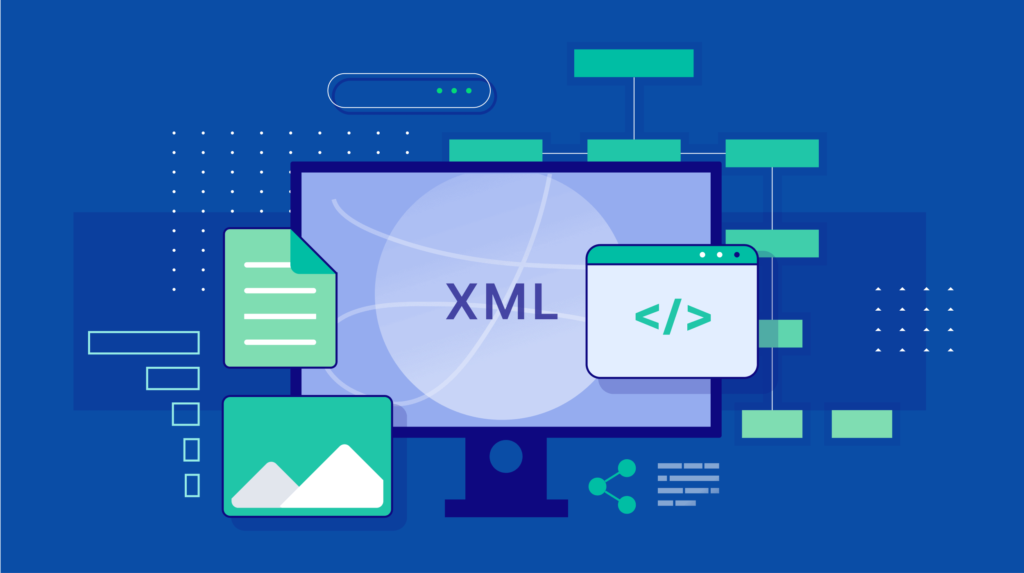
Sitemaps are diagrams that display a website’s hierarchy, structure, and URLs. They aid search engines in efficiently crawling and indexing pages, allowing crawlers like Googlebot and Bingbot to find fresh information. This improves a website’s online presence and drives organic traffic, making it more visible in search engine rankings.

The Role of Sitemap Generators

Sitemaps streamline the process of creating XML sitemaps by crawling websites, examining their structure, determining accessible pages, and organizing them into a logical sitemap, making the process easier for intricate websites with dynamic information.

This is a summary of their main purpose:

  1. Crawling: They mimic the actions of search engine crawlers, which systematically navigate websites to find and examine web pages.
  2. Indexing: After the pages are found by the crawler, the generator gathers them into an XML sitemap and groups them according to priority, frequency of changes, and last modification date.
  3. Optimization: A few sophisticated sitemap builders come with optimization tools that let you set crawl depth, include or exclude particular URLs, and prioritize particular pages.

These solutions free up webmasters and developers to concentrate on other facets of website administration and optimization by automating the sitemap generation process. 

Guide to Unlocking the Potential of Sitemap Generator

Key Features to Consider

It’s critical to assess a sitemap’s features and capabilities before choosing one for your website to make sure it fulfills your needs. 

Some important factors to consider:

  1. Crawl Depth: A good sitemap should allow for changes in crawl depth to ensure all relevant pages are included without consuming all server resources.
  2. Options for Customization: Utilize generators that allow for customization of factors like priority, frequency of changes, and the latest update date, thereby aligning the sitemap with your website’s content strategy and search engine optimization objectives.
  3. Keep an eye out for Crawl mistakes: Frequently review crawl mistakes and problems that search engines have reported. By quickly fixing these mistakes, you may avoid indexing problems and guarantee that your website will appear as high as possible in search results.
  4. Optimize for Mobile: Make sure your sitemap is optimized for mobile usability, given the growing popularity of mobile devices. In addition to improving user experience, responsive design and mobile-friendly navigation raise search engine results.
  5. Make Use of Sitemap Indexing: Consider making a sitemap index file to combine several sitemaps for huge websites. This makes management easier and guarantees that search engines can quickly retrieve all pertinent sitemap files.

Top Sitemap Generator Tools

With so many sitemaps on the market, it might be difficult to select the best one. Here are a few of the best sitemap programs that are well-known for their dependability and effectiveness to make your choosing process easier: 

  1. Yoast SEO: Yoast SEO is a popular WordPress plugin that features a powerful sitemap, automatic XML sitemap creation, customizable options, and Google Search Console integration.
  2. Screaming Frog SEO Spider: This SEO-focused desktop application crawls websites for comprehensive assessments, generates XML sitemaps for small to medium-sized websites, and offers custom extraction and XPath analysis. 
  3. Google XML Sitemaps: Google XML Sitemaps simplifies WordPress website creation and updates, supporting all types of WordPress-generated sites and updating the sitemap with new content.
  4. Dyno Mapper: The comprehensive website planning tool suite is ideal for complex websites, offering advanced customization options and reporting tools for creating XML, HTML, and visual sitemaps.
  5. XML-Sitemaps.com: This web-based sitemap simplifies creating XML and HTML sitemaps for websites of various sizes, with an intuitive interface that allows users to set crawl depth and priority parameters.
The Potential of Sitemap Generator

Best Practices for Sitemap Management

Although sitemaps make the process of building sitemaps more automated, managing sitemaps well is crucial to maximizing their usefulness. Observe the following recommended practices: 

  1. Frequent Updates: Make sure that any modifications to the content of your website are reflected in your sitemap. To expedite the process, schedule sitemap updates automatically.
  2. Send Content to Search Engines: After creating a sitemap, use the webmaster tools provided by Google, Bing, and Yahoo to submit it to these and other major search engines. This makes sure that your material is effectively found and indexed by search engine crawlers.
  3. Follow Up on Crawl Errors: Check for crawl flaws and problems that search engines have reported regularly. By quickly fixing these mistakes, you may avoid indexing problems and guarantee that your website will appear as high as possible in search results. 
  4. Optimize for Mobile: Make sure your sitemap is optimized for mobile usability, given the growing popularity of mobile devices. In addition to improving user experience, responsive design and mobile-friendly navigation raise search engine results.
  5. Use Sitemap Indexing: If your website is vast and has several sitemaps, you might want to consider compiling them into a sitemap index file. This makes management easier and guarantees that search engines can quickly retrieve all pertinent sitemap files. 

Sitemaps are crucial for search engine optimization in the constantly evolving online landscape. A sitemap generator enhances discoverability and visibility, allowing webmasters to navigate the digital landscape confidently, and ensuring their content is visible to search engines and audiences.

Read More

Navigating Domain Name and Hosting Requirements

To build a powerful online presence, selecting the ideal domain name and hosting company is essential. When making judgments, take into account elements like support, scalability, performance, brand alignment, hosting dependability, and domain availability. To guarantee the long-term success of your website, conduct extensive research, evaluate your needs, and give quality and dependability priority.

A solid online presence is crucial for individuals, companies, and organizations in the current digital era. The domain name and hosting are two essential elements in creating this presence. Your website’s files are stored and made available to visitors by your hosting provider, but your domain name acts as your online address. For one to succeed online, selecting the ideal domain name and hosting company is essential. We’ll go over the specifics of domain name registration and hosting requirements in this extensive guide, enabling you to make well-informed selections that will serve as a strong basis for your online activities. 

Understanding Domain Names:

A memorable name followed by a domain extension (.com,.org,.net, etc.) makes up a domain name, which is your website’s unique online address. Think about things like brand alignment, memorability, relevancy, and availability while selecting a domain name. Choose a name that appeals to your target market, accurately conveys your brand identity, and is simple to spell and pronounce. Make sure the domain name you have selected is free to use and hasn’t been trademarked by anybody else by doing extensive research. Tools are available for determining the availability of domains and easing registration from domain registrars such as GoDaddy, Namecheap, and Google Domains.

Navigating Domain Name and Hosting Requirements

Selecting a Hosting Provider:

The service known as hosting is what keeps the files for your website online and allows users to view them. Prioritize aspects like security, scalability, performance, dependability, and support when choosing a hosting company. Select a supplier with a track record of dependability and uptime, as downtime can have a detrimental effect on SEO rankings and user experience. To guarantee peak performance and availability, evaluate the infrastructure of the supplier, taking into account network connectivity, data centers, and server hardware. Take into account the scalability and resource requirements of your website and choose a hosting package that can expand with it. 

Types of Hosting:

  1. A variety of hosting alternatives are available to suit varying demands and budgets. These include:
  2. Shared Hosting: Sharing server resources with several other websites on the same server, shared hosting is perfect for small websites and novices. Shared hosting is less expensive, but because it shares resources, it may have restricted resources and poorer performance.
  3. Virtual Private Server (VPS) hosting offers more control, scalability, and performance than shared hosting since it offers dedicated resources inside a virtualized environment. Growing websites with moderate to high traffic counts can benefit from VPS hosting.
  4. Dedicated hosting offers the best performance, control, and customization possibilities by renting a whole physical server just for your website. For large websites with significant traffic levels and resource-demanding applications, dedicated hosting is advised.
  5. Cloud Hosting: Cloud hosting offers scalability, redundancy, and reliability by dynamically allocating resources through a network of linked virtual servers. Websites with high-performance needs and varying traffic levels can benefit from cloud hosting. 
Domain Name and Hosting Requirements

Essential Hosting Features:

The following crucial elements should be taken into account while assessing hosting companies and plans:

  1. Uptime Guarantee: To make sure that your website is always accessible to visitors, look for providers who provide a strong uptime guarantee.
  2. Performance Optimization: To deliver quick and responsive websites, give preference to providers that use strategies like caching, content delivery networks (CDNs), and SSD storage.
  3. Security Measures: To protect your website and data, select providers who use strong security measures, including SSL/TLS encryption, DDoS protection, malware scanning, and routine backups.
  4. Scalability Options: Select hosting packages that have scalability options so you may quickly increase resources as the volume and complexity of your website increase. 
  5. Customer service: Evaluate the availability, reaction times, and channels of the provider’s customer service to guarantee that you receive timely assistance in the event of problems or crises. 

For your website to succeed and have a strong online presence, selecting the ideal domain name and hosting company is essential. When making decisions, do extensive research, evaluate your demands, and give top priority to elements like brand alignment, hosting dependability, performance, scalability, and support, as well as domain availability. Make a wise investment in quality and dependability to lay the groundwork for your online activities and enable your website to prosper in the cutthroat digital market. You may position yourself for long-term success and growth in the internet space with thoughtful preparation and thought. 

Read More

Combining Branding and Website Design for a Workable Strategy

Building an appealing and unified strategy now heavily depends on the synergy between branding and website design, as first impressions are frequently made online in the digital age. A brand’s website functions as its online storefront and branding creates a character and identity that appeal to consumers. When these components work together in harmony, the result is a smooth, memorable user experience that promotes loyalty, engagement, and trust. This article explores the mutually beneficial relationship between branding and website design, showing how the two work in concert to create an enticing plan that draws in customers and promotes business success.

Understanding Branding and Website Design

Before delving into their interaction, let us clarify the fundamental ideas behind branding and website design: 

Branding and Website Design for a Workable Strategy

The Interplay Between Branding and Website Design

Despite being two separate fields, branding and website design are inextricably linked, with each greatly impacting and improving the other. They work well together to provide an enticing strategy in the following ways: 

  1. Consistency in Visual Identity: Effective branding and website design are mostly dependent on a unified visual identity. Brands establish a consistent and identifiable identity by coordinating visual components, including colors, font, and imagery throughout all brand touchpoints, such as the website, social media accounts, and promotional materials. Audiences are more likely to engage with and remember a brand that is consistent in cultivating familiarity and trust.
  2. Reflecting Brand Values and Personality: The website is a platform for a brand to visually express its values, personality, and culture, using imagery, messaging, and design elements to evoke desired emotions in visitors. Brands with innovative values may opt for modern designs, while those with heritage may opt for classic aesthetics.
  3. Enhanced User Experience (UX): A well-designed website not only looks appealing but also functions seamlessly, providing an exceptional user experience. By incorporating brand personality and values, it creates a user-centric experience, with intuitive navigation, clear messaging, and engaging visuals boosting conversion rates.
  4. Building Brand Trust and Credibility: Trust is crucial for a successful brand-consumer relationship. A professionally designed website, with intuitive navigation, secure payment gateways, high-quality content, and responsive design, instills confidence and credibility, fostering long-term customer relationships.
  5. Differentiation and Competitive Advantage: Website design allows brands to stand out in a competitive market by showcasing their unique selling points and positioning themselves as industry leaders by incorporating distinctive brand elements and messaging.
Combining Branding and Website Design for a Workable Strategy

Crafting an Integrated Strategy

To effectively combine branding and website design, brands should adopt an integrated approach that seamlessly aligns both elements;

  1. Define Your Brand Identity: Establish your brand’s identity, beliefs, and personality first. Determine the most important brand traits to convey to your intended audience, then make sure that all brand touchpoints—including the website—have consistency. 
  2. Understand Your Audience: Learn about the problems, habits, and preferences of your target market. To create a unique and meaningful experience, adjust the style and messaging of your website to speak to their wants and goals. 
  3. Create Compelling Visuals: Invest in high-quality photography and design that captures the essence of your business and appeals to your target market. Strategically use imagery, typography, and colors to elicit feelings and effectively communicate the personality of your business.
  4. Optimize for User Experience: Make user experience (UX) a top priority when designing websites by emphasizing accessibility, quick loading times, mobile friendliness, and intuitive navigation. To find problem areas and enhance the user experience for optimum engagement and conversions, conduct usability testing.
  5. Iterate and Evolve: Refine and improve your branding and website design strategy over time by keeping an eye on user input, industry trends, and website performance indicators. Accept innovation and experimentation to stay on top of trends and wow your audience.

Case Studies: Successful Integration of Branding and Website Design

Let’s look at two case studies of brands that have effectively combined branding and website design to provide engaging digital experiences to demonstrate the power of synergy between the two elements: 

Nike, a company known for its recognizable swoosh logo and potent brand narrative, expertly incorporates its branding into the layout of its websites. The brand’s ethos of athleticism, creativity, and empowerment is embodied in the website’s bright design, dynamic animations, and inspirational messaging. Every component of Nike’s website, from the home page to the product pages, captures the brand’s essence and appeals to its wide range of sports and fitness aficionados.

The clean, sophisticated aesthetics and user-friendly interface of Apple’s website perfectly capture the company’s spirit of creativity, innovation, and simplicity. The website features sharp photography, elegant writing, and smooth navigation to present Apple products in a clear and visually appealing way. By putting the user experience first and keeping its branding consistent, Apple builds a unified digital ecosystem that draws users in and strengthens brand loyalty. 

Read More