

A Complete Guide To Search Intent Clustering With AI
Understanding what users truly want when they type a query into a search engine has become the backbone of modern SEO. Traditional keyword research often focused on volume and competition, but search engines now prioritize relevance and user satisfaction. This shift has made intent-driven strategies more important than ever. Businesses and content creators are no longer competing solely for keyword rankings. They are competing to deliver meaningful answers that align with user expectations.
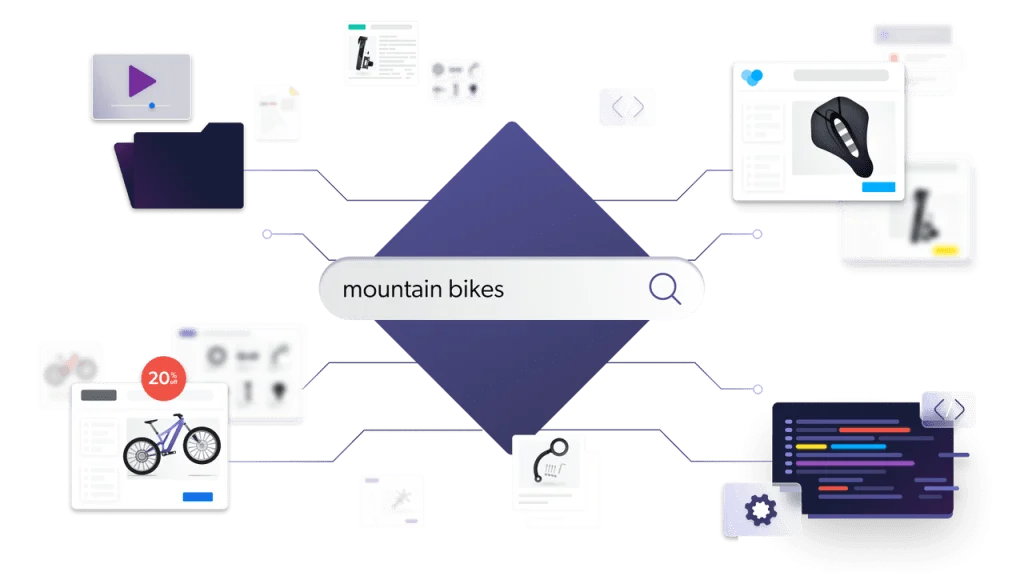
Artificial intelligence has introduced a smarter way to analyze and group keywords based on user behavior patterns. Search intent clustering with AI helps marketers organize large keyword sets into logical groups that reflect what users are actually searching for. This process allows teams to create targeted content that meets search demand more accurately. AI-driven clustering not only saves time but also reduces guesswork by identifying relationships between keywords that manual methods might overlook.
By leveraging advanced algorithms and natural language processing, marketers can discover hidden opportunities in their content strategies. Search intent clustering supports improved content planning, enhanced topic coverage, and stronger organic visibility. This guide explores how AI simplifies clustering processes, why it matters for SEO growth, and how marketers can implement it effectively to stay ahead in a highly competitive digital landscape.
Search Intent Clustering with AI: Understanding User Motivation Behind Searches
The term “search intent” describes the reason behind a user’s inquiry. Every search reflects a goal such as learning information, finding a product, comparing options, or completing a purchase. AI-powered clustering helps categorize these goals by analyzing language patterns and context.
Search engines increasingly rely on intent signals to deliver accurate results. When content matches user intent, it improves engagement and increases ranking potential. AI models analyze search trends, related queries, and behavioral data to group keywords into meaningful clusters that represent distinct user needs.
Many professionals rely on tools like a keyword intent checker tool to evaluate whether queries indicate informational, navigational, commercial, or transactional intent. These insights help marketers craft content that aligns with user expectations while improving search visibility.
Why AI Makes Clustering More Effective
Manual keyword grouping can be time-consuming and prone to errors, especially when managing thousands of keywords. AI simplifies the process by analyzing linguistic similarities, Semantic clustering Python relationships, and search patterns automatically.
Natural language processing enables AI to understand variations in phrasing and context. For example, AI can identify that two different queries may reflect the same user goal even if they use different wording. This allows marketers to create unified content strategies rather than duplicating similar topics across multiple pages.
Industry expert Rand Fishkin once stated, “The best way to win at SEO is to understand and satisfy searcher intent better than anyone else.” This insight highlights the importance of clustering strategies that focus on user needs rather than isolated keywords.
AI-driven clustering also improves scalability. As search trends evolve, algorithms can quickly update clusters and identify new opportunities without requiring manual reorganization.
The Role Of Automation In Keyword Grouping
Automation improves clustering efficiency by quickly analyzing large data sets. Marketers leverage AI platforms to uncover keyword relationships through search behavior and contextual similarity. Techniques using Python libraries enable professionals to create custom clustering models that assess textual similarity and group queries with machine learning.
Additionally, automation aids predictive analysis, allowing marketers to anticipate search trends and discover content gaps, providing a competitive edge in content strategy and topic expansion.
Building A Strong Content Structure Using AI Clusters
Clusters form the basis of content architecture, with each representing a core topic and its related subtopics, aiding search engines in recognizing content depth and authority. Content teams can create pillar pages backed by articles that improve internal linking and user navigation.
AI clustering identifies primary and supplementary keywords, while platforms like Seosearch offer insights to evaluate keyword relationships and discover cluster opportunities, enabling the creation of comprehensive resources that cover various user queries within a single topic.
How Machine Learning Enhances Keyword Relationships
Machine learning algorithms play a critical role in clustering accuracy. These algorithms analyze historical search data, user interaction patterns, and contextual meaning to create logical keyword groupings.
Professionals often explore keyword clustering Python workflows to customize clustering models. These workflows may include vector analysis, similarity scoring, and unsupervised learning models that automatically categorize keywords into clusters.
Machine learning continuously improves clustering accuracy by learning from new data inputs. As user behavior evolves, search intent clustering with AI systems refines keyword relationships and updates cluster groupings. This dynamic approach ensures content strategies remain aligned with changing search trends.
Benefits Of AI Powered Clustering For SEO Growth
AI-driven clustering offers several advantages that directly impact organic performance. One major benefit is improved content relevance. By aligning content with user intent, marketers can increase engagement and reduce bounce rates.
Clustering also improves site architecture. Organizing content around topic clusters helps search engines understand website structure and authority. This leads to stronger ranking signals and improved indexing.
Another advantage is efficiency. AI reduces manual workload and accelerates keyword research processes. Marketing teams can focus more on content creation and optimization rather than data organization.
Clustering also supports content expansion strategies. AI helps identify related queries and subtopics that can enhance topical coverage. This allows websites to build authority across broader subject areas while maintaining relevance.
Best Practices For Implementing AI Clustering Strategies
Successful clustering begins with comprehensive keyword research. Marketers should gather diverse keyword variations and analyze user behavior patterns. Using multiple data sources improves clustering accuracy and reveals hidden search opportunities.
Next, marketers should evaluate search intent before grouping keywords. Understanding user goals ensures clusters reflect actual search behavior rather than surface-level keyword similarity.
Content mapping is another critical step. Each cluster should correspond to a specific content objective. This approach prevents keyword cannibalization and strengthens content hierarchy.
Continuous performance monitoring helps refine clustering strategies. SEO teams should analyze ranking performance, user engagement, and traffic patterns to determine whether clusters are delivering expected results.
Future Trends In AI-Driven Search Optimization
AI continues to transform SEO strategies by introducing advanced language models and predictive analytics. Future clustering technologies will likely incorporate voice search analysis, conversational search behavior, and real-time search pattern tracking.
Search engines are becoming more sophisticated in understanding user intent beyond traditional keywords. AI clustering helps marketers adapt to these changes by focusing on context, meaning, and user expectations.
As machine learning models evolve, clustering accuracy will continue improving. Marketers who adopt AI-driven clustering strategies early can gain a competitive advantage by delivering highly targeted content that aligns with evolving search trends.
In the end, search intent clustering with AI is essential for modern SEO, as it groups keywords by user motivation and context, enhancing content relevance and search performance. AI facilitates keyword analysis, enabling marketers to create scalable content frameworks. This method, leveraging automation and machine learning, helps understand user needs, supports effective content planning, and contributes to organic growth. Companies focusing on intent-driven strategies will be better equipped for sustained search visibility.


