

• Home
  • Services
    • Search Engine Optimization
    • Ad Creative
    • Social Media Creative
    • Email Design
    • Web Design
    • Presentation Design
    • Packaging & Merch Design
    • eBook & Digital Report Design
    • Print Design
    • Motion Design
    • Illustration Design
    • Brand Identity Design
    • Concept Creation
    • Video Production
    • Digital Marketing Consulting
  • CaaS
  • OUR WORK
  • Pricing
  • Blog
BOOK A DEMO
CONTACT US
  • Home
  • Services
    • Search Engine Optimization
    • Ad Creative
    • Social Media Creative
    • Email Design
    • Web Design
    • Presentation Design
    • Packaging & Merch Design
    • eBook & Digital Report Design
    • Print Design
    • Motion Design
    • Illustration Design
    • Brand Identity Design
    • Concept Creation
    • Video Production
    • Digital Marketing Consulting
  • CaaS
  • OUR WORK
  • Pricing
  • Blog
BOOK A DEMO
CONTACT US
  • Home
  • Services
    • Search Engine Optimization
    • Ad Creative
    • Social Media Creative
    • Email Design
    • Web Design
    • Presentation Design
    • Packaging & Merch Design
    • eBook & Digital Report Design
    • Print Design
    • Motion Design
    • Illustration Design
    • Brand Identity Design
    • Concept Creation
    • Video Production
    • Digital Marketing Consulting
  • CaaS
  • OUR WORK
  • Pricing
  • Blog

Type To Search

  • Home
  • Services
    • Search Engine Optimization
    • Ad Creative
    • Social Media Creative
    • Email Design
    • Web Design
    • Presentation Design
    • Packaging & Merch Design
    • eBook & Digital Report Design
    • Print Design
    • Motion Design
    • Illustration Design
    • Brand Identity Design
    • Concept Creation
    • Video Production
    • Digital Marketing Consulting
  • CaaS
  • OUR WORK
  • Pricing
  • Blog
Digital Marketing
Home Digital Marketing Page 2

Category: Digital Marketing

19 JanDigital Marketing

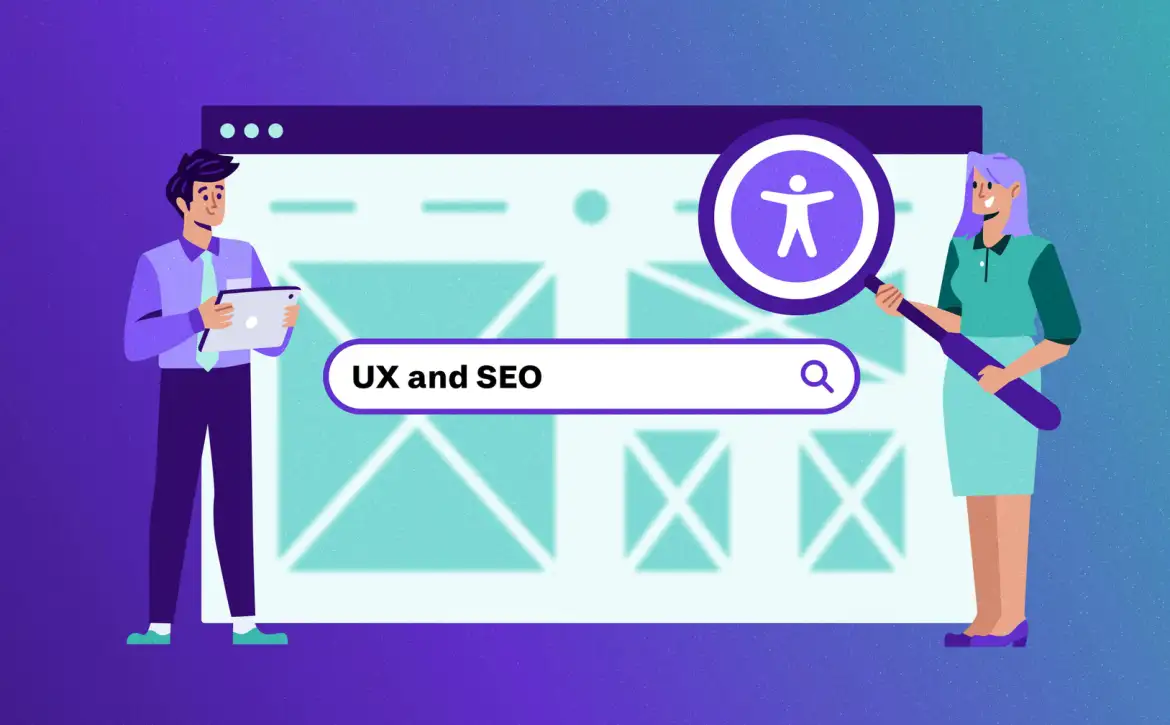
User Experience (UX) & SEO Integration: Driving Better Engagement

by Alamgir Rajab0 Comments

In the modern digital landscape, simply ranking high in search results is not enough to ensure business success. Websites must also provide an enjoyable and seamless experience for visitors. User Experience (UX) & SEO Integration is key to achieving this balance. By focusing on both the usability of a website and its discoverability, businesses can attract the right audience while keeping them engaged.

User experience encompasses all aspects of how users interact with a website, including page load speed, navigation, content clarity, and visual design. A site that is difficult to navigate or slow to load can frustrate visitors and increase bounce rates. At the same time, search engine optimization ensures that a website appears prominently for relevant queries, making it discoverable to the target audience. Combining UX and SEO strategies creates websites that are not only easy to use but also rank well in search results.

The benefits of integrating UX and SEO extend beyond improved rankings. When users find a website intuitive and responsive, they are more likely to spend time exploring its pages, share content, and return in the future. Search engines interpret these behaviors as signals of quality, which further boosts visibility. User Experience (UX) and SEO Integration have become vital strategies for businesses aiming to grow sustainably in an increasingly competitive digital environment.

Understanding User Experience (UX) & SEO Integration

User Experience (UX) & SEO Integration involves designing websites that are optimized for both visitors and search engines. UX focuses on accessibility, navigation, content clarity, and overall satisfaction, while SEO ensures pages are indexed properly, optimized for relevant keywords, and structured for visibility.

Effective integration begins with website architecture. Clear menus, intuitive page hierarchies, and internal linking improve navigation while helping search engines crawl and understand the site. Mobile optimization is also essential, as responsive design enhances UX while satisfying Google’s mobile-first indexing requirements. 

Content strategies, including clear headings, concise paragraphs, and relevant keyword usage, reinforce SEO without compromising usability. User Experience (UX) and SEO Integration ensure that a website is both functional and discoverable, creating a strong foundation for higher engagement and better rankings. 

Enrolling in a User Experience and SEO Integration Course can help you understand how to align website design with search engine optimization. Learning these strategies ensures your site is both user-friendly and optimized for better rankings.

FAQs:

How Does User Experience UX Impact SEO?
Because search engines favor websites with easy navigation, quick loading times, and pertinent information, user experience (UX) has a direct impact on SEO. A good user experience (UX) keeps users interested, lowers bounce rates, and tells search engines that your website is reliable and important.

What Is the 80/20 Rule in SEO?
According to the Pareto Principle, popularly known as the 80/20 rule in SEO, 20% of your efforts typically provide 80% of your outcomes. This means that rather than distributing effort equally across all pages, concentrating on high-performing pages, important keywords, and authoritative backlinks can have the greatest impact.

What Is UX and SEO?
The combination of search engine optimization and user experience is referred to as UX and SEO. SEO makes sure your website appears high in search results, while UX makes sure users can easily navigate and interact with your website. Combining the two enhances site visibility and gives users a smooth experience.

How Does SEO Improve User Experience?
Through efficient content organization, page speed optimization, the use of clear headings, and mobile friendliness, SEO enhances user experience. Users can locate answers more easily with the use of pertinent information and well-placed keywords, resulting in a seamless, interesting, and worthwhile experience.

Practical Techniques for Combining UX and SEO

Integrating UX and SEO requires attention to both technical and content-focused elements. Fast page load speeds are essential for retaining visitors and improving rankings. Image optimization, code minification, and browser caching are practical techniques that enhance performance while supporting SEO.

Navigation and layout also affect both UX and SEO. Using descriptive menus, clear calls to action, and structured content allows users to find information easily while helping search engines understand content relevance. Implementing schema markup and optimized metadata improves search visibility without affecting usability. Knowing the SEO Full Form, Search Engine Optimization, helps clarify that it involves optimizing websites to rank higher in search results, attract more traffic, and improve overall visibility online.

Internal linking strategies guide visitors through content logically, increasing engagement and helping distribute authority across pages. By applying these techniques, businesses achieve effective User Experience (UX) & SEO Integration, ensuring their website meets the needs of both visitors and search engines.

Measuring User Behavior for SEO Insights

User metrics provide valuable insights into the effectiveness of UX and SEO strategies. Metrics such as bounce rate, session duration, pages per session, and click-through rates indicate how visitors interact with a website. High engagement and low bounce rates signal to search engines that the site delivers value, which can positively impact rankings.

Monitoring mobile interactions is equally important. Mobile-friendly design, touch-friendly navigation, and fast mobile load times enhance the user experience and influence SEO performance. Tools like heatmaps, session recordings, and analytics dashboards help identify areas for improvement. 

Tracking these insights allows marketers to make informed decisions that strengthen User Experience (UX) & SEO Integration, ensuring long-term engagement and visibility. Understanding SEO Meaning in Business highlights its role in driving website traffic, generating leads, and enhancing brand visibility. Businesses that implement SEO effectively gain a competitive advantage in digital marketing.

Advanced Strategies for Continuous UX and SEO Optimization

Maintaining effective UX and SEO integration requires ongoing optimization. Regular audits of page performance, content structure, and technical elements ensure that the website remains fast, usable, and optimized for search engines. Progressive web apps, lazy loading, and content delivery networks improve performance, while structured data enhances visibility in search results.

Long-term strategies include personalization, dynamic content, and interactive features that increase engagement. Building relationships with users through surveys, feedback, and usability testing ensures continuous improvements that align with visitor needs. A practical Search Engine Optimization Example is optimizing a blog post with relevant keywords, meta descriptions, headings, and internal links to rank higher in search results. This demonstrates how SEO directly improves discoverability and user engagement.

By combining these practices, businesses create websites that consistently perform well in search engines while delivering an exceptional user experience. User Experience (UX) & SEO Integration is therefore not a one-time effort but a continuous process that drives engagement, conversions, and long-term success.

However, integrating user experience with SEO is essential for creating websites that are both discoverable and user-friendly. User Experience (UX) and SEO Integration improve navigation, page speed, mobile usability, and content accessibility while enhancing search engine visibility. By prioritizing both user satisfaction and optimization strategies, businesses can achieve higher engagement, better rankings, and sustainable growth. This holistic approach ensures websites deliver value to both visitors and search engines, securing long-term digital success.

Tags

User experience and seo integration course

SEO full form

SEO meaning in business

Search engine optimization example 

Read More
17 JanDigital Marketing

Optimizing Website Speed & SEO Together for Maximum Performance

by Alamgir Rajab0 Comments

Website performance and search engine optimization are closely linked in today’s digital environment. Visitors expect pages to load quickly, and search engines prioritize websites that provide smooth, efficient experiences. Optimizing Website Speed & SEO Together is now a critical strategy for businesses aiming to improve visibility, increase engagement, and drive conversions. Slow-loading sites can frustrate users, cause higher bounce rates, and reduce overall rankings, making speed a crucial factor alongside high-quality content.

A fast website not only enhances user experience but also strengthens SEO performance. Search engines evaluate metrics like page load time, mobile responsiveness, and Core Web Vitals when ranking sites. Optimizing both speed and SEO ensures that websites are technically sound and content-rich, providing visitors with value while signaling search engines that the site meets high standards. Techniques such as image compression, efficient code management, caching, and responsive design contribute to better performance and higher rankings. By integrating speed optimization with SEO best practices, businesses can create websites that rank well, retain visitors, and support long-term online growth.

Combining speed and SEO requires a strategic approach that addresses technical, structural, and content-related aspects. Every element, from server performance to user interaction, affects how quickly pages load and how search engines perceive the site. Optimizing Website Speed & SEO Together is no longer optional; it is essential for achieving higher search rankings, improving engagement, and delivering a competitive advantage in an increasingly crowded digital marketplace.

Understanding Optimizing Website Speed & SEO Together

Optimizing Website Speed and SEO Together is about creating a seamless balance between technical performance and search engine visibility. Fast-loading websites provide a better user experience, which search engines reward with higher rankings. Key strategies include minimizing file sizes, compressing images, and streamlining code. Image compression ensures visuals do not slow down pages, while minifying CSS, JavaScript, and HTML reduces unnecessary server requests.

Mobile optimization is another essential component. With more users accessing sites via smartphones and tablets, responsive design, adaptive images, and lazy loading help improve page speed. Caching and content delivery networks reduce server latency and improve load times for global users. Combining these technical improvements with SEO practices such as keyword optimization, metadata management, and structured content ensures that websites perform efficiently while remaining relevant to search engines. Optimizing Website Speed & SEO Together improves both user satisfaction and search rankings, creating a site that performs exceptionally on all fronts. Focusing on Website Speed Optimization is essential for improving both user experience and search engine rankings.

FAQs:

What Is One Method of Optimizing Your Website’s Speed?
Compressing photos without sacrificing quality is one efficient way to maximize the speed of your website. The performance and user experience of websites can be greatly enhanced by employing tools to minimize file size, browser caching, and minifying CSS and JavaScript. This is because large picture files can slow down page loading times.

What Is the Best Speed for a Website?
A website should ideally load a full page in less than three seconds. Fast-loading websites improve search engine rankings, keep users interested, and lower bounce rates. You can make sure your website satisfies these speed standards by using monitoring tools like GTmetrix or Google PageSpeed Insights.

What Is Optimising a Website?
Enhancing a website’s functionality, usability, and search engine exposure are all part of optimization. In order to give visitors and search engines a seamless experience, this entails improving site performance, efficiently arranging material, utilizing pertinent keywords, guaranteeing mobile friendliness, and adhering to technical SEO best practices.

Why Is Website Speed Important for SEO?
Because search engines give priority to websites that load quickly in their results, website speed is crucial for SEO. Reduced visibility, decreased engagement, and increased bounce rates might result from a slow website. Increasing speed enhances user experience, which raises search engine rankings and improves the functionality of the website as a whole.

Practical Techniques to Boost Website Performance

Enhancing page load speed requires a mix of technical adjustments and strategic practices. Lazy loading ensures that images and videos load only when users scroll to them, reducing initial load times and improving perceived speed. Minifying CSS, JavaScript, and HTML eliminates unnecessary characters, while browser caching stores frequently accessed files for returning visitors. These techniques collectively improve both speed and SEO effectiveness.

Server performance also plays a vital role. Selecting a reliable hosting provider, enabling compression like Gzip, and using a content delivery network can dramatically reduce load times. Using a Website Speed Up Extension can simplify the optimization process. These tools automatically handle tasks like lazy loading images, compressing files, and optimizing code, making it easier to maintain a fast and responsive website.

Prioritizing above-the-fold content ensures that visitors see important information immediately, even if the rest of the page continues to load. Optimizing internal linking and structuring content clearly also supports SEO while maintaining fast navigation. When businesses focus on these practical strategies, they successfully combine speed optimization with SEO to enhance visibility, user engagement, and overall website performance.

The Impact of Speed on SEO Rankings

Website speed significantly influences search engine rankings. Search engines interpret faster-loading sites as more user-friendly and valuable, which can boost organic visibility. Core Web Vitals, which assess loading, interactivity, and visual stability, have become crucial ranking factors. Optimizing these metrics directly impacts SEO performance while improving user experience.

Content delivery methods also affect search performance. Structured data, optimized images, and a clear site hierarchy enhance both crawlability and speed. When a website delivers fast content alongside high-quality pages, it signals to search engines that it is both relevant and efficient. 

Optimizing Website Speed & SEO Together ensures that users spend more time on the site, engage with content meaningfully, and return in the future, all of which reinforce search engine confidence and improve rankings. Implementing a Website Speed Booster enhances overall performance by reducing server response time, optimizing databases, and streamlining content delivery.

Advanced Strategies for Continuous Optimization

Continuous monitoring is essential for maintaining optimal website performance. Tools like Google PageSpeed Insights, Lighthouse, and GTmetrix help identify bottlenecks, such as unoptimized images, render-blocking scripts, or server delays. Regular audits ensure that pages remain fast and SEO-ready. Progressive web apps and modular design techniques enhance speed by loading content dynamically and reducing unnecessary data transfer.

Deferring nonessential scripts, preloading critical resources, and optimizing third-party plugins further improve performance. Combining these strategies with ongoing SEO practices ensures websites remain fast, technically sound, and relevant to search engines. Enrolling in a Website Performance Optimization Course can teach advanced techniques for improving site speed, from front-end optimization to server-level improvements.

By consistently applying best practices, businesses can maintain competitive rankings, reduce bounce rates, and deliver superior user experiences. Optimizing Website Speed and SEO Together is a holistic approach that strengthens both visibility and usability over the long term.

However, integrating technical performance improvements with SEO strategies is vital for modern websites. Optimizing Website Speed & SEO Together ensures faster load times, enhanced user engagement, and stronger rankings. Focusing on server efficiency, code optimization, image compression, and mobile responsiveness, alongside structured content and metadata, creates a seamless experience for both users and search engines. Businesses that prioritize this integrated approach gain a competitive edge, retain visitors longer, and achieve sustainable online success while maintaining a robust search presence.

Read More
16 JanDigital Marketing

Brand Credibility via Editorial Links & Mentions for Authority

by Alamgir Rajab0 Comments

Building trust with audiences is one of the most valuable assets a business can achieve online. Brand credibility via editorial links & mentions has emerged as a powerful strategy for establishing authority, increasing visibility, and driving meaningful engagement. Unlike paid advertisements or self-promotional content, editorial mentions provide unbiased recognition from third-party sources, signaling to users and search engines that a brand is reliable, knowledgeable, and relevant.

Editorial links and mentions not only enhance reputation but also contribute to long-term SEO performance. When respected publications reference a brand, the resulting backlinks improve search engine rankings and drive targeted referral traffic. This combination of credibility and discoverability ensures that brands benefit from both immediate and sustained attention.

The impact of editorial mentions extends beyond search engines. Users often perceive brands referenced by reputable outlets as more trustworthy and authoritative. This social proof encourages engagement, repeat visits, and customer loyalty. Brands that consistently earn mentions in industry-specific blogs, news articles, and influential websites strengthen their position as thought leaders within their market.

By combining high-quality content creation with strategic outreach and relationship building, businesses can maximize the benefits of editorial links and mentions. Brand credibility via editorial links & mentions serves as both a measure and driver of trust, establishing a solid foundation for growth, authority, and recognition in a competitive digital landscape.

Brand Credibility via Editorial Links & Mentions

Brand credibility via editorial links and mentions plays a critical role in establishing online authority and trustworthiness. Editorial links are acquired naturally from reputable sources, unlike paid links, and signal to search engines that the content or website is valuable and relevant.

Mentions in high-authority publications boost both visibility and reputation. Search engines interpret these links as endorsements, improving rankings and demonstrating the website’s relevance within its niche. At the same time, referral traffic from these mentions introduces new audiences to the brand, increasing engagement and potential conversions.

Editorial mentions are especially effective when they appear in content relevant to the brand’s industry. Whether it is a news article, an expert roundup, or a case study, a well-placed mention reinforces authority and highlights the brand’s expertise. Over time, accumulating these mentions strengthens trust and builds a positive reputation online.

Securing editorial links requires careful planning. Brands must focus on creating valuable content, cultivating relationships with journalists and editors, and identifying opportunities for meaningful coverage. High-quality editorial placements not only support SEO but also serve as a lasting endorsement of credibility and professionalism. An Editorial backlinks list is a collection of high-quality, authoritative websites that provide natural links to your content. 

FAQs:

What are brand mentions in SEO?
Brand mentions in SEO are references to your company, product, or service on other websites, even if they don’t include a clickable link. Search engines treat these mentions as signals of relevance and authority, helping improve your online presence and visibility, especially when the mentions come from trusted or high-authority sources.

Why are editorial links considered valuable in SEO?
Editorial links are considered valuable in SEO because they are naturally earned rather than paid for. When a reputable website links to your content, it signals trust and authority to search engines. These links help improve rankings, drive organic traffic, and enhance the credibility of your website over time.

What is brand credibility?
Brand credibility is the trust and confidence that your audience has in your brand. It is built through consistent quality, reliable information, positive customer experiences, and recognition from authoritative sources. High credibility increases loyalty, engagement, and the likelihood that users will choose your brand over competitors.

What is an editorial link?
An editorial link is a hyperlink added naturally within content because the linked website adds value or context. Unlike paid or sponsored links, editorial links are voluntarily given and reflect genuine trust or recognition of quality. They are highly valued in SEO because they improve authority and signal relevance to search engines.

The SEO Benefits of Editorial Mentions

Editorial links provide a dual advantage for SEO and brand perception. From an SEO perspective, links from authoritative sources improve domain authority, boost rankings, and enhance the likelihood of appearing in search results for competitive keywords. Search engines view these links as indicators of reliability and relevance, which can directly impact visibility.

Beyond search engine optimization, editorial mentions drive high-quality referral traffic. Visitors coming from credible sources are more likely to engage with content, explore products or services, and convert into loyal customers. The trust conveyed by reputable mentions creates a higher level of audience engagement compared to standard advertising.

Additionally, editorial links contribute to long-term online authority. Unlike social media posts or paid campaigns that may expire, backlinks embedded in editorial content remain active, continuing to benefit the brand over time. Consistent accumulation of these links reinforces credibility, strengthens search presence, and supports sustainable growth.

Maintaining a strategy for securing editorial mentions ensures ongoing benefits. By combining content creation with targeted outreach and relationship building, brands can continuously improve both authority and visibility while solidifying their reputation as leaders in their industry. A link profile is the complete set of backlinks pointing to a website.

Strategies to Earn Editorial Links and Mentions

Brand Credibility via Editorial Links & Mentions requires a thoughtful approach that emphasizes value, relevance, and relationship building. Producing content that offers insights, research, or unique perspectives is essential for capturing the attention of journalists and editors. Thought leadership articles, case studies, and data-driven research are particularly effective for securing mentions.

Personalized outreach is another key strategy. Communicating directly with journalists, bloggers, and industry influencers increases the likelihood of coverage. Providing credible sources, expert commentary, and unique story angles makes a brand a valuable resource for editorial content.

Monitoring industry trends and responding to relevant news stories can also create opportunities for editorial mentions. Brands that engage proactively and provide timely insights are more likely to be referenced by authoritative publications.

Integrating these tactics into an overall marketing strategy ensures consistent results. By combining high-quality content creation, proactive outreach, and monitoring of opportunities, brands can maximize the benefits of editorial links and mentions while establishing credibility in their niche. Editorial link reviews assess the quality, relevance, and authority of backlinks that are earned organically.

Measuring the Impact of Editorial Links

Tracking the value of editorial links and mentions is essential for understanding their impact. Metrics such as referral traffic, engagement rates, domain authority improvements, and keyword ranking changes provide insight into both SEO and user behavior benefits.

Monitoring brand perception is equally important. Editorial mentions serve as social proof, influencing how potential customers perceive the brand. Surveys, sentiment analysis, and audience feedback help evaluate whether these mentions are enhancing credibility and trust.

Long-term measurement highlights the enduring benefits of editorial links. Over time, accumulated backlinks and mentions contribute to sustained search visibility, authority, and traffic. This ongoing impact demonstrates the strategic importance of earning high-quality editorial placements rather than relying on short-term campaigns or paid links.

Brands that integrate editorial link tracking into broader analytics gain a complete view of their SEO performance. By analyzing both quantitative and qualitative data, teams can make informed decisions, optimize strategies, and maintain a strong online reputation. A Link building agency specializes in acquiring high-quality backlinks for websites. 

The Future of Brand Credibility via Editorial Links

The future of brand credibility via editorial links & mentions emphasizes authenticity, relevance, and quality. Search engines continue to prioritize naturally acquired links and reputable sources, rewarding brands that earn genuine recognition over those that rely on manipulative tactics.

Content quality, thought leadership, and strategic outreach will remain critical factors. Brands that invest in providing valuable insights, developing relationships with journalists, and monitoring opportunities for mentions will continue to benefit from both SEO and reputation gains.

Ultimately, brand credibility via editorial links & mentions combines measurable search engine value with lasting audience trust. Businesses that focus on this strategy will enhance authority, visibility, and engagement, positioning themselves as reliable and recognized leaders in their industry.

Read More
15 JanDigital Marketing

Future of SEO: AI, Automation & SERP Updates for Digital Growth

by Alamgir Rajab0 Comments

Search engine optimization is evolving faster than ever, driven by technological advancements and changing user behavior. The future of SEO: AI, automation & SERP updates are shaping how businesses approach online visibility and search engine rankings. Traditional SEO strategies that focused solely on keywords and backlinks are becoming insufficient. Today, search engines prioritize relevance, context, and user experience, requiring marketers to adopt more intelligent, adaptive approaches.

Artificial intelligence is at the core of this transformation. Modern algorithms analyze search intent, semantic relationships, and engagement patterns to deliver more personalized and accurate results. Automation also plays a critical role by streamlining repetitive SEO tasks such as performance monitoring, technical audits, and data analysis, allowing marketers to focus on strategy and content quality.

Meanwhile, SERP updates are continuously redefining the digital landscape. Rich results, featured snippets, local packs, and interactive elements alter how users engage with search results. These changes influence click-through rates, visibility, and the way websites need to present content. Businesses that fail to adapt risk losing audience attention, while those that integrate AI insights, automation tools, and SERP-aware strategies can achieve more sustainable growth.

Understanding these developments is essential for creating effective long-term SEO strategies. Companies that proactively embrace AI-driven insights, automated workflows, and evolving SERP trends position themselves to maintain a competitive edge. By combining technology with human creativity, SEO becomes not just a ranking tactic but a strategic growth tool for digital success.

Future of SEO: AI, Automation & SERP Updates

Future of SEO: AI, automation & SERP updates demonstrate a shift from traditional optimization toward intelligent, adaptive search strategies. Artificial intelligence enables search engines to interpret user intent, evaluate content quality, and understand semantic relationships between topics. This evolution rewards content that provides comprehensive, relevant, and engaging information.

Automation enhances efficiency by handling repetitive tasks such as keyword tracking, rank monitoring, and technical audits. This allows marketers to focus on strategic planning and creative content development. The integration of AI with automation ensures that optimization decisions are data-driven and aligned with evolving search trends.

SERP updates play a central role in shaping visibility. Features such as knowledge panels, featured snippets, video carousels, and interactive results change how users interact with search engines. Websites that adapt content for these formats gain greater exposure and engagement. Combining AI, automation, and SERP awareness positions brands to capture meaningful traffic in increasingly competitive search environments. The Future of SEO: AI, Automation & SERP Updates PDF provides a comprehensive overview of how AI is changing search engine optimization and search engine results pages (SERPs). 

FAQs:

What is the future of SEO and AI?
AI and SEO will be tightly related in the future. AI is improving search engines’ comprehension of user intent, context, and content quality. As a result, SEO will move beyond merely optimizing for keywords to producing content that actually meets user demands. AI can help with research, data analysis, and content recommendations, but human strategy, creativity, and moral judgment will always be crucial.

What are the new SEO updates 2025?
Relevance, user experience, and authenticity are the main topics of SEO changes in 2025. Content that is reliable, accurate, and helpful is given priority by search engines. Additional enhancements include enhanced detection of spam or low-quality content, AI-driven search customization, and a more robust assessment of content depth. Maintaining visibility and competitive rankings requires adjusting to these changes.

Will SEO get replaced by AI?
AI will develop alongside SEO, but it won’t replace it. While AI can automate processes like performance analysis, site audits, and keyword research, human skill is still required to read data, comprehend audience behavior, and create relevant content. While AI improves SEO, strategy, and originality are still crucial.

Will SEO exist in 5 years?
In five years, SEO will still be around, but it will look different from what it does now. Optimization will be required as long as people use search engines to find information, goods, or services. In order to guarantee that websites satisfy both user expectations and search engine requirements, SEO will change to prioritize content quality, relevance, and reliability.

The Role of Artificial Intelligence in SEO

Artificial intelligence is transforming how search engines evaluate and rank content. Algorithms now analyze user behavior, context, and intent to deliver highly relevant results. This shift emphasizes quality over quantity, requiring content that meets the needs of audiences rather than just matching keywords.

AI also powers tools that help marketers forecast trends, identify content gaps, and optimize performance. These insights allow teams to make informed decisions quickly, reducing guesswork and improving the efficiency of campaigns. In practice, AI-driven strategies enable better targeting, more precise keyword use, and optimized content that resonates with users.

As AI continues to evolve, search engines will increasingly reward websites that demonstrate expertise, authority, and trustworthiness. Businesses that leverage AI for research, analysis, and content creation can maintain competitiveness while enhancing user experience. The Future of SEO with AI focuses on how artificial intelligence will shape search, content evaluation, and ranking algorithms.

Automation And Its Impact On SEO

Automation is redefining workflows and efficiency in SEO. Tasks that were previously time-consuming, such as technical audits, site monitoring, and data collection, can now be automated with high accuracy. This reduces human error and allows SEO teams to focus on strategy and optimization.

Automation tools can also generate alerts for technical issues or performance declines, enabling timely corrective actions. This proactive approach helps maintain stability in search rankings and ensures that content and technical improvements remain effective. What is the future of SEO in 2030 explores long-term trends, including AI-driven search, voice and visual search adoption, and a stronger focus on trust, relevance, and authority.

Despite the advantages, automation should complement human judgment rather than replace it. Successful SEO strategies integrate automated insights with creative content, strategic planning, and audience understanding. In this context, automation supports the broader goal of maximizing results through efficiency and intelligence.

Adapting to SERP Updates And Search Trends

Search engine results pages are becoming more complex and interactive. Users now encounter video previews, instant answers, local packs, and other rich features that change how content is discovered. Adapting to these updates is critical for maintaining visibility.

Content must be structured to perform well within these formats. Clear headings, concise answers, and structured data increase the likelihood of appearing in enhanced results. User intent plays a significant role, as search engines prioritize content that provides immediate value and solves problems efficiently.

The combination of AI insights, automation, and SERP optimization ensures that businesses remain competitive in evolving search landscapes. Understanding how these elements interact helps marketers prioritize strategies and allocate resources effectively. SEO for AI search involves optimizing content so it can be accurately interpreted by AI-powered search engines. 

Preparing for the Future of SEO

The future of SEO: AI, automation & SERP updates require businesses to embrace change proactively. Strategies must be flexible, data-driven, and user-focused. Investing in high-quality content, technical optimization, and performance monitoring ensures long-term visibility and engagement.

Collaboration between content creators, analysts, and technical teams is essential. SEO is no longer a standalone function but an integrated part of digital strategy. Businesses that adapt to AI advancements, utilize automation effectively, and stay ahead of SERP trends will achieve sustainable growth.

Ultimately, the future of SEO: AI, automation & SERP updates highlights the importance of blending technology with human creativity. Companies that balance intelligent insights with strategic execution are better positioned to capture traffic, engage audiences, and drive meaningful results in an increasingly competitive digital landscape.

Read More
14 JanDigital Marketing

Measuring SEO Success: KPIs & Reporting Tools for Good Decisions

by Alamgir Rajab0 Comments

Search engine optimization is no longer judged by rankings alone. Modern digital strategies demand clear evidence of performance, accountability, and growth. Measuring SEO Success: KPIs & Reporting Tools plays a critical role in helping businesses understand whether their efforts are delivering real value. Without proper measurement, even well-executed SEO campaigns can feel uncertain, making it difficult for stakeholders to justify budgets or refine strategies.

SEO success is closely tied to business objectives. Some organizations aim to increase brand visibility, while others focus on lead generation, sales, or audience engagement. Measuring performance requires aligning SEO metrics with these goals so results can be evaluated in a meaningful way. This is where key performance indicators and structured reporting tools become essential. They transform raw data into insights that guide decision-making and long-term planning.

Another challenge businesses face is the complexity of SEO data. Traffic numbers, rankings, backlinks, engagement metrics, and conversions can quickly become overwhelming. When data is not organized or interpreted correctly, it leads to confusion rather than clarity. Reporting tools help simplify this complexity by presenting performance in a structured and understandable format. This allows teams to identify what is working, what needs improvement, and where opportunities exist.

Transparency is another major benefit of proper SEO measurement. Clear reporting builds trust between teams, agencies, and decision makers. When progress is tracked consistently and communicated clearly, SEO becomes a strategic investment rather than a guessing game. Understanding how KPIs connect to real outcomes ensures that optimization efforts remain focused, measurable, and aligned with broader business goals.

Measuring SEO Success: KPIs & Reporting Tools

Measuring SEO Success: KPIs & Reporting Tools starts with identifying the right performance indicators. KPIs act as benchmarks that reflect progress toward specific objectives. Choosing the correct KPIs ensures that SEO performance is evaluated based on impact rather than surface-level metrics.

Organic traffic is one of the most commonly tracked KPIs. It indicates how many users arrive at a website through search engines. However, traffic alone does not define success. Engagement metrics such as time on page, pages per session, and bounce rate help determine whether visitors find the content relevant and valuable. These signals provide insight into content quality and user experience.

Conversion-related KPIs are equally important. These include form submissions, purchases, downloads, or other goal completions driven by organic traffic. Tracking conversions helps businesses understand how SEO contributes to revenue and growth. When conversions are linked to specific pages or keywords, optimization efforts become more targeted and effective.

Keyword visibility and ranking trends also remain relevant. While rankings fluctuate, long-term trends reveal whether SEO strategies are improving search presence. When combined with traffic and conversion data, keyword performance offers a balanced view of progress. Effective measurement focuses on patterns and outcomes rather than isolated metrics. SEO KPI examples help marketers understand how well their optimization efforts are performing. 

FAQs:

What KPIs do you track to measure the success of an SEO campaign?
We often look at organic traffic growth, keyword ranking improvements, click-through rates from search results, conversions like leads or sales, and engagement metrics like time on page and bounce rate to monitor the effectiveness of an SEO strategy. In order to comprehend authority and technical health over time, backlink quality and indexation status are also tracked.

How do you measure success in SEO?
Visibility, traffic quality, and business effect are all combined to determine SEO success. Real success is seen when organic traffic rises, users stay on the site longer, and significant actions like signups or sales increase steadily. Higher rankings alone are insufficient. Strong SEO performance is also indicated by long-term consistency and a decreased reliance on sponsored traffic.

What is the 80/20 rule in SEO?
According to the 80/20 rule in SEO, most results are typically produced by a small percentage of efforts. The majority of organic traffic is frequently generated by a small number of high-performing pages, keywords, or backlinks. Finding and enhancing these high-impact areas maximizes outcomes without overstretching resources.

What are the 4 pillars of SEO?
Technical SEO, on-page SEO, off-page SEO, and content are the four pillars of SEO. Technical SEO guarantees the website’s speed, security, and crawlability. Optimizing titles, headers, and relevancy are the main goals of on-page SEO. Through remarks and links, off-page SEO increases trust. Content adds value, responds to user intent, and maintains the website’s competitiveness in search results.

Choosing The Right KPIs For Business Goals

Selecting KPIs should always begin with business objectives. A website focused on lead generation may prioritize conversion rate and cost per lead, while an informational platform may focus on engagement and visibility. Case analysis shows that businesses often misjudge SEO performance by tracking too many metrics without a clear purpose.

Prioritization is essential. Monitoring a small set of meaningful KPIs provides clearer insights than tracking dozens of unrelated data points. This approach helps teams stay focused and avoid unnecessary complexity. When KPIs are aligned with goals, SEO reporting becomes actionable rather than descriptive. SEO KPIs are measurable indicators used to track the effectiveness of an SEO strategy. 

Context also matters. Industry competition, market maturity, and audience behavior influence how KPIs should be interpreted. A gradual increase in organic traffic or conversions may represent strong progress in competitive environments. Measuring SEO Success: KPIs & Reporting Tools is most effective when results are evaluated within realistic expectations rather than generic benchmarks.

Consistency in measurement is another key factor. KPIs should be tracked using the same definitions and time frames to ensure accuracy. Regular reviews allow businesses to identify trends, seasonal changes, and long-term growth patterns. Over time, consistent tracking builds confidence in SEO performance and supports strategic adjustments.

Using Reporting Tools To Analyze SEO Performance

Reporting tools play a central role in transforming SEO data into meaningful insights. These tools collect information from multiple sources and present it in a structured format that is easy to analyze. Dashboards, charts, and automated reports allow teams to monitor performance without manual data processing.

Effective reporting tools support customization. Businesses can tailor reports to focus on specific KPIs, campaigns, or time periods. This flexibility ensures that stakeholders receive relevant information aligned with their objectives. Visual representations of data also improve understanding, making it easier to identify strengths and weaknesses.

Another advantage of reporting tools is efficiency. Automated reporting saves time and reduces the risk of errors. Scheduled reports keep teams informed and ensure accountability. When data is readily available, decisions can be made faster and with greater confidence.

In practice, Measuring SEO Success: KPIs & Reporting Tools relies on combining data accuracy with clear interpretation. Tools alone do not create value unless insights are applied strategically. Teams that regularly analyze reports and adjust tactics based on findings achieve more consistent and sustainable SEO results. An SEO KPI report brings all key metrics together in a clear and structured format.

Best Practices For SEO Measurement And Reporting

Successful SEO measurement depends on structure and discipline. Establishing a regular reporting schedule ensures that performance is reviewed consistently. Monthly or quarterly reports allow teams to evaluate progress without reacting to short-term fluctuations.

Clear communication is equally important. Reports should explain what the data means, not just present numbers. Highlighting key wins, challenges, and next steps helps stakeholders understand the value of SEO efforts. This approach turns reporting into a strategic discussion rather than a technical summary.

Continuous improvement is another best practice. SEO measurement should inform optimization decisions, content updates, and technical enhancements. When KPIs indicate declining performance, timely adjustments prevent long-term issues. When metrics show growth, successful tactics can be scaled further.

Different types of keywords in SEO include informational keywords used for learning, navigational keywords used to find specific pages, transactional keywords focused on buying or converting, and commercial investigation keywords used for comparison and decision-making.

Future Outlook For Measuring SEO Success

As digital ecosystems evolve, SEO measurement is becoming more sophisticated. Search engines increasingly prioritize user experience, relevance, and trust. As a result, KPIs related to engagement and satisfaction are gaining importance alongside traditional metrics.

Advanced analytics and predictive insights are shaping the future of reporting. These developments allow businesses to anticipate trends rather than react to changes. Measuring SEO Success: KPIs & Reporting Tools will continue to evolve toward deeper analysis and strategic foresight.

Ultimately, effective SEO measurement is about clarity and alignment. When KPIs reflect real business goals and reporting tools provide actionable insights, SEO becomes a measurable growth driver. Organizations that invest in structured measurement gain better control, stronger performance, and long-term confidence in their optimization strategies.

Read More
13 JanDigital Marketing

Cross-Platform Branding (Web + Social + Video) for Consistency

by Alamgir Rajab0 Comments

In today’s digital environment, audiences interact with brands across multiple touchpoints every day. A website visit might be followed by a social media scroll, then a short video viewed on a mobile device. Each interaction shapes perception, trust, and recognition. This is why Cross-Platform Branding (Web + Social + Video) has become a foundational strategy rather than an optional effort. When messaging, visuals, and tone remain consistent across platforms, audiences feel familiarity and confidence. When they do not, confusion quietly erodes credibility.

Brand consistency is not about repetition for its own sake. It is about reinforcing identity through clarity and alignment. Whether someone encounters a brand through long-form web content, a short social post, or a video clip, the experience should feel connected. The challenge lies in adapting to different formats without diluting the core message. This article explores how consistency works across web, social, and video platforms, why it matters, and how organizations can maintain coherence while still respecting the strengths of each medium.

Understanding Cross-Platform Branding (Web + Social + Video)

At its core, Cross-Platform Branding (Web + Social + Video) refers to the intentional alignment of brand identity across digital platforms. This includes visual elements such as color palettes, typography, and imagery, as well as intangible elements like voice, values, and storytelling approach. Each platform serves a different purpose, yet all should reflect the same underlying brand personality.

A website often functions as the central hub. It provides depth, structure, and comprehensive information. Social platforms, by contrast, emphasize immediacy, interaction, and shareability. Video adds emotion, pacing, and human presence. When these channels operate in isolation, audiences receive fragmented signals. When aligned, they reinforce one another.

Consistency does not mean uniformity. A brand voice on a website may be more detailed and explanatory, while social captions are concise and conversational. Video content might rely on visual cues and tone rather than text. The key is ensuring that these variations still feel like expressions of the same identity, rather than separate personas.

A Cross platform branding strategy focuses on delivering a consistent brand message across all digital channels while adapting content to fit each platform’s format and audience behavior. This strategy ensures that visuals, tone, and values remain recognizable whether users interact through websites, social media, email, or mobile platforms, helping build trust and long-term brand recognition.

Why Consistency Builds Trust and Recognition

Human psychology favors familiarity. When people repeatedly encounter the same visual and tonal cues, recognition becomes effortless. Over time, this recognition evolves into trust. Inconsistent branding interrupts this process and forces audiences to reassess whether they are engaging with the same entity.

Consistency also reduces cognitive effort. When users know what to expect from a brand, they can focus on the message rather than decoding the presentation. This is particularly important in crowded digital spaces where attention is limited. A consistent brand presence signals reliability and professionalism without explicitly stating it.

From a long-term perspective, consistent branding compounds its impact. Each interaction reinforces previous ones, creating a layered memory. This accumulation is difficult to achieve if each platform tells a slightly different story. Unified branding ensures that every touchpoint contributes to the same narrative.

FAQs:

What is cross-platform branding?
Cross-platform branding is the practice of maintaining a consistent brand identity across multiple digital platforms. This includes using the same tone, visuals, messaging, and values whether a brand appears on websites, social media, email campaigns, or mobile apps. The goal is to ensure that audiences recognize and trust the brand no matter where they interact with it.

What is cross-platform social media?
Cross-platform social media refers to sharing and managing content across multiple social media platforms at the same time. While the core message stays consistent, the content is often adapted to fit the style, format, and audience behavior of each platform. This approach helps brands reach a wider audience while maintaining a unified presence.

What are the 4 types of digital marketing?
The four main types of digital marketing include content marketing, social media marketing, search engine marketing, and email marketing. Content marketing focuses on creating valuable information to attract audiences. Social media marketing builds engagement and awareness on social platforms. Search engine marketing improves visibility through organic optimization and paid search. Email marketing nurtures leads and strengthens customer relationships.

What is the 30 30 30 rule for social media?
The 30 30 30 rule for social media is a content balance strategy. It suggests spending 30 percent of posts on engaging or entertaining content, 30 percent on curated or educational content, and 30 percent on promotional content, with the remaining portion often used for experimentation or community interaction. This balance helps keep audiences interested without overwhelming them with sales messages.

Video Content and Emotional Alignment

Video brings brands to life through movement, sound, and pacing. It can communicate emotion faster than text and often leaves a stronger impression. However, this strength also makes inconsistency more noticeable.

Visual elements such as color grading, typography overlays, and framing should align with the broader brand style. The way people speak on camera, the music choices, and even editing rhythm contribute to brand perception. These choices should feel intentional rather than random.

Scripts and narratives in video content should echo themes found on the website and social platforms. Even when videos are short, they can reinforce key ideas and values. Over time, audiences begin to associate certain emotional cues with the brand, strengthening recall.

Cross platform branding examples often show how a single campaign can be adapted across multiple platforms without losing its core identity. The same message may appear as a short video on social media, a visual post on a website, and a story-based update in email marketing. These examples highlight how consistency combined with flexibility strengthens brand visibility and audience connection.

Aligning Strategy Across Platforms

Effective alignment starts with clear documentation. Brand guidelines that cover visuals, voice, and messaging provide a reference point for all content creation. These guidelines should be flexible enough to accommodate different platforms while firm enough to preserve identity.

Content planning also benefits from cross-platform thinking. Instead of creating isolated pieces, teams can develop core messages that are adapted for each channel. A long-form web article might inspire several social posts and a short video summary, all reinforcing the same idea.

This strategic approach ensures efficiency and consistency. It also helps prevent contradictions, where one platform emphasizes a message that another unintentionally undermines. Alignment requires ongoing attention, not a one-time setup.

Common Challenges and Practical Solutions

One common challenge is internal fragmentation. Different teams may manage web, social, and video content, each with its own priorities. Shared guidelines and regular communication help bridge these gaps.

Another challenge involves platform-specific constraints. Character limits, video length restrictions, and design templates can tempt creators to compromise consistency. Creative problem-solving allows brands to adapt without abandoning their core elements.

Resource limitations also play a role. Not every organization can produce high volumes of polished content. Consistency does not require perfection. Even simple, well-aligned content can reinforce identity if it follows clear principles.

Long-Term Value of Unified Branding

The long-term value of Cross-Platform Branding (Web + Social + Video) lies in its cumulative effect. Each aligned interaction builds familiarity, which supports loyalty and engagement over time. Brands that invest in consistency reduce the need to reintroduce themselves repeatedly.

Unified branding also supports adaptability. When core identity is clear, experimenting with new formats or platforms becomes less risky. The brand can evolve without losing recognition, because its foundation remains intact.

In a digital landscape where attention shifts rapidly, consistency provides stability. It allows audiences to form a clear mental image of a brand, even as platforms and trends change.

Consistency across web, social, and video platforms is not about rigid control. It is about intentional alignment that respects both the brand’s identity and each platform’s unique strengths. When visuals, tone, and messaging work together, audiences experience clarity and trust.

By treating the website as a foundation, social media as a conversation space, and video as an emotional amplifier, brands can create a cohesive presence. Strategic planning, regular evaluation, and thoughtful adaptation all contribute to success.

Ultimately, Cross-Platform Branding (Web + Social + Video) transforms scattered interactions into a unified story. That story, told consistently over time, becomes the most powerful asset a brand can build.

Read More
12 JanDigital Marketing

SEO for Niche Industries — Case Studies That Show Real Results

by Alamgir Rajab0 Comments

In today’s competitive digital environment, businesses are seeking specialized strategies that go beyond generic marketing approaches. SEO for niche industries — case studies provide valuable insights into how targeted search engine optimization can drive measurable results for specific sectors. Unlike broad SEO strategies, which often focus on general traffic, niche SEO requires a deep understanding of industry-specific audiences, trends, and keywords.

Digital agencies and marketing professionals recognize that applying standard SEO practices to niche markets often fails to produce optimal outcomes. Industries such as healthcare, legal services, sustainable products, or boutique e-commerce have unique search behaviors and content requirements. By studying case studies, businesses can observe how tailored approaches yield higher rankings, increased organic traffic, and better conversion rates. These examples highlight practical applications of on-page optimization, technical SEO, content strategy, and link-building methods that resonate with a specialized audience.

Another important advantage of SEO for niche industries is its ability to target highly qualified traffic. While generic SEO may attract broad audiences, niche-focused strategies ensure that website visitors are more likely to engage, inquire, or make purchases. Case studies reveal how a thorough understanding of user intent, industry terminology, and market competition allows companies to optimize content effectively and achieve meaningful results. Agencies and marketers can leverage these insights to develop scalable strategies, improve brand visibility, and stay ahead of competitors in their specific niche.

Benefits of SEO for Niche Industries — Case Studies

SEO for niche industries — case studies reveal numerous benefits for businesses aiming to stand out in specialized markets. The primary advantage is precision targeting. By identifying high-value keywords specific to a niche, companies attract an audience that is more likely to convert, resulting in a higher return on investment.

Another benefit is improved authority and credibility. Niche industries often require subject-matter expertise to gain trust. Optimizing content to demonstrate knowledge, experience, and reliability helps establish a brand as a leading authority within its sector. Case studies frequently show that consistent publication of high-quality, informative content improves both rankings and user perception.

SEO also supports long-term growth. Unlike paid campaigns that generate temporary traffic spikes, optimized niche content continues to attract organic visitors over time. Case studies illustrate how well-researched articles, targeted landing pages, and strategic internal linking create sustainable online visibility. Agencies can also utilize performance metrics to refine their approach, analyzing engagement, bounce rates, and keyword rankings to enhance results further.

In addition, niche SEO fosters competitive advantage. Many specialized industries have fewer businesses optimizing for precise search terms, creating opportunities for early movers to dominate rankings. Case studies demonstrate how companies that invest in tailored SEO strategies often outperform competitors who rely on generic marketing tactics, building stronger brand presence and client trust. SEO niche ideas focus on identifying specific topics or audience segments with clear demand but lower competition.

FAQs:

What are the 4 types of keywords for SEO?
Short-tail, long-tail, LSI (Latent Semantic Indexing), and geo-targeted keywords are the four categories of keywords used in SEO. Long-tail keywords are more focused, such as “running shoes for beginners,” whereas short-tail keywords, like “shoes,” are more general and frequently searched. Geo-targeted keywords are location-specific terms like “best coffee shop in Seattle,” whereas LSI keywords are similar terms that aid search engines in understanding context.

What are the 5 important concepts of SEO?
Keyword research, on-page optimization, technical SEO, link development, and user experience are the five major SEO ideas. Your audience’s search phrases are found through keyword research. Your content and meta tags will be in line with those keywords thanks to on-page SEO. The three main goals of technical SEO are crawlability, speed, and site structure. Link building increases authority by generating high-quality backlinks, and user experience guarantees that visitors will find your website effortlessly and remain interested.

What are three pillars of SEO?
Credibility, code, and content are the three foundations of SEO. High-quality, pertinent content that fulfills user intent is referred to as content. The technical elements of your website, such as mobile compatibility, site speed, and appropriate HTML structure, are covered by code. Backlinks, social signals, and other elements that demonstrate to search engines that your website is reliable and authoritative are all part of credibility.

What are the 4 types of digital marketing?
Content marketing, social media marketing, search engine marketing, and email marketing are the four primary categories of digital marketing. The goal of content marketing is to produce educational or entertaining content. Social media marketing uses sites like Facebook, Instagram, and LinkedIn to interact with audiences. Paid search advertising and SEO are both parts of search engine marketing. Direct product or service promotion, relationship building, and lead nurturing are all accomplished through email marketing.

How to Implement SEO Strategies for Niche Industries

Implementing SEO strategies for niche industries requires a combination of research, planning, and execution. The first step is understanding the target audience and industry-specific search behavior. This includes identifying keywords, frequently asked questions, and content preferences unique to the sector. By aligning SEO efforts with audience intent, businesses increase the likelihood of generating relevant traffic.

Content strategy is a critical component. Agencies should develop informative, authoritative, and well-structured content that addresses specific industry challenges. This may include blog posts, guides, white papers, and SEO for Niche Industries — case studies that offer actionable insights. Optimizing metadata, headings, and internal linking enhances content visibility and reinforces relevance to search engines.

Technical SEO is equally important. Ensuring fast loading times, mobile optimization, and proper site architecture allows search engines to crawl and index content efficiently. Structured data, schema markup, and XML sitemaps further improve search visibility and enhance user experience. BrightEdge Case Studies showcase how businesses use the BrightEdge platform to improve search rankings, optimize content, and drive measurable traffic. 

Link-building strategies should focus on authoritative sources within the niche. By acquiring backlinks from reputable industry websites, publications, and partners, businesses signal credibility and trustworthiness to search engines. Agencies can also monitor competitor strategies to identify opportunities for collaboration, guest posting, or content syndication that strengthen domain authority.

Tools and Techniques for Niche SEO

Digital marketers have access to a wide range of tools and techniques to optimize niche SEO effectively. Keyword research tools allow for the identification of high-value, low-competition terms that align with industry intent. Analytics platforms help track performance, measure engagement, and identify areas for improvement.

Content optimization tools can assist in ensuring proper keyword usage, readability, and topic relevance. Agencies often employ A/B testing for landing pages and content layouts to determine which formats generate the best results. Social listening and monitoring tools provide insights into trending topics, customer concerns, and emerging keywords within a niche, guiding content creation and SEO tactics. SEO case studies 2025 explore the latest trends, tools, and tactics used in modern search engine optimization.

SEO for Niche Industries — Case studies also show that local SEO techniques can be crucial for niche industries. Targeting specific regions or communities ensures highly relevant traffic, which often translates into better conversion rates. By combining these tools and techniques, agencies can develop comprehensive strategies that address both immediate needs and long-term growth objectives, making SEO for niche industries a highly effective approach for specialized markets.

Future Trends in SEO for Niche Industries

The future of SEO for niche industries is shaped by evolving search behaviors, emerging technologies, and the growing emphasis on user experience. Artificial intelligence and machine learning are transforming search engine algorithms, making it increasingly important for marketers to produce highly relevant, authoritative content. Predictive analytics and AI-powered SEO tools can help identify trends, optimize content, and anticipate audience needs.

Voice search and mobile optimization are becoming critical factors. Many niche audiences rely on voice commands or mobile devices to find specialized services or products. SEO for Niche Industries — Case studies indicate that businesses that adapt their content for conversational queries and mobile-friendly layouts achieve significant visibility gains.

Another emerging trend is the integration of multimedia content into SEO strategies. Videos, infographics, podcasts, and interactive tools enhance engagement and provide additional ranking opportunities. Agencies that combine visual elements with keyword-focused content can improve user retention, increase sharing, and strengthen overall online presence. Following case study SEO best practices ensures that each study is clear, structured, and actionable.

Finally, maintaining trust and credibility remains essential. Niche industries often face heightened scrutiny due to regulatory, technical, or ethical considerations. Agencies that prioritize transparency, accurate information, and ethical SEO practices not only comply with standards but also build lasting authority and loyalty. By following these trends and leveraging insights from case studies, businesses can ensure that SEO for niche industries continues to deliver measurable growth and competitive advantage.

Read More
10 JanDigital Marketing

SEO Cost vs Value: What Clients Should Expect for Long-Term ROI

by Alamgir Rajab0 Comments

In today’s competitive digital landscape, businesses understand the importance of search engine optimization, but many remain uncertain about how to evaluate investments. SEO is not a one-time expense; it is a long-term strategy designed to increase visibility, attract qualified traffic, and ultimately generate revenue. Understanding SEO Cost vs Value: What Clients Should Expect is critical for making informed decisions and achieving a sustainable return on investment.

Clients often question why SEO pricing varies so widely across agencies and service providers. Differences in pricing can reflect experience, expertise, scope of work, and tools used for optimization. While a low-cost approach may appear attractive, it often delivers limited results. Conversely, premium services that focus on long-term growth require higher upfront investment but offer greater value over time.

Breaking Down SEO Cost vs Value

SEO costs can be divided into several key components. Technical optimization ensures that websites are structured properly for search engine crawling and indexing. This includes site speed, mobile responsiveness, secure protocols, and clean coding practices. Agencies typically charge based on complexity and the number of pages needing optimization.

Content creation is another major cost driver. High-quality, relevant content attracts links, engages audiences, and supports ranking efforts. Producing content that resonates with target audiences requires research, writing, editing, and sometimes multimedia production.

Link building and outreach efforts also contribute to the overall SEO cost. Establishing high-quality backlinks from authoritative websites requires strategic planning, relationship building, and ongoing effort. Agencies may include outreach campaigns, guest posting, or digital PR activities in their pricing structures.

Ongoing monitoring and reporting are essential for sustaining performance. Analytics, rank tracking, and performance reviews require time and expertise to ensure strategies are effective and adjust tactics as needed. These efforts help maintain long-term growth and prevent sudden drops in traffic or rankings. 

FAQs:

What is the 80/20 rule for SEO?
According to the 80/20 rule for SEO, 20% of your efforts typically provide 80% of your outcomes. Practically speaking, the majority of your traffic and rankings are typically driven by a small number of high-quality sites, keywords, or backlinks. You may maximize results and save time by concentrating on the most efficient SEO tasks initially.

How much should good SEO cost?
The complexity of your website, the level of competition in your niche, and the services offered all affect the price of effective SEO. While freelancers may bill by the job or hour, agencies may charge between several hundred and several thousand dollars per month. The secret is to seek quantifiable outcomes and value rather than merely the best deal.

What are the 3 C’s of SEO?
Credibility, code, and content are the three C’s of SEO. High-quality, pertinent information that fulfills user intent is referred to as content. The technical elements of your website, such mobile compatibility, site speed, and structured data, are covered by code. Gaining reliable backlinks and signals that demonstrate your website’s authority to search engines is a key component of credibility.

Is paying someone to do SEO worth it?
If you select a qualified and moral expert, paying someone to handle SEO might be worthwhile. Time is saved, search visibility is increased, and steady organic traffic is generated by effective SEO. Black-hat or “quick-fix” strategies should be avoided, though, as they can eventually hurt your rankings.

Understanding SEO Value

While costs are tangible, the value of SEO lies in its long-term impact. Properly executed SEO drives organic traffic, enhances user experience, and improves conversion rates. Clients should focus on the sustainable benefits rather than short-term outcomes.

The return on SEO investment comes from increased visibility, brand awareness, and consistent website traffic. Unlike paid advertising, which stops delivering results when the budget ends, SEO continues to generate value over time. Each optimized page, high-quality piece of content, and authoritative backlink contributes to long-term organic growth.

SEO also improves credibility and trust. Websites that rank highly for relevant keywords are perceived as authoritative by both users and search engines. This trust translates into higher engagement, stronger brand recognition, and ultimately, better customer acquisition and retention. Setting an SEO budget helps ensure you allocate enough resources to see meaningful results. A realistic budget considers factors like content creation, technical fixes, and link-building efforts.

Balancing Cost and Value

Clients should evaluate SEO proposals based on a combination of cost and expected long-term value. Low-cost services may offer quick fixes but often lack depth, resulting in temporary improvements that are difficult to sustain. High-value services focus on long-term strategy, quality content, and authoritative link building, which are more likely to produce meaningful ROI.

Understanding SEO Cost vs Value: What Clients Should Expect requires looking beyond monthly invoices. Clients should assess deliverables, transparency, reporting quality, and strategic planning. Agencies that explain processes clearly and provide measurable performance metrics offer higher assurance of long-term success. Some businesses look at Backlinko pricing as a reference for high-level SEO training or consulting. 

Factors Affecting SEO ROI

Several factors influence the ROI of SEO campaigns. Competition within the industry affects how quickly results are achieved. Highly competitive niches require more intensive effort and investment to rank effectively. Market size, search volume, and keyword difficulty also impact results.

Website authority and current technical health are additional considerations. Sites with technical issues or weak content may require significant upfront investment to reach competitive positions. Conversely, websites with established authority can achieve results faster with moderate optimization efforts.

The quality of strategy execution is crucial. Agencies with experience, a strong understanding of search algorithms, and the ability to adapt to changes in the SEO landscape deliver higher value. SEO Cost vs. Value: What Clients Should Expect depends largely on choosing partners capable of implementing sustainable strategies rather than short-term tactics. If you are evaluating local services, Boulder SEO Marketing firms provide tailored strategies for businesses in the area. 

Long-Term Perspective on SEO Investments

SEO is not a short-term marketing tactic; it is a cumulative effort that builds over months and years. Clients should set realistic expectations for timelines, understanding that substantial improvements in rankings and traffic require sustained effort. Patience, consistency, and strategic planning are essential for realizing the full potential of SEO investments.

Agencies should provide clear roadmaps that outline milestones, deliverables, and expected outcomes. This transparency helps clients understand how each element of the strategy contributes to long-term growth and aligns investment with anticipated value.

Measuring the Impact of SEO

Quantifying the success of SEO campaigns is critical to understanding ROI. Metrics such as organic traffic growth, keyword ranking improvements, conversion rates, and revenue attribution provide insights into the effectiveness of strategies. Tracking performance over time allows adjustments and optimization, ensuring that the SEO investment continues to deliver value.

SEO Cost vs Value: What Clients Should Expect includes evaluating these metrics relative to business objectives. Metrics alone are insufficient if they do not translate into tangible business outcomes. Aligning SEO performance with client goals ensures that investments are justified by measurable benefits.

Common Misconceptions About SEO Costs

Clients often expect instant results from SEO, leading to misconceptions about value. Unlike paid advertising, SEO requires ongoing effort and incremental improvement. Quick-fix approaches or black-hat tactics may yield temporary gains but pose long-term risks, including search engine penalties.

Another misconception is that a higher cost always guarantees better results. While quality and expertise often correlate with pricing, agencies must demonstrate their value through transparency, case studies, and measurable outcomes rather than simply quoting higher fees.

Maximizing ROI Through Strategic SEO

Clients can maximize value by setting clear goals, understanding deliverables, and maintaining active collaboration with agencies. Providing accurate information, access to analytics, and timely feedback enhances strategy effectiveness. Strategic alignment ensures that SEO efforts support broader marketing and business objectives.

Diversifying SEO activities also increases ROI. Combining technical optimization, content creation, link building, and user experience improvements provides comprehensive support for long-term growth. SEO Cost vs Value: What Clients Should Expect improves when all components work together toward sustainable results.

Future Trends in SEO Investment

Search engines continuously evolve, increasing the importance of investing in high-quality, sustainable SEO. Emerging trends such as AI-powered search, voice queries, and enhanced user experience signals make long-term SEO planning more relevant than ever. Clients who understand the balance between cost and value are better positioned to achieve lasting results.

Investments in quality content, technical optimization, and authoritative backlinks remain essential. SEO Cost vs. Value: What Clients Should Expect reflects the ongoing shift from short-term campaigns to long-term strategies that prioritize consistent growth, credibility, and measurable business impact.

SEO Cost vs Value: What Clients Should Expect highlights the need to evaluate investments beyond immediate expenses. While pricing varies based on scope, expertise, and strategy, the long-term value of well-executed SEO far exceeds short-term costs. By focusing on sustainable growth, clear deliverables, and measurable outcomes, clients can achieve higher visibility, increased traffic, and improved conversions. SEO is a strategic investment that, when managed effectively, delivers lasting benefits and strengthens overall digital performance.

Read More
09 JanDigital Marketing

Visual Content Marketing for Digital Agencies to Win More Clients

by Alamgir Rajab0 Comments

In today’s highly competitive digital space, attracting and retaining clients requires more than just basic online presence. Digital agencies must communicate value quickly, clearly, and memorably. Visual Content Marketing for Digital Agencies has emerged as a crucial strategy to achieve this goal. By leveraging imagery, video, infographics, and animations, agencies can showcase expertise, enhance client engagement, and differentiate themselves from competitors.

Modern audiences respond strongly to visual stimuli. A well-designed image or animated video can convey complex concepts faster than text alone. Agencies that effectively use visual content create compelling narratives that attract clients, explain services, and highlight results. When executed strategically, visual marketing not only increases engagement but also drives trust and conversion.

The Role of Visual Content Marketing for Digital Agencies

Visual content is no longer an optional enhancement; it is a central component of client acquisition and retention strategies. Images, videos, charts, and infographics make messages easier to understand and remember. They allow agencies to demonstrate capabilities, outline processes, and share insights in a way that resonates with potential clients.

Visual Content Marketing strengthens storytelling by turning abstract ideas into clear, actionable narratives. Whether explaining campaign strategies, design processes, or analytical results, visuals help clients grasp information without overwhelming them. This clarity is particularly valuable for agencies managing multiple campaigns or working with clients unfamiliar with technical concepts.

Why Engagement Depends on Visual Strategy

Audience engagement is driven by clarity, appeal, and relevance. Visual content immediately captures attention and holds interest, encouraging viewers to interact. Engaging visuals also increase the likelihood of content being shared, which amplifies reach and strengthens brand authority.

Agencies that prioritize visual marketing can improve client perception. Well-designed assets convey professionalism and attention to detail, reinforcing the agency’s credibility. They also support retention by creating memorable interactions with prospects and existing clients.

Visual Content Marketing for Digital Agencies aligns design choices with audience behavior. Understanding how clients consume content allows agencies to craft visuals that guide attention naturally, foster understanding, and encourage action.

What is visual content in digital marketing? It refers to images, videos, animations, infographics, and other visual elements used to communicate ideas or promote a brand. Visual content helps convey complex messages quickly, captures attention, and makes information more memorable for audiences.

FAQs:

What is the 3-3-3 rule in marketing?
In marketing, the 3-3-3 rule is a guideline for creating information that is clear, succinct, and actionable. It recommends capturing the audience’s interest in three seconds, presenting the main idea in three phrases or images, and inspiring action in three actions. This strategy maintains the effectiveness and focus of marketing content, particularly for digital and social media initiatives.

What questions to ask a digital marketing agency?
It’s crucial to inquire about a digital marketing agency’s prior experience, case studies, and accomplishments for customers in your sector before hiring them. Additionally, you should inquire about their paid advertising, social media, SEO, content production, reporting, and success metrics. Knowing their strategy guarantees that it is in line with your company’s objectives.

What are the 5 C’s of content marketing?
Clarity, consistency, credibility, creativity, and conversion are the five Cs of content marketing. Being clear guarantees that your message is simple to comprehend. Maintaining consistency keeps your material in line with publishing schedules and brand messaging. Your audience will trust you more if you are credible. Your content becomes visually beautiful and captivating when it is creative. Achieving particular objectives, like clicks, sign-ups, or purchases, is the main focus of conversion.

What is the role of visual content in digital marketing?
In digital marketing, visual material is essential for drawing viewers in and delivering messages fast. Videos, motion graphics, infographics, images, and even doodle videos can help make difficult concepts easier to understand, boost interest, and enhance memory. When visual content is used effectively, it increases interaction on websites, social media, and advertisements and improves brand identification.

Types of Visual Content That Drive Client Acquisition

Various formats serve different purposes across the client journey. Images and graphics are effective for quick messaging and showcasing portfolio highlights. Videos, including motion graphics, provide deeper engagement by combining visuals with narration, demonstrating strategies, or explaining processes.

Infographics are particularly useful for educational content and thought leadership. They simplify complex data into digestible visual stories that clients can grasp quickly. Custom illustrations and branded visuals allow agencies to differentiate themselves and reinforce identity consistently.

Visual Content Marketing for Digital Agencies involves selecting the right format to match campaign objectives. Choosing the most effective format ensures that content communicates the intended message without confusing or overwhelming the audience. Visual content creation is the process of designing and producing images, graphics, videos, or motion graphics for marketing purposes. 

Strategic Use of Visual Content Across Campaigns

Visual content plays a role at every stage of the client acquisition process. During awareness, visually appealing posts, videos, or social graphics draw attention and introduce the agency’s services or expertise. These assets are often shared on social media, helping agencies extend reach organically.

During the consideration stage, in-depth visual content such as explainer videos, case study graphics, or interactive infographics helps potential clients evaluate options. By clearly demonstrating processes, results, or methodologies, agencies increase confidence in their capabilities.

At the decision stage, visual content supports conversion by highlighting successful campaigns, client testimonials, and project outcomes. Visual guides and tutorials also reinforce trust by clarifying processes, reducing hesitation, and providing reassurance about the agency’s approach. A strong visual marketing strategy focuses on planning how visuals are used to achieve specific business goals. 

Building Brand Identity Through Visual Content

Consistency is crucial in establishing a recognizable brand. Visual elements such as color schemes, typography, and layout create a cohesive identity that builds familiarity and trust with prospective clients. Digital agencies benefit by maintaining visual consistency across campaigns, presentations, and social channels.

Custom visuals enhance differentiation. Generic stock images often fail to communicate unique value or agency personality. Thoughtful, branded designs signal creativity, professionalism, and expertise. Visual Content Marketing ensures that potential clients perceive the agency as capable, innovative, and reliable. The importance of visual content marketing lies in its ability to make information more digestible and engaging. 

Performance Benefits of Visual Content

Visual content drives measurable results. Higher engagement leads to increased visibility, longer viewing times, and improved conversion potential. Platforms favor rich media, rewarding content that encourages interaction and driving organic performance.

Retention and recall also improve with visual assets. Clients are more likely to remember services, processes, and results when presented with animated or illustrative content. This memory advantage translates into better client relationships, repeat business, and referrals.

Visual Content Marketing for Digital Agencies contributes to overall campaign success. Tracking analytics such as engagement rates, conversions, and client inquiries allows agencies to refine content strategies for maximum effectiveness.

Scalability and Efficiency

Visual content can be repurposed across multiple channels and campaigns. A single infographic or animated video can be adapted for presentations, social media posts, email marketing, or website content. This flexibility maximizes return on creative investment. Templates, design systems, and animation libraries allow agencies to scale visual production efficiently. Standardized assets maintain quality while allowing for quick adaptation, making client acquisition efforts more consistent and cost-effective.

While visual content is powerful, poor execution can undermine results. Overloading designs with excessive information can confuse audiences, reducing impact. Clarity should always guide creative decisions. Script quality and storytelling are equally important. Even the most visually appealing designs fail if the underlying message is unclear. Agencies should focus on concise, client-centric narratives that align with campaign objectives.

Visual Content Marketing succeeds when strategy drives creativity. Agencies must understand client goals, audience preferences, and platform requirements to produce visuals that deliver results effectively.

Future Trends in Visual Marketing

Visual marketing continues to evolve with technology. Interactive visuals, personalized content, and short-form videos are becoming more important. These trends highlight the increasing demand for engaging, relevant, and memorable experiences.

As digital platforms prioritize visual content, agencies that innovate in this space gain competitive advantages. Continuous experimentation, data-driven adjustments, and creative exploration remain essential to maintaining effectiveness. Visual Content Marketing will continue to be a central strategy for agencies seeking more clients, higher engagement, and stronger brand positioning.

Visual Content Marketing for Digital Agencies provides a strategic advantage in acquiring clients and enhancing engagement. By using imagery, videos, infographics, and animations, agencies simplify complex messages, convey expertise, and foster emotional connections. From raising awareness to supporting conversions, visual content improves understanding, recall, and trust. Agencies that invest in well-planned visual strategies can differentiate themselves, win more clients, and deliver measurable value in a crowded digital marketplace.

Read More
08 JanDigital Marketing

Motion Graphics & Doodle Videos in Marketing for Modern Brands

by Alamgir Rajab0 Comments

The way brands communicate with audiences has changed dramatically in recent years. Written content alone is no longer enough to capture attention in an environment flooded with information. Visual storytelling has become a critical element of modern marketing strategies, helping brands deliver messages faster and more memorably. Motion Graphics & Doodle Videos in Marketing have emerged as powerful tools that blend creativity, clarity, and engagement, making them highly effective for modern brands navigating competitive digital spaces.

Consumers today expect content that is easy to understand, visually appealing, and emotionally engaging. Animated visuals meet these expectations by transforming complex ideas into simple narratives. Whether explaining a product, introducing a concept, or reinforcing brand identity, motion-based content allows brands to communicate with impact while maintaining audience interest.

Understanding Motion Graphics & Doodle Videos in Marketing

Motion graphics are animated visual elements that use text, shapes, icons, and illustrations to convey information. They are commonly used in explainer videos, digital advertisements, presentations, and social media content. Their structured and polished appearance makes them suitable for professional communication and instructional messaging.

Doodle videos rely on hand-drawn illustrations that appear gradually on screen, often paired with narration. This style feels conversational and approachable, which helps brands connect with viewers on a more personal level. Doodle videos are particularly effective for storytelling, education, and concept explanation.

Motion Graphics and Doodle Videos in Marketing serve different purposes but share the same goal of simplifying communication. While motion graphics emphasize structure and clarity, doodle videos focus on engagement and relatability. Together, they provide brands with flexible visual options that suit a wide range of marketing objectives.

Many beginners and small businesses start with a Doodle video maker free option to create simple animated content without upfront costs. These tools are useful for testing ideas, explaining basic concepts, and creating short educational or marketing videos while learning how doodle style animation works.

FAQs:

What is a doodle video?
A doodle video is an animated format that employs hand-drawn illustrations to convey concepts, narrate tales, or instruct viewers. The illustrations arrive on the screen gradually, which helps viewers stay focused and comprehend the content.

How do motion graphics affect marketing campaigns?
Motion graphics simplify complex concepts and rapidly grab attention, making marketing campaigns more engaging. Animated graphics lengthen viewing times, enhance message retention, and frequently result in increased interaction rates on websites, social media, and advertisements.

What are motion graphics ads?
Advertisements using moving text, icons, forms, and visual elements in place of live-action video are known as motion graphics ads. These advertisements are frequently used in digital marketing because they effectively convey messages in a brief amount of time and work well on platforms with rapid scrolling.

How can animation be used in marketing?
Animation can be used in marketing to present services, explain products, and engagingly communicate brand stories. It helps brands more successfully engage with consumers through explainer videos, social media content, email marketing, and ads.

Why Visual Motion Content Matters for Brands

Human attention spans are shrinking, making it difficult for brands to hold interest through static content. Animated visuals introduce movement and progression, which naturally draw the eye and sustain focus. This increased engagement leads to higher content retention and stronger message recall.

Another key advantage is clarity. Motion-based visuals break down information into digestible segments, guiding viewers step by step. This reduces cognitive load and makes it easier for audiences to understand even complex topics. Brands benefit by reducing confusion and improving communication efficiency.

Motion Graphics & Doodle Videos in Marketing also support emotional connection. Colors, pacing, and visual metaphors evoke feelings that influence perception and decision-making. When audiences feel connected to content, they are more likely to trust the brand and engage further.

A Doodle animation video uses hand drawn visuals that appear gradually on the screen to explain messages in a clear and engaging way. This format is especially effective for storytelling, tutorials, and marketing content because it keeps viewers focused on the core message rather than complex visuals.

Marketing Applications Across the Funnel

Animated content plays a role at every stage of the marketing funnel. At the awareness stage, short motion videos capture attention and introduce brand values or problems worth solving. These videos perform well on social platforms where competition for attention is high.

During the consideration stage, explainer videos help audiences evaluate options. Motion Graphics & Doodle Videos in Marketing are especially effective here because they present information clearly and visually, helping viewers understand benefits and features without feeling overwhelmed.

At the conversion stage, animation supports landing pages and call-to-action messaging. Clear visuals guide users toward decisions by reinforcing value propositions. After conversion, animated tutorials and onboarding videos improve customer experience and retention by providing guidance in an engaging format.

Doodle art animation combines creative sketching with motion to bring drawings to life. This style feels personal and approachable, making it ideal for branding, explainer videos, and educational content where simplicity and clarity matter most.

Brand Identity and Creative Flexibility

One of the strongest advantages of motion-based visuals is creative adaptability. Animation styles can be tailored to match brand tone, whether formal, playful, educational, or innovative. Colors, typography, and visual pacing can all be aligned with brand identity.

Consistency is easier to maintain with animation compared to live video. Visual elements remain stable across campaigns, supporting long-term brand recognition. This consistency helps audiences associate visual styles with specific brands, strengthening identity over time.

Motion Graphics and Doodle Videos in Marketing also allow abstract ideas to be visualized. Concepts such as growth, efficiency, trust, or innovation can be illustrated creatively, making them easier to understand and remember.

Performance Benefits in Digital Campaigns

From a performance perspective, animated content often outperforms static visuals. Higher engagement rates lead to improved visibility on digital platforms, increasing organic reach. Videos are more likely to be shared, expanding brand exposure without additional advertising costs.

Animated visuals also improve message retention. Viewers are more likely to remember information presented through movement and narration than text alone. This retention supports long-term brand awareness and recall.

Motion Graphics and Doodle Videos in Marketing contribute to better conversion rates. When users understand offerings clearly and quickly, they are more confident in taking action. This clarity reduces hesitation and supports decision-making across digital touchpoints.

Cost Efficiency and Scalability

While animation requires upfront planning, it often delivers long-term cost efficiency. Animated assets can be reused, updated, or repurposed without reshooting content. This flexibility allows brands to extend the lifespan of marketing materials.

Doodle videos are particularly efficient for educational content. Their simplified style reduces production complexity while maintaining effectiveness. This makes them accessible for brands with varying budget levels.

Motion Graphics and Doodle Videos in Marketing scale well across channels. A single video can be adapted for websites, social media, email campaigns, and presentations, maximizing return on creative investment.

Challenges and Strategic Considerations

Despite their advantages, motion-based visuals require strategic planning. Overloading animations with excessive information can reduce clarity and impact. Simplicity and focus should guide content development.

Script quality is critical. Clear storytelling ensures that visuals support the message rather than distract from it. Poorly structured scripts weaken even the most visually appealing animations.

Motion Graphics & Doodle Videos in Marketing should always align with audience expectations. Understanding viewer preferences, cultural context, and platform requirements ensures relevance and effectiveness.

Future Outlook for Motion-Based Marketing

As digital platforms continue prioritizing video content, demand for animated visuals is expected to grow. Improvements in design tools are making animation more accessible, allowing brands of all sizes to compete visually.

Personalization is becoming more prominent. Animated content can be customized for different audience segments, enhancing relevance and engagement. This adaptability positions motion-based visuals as a long-term marketing asset. Motion Graphics and Doodle Videos in Marketing will remain essential as brands seek to communicate clearly in crowded digital environments. Their ability to combine storytelling, clarity, and creativity ensures continued relevance.

The best Motion Graphics & Doodle Videos in Marketing offer modern brands an effective way to communicate ideas, engage audiences, and improve marketing performance. By transforming complex information into visually compelling stories, these formats enhance understanding and retention. Their flexibility, scalability, and emotional impact make them valuable tools for brands seeking clarity and connection. As digital marketing evolves, motion-based visuals will continue to play a central role in helping brands stand out and communicate with purpose.

Read More
  • 1
  • 2
  • 3
  • 4
  • …
  • 41

Recent Posts

  • How Human-in-the-Loop AI Marketing Drives Smarter Growth
  • How Multimodal Search Optimization Changes Online Visibility
  • Understanding Entity-Based SEO Modeling for Competitive Advantage
  • Unlock the Power of Conversational Search Optimization Today
  • Boost Your Website Performance with AI-Powered SERP Monitoring

20 TIMES FASTER THAN HIRING

Efficient. Scalable. Exceptionally dependable.

Team up with us
SOLE MBR 30 N GOULD ST STE R SHERIDAN, WY 82801
info@bluebitebranding.com

+1 307 227 4281

Twitter Facebook-f Pinterest-p Instagram
  • Ad Creative
  • Ad Design
  • Animated Explainer Videos
  • Animated Videos
  • Annual Report Design
logo-1-footer

Copyright ÂĐ 2025 Blue Bite Branding. All Rights Reserved.

BACK TO TOP