
• Home
  • Services
    • Search Engine Optimization
    • Ad Creative
    • Social Media Creative
    • Email Design
    • Web Design
    • Presentation Design
    • Packaging & Merch Design
    • eBook & Digital Report Design
    • Print Design
    • Motion Design
    • Illustration Design
    • Brand Identity Design
    • Concept Creation
    • Video Production
    • Digital Marketing Consulting
  • CaaS
  • OUR WORK
  • Pricing
  • Blog
BOOK A DEMO
CONTACT US
  • Home
  • Services
    • Search Engine Optimization
    • Ad Creative
    • Social Media Creative
    • Email Design
    • Web Design
    • Presentation Design
    • Packaging & Merch Design
    • eBook & Digital Report Design
    • Print Design
    • Motion Design
    • Illustration Design
    • Brand Identity Design
    • Concept Creation
    • Video Production
    • Digital Marketing Consulting
  • CaaS
  • OUR WORK
  • Pricing
  • Blog
BOOK A DEMO
CONTACT US
  • Home
  • Services
    • Search Engine Optimization
    • Ad Creative
    • Social Media Creative
    • Email Design
    • Web Design
    • Presentation Design
    • Packaging & Merch Design
    • eBook & Digital Report Design
    • Print Design
    • Motion Design
    • Illustration Design
    • Brand Identity Design
    • Concept Creation
    • Video Production
    • Digital Marketing Consulting
  • CaaS
  • OUR WORK
  • Pricing
  • Blog

Type To Search

  • Home
  • Services
    • Search Engine Optimization
    • Ad Creative
    • Social Media Creative
    • Email Design
    • Web Design
    • Presentation Design
    • Packaging & Merch Design
    • eBook & Digital Report Design
    • Print Design
    • Motion Design
    • Illustration Design
    • Brand Identity Design
    • Concept Creation
    • Video Production
    • Digital Marketing Consulting
  • CaaS
  • OUR WORK
  • Pricing
  • Blog
Brand Design
Home Brand Design Page 3

Category: Brand Design

25 DecBrand Design

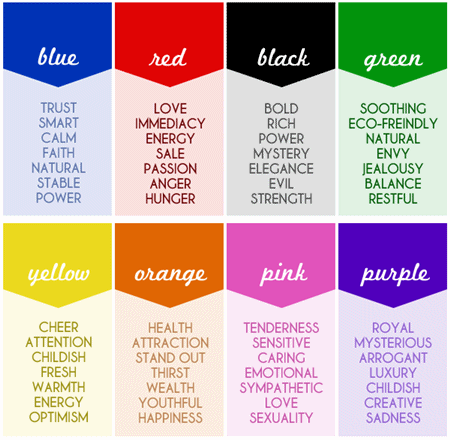
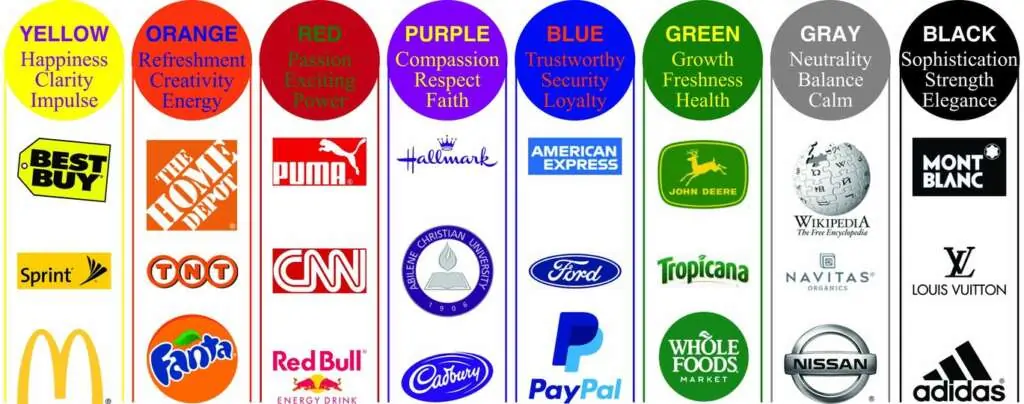
Strategic Power of Flexible Color Psychology in Branding

by Mohammad Jahangir0 Comments

This article delves into the transformative role of color psychology in shaping a brand’s identity. Following the pattern of previous articles on design and typography, it explores the principles of flexibility, innovation, and adaptability in the context of color psychology for creating a memorable brand presence. The piece emphasizes the importance of a dynamic and collaborative approach, seamlessly integrating internal teams with external color psychology services for optimal results. From navigating complexity to breaking free from constraints, the article highlights how flexible color psychology in branding becomes a strategic advantage, fostering innovation and future-proofing creativity in the ever-evolving landscape of branding.

The Color Psychology Landscape:

Much like the meticulous evaluation of fonts and styles in typography or the careful selection of design services, choosing the right colors involves thoughtful consideration of hues, shades, and their psychological implications. Speed, scale, reliability, and flexibility remain paramount, ensuring a harmonious and impactful visual identity. Hybrid models, seamlessly integrating internal teams with external color psychology services, are recognized for optimal results.

The Essence of Color Psychological Flexibility:

In the dynamic world of creative expression, the concept of color psychological flexibility emerges as a pivotal principle. Departing from rigid approaches, this paradigm shift embraces adaptability and responsiveness, mirroring the evolving needs of brands seeking dynamic and responsive visual solutions. Let’s explore the core attributes defining a flexible approach to color psychology.

Understanding the Color Psychological Landscape:

Before delving into the intricacies of flexible color psychology, it’s crucial to comprehend the dynamics of the contemporary creative landscape. Escalating demands for compelling visual content and innovative color psychology in branding render conventional color models less effective. The need for a dynamic, responsive, and collaborative color psychological approach becomes increasingly evident.

Navigating Color Psychological Complexity:

A standout feature of flexible color psychology is its ability to navigate the complexities of the modern creative landscape with ease. As brands expand their digital presence and explore diverse marketing channels, the demand for a diverse array of color assets surges. From social media visuals to website designs, flexible color psychology ensures the prompt and efficient fulfillment of a spectrum of creative needs.
Collaborative Synergy in Color Psychology:

Flexibility in color psychology thrives on collaborative synergy. In a flexible design partnership, clients and creative teams engage in an ongoing dialogue. This collaborative approach ensures that color psychological output aligns seamlessly with the client’s vision. Regular check-ins, open communication channels, and a shared understanding of project goals form the cornerstones of this collaborative synergy.

Adapting Color Psychology to Project Dynamics:

Recognizing that not all creative projects are created equal, flexible color psychology adapts to various project dynamics. Whether it’s a quick color psychological sprint requiring rapid turnaround or a marathon demanding in-depth ideation and execution, the color psychological partnership model accommodates diverse project timelines without compromising on quality.

Redefining Cost-Effective Color Psychology:

Flexibility in color psychology does not come at the cost of financial imprudence; in fact, it redefines cost-effectiveness. Unlike traditional models operating on fixed pricing structures, a workable partnership introduces a nuanced approach. Clients pay for the color psychology services they need, ensuring that every dollar spent maximizes its impact.

Embracing Technological Advancements in Color Psychology:

In an era dominated by technological advancements, flexible color psychology seamlessly integrates these innovations into the creative process. From collaborative online platforms facilitating real-time feedback to harnessing the power of artificial intelligence for color enhancements, this partnership model embraces cutting-edge color psychological technologies.
Future-Proofing Creativity through Color Psychology:

As businesses confront an ever-evolving landscape, the ability to future-proof creativity through flexible color psychology in branding becomes paramount. This workable partnership inherently embodies future-proofing, enabling brands to adapt to emerging color trends, incorporate new design methodologies, and stay ahead of the curve.

“In the dynamic realm of creativity, adaptability is not just a virtue; it’s a necessity. Flexible color psychology partnerships exemplify this necessity, offering brands the agility to thrive in an ever-changing visual landscape.”  

-Ben Jack

It’s imperative to underscore the innate capacity of flexible color psychology to embrace change. Unlike traditional models that might resist deviations from the initial color plan, flexibility is ingrained in the DNA of these partnerships. This adaptability not only allows for smoother color psychological navigation but also positions brands to readily embrace the inevitable shifts in creative requirements.

Adaptability as a Competitive Edge in Color Psychology:

The business landscape is not static, and those who can swiftly adapt gain a competitive edge. Flexible color psychology collaborations go beyond meeting immediate creative needs; they serve as strategic instruments for brands to stay ahead. By fostering an environment where creativity and color psychological adaptability coexist, these partnerships empower organizations to respond effectively to market dynamics and emerging visual trends.

Cost-Effectiveness as a Strategic Advantage in Color Psychology:

A critical facet of flexible color psychology collaborations is their redefinition of cost-effectiveness. In a world where every expenditure is scrutinized, this model allows brands to allocate resources judiciously. By paying for color psychological services as needed, organizations can optimize their creative investments, ensuring that financial prudence aligns harmoniously with creative pursuits.

Catalyst for Innovation through Color Psychology:

Collaboration lies at the heart of flexible color psychology partnerships, and it catalyzes innovation. The synergy between clients and color psychological teams creates a dynamic feedback loop. This iterative process not only refines color psychological output but also becomes a breeding ground for innovative ideas. It’s within this collaborative framework that true color psychological breakthroughs often occur.

Future-Proofing Creativity with Flexible Color Psychology:

It’s essential to recognize that changeable color psychology in branding collaborations contributes to the strategic imperative of future-proofing creativity. In an era where visual trends evolve rapidly, being able to pivot without compromising creative integrity is invaluable. This model positions brands not just to meet current color psychological challenges but to anticipate and navigate the visual landscape of the future.

Read More
blog_posts_nov_19
24 DecBrand Design

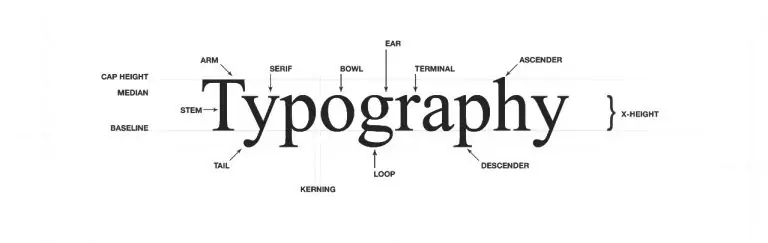
Typography in Branding: Crafting a Visual Symphony

by Mohammad Jahangir0 Comments

Explores the transformative role of typography in shaping a brand’s identity, following the pattern of a flexible design partnership. It prioritizes speed, scale, reliability, and flexibility in selecting typography, mirroring the essence of adaptability and innovation. Similar to collaborative design models, it emphasizes the ongoing dialogue between brands and typography in branding, adapting to various project dynamics. The article redefines cost-effectiveness, embraces technological advancements, and underscores the strategic imperative of future-proofing creativity through flexible typography.

The Typography Landscape:

Similar to the checklist provided for selecting design services, choosing the right typography involves a meticulous evaluation of fonts, styles, and layouts. Speed, scale, reliability, and flexibility are prioritized to ensure a cohesive and impactful visual identity. Acknowledging the prevalence of hybrid models, we recognize the importance of seamlessly integrating internal teams with external typographic services for optimal results.

Understanding the Typographic Landscape:

Before unraveling the intricacies of flexible typography, a deep understanding of the contemporary creative landscape is crucial. With escalating demands for compelling visual content and innovative branding, conventional typographic models prove less effective. The need for a dynamic, responsive, and collaborative typographic approach becomes increasingly evident.

Navigating Typographic Complexity:

A standout feature of flexible typography in branding is its ability to navigate the complexities of the modern creative landscape with ease. As brands expand their digital presence and explore diverse marketing channels, the demand for a diverse array of typographic assets surges. From social media posts to website designs, flexible typography ensures the prompt and efficient fulfillment of a spectrum of creative needs.

Breaking Free from Typographic Constraints:

Similar to the liberation from constraints emphasized in flexible design partnerships, flexible typography breaks free from traditional limitations. Engineered to accommodate changes, embrace evolving visual scopes, and foster a collaborative process refining creative output iteratively, this model offers unparalleled typographic flexibility.

“The true essence of creativity lies in its ability to evolve.” 

-Jack Allen

This philosophy holds for typography—a flexible partnership with tradition, responding to the evolving needs of brands seeking dynamic and responsive typographic solutions.

Collaborative Synergy in Typography:

Flexibility in typography in branding thrives on collaborative synergy. In a flexible design partnership, clients and creative teams engage in an ongoing dialogue. This collaborative approach ensures that typographic output aligns seamlessly with the client’s vision. Regular check-ins, open communication channels, and a shared understanding of project goals form the cornerstones of this collaborative synergy.

Adapting Typography to Project Dynamics:

Recognizing that not all creative projects are created equal, flexible typography adapts to various project dynamics. Whether it’s a quick typographic sprint requiring rapid turnaround or a marathon demanding in-depth ideation and execution, the typographic partnership model accommodates diverse project timelines without compromising on quality.

Redefining Cost-Effective Typography:

Flexibility in typography does not come at the cost of financial prudence; in fact, it redefines cost-effectiveness. Unlike traditional typographic models operating on fixed pricing structures, a workable partnership introduces a nuanced approach. Clients pay for the typographic services they need, ensuring that every dollar spent maximizes its impact.

Embracing Technological Advancements in Typography:

In an era dominated by technological advancements, flexible typography seamlessly integrates these innovations into the creative process. From collaborative online platforms facilitating real-time feedback to harnessing the power of artificial intelligence for typographic enhancements, this partnership model embraces cutting-edge typographic technologies.

Future-Proofing Creativity through Typography:

As businesses confront an ever-evolving landscape, the ability to future-proof creativity through flexible typography becomes paramount. This workable partnership inherently embodies future-proofing, enabling businesses to adapt to emerging typography in branding trends, incorporate new design methodologies, and stay ahead of the curve. This ensures that typographic endeavors withstand the test of time and remain relevant in a dynamic market.

“In the dynamic realm of creativity, adaptability is not just a virtue; it’s a necessity. Flexible typographic partnerships exemplify this necessity, offering brands the agility to thrive in an ever-changing visual landscape.”  

-Ben Jack

It’s imperative to underscore the innate capacity of flexible typography to embrace change. Unlike traditional models that might resist deviations from the initial typographic plan, flexibility is ingrained in the DNA of these partnerships. This adaptability not only allows for smoother typographic navigation but also positions brands to readily embrace the inevitable shifts in creative requirements.

Adaptability as a Competitive Edge in Typography:

The business landscape is not static, and those who can swiftly adapt gain a competitive edge. Flexible typographic collaborations go beyond meeting immediate creative needs; they serve as strategic instruments for brands to stay ahead. By fostering an environment where creativity and typographic adaptability coexist, these partnerships empower organizations to respond effectively to market dynamics and emerging visual trends.

Cost-Effectiveness as a Strategic Advantage in Typography:

A critical facet of flexible typographic collaborations is their redefinition of cost-effectiveness. In a world where every expenditure is scrutinized, this model allows brands to allocate resources judiciously. By paying for typographic services as needed, organizations can optimize their creative investments, ensuring that financial prudence aligns harmoniously with creative pursuits.

Catalyst for Innovation through Typography:

Collaboration lies at the heart of flexible typographic partnerships, and it catalyzes innovation. The synergy between clients and typographic teams creates a dynamic feedback loop. This iterative process not only refines typographic output but also becomes a breeding ground for innovative ideas. It’s within this collaborative framework that true typographic breakthroughs often occur.

Future-Proofing Creativity with Flexible Typography:

It’s essential to recognize that changeable typographic collaborations contribute to the strategic imperative of future-proofing creativity. In an era where visual trends evolve rapidly, being able to pivot without compromising creative integrity is invaluable. This model positions brands not just to meet current typographic challenges but to anticipate and navigate the visual landscape of the future.
Read More
24 DecBrand Design

Strategies to Elevate Brand Communication

by Mohammad Jahangir0 Comments

Elevating brand communication involves crafting a consistent visual identity, engaging storytelling, multichannel presence, interactive content, personalization, and influencer collaborations. While challenges like information overload and maintaining authenticity exist, the importance of effective brand communication lies in building trust, enhancing loyalty, differentiating in the market, adapting to consumer needs, and facilitating crisis management.

Understanding Brand Conversations

In the ever-evolving landscape of modern business, brand conversations have transcended traditional advertising to become a dynamic force shaping how businesses connect with their audiences. This exploration dives into the strategies, challenges, and critical importance of elevating brand conversations to establish impactful and lasting connections.

“It’s about building bridges of trust and fostering connections that withstand the test of time. In the dynamic landscape of modern business, communication isn’t just a strategy; it’s the heartbeat of lasting brand success.”

-Emma Richards

Brand conversations is the amalgamation of all the ways a brand communicates with its audience. It goes beyond mere advertising, encompassing messaging, visual identity, tone, and the overall brand experience. Successful brand conversations is not just about conveying information; it’s about fostering a sense of connection, trust, and loyalty among consumers. This influence on perception plays a pivotal role in consumer choices.

Strategies for Impactful Brand Communication

  1. Consistent Visual Identity: Maintaining a consistent visual identity across all brand touchpoints is crucial. This includes logos, color schemes, and design elements. Consistency breeds recognition, helping consumers associate visual cues with the brand. This familiarity builds a sense of trust over time.
  2. Storytelling Excellence: Engaging storytelling is a potent tool for brand conversations. Narratives that resonate emotionally with the audience create a memorable connection. Brands can share their journey, values, or customer stories to establish authenticity and relatability. Storytelling goes beyond facts; it evokes emotions, making the brand more relatable.
  3. Multichannel Presence: Brands should leverage multiple channels for communication, including social media, email, traditional media, and more. Each channel offers a unique way to connect with the audience, and a diverse approach ensures a broader reach. A cohesive yet adaptable presence across channels ensures that the brand’s message is heard in various spaces.
  4. Interactive Content: Interactive content, such as polls, quizzes, and surveys, encourages active participation. This engagement not only strengthens the connection but also provides valuable insights into consumer preferences. It turns communication into a two-way street, where consumers feel heard and valued.
  5. Personalization Strategies: Tailoring communication to individual preferences enhances the personalized experience. Data-driven insights enable brands to deliver targeted content, fostering a sense of being understood by the audience. Personalization creates a unique connection by acknowledging and catering to the specific needs of consumers.
  6. Influencer Collaborations: Partnering with influencers relevant to the brand helps extend its reach. Influencers bring authenticity and credibility, contributing to a more genuine connection with their followers. This strategy leverages the established trust that influencers have with their audience, creating a bridge between the brand and potential customers.

Challenges in Brand Communication

While brand conversations offer numerous benefits, they come with a set of challenges that businesses must navigate effectively:

  1. Information Overload: In an era of constant information flow, capturing and retaining audience attention is challenging. Brands need to craft concise and compelling messages to cut through the noise. Simplifying complex messages without losing their essence is an art that effective brand communicators master.
  2. Maintaining Authenticity: The authenticity of brand conversations is paramount. Consumers today are discerning and can differentiate between genuine communication and marketing tactics. Striking a balance between promotional content and authentic brand representation is crucial. Authenticity builds trust, and trust is the foundation of enduring connections.
  3. Adapting to Changing Trends: Consumer preferences and communication trends evolve rapidly. Brands must stay agile, adapting their communication strategies to align with current trends and technologies. Staying ahead of the curve requires continuous monitoring of industry trends and consumer behavior.

Importance of Elevating Brand Conversations

  1. Builds Trust and Credibility: 

Effective communication builds trust, a fundamental element of successful brand-consumer relationships. Credible communication establishes the brand as reliable and authentic. Trust is the currency of modern business, and brands that consistently communicate with transparency and honesty earn this currency.

  1. Enhances Brand Loyalty: 

When consumers feel a genuine connection with a brand, they are more likely to become loyal advocates. Repeat business and positive word-of-mouth are natural outcomes of strong brand conversations. Loyalty is not just about repeated transactions; it’s about a deep emotional connection that goes beyond the product or service.

  1. Differentiation in the Market: 

In a crowded marketplace, effective communication helps a brand stand out. Unique and compelling messaging sets the brand apart, making it memorable among consumers. Differentiation is not just about being different for the sake of it but about communicating a distinctive value proposition that resonates with the target audience.

  1. Adapts to Consumer Needs: 

Brands that actively listen and respond to consumer feedback through their communication strategies show a commitment to meeting customer needs. This adaptability fosters positive relationships. Understanding and addressing the evolving needs of consumers keeps a brand relevant and responsive.

  1. Facilitates Crisis Management: 

During challenging times, transparent and effective communication is crucial. Brands that communicate openly during crises can maintain consumer trust and mitigate potential damage. Crisis management is not just about damage control; it’s an opportunity to showcase the brand’s values and commitment to its audience.

Elevating brand conversations is not just a marketing strategy; it’s a commitment to building enduring connections. In a world where consumers seek authenticity and meaningful engagements, brands that invest in effective communication position themselves for sustained success. By adopting innovative strategies, navigating challenges, and recognizing the pivotal role of communication in brand building, businesses can forge connections that resonate and endure.

Read More
  • 1
  • 2
  • 3

Recent Posts

  • A Guide to Local SEO & Google My Business Optimization Success
  • Why Curated Niche Edits & Contextual Backlinks Matter
  • Top White Hat Link Building Strategies 2025 Every SEO Must Know
  • The Future of Emerging Design Tools and AI in Creative Work
  • Step-by-Step Guide for How to Evaluate Creative ROI

20 TIMES FASTER THAN HIRING

Efficient. Scalable. Exceptionally dependable.

Team up with us
SOLE MBR 30 N GOULD ST STE R SHERIDAN, WY 82801
info@bluebitebranding.com

+1 307 227 4281

Twitter Facebook-f Pinterest-p Instagram
  • Ad Creative
  • Ad Design
  • Animated Explainer Videos
  • Animated Videos
  • Annual Report Design
logo-1-footer

Copyright ÂĐ 2025 Blue Bite Branding. All Rights Reserved.

BACK TO TOP