
Customized Creative Support for Redefining Collaborative Success

The realm of creative collaboration is witnessing a profound transformation with the introduction of “Customized Creative Support.” This comprehensive exploration delves into the intricacies of this innovative approach, shedding light on its myriad benefits, crucial considerations, and the collaborative dynamics that position it as a game-changer in the domain of creative ventures.

A Tailored Approach to Collaboration

In the ever-evolving landscape of creativity, businesses are embracing a paradigm shift embodied by “Creative Support.” This avant-garde approach marks a departure from traditional models, offering a bespoke and flexible solution to cater to the diverse and dynamic needs of modern enterprises.

Diverging from conventional methods that often involve fixed-term agency collaborations or the maintenance of in-house teams, Creative Support introduces a more nimble and adaptable model. It enables organizations to access a spectrum of creative services precisely when and how they need them, presenting a versatile solution to the challenges of contemporary creative workflows.

Adapting Creativity to Specific Project Demands

A defining feature of Creative Support is its ability to tailor creative resources to the specific demands of each project. This tailoring advantage ensures that businesses have access to the right expertise precisely when it is needed, aligning creative efforts with project requirements seamlessly.

“In the era of tailored solutions, Creative Support stands out as the beacon guiding businesses towards collaborative success, unlocking the full potential of creative endeavors.”
– James Albert

This level of adaptability is particularly crucial in industries with fluctuating workloads and varied creative needs. Whether it’s a short-term marketing campaign or a long-term branding initiative, organizations can customize their creative support to suit the unique demands of each endeavor, optimizing resources and maximizing impact.

From Branding to Multimedia Campaigns,

One of the standout features of Creative Support is its expansive reach across the entire creative spectrum. From crafting compelling brand visuals to executing multimedia advertising campaigns, this approach showcases a remarkable capacity to address a broad range of creative requirements.

This versatility proves paramount in an era where businesses operate across diverse platforms, each demanding a distinct creative approach. Customized Creative Support ensures that the creative output aligns seamlessly with the objectives of each project, contributing to a cohesive and impactful brand narrative.

Breaking Down the Pros of Customized Creative Support

  1. Cost Efficiency: Creative Support offers a cost-effective solution, allowing businesses to pay for specific creative services as and when they are required. This eliminates the need for a continuous financial commitment, making it an attractive option for organizations with variable creative needs.
  2. Access to Specialized Expertise: This model provides unparalleled access to a diverse pool of specialized creative skills. Whether it’s graphic design, content creation, or multimedia production, businesses can tap into a broad range of talents without the constraints of maintaining an in-house team.
  3. Scalability: Creative Support seamlessly scales to accommodate projects of various sizes. Whether it’s a small-scale design task or a comprehensive, long-term creative project, this model aligns with the evolving needs of businesses, offering flexibility in scaling up or down as required.

Maximizing the Impact of Customized Creative Collaborations

While Creative Support brings numerous advantages, there are crucial considerations that organizations must address to maximize the effectiveness of these collaborations.

  1. Clear Communication Channels: Effective communication is paramount for successful Creative Support collaborations. Establishing clear channels for project requirements, expectations, and feedback ensures a smooth workflow and minimizes misunderstandings.
  2. Quality Assurance Measures: Implementing robust quality assurance measures is essential to maintain consistency and quality across diverse creative projects. This includes defining creative guidelines, conducting regular reviews, and providing constructive feedback.
  3. Strategic Partnership Building: Building strong partnerships with creative collaborators is a strategic investment. A collaborative and long-term relationship fosters a deeper understanding, leading to more effective collaboration and creative output aligned with business objectives.

The Collaborative Dynamics of Creative Support

Successful Creative Support collaborations thrive on effective communication, cultural integration, and the establishment of streamlined feedback loops. Navigating these collaborative dynamics is key to extracting the full potential of this innovative approach.

Creative Support flourishes in an environment where feedback is not only encouraged but actively embraced. This iterative process allows for continuous improvement, ensuring that the final creative output resonates seamlessly with the client’s vision and objectives.

Shaping a Collaborative Future with Creative Support

In summary, Creative Support emerges as a transformative force shaping the collaborative future of creative endeavors. Its alignment with the demands of modern businesses for flexibility, cost-effectiveness, and top-tier creative output positions it as a catalyst for innovation in the ever-evolving landscape of creative collaboration.

“Customized Creative Support represents a shift towards a more dynamic and responsive model, empowering businesses to navigate the complexities of creativity with agility and precision.”
– Daines Albert 

As businesses continue to seek creative solutions that align with their dynamic needs, Creative Support stands out as a beacon of collaborative success. Embracing this tailored approach allows organizations to not only meet but surpass their creative aspirations, fostering a future where creativity is a dynamic and responsive ally in achieving business objectives.


Read More

On-Demand Design Expertise to Transform Creative Collaboration

In the dynamic realm of design, on-demand design expertise is redefining collaboration. This article explores the distinctive advantages, essential considerations, and collaborative dynamics that define the success of on-demand design collaborations.

Unveiling On-Demand Design Expertise: 

A Paradigm Shift in Creativity

Traditional models of acquiring design services are evolving, making way for on demand design expertise. This revolutionary approach offers flexibility, scalability, and specialized skills precisely when needed, providing a scalable solution for businesses seeking agile and efficient creative support.

The conventional method of maintaining an in-house design team or hiring a fixed-term agency is being challenged by the dynamic nature of today’s business landscape. On demand design expertise enables organizations to access a flexible pool of talent that aligns with project requirements.

The Flexibility Advantage: 

Tailoring Resources to Project Needs

Flexibility is a cornerstone feature of on demand design expertise. Organizations can now customize their design resources based on the specific demands of each project. This flexibility is particularly advantageous for industries characterized by fluctuating workloads and evolving creative requirements.

With on-demand design, businesses can scale their creative resources up or down based on project demands, ensuring optimal resource utilization. This adaptability allows for a more efficient allocation of budget and creative talent.

Navigating Project Diversity: 

From Marketing Visuals to Digital Interfaces

On-demand design services showcase a remarkable capacity to address a broad spectrum of creative needs. Whether it’s crafting compelling marketing visuals, designing user-friendly digital interfaces, or tackling any other creative endeavor, this model proves highly adaptable.

This adaptability is crucial in an era where businesses operate across diverse platforms, each requiring a unique approach to design. On demand design expertise ensures that the creative output aligns with the specific nuances of each project, contributing to a cohesive and impactful brand image.

Breaking Down the Pros of On Demand Design Expertise

  1. Cost Efficiency: On-demand design offers a cost-effective solution, enabling businesses to pay for specific services as and when needed. This eliminates the need for a continuous financial commitment, making it an attractive option for businesses with variable design needs.
  2. Access to Specialized Skills: This model provides unparalleled access to a diverse pool of specialized skills. From graphic design and illustration to UX/UI expertise, businesses can tap into a broad range of talents without the constraints of maintaining an in-house team.
  3. Scalability: On-demand design seamlessly scales to accommodate projects of various sizes. Whether it’s a small one-off task or a comprehensive, long-term project, this model aligns with the evolving needs of businesses, providing flexibility in scaling up or down as required.

Navigating Considerations: 

Maximizing the Impact of On-Demand Design Collaborations

While on demand design expertise brings a host of advantages, there are crucial considerations that organizations must address to maximize the effectiveness of these collaborations.

  1. Effective Communication: Clear and open communication is vital for successful on-demand design collaborations. Ensuring that project requirements, expectations, and feedback are communicated effectively contributes to a smoother workflow.
  2. Quality Assurance Measures: Implementing robust quality assurance measures is essential to maintain consistency and quality across diverse projects. This includes establishing design guidelines, conducting regular reviews, and providing constructive feedback.
  3. Strategic Relationship Building: Building strong relationships with on-demand design partners is a strategic investment. A collaborative and long-term partnership fosters better understanding, leading to more effective collaboration and creative output.

The Collaborative Dynamics of On-Demand Design

Successful on-demand design collaborations are built on agile communication, cultural integration, and the establishment of effective feedback loops. Understanding and navigating these collaborative dynamics is key to extracting the full potential of on demand design expertise.

On-demand design thrives in an environment where feedback is not only welcomed but actively sought. This iterative process allows for continuous improvement, ensuring that the final creative output aligns seamlessly with the client’s vision and objectives.

Crafting a Collaborative Future with On-Demand Design Expertise

In essence, design expertise emerges as the beacon guiding the collaborative future of creative endeavors. Its alignment with modern businesses’ demands for efficiency, cost-effectiveness, and top-notch creative output positions it as a transformative force in the ever-evolving landscape of design.

“The beauty of on-demand design lies in its ability to transform creative challenges into opportunities, providing businesses the freedom to innovate without constraints.”
– David, Design Innovator

As businesses continue to seek agile solutions in the dynamic world of design, on-demand design expertise stands out as a catalyst for transformative and collaborative success. Embracing this paradigm shift allows organizations to not only meet but exceed their creative aspirations, fostering a future where design is a dynamic and responsive ally in achieving business objectives.

Read More

Innovative Creative Collaboration: A Blueprint for Success

This article explores the importance of creative collaboration in fostering innovation. It outlines the dimensions of successful collaboration, challenges, and a blueprint for fostering an environment where creativity thrives. The article highlights the need for understanding the dynamics of collaboration in various creative entities, including design teams and marketing groups, to ensure success.

The Essence of Innovative Creative Collaboration

At its core, innovative creative collaboration is about bringing together diverse minds to create something greater than the sum of its parts. It transcends the conventional boundaries of individual contributions, fostering an environment where ideas flourish, and originality takes center stage. In this interconnected world, where cross-disciplinary work is increasingly vital, mastering the art of collaboration becomes a key differentiator.

Why Innovative Collaboration Matters:

  1. Diverse Perspectives Fuel Creativity: Collaboration introduces a multitude of perspectives, enriching the creative process. Diverse backgrounds and experiences contribute to a more comprehensive and nuanced approach to problem-solving.
  2. Efficiency and Productivity: A well-coordinated collaborative effort often leads to increased efficiency. Tasks are distributed based on strengths, and collective brainstorming can streamline decision-making.
  3. Adaptability in the Face of Challenges: In a collaborative setting, teams can adapt more swiftly to challenges. The collective intelligence and pooled resources enable a more dynamic response to unforeseen obstacles.

Challenges in the Collaborative Arena

While the benefits are immense, navigating the collaborative landscape comes with its set of challenges. Identifying and addressing these challenges is pivotal to unlocking the true potential of creative collaboration.

Common Challenges:

  1. Communication Breakdowns: Effective communication is the backbone of collaboration. Breakdowns in conveying ideas or understanding others can hinder progress.
  2. Differing Work Styles: Individuals bring unique work styles to the table. Balancing these differences requires a delicate understanding of how each team member operates.
  3. Managing Conflicts: Creative processes are subjective, and disagreements can arise. Effectively managing conflicts without stifling creativity is a delicate art.
  4. Integration of Technology: While technology can enhance collaboration, integrating new tools seamlessly into the workflow can be a challenge.

Blueprint for Successful Innovative Collaboration

Navigating the challenges of collaborative endeavors requires a well-thought-out strategy. Here’s a blueprint to foster an environment where creative collaboration can thrive:

  1. Cultivate a Culture of Openness: Encourage an open exchange of ideas. Make every team member feel valued, fostering a culture where everyone feels comfortable expressing their thoughts. This openness lays the foundation for a rich collaborative environment.
  2. Define Clear Objectives: Establish clear objectives for the collaborative effort. When everyone understands the end goal, it provides a shared purpose, aligning individual contributions toward a unified vision.
  3. Leverage Diverse Perspectives: Actively seek out diversity in the team. Differing perspectives bring fresh ideas to the table and challenge conventional thinking. Embrace inclusivity to harness the full spectrum of creativity within the team.
  4. Facilitate Effective Communication: Communication is the lifeblood of collaboration. Leverage communication tools, conduct regular check-ins, and foster an environment where everyone feels heard. Clarify expectations and ensure that information flows seamlessly.
  5. Embrace Technology Thoughtfully: Integrate technology strategically. Choose tools that enhance collaboration without overwhelming the workflow. Provide training and support to ensure that everyone is comfortable using the selected technologies.
  6. Encourage Iterative Processes: Embrace an iterative approach to creative projects. Encourage experimentation and refinement. This allows the team to learn from each iteration, fostering continuous improvement.
  7. Celebrate Successes and Learn from Failures: Acknowledge and celebrate achievements, both big and small. Equally important is learning from failures. Cultivate a culture where setbacks are viewed as opportunities for growth and innovation.
  8. Invest in Team Building: Team dynamics significantly impact collaboration. Invest in team-building activities that foster camaraderie and trust. Strong interpersonal relationships contribute to a more harmonious and productive working environment.

Innovative Tools for Innovative Collaboration

In the digital age, leveraging cutting-edge tools can amplify the collaborative process. From project management platforms to virtual collaboration spaces, explore innovative tools that can elevate the team’s creative synergy.

Prominent Collaborative Tools:

  1. Project Management Platforms: Tools like Asana, Trello, or Monday.com facilitate task distribution, progress tracking, and seamless collaboration on projects.
  2. Virtual Whiteboards: Platforms like Miro or MURAL provide digital whiteboards for collaborative brainstorming, mind mapping, and visualizing ideas.
  3. Communication Hubs: Slack or Microsoft Teams serve as centralized communication hubs, streamlining real-time conversations and file sharing.
  4. Cloud-Based Document Collaboration: Google Workspace or Microsoft 365 enable real-time collaboration on documents, fostering a seamless editing and reviewing process.

The Future of Innovative Creative Collaboration

As they stand on the cusp of technological advancements, the future of creative collaboration holds immense promise. Virtual and augmented reality are poised to revolutionize how teams collaborate remotely, providing immersive experiences that transcend physical boundaries. Additionally, artificial intelligence will play a pivotal role in automating routine tasks, allowing creative minds to focus on higher-order ideation and innovation.

The Evolving Landscape of Collaboration:

  1. Virtual and Augmented Reality: These technologies will enable more immersive and engaging collaborative experiences, breaking down geographical barriers for remote teams.
  2. Artificial Intelligence Integration: AI will handle routine tasks, offering data-driven insights and freeing up creative professionals for more strategic and inventive contributions.
  3. Blockchain for Creative Assets: Blockchain technology may revolutionize how creative assets are managed, ensuring transparency, traceability, and fair compensation for contributors.

The Collaborative Spirit as a Catalyst: 

In every successful collaborative project, the spirit of togetherness acts as a catalyst. It fuels the engine of innovation, propelling teams toward unprecedented heights of creativity. The journey is marked not only by the achievements but also by the bonds forged and lessons learned along the way.

Looking Ahead: A Future Unbound by Boundaries: 

The future of innovative creative collaboration holds the promise of a horizon unbound by geographical constraints. Virtual and augmented reality are set to redefine how teams interact, offering immersive experiences that transcend physical limitations. The integration of artificial intelligence will usher in an era where routine tasks are automated, allowing creatives the freedom to explore realms of unbridled imagination.

Embracing Change, Cultivating Creativity: 

The blueprint presented is not a rigid framework but a flexible guide, adapts to the dynamic nature of collaboration. Embracing change becomes a cornerstone, and cultivating creativity is a continuous endeavor. Success lies not just in reaching the destination but in the learning, adaptation, and growth experienced throughout the collaborative journey.

Read More

Dynamic Design Solutions for Crafting Collaborative Excellence

The text discusses the various types of design services, including freelancers, agencies, and Creative-as-a-Service (CaaS), and their strengths and weaknesses. It provides a checklist for choosing the right service, emphasizing speed, scale, reliability, and flexibility. The text also emphasizes the need for a customized approach in selecting dynamic design solutions, acknowledging the prevalence of hybrid models combining internal teams with external services for optimal results. Understanding these nuances is crucial for making an informed decision.

The Freelancer Frontier

What Do Design Freelancers Offer?

Freelancers, often specialists in their fields, bring a range of skills from design to video production. Engaging freelancers can be a boon, especially when they quickly grasp your brand identity and meet your set standards.

Why Work with a Freelance Designer?

  1. Speed: Freelancers, operating in a direct 1:1 relationship, excel in quick turnarounds, devoid of middlemen delays.
  2. Flexibility: Projects are dynamic, and freelancers offer agility in responding to changes in scope and direction.
  3. Cost-effectiveness: With lower overhead compared to agencies, freelancers deliver quality work at a more economical cost.

Considerations When Opting for Freelancers:

  1. Availability: Freelancers, managing multiple projects, might face scheduling challenges, affecting timely meetings.
  2. Limited Skill Sets: Diverse projects may require a network of freelancers, leading to potential management complexities.
  3. Brand Knowledge and Consistency: Onboarding freelancers necessitates starting from scratch, impacting brand consistency and requiring comprehensive training.

Thus, building a reliable network of freelancers becomes paramount. Establishing relationships with those who understand your brand mitigates challenges related to availability and consistency.

The Agency Advantage

What Do Design Agencies Offer?

Traditional design agencies, pillars of creativity, specialize in full-service provisions, handling everything from branding to integrated campaigns.

Why Choose an Agency?

  1. Dedicated Team: Agencies provide dedicated project managers and teams, offering a structured workflow and specialized expertise.
  2. Reputation: Agency reputations, built on references and previous work, instill confidence in the quality of deliverables.
  3. Specialization: Agencies house experts, allowing them to tackle unique projects, from augmented reality (AR) campaigns to innovative videos.

Considerations When Opting for an Agency:

  1. Control: Interaction through a single point of contact can limit control over the creative team, impacting adaptability to changing needs.
  2. Speed: While agencies bring considerable advantages, they may face resource challenges similar to their clients.
  3. Rigid Pricing: Agencies often adhere to rigid pricing models, potentially limiting flexibility for quick changes or pivots.

Transparent communication channels and dynamic design solutions regular check-ins enhance the agency experience, fostering a smoother workflow and optimal results.

The Rise of Creative-as-a-Service (CaaS)

What Does Creative-as-a-Service (CaaS) Offer?

Design evolves, and CaaS companies, like Superside, bridge the gap between agencies and freelancers with a unique subscription-based model.

Why Work with a CaaS Company?

  1. Top-quality Creative: CaaS companies, often remote-first, boast a global pool of design talent, providing diverse perspectives and round-the-clock coverage.
  2. Speed and Support: CaaS combines dedicated project management with collaborative online platforms, catering to both quick-turn and long-term projects.
  3. Flexibility, Availability, and Cost-effectiveness: Unlike traditional retainers, CaaS operates on a subscription model, allowing clients to scale up or down, maximizing investment.

Cautions Regarding “Unlimited Graphic Design” Claims:

While some CaaS providers advertise “unlimited graphic design,” scrutinizing the terms is crucial. Understanding project limits, support availability, and revision allowances is essential.

A transparent workflow, defined project scopes, and regular feedback loops contribute to a successful CaaS partnership, maximizing the benefits of the subscription-based model.

Your 4-Step Checklist for Choosing the Right Design Service

Choosing the right design service involves a comprehensive 4-step checklist to ensure optimal outcomes:

  1. Speed: Evaluate the efficiency of each service in initiating projects and implementing changes. A swift start is crucial for meeting tight deadlines and adapting to dynamic project needs.
  2. Scale: Consider the scalability of the chosen service. It should provide the necessary speed, flexibility, and reliability to accommodate a spectrum of design requirements, ranging from simple tasks to complex projects.
  3. Reliability: Ensure the selected service is consistently available to meet your needs. Reliability is a cornerstone, especially in fast-paced industries where consistent and timely delivery is paramount.
  4. Flexibility: Determine if the service aligns with your preferred workflow and can adapt to your unique working style. A flexible design service should seamlessly integrate with your processes, enhancing collaboration and efficiency.

Bonus Points for Cost-effectiveness: 

In the current era of financial prudence, it’s essential to evaluate pricing models alongside speed, scale, reliability, and flexibility. Understanding the cost-effectiveness of dynamic design solutions enhances the overall value derived from the partnership, ensuring that the investment aligns with the expected outcomes.

By meticulously considering these factors, businesses can make informed decisions when selecting a design service that not only meets their immediate needs but also aligns with long-term strategic goals.

Your Team, Your Brand, Your Dynamic Choice

Choosing the right design service involves careful consideration, and there’s no one-size-fits-all solution. Many high-growth in-house teams adopt a hybrid approach, building a core internal team empowered by freelancers, agencies, and CaaS providers.

In dynamic design solutions, understanding the unique strengths and considerations of freelancers, agencies, and CaaS empowers your team to make informed decisions, ensuring your brand’s creative vision comes to life with unparalleled excellence.

Read More

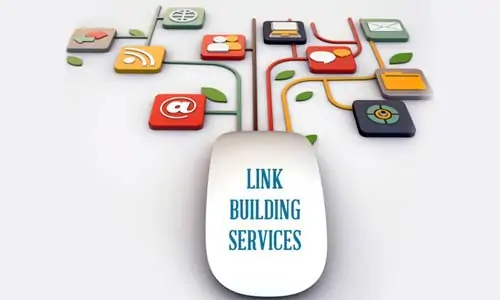
Unlocking the Potential of Link Building Services

In the vast and competitive landscape of the Internet, link-building services have emerged as a strategic cornerstone of online success. These services play a pivotal role in improving a website’s visibility, credibility, and authority. Whether you’re a business, blogger, or digital marketer, mastering the art of link building can help you rise above the digital noise and achieve your online goals. Explore the world of link building services, their significance, best practices, and how they can elevate your online presence to new heights.

1. Demystifying Link Building Services

Link building is the practice of acquiring hyperlinks from other websites to your own. These hyperlinks, often referred to as “backlinks,” serve as digital pathways that connect one webpage to another, creating a web of interconnected content across the internet.

2. The Significance of Link-Building Services

Link-building services are indispensable for several reasons:

  • Search Engine Rankings: Backlinks are a major ranking factor for search engines like Google. A website with high-quality backlinks is more likely to rank higher in search results.
  • Credibility and Trust: Backlinks from reputable sources convey trust and credibility to your website. When established websites link to your content, it signifies their endorsement.
  • Increased Traffic: High-quality backlinks can drive organic traffic to your site. When users click on a link from another website, they land on your content.
  • Relationship Building: Engaging in link-building services fosters relationships with other websites and content creators. This can lead to future collaboration and guest posting opportunities.

3. Types of Backlinks

Not all backlinks are created equal. There are different types of backlinks, including:

  • Natural Backlinks: These are earned organically when other websites find your content valuable and link to it.
  • Editorial Backlinks: These are the most coveted backlinks and are given when another website’s editor or content creator finds your content valuable enough to link to.
  • Guest Post Backlinks: These are backlinks obtained by contributing guest posts to other websites in exchange for a link back to your own content.
  • Forum and Comment Backlinks: These are backlinks obtained by participating in online forums or leaving thoughtful comments on relevant blogs and websites.

4. The Art of Link Building Services

Effective link building services involve various strategies and practices:

a. Content Quality:

High-quality, engaging content is more likely to earn backlinks. Create content that is informative, unique, and valuable to your target audience.

b. Outreach:

Proactive outreach to other websites and bloggers in your niche can lead to guest posting opportunities, partnerships, and backlinks.

c. Resource and Linkable Content:

Create comprehensive, resourceful content that other websites in your niche would find valuable and reference.

d. Broken Link Building:

Identify broken links on other websites and offer your content as a replacement, creating an opportunity for a new backlink.

e. Internal Linking:

Optimize internal linking by linking to relevant pages and articles within your own website. This improves user navigation and distributes link equity.

f. Avoiding Low-Quality Backlinks:

Steer clear of low-quality or spammy backlinks, as they can harm your website’s reputation and SEO.

5. Backlink Analysis

Regularly analyze your backlink profile to ensure that your links are from reputable and relevant sources. Tools like Ahrefs and Moz can help you assess the quality and authority of your backlinks.

6. Link Building and Google Algorithms

Google’s algorithms, such as Penguin and Panda, focus on the quality of backlinks. It’s essential to stay updated on algorithm changes and ensure your link building practices comply with search engine guidelines.

7. The Future of Link Building Services

As search engine algorithms evolve, the future of link-building services may see an increased focus on the quality, relevance, and natural acquisition of backlinks. Building relationships with websites in your niche and providing value to your audience will remain essential.

In conclusion, Link-building services are not just about building links; they are about building your online presence, credibility, and authority. By understanding the significance of link-building, implementing best practices, and fostering relationships within your digital community, you can elevate your online presence to new heights. Whether you’re a business looking to boost your SEO or a content creator seeking a wider audience, the art of link building can help you navigate the competitive digital landscape and achieve your online goals. Embrace link building as a strategic tool for success, and watch as your online presence soars above the competition.

Read More

Power of Local SEO: Blueprint for Business Success

In the age of digital technology and smartphones, local SEO (Search Engine Optimization) has become a game-changer for businesses, offering a direct path to customers in their local communities. For small and large enterprises alike, mastering local SEO is essential to attracting nearby customers, increasing foot traffic, and ensuring that your business stands out in local search results. This comprehensive article delves into the world of local Search Engine Optimization, its significance, strategies, and how to harness its potential to drive business success.

1. Understanding Local Search Engine Optimization

Local Search Engine Optimization is a specialized branch of SEO focused on optimizing a website to rank higher in local search results. It helps businesses promote their products and services to local customers precisely when they’re looking for them online.

2. The Significance of Local Search Engine Optimization

Local Search Engine Optimization is a game-changer for businesses. Here’s why it’s so significant:

  • Local Consumer Behavior: Research shows that consumers frequently use search engines to find local information. Optimizing for local search ensures you’re visible to these potential customers.
  • Mobile Dominance: The proliferation of smartphones means that local searches are often conducted on the go. Local SEO makes your business accessible to mobile users.
  • Competition: Local markets are highly competitive, making it crucial for your business to stand out.

3. Components of Local Search Engine Optimization

Local Search Engine Optimization involves various elements, including:

a. Google My Business:

Creating and optimizing your Google My Business listing is a foundational step. Ensure that your business name, address, phone number, and website are accurate and up to date.

b. On-Page SEO:

Optimize your website’s content with local keywords, location-specific meta tags, and schema markup to make it easier for search engines to understand your local relevance.

c. NAP Citations:

Ensure that your business’s name, address, and phone number (NAP) are consistent across all online platforms, directories, and listings. This consistency boosts your local Search Engine Optimization efforts.

d. Local Link Building:

Obtaining high-quality backlinks from local sources and reputable directories can significantly impact your local search rankings.

e. Online Reviews:

Positive online reviews not only boost your credibility but also affect your local rankings. Encourage satisfied customers to leave reviews on platforms like Google and Yelp.

4. The Role of Google Maps

Google Maps is a central component of local Search Engine Optimization. An optimized Google Maps listing helps users find your business easily and provides essential information such as your address, hours of operation, and contact details.

5. Mobile Optimization

Given the prevalence of mobile searches in local Search Engine Optimization, it’s essential to ensure that your website is fully optimized for mobile devices. A responsive design enhances user experience and can positively impact your local search rankings.

6. Local Content Creation

Creating location-specific content can help you connect with local customers. Write blog posts or articles that relate to your community, participate in local events, and showcase community involvement to resonate with local audiences.

7. Online Advertising for Local Search Engine Optimization

Online advertising, particularly pay-per-click (PPC) advertising, can complement your local Search Engine Optimization efforts. Platforms like Google Ads allow you to target local customers effectively and quickly.

8. Tracking and Analytics

Regularly monitor your local Search Engine Optimization performance using tools like Google Analytics. This provides insights into your website’s traffic, conversion rates, and areas for improvement.

9. Staying Current with Algorithm Changes

Search engine algorithms are continually evolving. Stay informed about updates to search algorithms and adapt your local Search Engine Optimization strategy accordingly.

10. Local Search Engine Optimization and Voice Search

As voice-activated devices become more common, optimizing for voice search is crucial. Consider the natural language and long-tail keywords that people might use when speaking to a voice assistant.

In conclusion, local SEO is the bridge between your business and local customers. By understanding its significance, implementing the strategies outlined above, and staying up to date with the latest SEO trends and technologies, you can harness the potential of local Search Engine Optimization to drive business success. Whether you’re a local store, restaurant, or service provider, local Search Engine Optimization can make a significant difference in attracting customers, increasing foot traffic, and ensuring your business stands out in local search results. Embrace local Search Engine Optimization as your blueprint for success, and watch as your business thrives in the competitive landscape of local commerce.

Read More

Mastering Healthcare SEO Prescription for Online Success

In the digital age, the healthcare industry has undergone a significant transformation. Patients increasingly turn to search engines to find healthcare providers, research medical conditions, and make informed decisions about their well-being. This shift underscores the importance of healthcare SEO (Search Engine Optimization) for medical practitioners, clinics, and healthcare organizations. Explore the nuances of healthcare SEO, its critical role in today’s healthcare landscape, and actionable strategies to elevate your online presence in a competitive healthcare ecosystem.

1. The Crucial Role of Healthcare SEO

Healthcare SEO involves optimizing your digital presence to improve your website’s visibility in search engine results, ensuring that patients can find your services, expertise, and solutions when they need them. Here’s why it’s indispensable:

  • Patient Empowerment: Patients are increasingly proactive about their healthcare, seeking information online. Effective healthcare Search Engine Optimization enables you to reach and educate them.
  • Competitive Edge: The healthcare industry is highly competitive. Strong SEO strategies give you an edge in attracting patients and staying ahead of rivals.
  • Trust and Credibility: A prominent online presence, backed by valuable content, fosters trust and credibility among patients and search engines.

2. Unique Challenges of Healthcare SEO

The healthcare sector presents distinctive challenges for SEO due to regulatory constraints, medical accuracy, and the need to maintain patient privacy. Balancing these factors with SEO strategies is paramount.

3. Building a Strong Healthcare Search Engine Optimization Strategy

A robust healthcare Search Engine Optimization strategy involves several key components:

a. Keyword Research:

  • Thorough keyword research helps identify the terms patients use when searching for healthcare information. Focus on long-tail keywords that reflect specific medical conditions or treatments.

b. Content Creation:

  • Develop high-quality, informative content that addresses patients’ concerns and needs. Maintain medical accuracy and credibility in all health-related content.

c. On-Page SEO:

  • Optimize title tags, meta descriptions, headers, and content with relevant keywords. Ensure that your website is mobile-responsive, as mobile search is prevalent in healthcare.

d. Local SEO:

  • Optimize your online presence for local search, as patients often search for nearby healthcare providers. Claim and optimize your Google My Business listing.

e. Backlink Building:

  • Build a network of high-quality, authoritative backlinks from medical associations, reputable healthcare websites, and local directories.

f. Online Reputation Management:

  • Monitor and manage your online reputation by addressing patient reviews and feedback promptly.

g. HIPAA Compliance:

  • Healthcare organizations must ensure compliance with the Health Insurance Portability and Accountability Act (HIPAA) regulations while maintaining an online presence.

h. Social Media Presence:

  • Engage with patients on social media platforms to answer questions, provide health tips, and establish a more personal connection.

4. The Significance of Patient-Centric Content

Creating patient-centric content is pivotal in healthcare SEO. Patients seek information that helps them understand medical conditions, treatment options, and preventive measures. Here’s how to make content patient-centric:

  • Use plain language to explain medical concepts.
  • Address common patient concerns and frequently asked questions.
  • Offer insights into healthy living and disease prevention.
  • Create easy-to-follow guides for lifestyle changes and self-care.

5. HIPAA Compliance and Patient Privacy

HIPAA compliance is non-negotiable in healthcare SEO. Be cautious with patient information and ensure that your website and communication methods are secure.

6. Measuring Success in Healthcare SEO

Monitor your healthcare SEO efforts by tracking key performance indicators (KPIs):

  • Organic search traffic
  • Keyword rankings
  • Conversion rates
  • Click-through rates (CTR)
  • Bounce rates
  • Patient inquiries and appointments

7. Google Medic Update Awareness:

Google’s Medic Update, which impacted healthcare-related websites, emphasizes the importance of E-A-T (Expertise, Authoritativeness, and Trustworthiness). Healthcare websites must establish themselves as reliable sources of medical information. Complying with this update involves showcasing the qualifications and expertise of healthcare professionals, maintaining up-to-date and accurate medical content, and addressing any misinformation or controversial topics responsibly.

3d Capsule isolated on white with the SEO text printed on it

8. Mobile Optimization:

With the increasing use of mobile devices in healthcare searches, it’s crucial to ensure that your website is fully optimized for mobile users. Google prioritizes mobile-friendly websites, and a responsive design not only enhances SEO but also improves the overall user experience for patients accessing your site on smartphones and tablets.

9. Localized SEO for Medical Practices:

For healthcare practitioners, optimizing your website for local search is vital. Patients often search for healthcare services in their vicinity. Incorporate location-specific keywords, claim and maintain local business listings, and encourage patient reviews and ratings to enhance your presence in local search results.

Healthcare SEO is not just a marketing strategy; it’s a means of fulfilling your commitment to patient well-being. By embracing healthcare SEO, you can empower patients with accurate information, extend your reach, and build a trusted and influential online presence. As the digital healthcare landscape continues to evolve, staying ahead with SEO strategies tailored to the unique challenges and opportunities of the industry is the prescription for success. Elevate your healthcare practice or organization by making your online presence as exceptional as your in-person care, and watch as patients discover, trust, and choose you in their healthcare journey.

Read More

Target Keywords: The Potential of Precision in SEO

In the realm of search engine optimization (SEO), the selection and utilization of target keywords are fundamental to your online success. Keywords are the search terms and phrases you aim to rank for in search engine results. They form the cornerstone of your content strategy, guiding your efforts to enhance visibility and attract your desired audience. Explore the world of target keywords, their importance, the strategies for effective keyword research, and how to leverage them to propel your SEO efforts to new heights.

1. The Significance of Keywords in SEO

Keywords are the linchpin of your SEO strategy, and their significance cannot be overstated. Here’s why they are crucial:

  • Relevance: keywords ensure that your content aligns with the needs and interests of your audience.
  • Visibility: By ranking for your keywords, you increase the likelihood of being discovered by users actively searching for information, products, or services.
  • User Intent: Understanding user intent through keyword research allows you to provide content that precisely addresses what users are looking for.
  • Competition: keywords help you assess the competitive landscape and identify opportunities to outperform competitors in search rankings.

2. Types of Target Keywords

Keywords come in various types and categories:

  • Short-Tail Keywords: These are broad and concise keywords that encompass a wide range of topics but tend to be highly competitive.
  • Long-Tail Keywords: Long-tail keywords are more specific and often represent detailed search queries. They are typically less competitive and offer a better chance of ranking.
  • LSI (Latent Semantic Indexing) Keywords: LSI keywords are semantically related terms that help search engines understand the context and relevance of your content.
  • Branded Keywords: These are keywords directly related to your brand or company name.

3. The Art of Keyword Research

Effective keyword research is a multi-step process that requires meticulous planning and analysis. Here’s a step-by-step guide:

a. Identify Your Niche and Audience:

  • Determine your niche or industry and understand your target audience.

b. Brainstorm Seed Keywords:

  • Start with seed keywords that are closely related to your niche.

c. Utilize Keyword Research Tools:

  • Leverage keyword research tools such as Google Keyword Planner, Ahrefs, SEMrush, Moz, and more to explore keyword ideas.

d. Analyze Keyword Metrics:

  • Evaluate metrics like search volume, keyword difficulty, and competition to prioritize keywords.

e. Expand to Long-Tail Keywords:

  • Incorporate long-tail keywords to tap into specific user queries.

f. Understand User Intent:

  • Assess the intent behind keywords (informational, navigational, commercial, etc.) and align your content accordingly.

g. Competitive Analysis:

  • Research competitor keywords to identify gaps and opportunities.

4. Keyword Implementation in SEO

Once you’ve identified your keywords, the next step is to incorporate them strategically into your content:

  • On-Page SEO: Optimize title tags, meta descriptions, headers, and content with keywords.
  • Content Creation: Develop content that naturally integrates keywords while providing value to your audience.
  • URL Structure: Create keyword-rich, user-friendly URLs.
  • Image Alt Text: Include keywords in image alt text for SEO and accessibility.
  • Internal Linking: Use keywords for internal links to enhance navigation and user experience.

5. The Role of Content Quality

While keywords are essential, high-quality content remains paramount. Content that addresses user intent provides value, and engages your audience is more likely to rank well. Keyword stuffing, or the excessive use of keywords, can lead to poor user experiences and even penalization from search engines.

6. Ongoing Keyword Monitoring

Keyword research is not a one-time task. Continuously monitor the performance of your keywords. Use SEO tools to track rankings, assess changes in search volume, and stay updated with trends and shifts in user behavior.

7. The Challenge of SEO Competitiveness

Keyword competition varies depending on factors such as industry, location, and target audience. Highly competitive keywords may require extensive optimization and content quality, while less competitive keywords can provide quicker wins.

In conclusion, target keywords are your compass, guiding your content strategy and enhancing your website’s visibility. By understanding the significance of keywords, conducting meticulous keyword research, and implementing them strategically into your content, you can harness the power of precision in SEO. Effective keyword utilization ensures that your content aligns with user intent and relevance, ultimately propelling your website to higher rankings and greater visibility in search engine results. Embrace the art of keyword research, and watch as your SEO efforts flourish, connecting you with your desired audience and driving success in the competitive digital landscape.

Read More

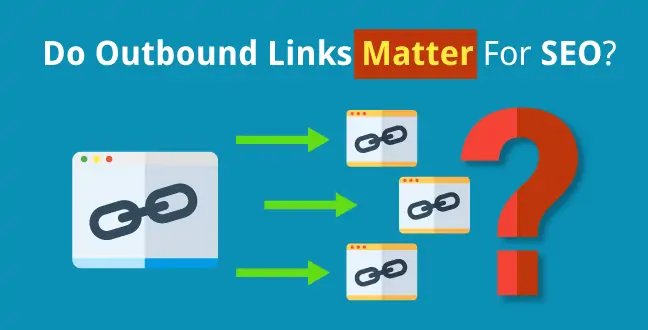
Outbound Links: Power of External Connections in SEO

In the ever-evolving landscape of search engine optimization (SEO), links play a significant role that is often underestimated. While much attention is given to inbound links, commonly known as backlinks, external links are equally crucial for a well-rounded SEO strategy. Explore the world of outbound links, their importance, best practices, and how to leverage them to enhance your website’s SEO and user experience.

1. What Are Outbound Links?

Outbound links, also known as external links or outgoing links, are hyperlinks on your website that direct users to external web pages on other domains. These links connect your content to external sources and are an integral part of the web’s interconnected nature.

2. The Significance of External Links in SEO

External links hold several key benefits for your website’s SEO strategy:

  • Credibility and Authority: By linking to authoritative sources, your website gains credibility and trust in the eyes of both users and search engines.
  • Relevance and Context: external links provide context and relevance to your content, making it more informative and valuable to users.
  • User Experience: Offering links to additional resources enhances the user experience by providing more in-depth information and diverse perspectives.
  • SEO Relationships: Building external links can establish relationships with other website owners and may lead to valuable inbound links in return.

3. Types of External Links

There are two primary types of external links:

  • Dofollow Links: These links pass SEO value to the linked page. They indicate to search engines that you trust and endorse the linked content.
  • Nofollow Links: Nofollow links do not pass SEO value. They are used to prevent search engines from following the link to the linked page. Nofollow links are often used for sponsored or user-generated content to comply with search engine guidelines.

4. Outbound Link Best Practices

To harness the power of external links effectively, consider the following best practices:

  • Relevance: Ensure that external links are relevant to your content and provide additional value to your audience.
  • Quality Sources: Link to authoritative, credible sources to enhance your content’s trustworthiness.
  • Anchor Text: Use descriptive and contextually relevant anchor text for your external links.
  • User Experience: Consider the user experience by opening external links in a new tab or window to keep users on your site.
  • Nofollow Tags: When linking to paid content or user-generated links, use nofollow tags to comply with search engine guidelines.
  • Avoid Overloading: Don’t overdo external links, as excessive links can distract users from your content.

5. The Impact of External Links on SEO

Links can influence your website’s SEO in various ways:

  • Credibility and Trust: Linking to authoritative sources boosts your website’s credibility and trustworthiness.
  • Relevance and Context:  links add relevance and context to your content, helping search engines understand your topic.
  • User Experience: Enhancing the user experience by providing valuable resources can reduce bounce rates and increase user engagement.
  • Inbound Link Opportunities: Building links can lead to reciprocal relationships, potentially resulting in inbound links from other websites.

6. Common Myths About External Links

There are a few myths and misconceptions about links that need to be debunked:

  • Links Harm SEO: This is false. High-quality, relevant links enhance SEO and user experience.
  • Links Leak SEO Juice: While links do pass a small amount of SEO value, the impact is minimal, and it’s often offset by the value they add to your content.
  • Nofollow Links Serve No Purpose: Nofollow links are valuable for linking to paid content or untrusted sources without affecting your website’s SEO negatively.

7. Balancing Outbound and Inbound Links

While links are essential, maintaining a balance with inbound links is key. Inbound links from authoritative sources also contribute to your website’s SEO success. Striking this balance ensures a well-rounded and credible online presence.

In conclusion, outbound links are a powerful and often underutilized tool in the world of SEO. By understanding their significance, adhering to best practices, and integrating them into your content strategy, you can enhance your website’s credibility, relevance, and overall SEO performance. Links contribute to a richer user experience and build valuable relationships within the digital community. Embrace the art of outbound linking to create content that not only informs and engages but also strengthens your website’s position in the competitive online landscape.

Read More

Guide to Enhancing Website Performance with SEO Audit Tools

In the ever-evolving world of digital marketing and search engine optimization (SEO), staying on top of your website’s performance is essential. An SEO audit is a comprehensive analysis of your site’s SEO health, and there’s an array of powerful tools designed to help you in this endeavor. Explore SEO audit tools, and their significance, and provide an in-depth guide on how to leverage them to enhance your website’s overall performance.

1. The Role of SEO Audits

SEO audits are the foundation of a successful SEO strategy. They help you identify areas where your website can improve in terms of search engine visibility, user experience, and overall performance. An effective SEO audit can uncover issues that may be hindering your website’s ranking and provide actionable insights to address them.

2. Why Use Search Engine Optimization Audit Tools?

Search engine optimization audit tools simplify the audit process by automating various tasks and providing data-driven insights. Here’s why they are indispensable:

  • Efficiency: Search engine optimization audit tools quickly analyze your website, saving you valuable time compared to manual audits.
  • Comprehensive Analysis: They offer a holistic view of your website’s performance, including technical, on-page, and off-page SEO aspects.
  • Data Accuracy: These tools provide accurate data, reducing the risk of human error in manual audits.
  • Actionable Recommendations: search engine optimization audit tools often come with actionable recommendations to address issues and improve your website’s SEO health.

3. Popular Search Engine Optimization Audit Tools

There is a multitude of search engine optimization audit tools available, each with its unique features and strengths. Here are some of the popular ones:

  • Ahrefs: Ahrefs is a comprehensive SEO tool that includes a site audit feature, offering insights into your website’s health, backlinks, and more.
  • SEMrush: SEMrush’s site audit tool provides a detailed analysis of your website’s SEO performance, including technical issues, on-page SEO, and backlinks.
  • Moz Pro: Moz Pro’s Site Crawl can identify and prioritize issues on your site, helping you improve your SEO.
  • Google Search Console: Google’s own tool provides insights into how Googlebot views your website and identifies technical issues that need attention.
  • Screaming Frog SEO Spider: This desktop-based tool offers a deep analysis of your website’s on-page SEO, including meta tags, headings, and broken links.
  • Siteimprove: Siteimprove offers a range of features, including SEO, accessibility, and analytics, to help improve your website’s overall performance.

4. How to Perform an SEO Audit

While different tools may have unique interfaces, the core components of an SEO audit remain consistent. Here’s a general outline of how to perform an SEO audit using SEO audit tools:

a. Technical SEO Audit:

  • Crawlability: Ensure search engines can crawl and index your website.
  • Site Speed: Assess and optimize page loading times.
  • Mobile Compatibility: Check mobile-friendliness and responsive design.
  • URL Structure: Evaluate URL structure for readability and relevance.
  • Redirects: Identify and resolve redirect chains or loops.
  • XML Sitemap and Robots.txt: Check for proper implementation and optimization.
  • HTTPS: Ensure secure, HTTPS connections are in place.
  • Canonicalization: Prevent duplicate content issues using canonical tags.
  • Structured Data: Implement structured data for rich snippets.
  • Site Architecture: Optimize site structure for user and search engine navigation.

b. On-Page SEO Audit:

  • Keyword Optimization: Assess the use of relevant keywords in content, titles, and meta descriptions.
  • Content Quality: Review the quality and uniqueness of your content.
  • Title Tags and Headings: Analyze title tags, H1 tags, and other headings for optimization.
  • Images: Check for proper use of alt text in images.
  • Internal and External Links: Evaluate the use of internal and external links in your content.

c. Off-Page SEO Audit:

  • Backlink Profile: Examine the quality and quantity of backlinks pointing to your site.
  • Brand Mentions: Identify unlinked brand mentions and opportunities for link-building.

5. Analyzing Audit Results

Once you’ve run the audit using your chosen tool, it’s essential to analyze the results. Most audit tools provide prioritized lists of issues and recommendations for improvement. Pay attention to critical issues that can have an immediate impact on your SEO and user experience.

6. Implementing Changes

After analyzing the results, it’s time to take action. This involves addressing the issues and making the recommended changes. Some common tasks include:

  • Fixing broken links and redirects.
  • Optimizing page titles, meta descriptions, and headers.
  • Improving website speed and mobile-friendliness.
  • Enhancing content quality and keyword optimization.
  • Addressing technical SEO issues like duplicate content and site architecture.

7. Regular Audits and Monitoring

SEO is an ongoing process, and regular audits are essential to maintain and improve your website’s performance. Conduct audits at regular intervals, such as monthly or quarterly, to stay on top of issues and opportunities for enhancement.

In conclusion, SEO audit tools are invaluable resources for website owners and marketers looking to enhance their online presence. By conducting regular audits using these tools, addressing issues, and staying informed about SEO best practices, you can empower your website to perform optimally in search engine results and provide a better user experience. The insights and recommendations provided by SEO audit tools offer a roadmap to a more successful and visible online presence, helping your website achieve its full potential in the competitive digital landscape.

Read More