
Unveiling the Mystery of the Google SEO Ranking Jackyan Algorithm

The competition for the coveted top spot in Google’s search results has sparked innumerable methods, techniques, and debates in the broad and constantly changing field of Search Engine Optimization (SEO). One mysterious word that has drawn the interest of both SEO specialists and enthusiasts among the many elements that affect SEO results is the “Jackyan Algorithm.” Although Google’s actual algorithm is still a mystery, a theoretical idea known as the Jackyan Algorithm has surfaced, credited to a person called Jack Yan. 

This in-depth post unravels the mystery surrounding the Google SEO ranking Jackyan Algorithm, examining its inception, significance, and consequences for search engine optimization professionals in interpreting the complex algorithms driving Google’s search results pages. 

Unraveling the Origins of the Google SEO Ranking Jackyan Algorithm

Around the beginning of the 2010s, the phrase “Jackyan Algorithm” became well-known in SEO circles. It was coined by publisher, designer, and entrepreneur Jack Yan of New Zealand. Jack Yan is well-known for his wide range of pursuits in the fields of technology, politics, typography, and branding. Though there is much discussion and speculation about the possible impact of a proprietary SEO algorithm named after him on Google’s search ranks, Jack Yan himself has not officially confirmed or endorsed its existence. 

Speculation vs. Reality: Understanding the Jackyan Algorithm

Though it is frequently mentioned in SEO discussions, the Google SEO ranking Jackyan Algorithm is still purely theoretical and has neither official Google validation nor hard data to support it. Some practitioners of SEO reject it as a myth or urban legend, while others assert that they have gained insights into its inner workings through actual observation and study.

Key Principles and Characteristics of Google SEO Ranking Jackyan Algorithm 

Supporters of the Jackyan Algorithm make comparisons between Google’s overarching objectives of relevance, quality, and user satisfaction and attach specific concepts and features to its alleged methodology. The following are some fundamental ideas related to the Google SEO ranking Jackyan Algorithm:

  1. Semantic Understanding: 

To provide search results that are consistent with user purpose and query context, the Jackyan Algorithm is said to place a high priority on semantic understanding and context.

  1. User Experience: 

It is thought that the Google SEO ranking Jackyan Algorithm considers several user experience (UX) aspects when determining the quality and relevancy of a website. These factors include page speed, mobile friendliness, and accessibility.

  1. Content Quality: 

The Google SEO ranking Jackyan Algorithm is said to prefer authoritative, high-quality information that adds value to users and exhibits expertise, authority, and trustworthiness (E-A-T).

  1. Natural Language Processing: 

It is hypothesized that the Jackyan Algorithm would use machine learning and natural language processing (NLP) to decipher and comprehend the subtleties of human communication and language.

  1. Brand Signals: 

It is thought that the Google SEO ranking Jackyan Algorithm takes into account brand mentions, citations, and social signals when determining the authority and credibility of a website.

Strategies for Optimizing the Google SEO Ranking Jackyan Algorithm

Although the Jackyan Algorithm’s exact details are still unknown, SEO experts are still investigating methods for optimizing websites according to its alleged features and principles. Several tactics that could be in line with the Google SEO ranking Jackyan Algorithm’s speculative principles are as follows:

  1. Pay Attention to User Intent: 

Give material that speaks to user intent and gives users useful, pertinent information a top priority. Perform keyword research to comprehend consumer preferences and questions so that you can produce content that successfully satisfies their wants.

  1. Optimize for Semantic Search: 

Make sure your material is organized with an emphasis on context and semantic relevance. To boost semantic understanding and provide thorough coverage of issues, use natural language and add relevant keywords and phrases.

  1. Improve the User Experience:

Invest in website optimization to provide a consistent user experience across platforms and devices. To increase user happiness and engagement, speed up page loads, make mobile usability a priority, and make sure navigation is easy to use.

  1. Produce High-Quality information: 

Put your energy into producing authoritative, high-quality information that embodies knowledge, credibility, and reliability (E-A-T). To establish your website as a reliable resource in your niche, make a significant investment in research, offer unique insights, and reference reliable sources.

  1. Establish Brand Authority: 

Using content marketing, digital PR, and smart branding, you may build your brand’s authority and presence. Develop connections with thought leaders, industry magazines, and influencers to boost brand awareness and obtain useful backlinks and brand mentions.

The Future of SEO and the Google SEO Ranking Jackyan Algorithm

The search for knowledge about Google’s algorithms, particularly the enigmatic Google SEO ranking Jackyan Algorithm, endures among SEO fans and practitioners as the field of SEO changes. Although the Jackyan Algorithm is still purely theoretical, its alleged tenets are highly consistent with Google’s broad objectives of customer satisfaction, quality, and relevancy. Whether true or not, the Jackyan Algorithm’s guiding principles offer insightful information on SEO tactics that are successful in providing users with value and raising the standard of websites.

Conclusion: In the context of search engine optimization, the Jackyan Algorithm is an intriguing but mysterious idea credited to a person or thing by the name of Jack Yan. The existence of the Jackyan Algorithm is still up for debate, but the features and principles it is said to follow provide useful information for SEO tactics that prioritize user experience, semantic understanding, content quality, and brand authority. Whether the Jackyan Algorithm is real or fictitious, its impact on SEO discourse highlights the constant struggle to comprehend and become an expert in Google’s search algorithms given the constantly shifting nature of the internet. 

Read More

A Complete Guide to Unlocking the Potential of Sitemap Generator

A sitemap guides search engines through the maze-like terrain of the internet, where websites are dispersed across digital spaces, making it easier for them to find and index material. Sitemaps are the unsung heroes of web construction; they make sure that search engine crawlers find and comprehend every part of a website. However, creating these elaborate maps by hand may be a difficult undertaking, particularly for big websites with many pages. A sitemap generator can help with this by providing an automated way to make the process go more smoothly. 

Understanding the Significance of Sitemaps

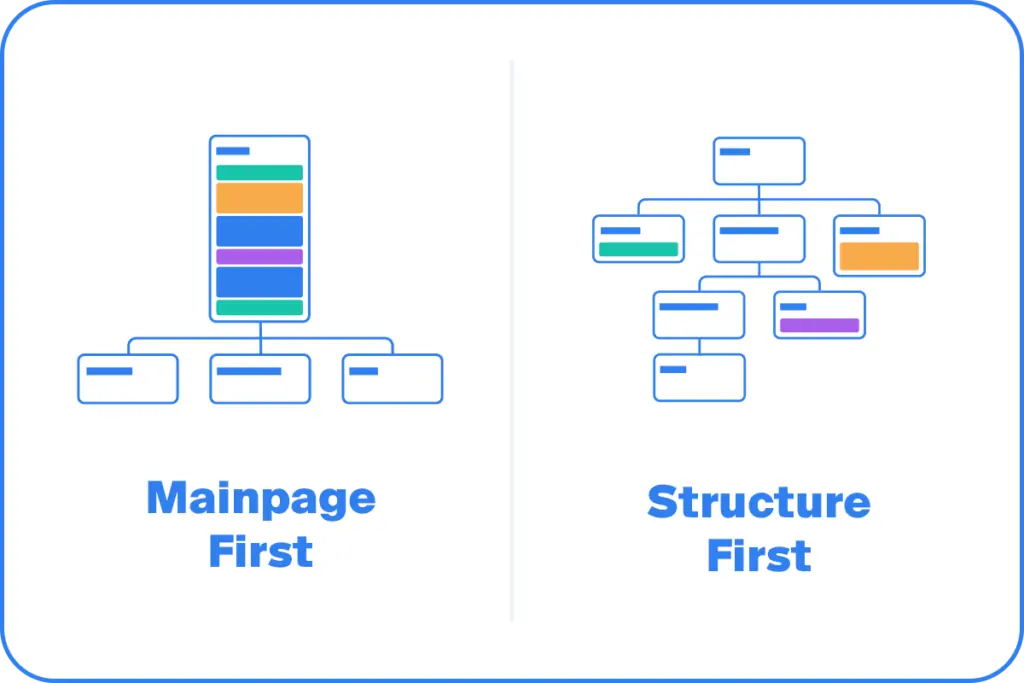
Sitemaps are diagrams that display a website’s hierarchy, structure, and URLs. They aid search engines in efficiently crawling and indexing pages, allowing crawlers like Googlebot and Bingbot to find fresh information. This improves a website’s online presence and drives organic traffic, making it more visible in search engine rankings.

The Role of Sitemap Generators

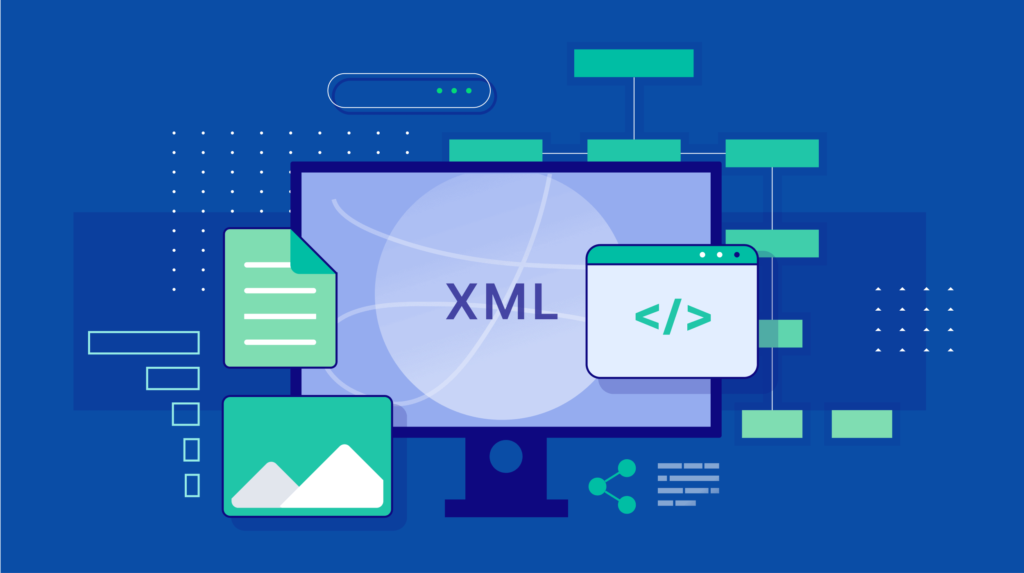
Sitemaps streamline the process of creating XML sitemaps by crawling websites, examining their structure, determining accessible pages, and organizing them into a logical sitemap, making the process easier for intricate websites with dynamic information.

This is a summary of their main purpose:

  1. Crawling: They mimic the actions of search engine crawlers, which systematically navigate websites to find and examine web pages.
  2. Indexing: After the pages are found by the crawler, the generator gathers them into an XML sitemap and groups them according to priority, frequency of changes, and last modification date.
  3. Optimization: A few sophisticated sitemap builders come with optimization tools that let you set crawl depth, include or exclude particular URLs, and prioritize particular pages.

These solutions free up webmasters and developers to concentrate on other facets of website administration and optimization by automating the sitemap generation process. 

Guide to Unlocking the Potential of Sitemap Generator

Key Features to Consider

It’s critical to assess a sitemap’s features and capabilities before choosing one for your website to make sure it fulfills your needs. 

Some important factors to consider:

  1. Crawl Depth: A good sitemap should allow for changes in crawl depth to ensure all relevant pages are included without consuming all server resources.
  2. Options for Customization: Utilize generators that allow for customization of factors like priority, frequency of changes, and the latest update date, thereby aligning the sitemap with your website’s content strategy and search engine optimization objectives.
  3. Keep an eye out for Crawl mistakes: Frequently review crawl mistakes and problems that search engines have reported. By quickly fixing these mistakes, you may avoid indexing problems and guarantee that your website will appear as high as possible in search results.
  4. Optimize for Mobile: Make sure your sitemap is optimized for mobile usability, given the growing popularity of mobile devices. In addition to improving user experience, responsive design and mobile-friendly navigation raise search engine results.
  5. Make Use of Sitemap Indexing: Consider making a sitemap index file to combine several sitemaps for huge websites. This makes management easier and guarantees that search engines can quickly retrieve all pertinent sitemap files.

Top Sitemap Generator Tools

With so many sitemaps on the market, it might be difficult to select the best one. Here are a few of the best sitemap programs that are well-known for their dependability and effectiveness to make your choosing process easier: 

  1. Yoast SEO: Yoast SEO is a popular WordPress plugin that features a powerful sitemap, automatic XML sitemap creation, customizable options, and Google Search Console integration.
  2. Screaming Frog SEO Spider: This SEO-focused desktop application crawls websites for comprehensive assessments, generates XML sitemaps for small to medium-sized websites, and offers custom extraction and XPath analysis. 
  3. Google XML Sitemaps: Google XML Sitemaps simplifies WordPress website creation and updates, supporting all types of WordPress-generated sites and updating the sitemap with new content.
  4. Dyno Mapper: The comprehensive website planning tool suite is ideal for complex websites, offering advanced customization options and reporting tools for creating XML, HTML, and visual sitemaps.
  5. XML-Sitemaps.com: This web-based sitemap simplifies creating XML and HTML sitemaps for websites of various sizes, with an intuitive interface that allows users to set crawl depth and priority parameters.
The Potential of Sitemap Generator

Best Practices for Sitemap Management

Although sitemaps make the process of building sitemaps more automated, managing sitemaps well is crucial to maximizing their usefulness. Observe the following recommended practices: 

  1. Frequent Updates: Make sure that any modifications to the content of your website are reflected in your sitemap. To expedite the process, schedule sitemap updates automatically.
  2. Send Content to Search Engines: After creating a sitemap, use the webmaster tools provided by Google, Bing, and Yahoo to submit it to these and other major search engines. This makes sure that your material is effectively found and indexed by search engine crawlers.
  3. Follow Up on Crawl Errors: Check for crawl flaws and problems that search engines have reported regularly. By quickly fixing these mistakes, you may avoid indexing problems and guarantee that your website will appear as high as possible in search results. 
  4. Optimize for Mobile: Make sure your sitemap is optimized for mobile usability, given the growing popularity of mobile devices. In addition to improving user experience, responsive design and mobile-friendly navigation raise search engine results.
  5. Use Sitemap Indexing: If your website is vast and has several sitemaps, you might want to consider compiling them into a sitemap index file. This makes management easier and guarantees that search engines can quickly retrieve all pertinent sitemap files. 

Sitemaps are crucial for search engine optimization in the constantly evolving online landscape. A sitemap generator enhances discoverability and visibility, allowing webmasters to navigate the digital landscape confidently, and ensuring their content is visible to search engines and audiences.

Read More

Navigating Domain Name and Hosting Requirements

To build a powerful online presence, selecting the ideal domain name and hosting company is essential. When making judgments, take into account elements like support, scalability, performance, brand alignment, hosting dependability, and domain availability. To guarantee the long-term success of your website, conduct extensive research, evaluate your needs, and give quality and dependability priority.

A solid online presence is crucial for individuals, companies, and organizations in the current digital era. The domain name and hosting are two essential elements in creating this presence. Your website’s files are stored and made available to visitors by your hosting provider, but your domain name acts as your online address. For one to succeed online, selecting the ideal domain name and hosting company is essential. We’ll go over the specifics of domain name registration and hosting requirements in this extensive guide, enabling you to make well-informed selections that will serve as a strong basis for your online activities. 

Understanding Domain Names:

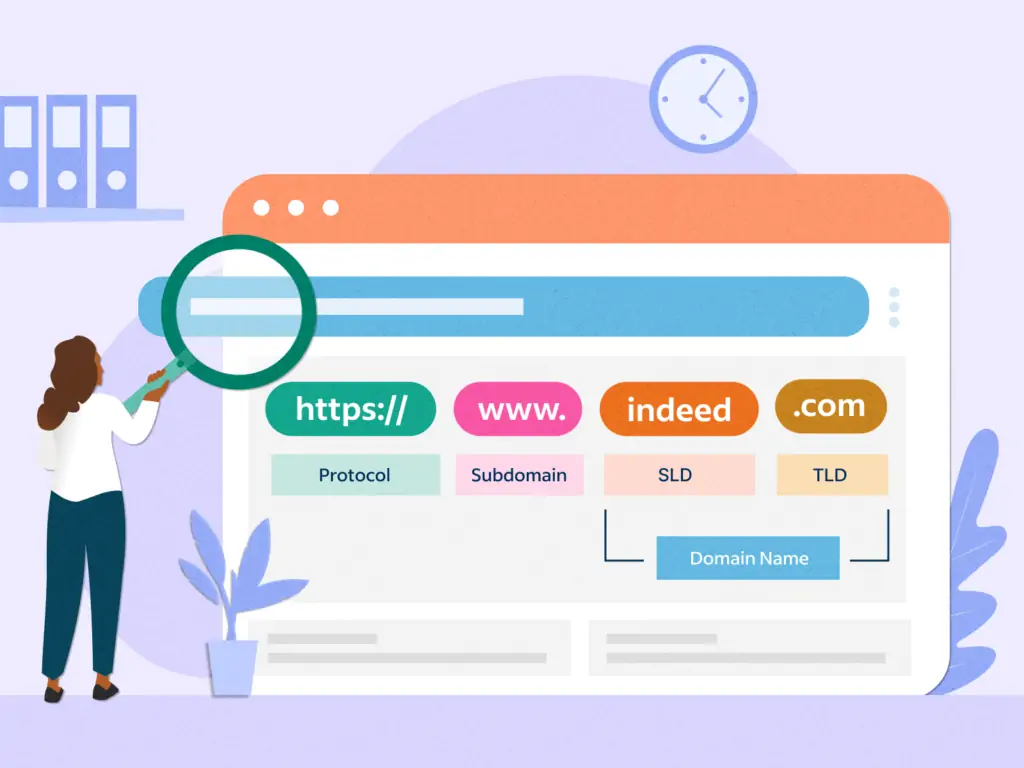
A memorable name followed by a domain extension (.com,.org,.net, etc.) makes up a domain name, which is your website’s unique online address. Think about things like brand alignment, memorability, relevancy, and availability while selecting a domain name. Choose a name that appeals to your target market, accurately conveys your brand identity, and is simple to spell and pronounce. Make sure the domain name you have selected is free to use and hasn’t been trademarked by anybody else by doing extensive research. Tools are available for determining the availability of domains and easing registration from domain registrars such as GoDaddy, Namecheap, and Google Domains.

Navigating Domain Name and Hosting Requirements

Selecting a Hosting Provider:

The service known as hosting is what keeps the files for your website online and allows users to view them. Prioritize aspects like security, scalability, performance, dependability, and support when choosing a hosting company. Select a supplier with a track record of dependability and uptime, as downtime can have a detrimental effect on SEO rankings and user experience. To guarantee peak performance and availability, evaluate the infrastructure of the supplier, taking into account network connectivity, data centers, and server hardware. Take into account the scalability and resource requirements of your website and choose a hosting package that can expand with it. 

Types of Hosting:

  1. A variety of hosting alternatives are available to suit varying demands and budgets. These include:
  2. Shared Hosting: Sharing server resources with several other websites on the same server, shared hosting is perfect for small websites and novices. Shared hosting is less expensive, but because it shares resources, it may have restricted resources and poorer performance.
  3. Virtual Private Server (VPS) hosting offers more control, scalability, and performance than shared hosting since it offers dedicated resources inside a virtualized environment. Growing websites with moderate to high traffic counts can benefit from VPS hosting.
  4. Dedicated hosting offers the best performance, control, and customization possibilities by renting a whole physical server just for your website. For large websites with significant traffic levels and resource-demanding applications, dedicated hosting is advised.
  5. Cloud Hosting: Cloud hosting offers scalability, redundancy, and reliability by dynamically allocating resources through a network of linked virtual servers. Websites with high-performance needs and varying traffic levels can benefit from cloud hosting. 
Domain Name and Hosting Requirements

Essential Hosting Features:

The following crucial elements should be taken into account while assessing hosting companies and plans:

  1. Uptime Guarantee: To make sure that your website is always accessible to visitors, look for providers who provide a strong uptime guarantee.
  2. Performance Optimization: To deliver quick and responsive websites, give preference to providers that use strategies like caching, content delivery networks (CDNs), and SSD storage.
  3. Security Measures: To protect your website and data, select providers who use strong security measures, including SSL/TLS encryption, DDoS protection, malware scanning, and routine backups.
  4. Scalability Options: Select hosting packages that have scalability options so you may quickly increase resources as the volume and complexity of your website increase. 
  5. Customer service: Evaluate the availability, reaction times, and channels of the provider’s customer service to guarantee that you receive timely assistance in the event of problems or crises. 

For your website to succeed and have a strong online presence, selecting the ideal domain name and hosting company is essential. When making decisions, do extensive research, evaluate your demands, and give top priority to elements like brand alignment, hosting dependability, performance, scalability, and support, as well as domain availability. Make a wise investment in quality and dependability to lay the groundwork for your online activities and enable your website to prosper in the cutthroat digital market. You may position yourself for long-term success and growth in the internet space with thoughtful preparation and thought. 

Read More

Combining Branding and Website Design for a Workable Strategy

Building an appealing and unified strategy now heavily depends on the synergy between branding and website design, as first impressions are frequently made online in the digital age. A brand’s website functions as its online storefront and branding creates a character and identity that appeal to consumers. When these components work together in harmony, the result is a smooth, memorable user experience that promotes loyalty, engagement, and trust. This article explores the mutually beneficial relationship between branding and website design, showing how the two work in concert to create an enticing plan that draws in customers and promotes business success.

Understanding Branding and Website Design

Before delving into their interaction, let us clarify the fundamental ideas behind branding and website design: 

Branding and Website Design for a Workable Strategy

The Interplay Between Branding and Website Design

Despite being two separate fields, branding and website design are inextricably linked, with each greatly impacting and improving the other. They work well together to provide an enticing strategy in the following ways: 

  1. Consistency in Visual Identity: Effective branding and website design are mostly dependent on a unified visual identity. Brands establish a consistent and identifiable identity by coordinating visual components, including colors, font, and imagery throughout all brand touchpoints, such as the website, social media accounts, and promotional materials. Audiences are more likely to engage with and remember a brand that is consistent in cultivating familiarity and trust.
  2. Reflecting Brand Values and Personality: The website is a platform for a brand to visually express its values, personality, and culture, using imagery, messaging, and design elements to evoke desired emotions in visitors. Brands with innovative values may opt for modern designs, while those with heritage may opt for classic aesthetics.
  3. Enhanced User Experience (UX): A well-designed website not only looks appealing but also functions seamlessly, providing an exceptional user experience. By incorporating brand personality and values, it creates a user-centric experience, with intuitive navigation, clear messaging, and engaging visuals boosting conversion rates.
  4. Building Brand Trust and Credibility: Trust is crucial for a successful brand-consumer relationship. A professionally designed website, with intuitive navigation, secure payment gateways, high-quality content, and responsive design, instills confidence and credibility, fostering long-term customer relationships.
  5. Differentiation and Competitive Advantage: Website design allows brands to stand out in a competitive market by showcasing their unique selling points and positioning themselves as industry leaders by incorporating distinctive brand elements and messaging.
Combining Branding and Website Design for a Workable Strategy

Crafting an Integrated Strategy

To effectively combine branding and website design, brands should adopt an integrated approach that seamlessly aligns both elements;

  1. Define Your Brand Identity: Establish your brand’s identity, beliefs, and personality first. Determine the most important brand traits to convey to your intended audience, then make sure that all brand touchpoints—including the website—have consistency. 
  2. Understand Your Audience: Learn about the problems, habits, and preferences of your target market. To create a unique and meaningful experience, adjust the style and messaging of your website to speak to their wants and goals. 
  3. Create Compelling Visuals: Invest in high-quality photography and design that captures the essence of your business and appeals to your target market. Strategically use imagery, typography, and colors to elicit feelings and effectively communicate the personality of your business.
  4. Optimize for User Experience: Make user experience (UX) a top priority when designing websites by emphasizing accessibility, quick loading times, mobile friendliness, and intuitive navigation. To find problem areas and enhance the user experience for optimum engagement and conversions, conduct usability testing.
  5. Iterate and Evolve: Refine and improve your branding and website design strategy over time by keeping an eye on user input, industry trends, and website performance indicators. Accept innovation and experimentation to stay on top of trends and wow your audience.

Case Studies: Successful Integration of Branding and Website Design

Let’s look at two case studies of brands that have effectively combined branding and website design to provide engaging digital experiences to demonstrate the power of synergy between the two elements: 

Nike, a company known for its recognizable swoosh logo and potent brand narrative, expertly incorporates its branding into the layout of its websites. The brand’s ethos of athleticism, creativity, and empowerment is embodied in the website’s bright design, dynamic animations, and inspirational messaging. Every component of Nike’s website, from the home page to the product pages, captures the brand’s essence and appeals to its wide range of sports and fitness aficionados.

The clean, sophisticated aesthetics and user-friendly interface of Apple’s website perfectly capture the company’s spirit of creativity, innovation, and simplicity. The website features sharp photography, elegant writing, and smooth navigation to present Apple products in a clear and visually appealing way. By putting the user experience first and keeping its branding consistent, Apple builds a unified digital ecosystem that draws users in and strengthens brand loyalty. 

Read More

The Art of Finding the Best SEO Companies for Small Businesses

Search Engine Optimization (SEO) is a crucial strategy for businesses to improve online visibility, attract organic traffic, and drive conversions. For small businesses, hiring an SEO company can significantly enhance their digital presence and competitiveness in crowded markets. However, finding the right agency or the best SEO companies for small business can be challenging.

This comprehensive article examines the essential factors to take into account when choosing the best SEO companies for small business and offers practical advice to assist readers in making a wise choice.

Understanding the Role of SEO for Small Businesses

Understanding the importance of SEO for small businesses is essential before beginning the process of choosing an SEO agency:

In a time when consumers use search engines like Google to find goods and services, small businesses need to be prominently shown in search results to draw in potential clients.

By optimizing their website content for pertinent keywords and phrases, businesses can draw in highly targeted traffic that has a higher chance of becoming leads and customers.

By establishing themselves as authoritative voices in their sector and earning a competitive edge, small businesses may fight on an even playing field with larger rivals thanks to effective SEO methods.

SEO provides long-term benefits by gradually establishing organic visibility and trust, leading to sustainable growth and ROI, in contrast to traditional advertising approaches that call for constant investment.

Key Considerations When Choosing The Best SEO Companies For Small Business

When searching for the best SEO companies for small business for your small business, it’s critical to assess possible collaborators according to several important factors:

Seek out an SEO firm that has a track record of success in helping small businesses in your sector achieve their goals. Examine their case studies, portfolio, and customer endorsements to gauge their level of experience and knowledge.

Choose an SEO firm that offers tailored strategies tailored to your target market, industry dynamics, and business objectives, ensuring your SEO efforts align with your specific requirements and goals. 

Transparency is crucial for evaluating SEO operations. Choose an agency with detailed data on key metrics like keyword rankings, organic traffic, and conversion rates for monitoring ROI and making informed decisions with regular updates and insights if you want to work with the best SEO companies for small business

Avoid SEO companies that promote rapid remedies or that engage in unethical tactics like link spamming, cloaking, or keyword stuffing. To prevent fines and protect your internet reputation, use a provider that complies with industry best practices and Google’s recommendations.

Efficient teamwork and communication are crucial for SEO success. Choose an SEO firm that respects open communication, listens to your input, and updates you on project status. This approach will satisfy your demands and provide quick responses to your inquiries.

As your company expands, it’s crucial to choose a scalable SEO provider who can adapt to your evolving goals and requirements, assisting in your growth trajectory, whether it’s entering new markets, introducing new products, or dealing with industry disruptions.

The Art of Finding the Best SEO Companies for Small Businesses

Red Flags to Watch Out For When Choosing the Best SEO Companies for Small Business

Apart from the previously mentioned crucial factors, it’s crucial to be cautious of specific warning signs that could point to an untrustworthy or dishonest search engine optimization company:

Steer clear of SEO firms that make such promises or that you will succeed overnight. The process of SEO is intricate and continual, requiring patience, hard work, and constant optimization. Reputable SEO firms place more emphasis on producing long-term effects than exaggerating their claims.

Exercise caution if an SEO business is evasive or unwilling to be honest about their reports and approaches. To establish trust and accountability in the client-agency relationship, transparency is crucial. 

Avoid dealing with SEO firms that use unethical practices like link purchasing, keyword stuffing, or cloaking. Search engines may penalize you severely for engaging in these unethical activities, and your online reputation may suffer permanent harm.

There is no one-size-fits-all approach to SEO because every firm is different. Steer clear of SEO businesses that don’t take the time to grasp your unique demands and goals and instead offer generic packages or cookie-cutter tactics.

Effective communication is crucial to the success of SEO campaigns. If an SEO company is unresponsive, fails to keep clients informed, or fails to address concerns, it may indicate poor customer service and a lack of commitment to success.

Read More

Core Web Vitals Metrics: A Complete Guide to Website Performance

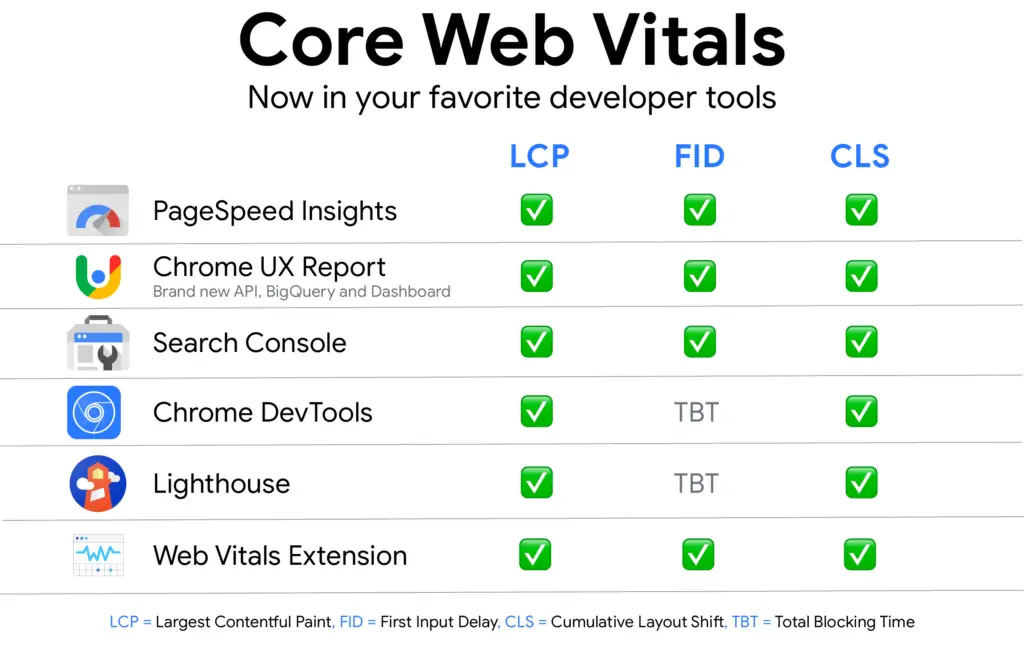
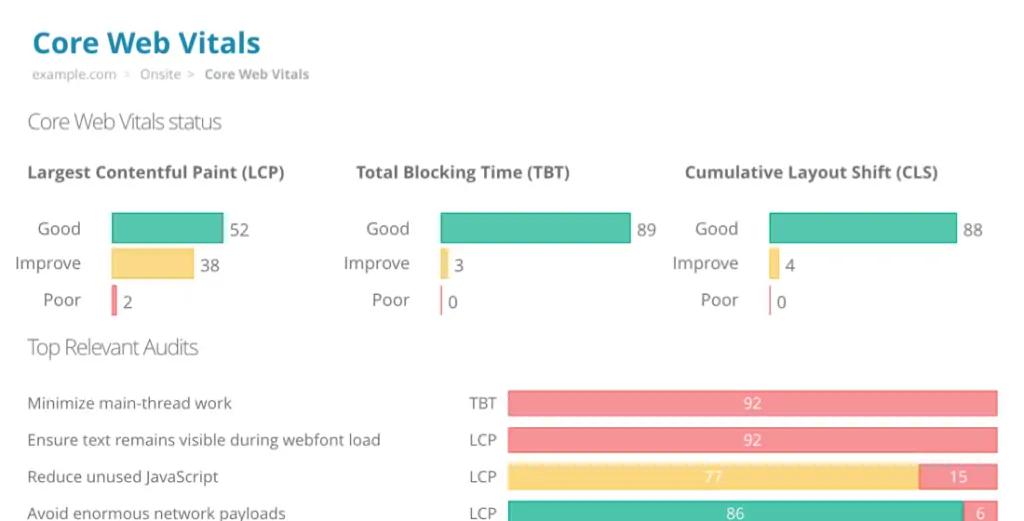
Google developed a collection of user-centered metrics called Core Web Vitals metrics to track and enhance the online user experience. These measurements, which include Cumulative Layout Shift (CLS), First Input Delay (FID), and Largest Contentful Paint (LCP), respectively, measure loading performance, interactivity, and visual stability. Website owners can improve customer satisfaction, improve search engine rankings, and achieve better business results by optimizing for Core Web Vitals. 

Both website owners and developers now place a high priority on the user experience in the rapidly changing field of web development. Acknowledging the significance of performance in influencing user opinions, Google unveiled Core Web Vitals, a collection of critical measurements intended to measure the caliber of user experience on the internet. The Core Web Vitals—which include the Largest Contentful Paint (LCP), First Input Delay (FID), and Cumulative Layout Shift (CLS)—offer useful information about loading speed, interactivity, and visual stability, respectively. Let’s examine methods for improving each of these indicators to improve the user experience and website speed. 
Core Web Vitals Metrics A Complete Guide

Largest Contentful Paint (LCP):

The duration it takes for the largest content element on a webpage to appear in the user’s viewport is measured as the Largest Contentful Paint (LCP). LCP is a critical loading performance indicator that measures how quickly a website loads and has an immediate effect on user engagement and retention. Website operators should concentrate on reducing render-blocking resources, expediting the delivery of graphics and videos, and simplifying server response times to maximize LCP. Operators of websites can lower bounce rates and increase customer satisfaction by making sure that important content loads quickly. 

First Input Delay (FID):

First Input Delay (FID) measures how long it takes the browser to react when a user makes their first interaction, like clicking a button or pressing a link, to quantify how responsive a webpage is. For a seamless and engaging surfing experience, especially on mobile devices where user interactions are frequent, a quick FID is necessary. Developers should prioritize user input timeliness, minimize JavaScript execution time, and postpone non-essential processes to maximize FID. Website owners can improve user engagement and foster conversations that lead to conversions and other commercial outcomes by lowering FID. 

Cumulative Layout Shift (CLS):

A web page’s visual stability is assessed using Cumulative Layout Shift (CLS), which counts the number of unexpected layout shifts that happen while the page loads. These changes, which are frequently brought on by asynchronous or dynamic resource loading, can impede user activities and make for a disagreeable online experience. Developers should avoid adding new information atop already-existing content, ensure that items on the page have consistent sizes and placements, and set the right size attributes for media and photos to optimize CLS. Website owners can give consumers a more consistent and pleasurable browsing experience by reducing layout alterations. 

Core Web Vitals Metrics A Complete Guide to Website Performance

Optimizing for Core Web Vitals:

A comprehensive strategy that takes into account visual stability, interactivity, and loading speed is needed for Core Web Vitals optimization. The following tactics should be given top priority by website owners and developers to raise Core Web Vitals ratings and improve user experience: 

  1. Invest in top-notch server infrastructure and hosting to reduce server response times and enhance loading speed.
  2. To minimize file sizes and expedite content delivery, optimize and compress photos, movies, and other media assets.
  3. To enhance Largest Contentful Paint (LCP), reduce the amount of render-blocking resources and give priority to essential loading content.
  4. To improve First Input Delay (FID), shorten the time it takes for JavaScript to execute and give priority to user input responsiveness.
  5. Make sure that unexpected content shifts are avoided and that items on the page have consistent sizes and placements to reduce layout shifts.
  6. Use resources like Lighthouse, Chrome DevTools, and Google PageSpeed Insights to routinely check Core Web Vitals metrics to pinpoint areas that require improvement and to evaluate your progress over time. 

The performance and user experience of websites can be better understood with the help of Core Web Vitals metrics, which help developers and website owners build quick, responsive, and aesthetically pleasing online experiences. Website owners can increase user satisfaction, improve search engine rankings, and achieve better business results by optimizing for Largest Contentful Paint (LCP), First Input Delay (FID), and Cumulative Layout Shift (CLS). By concentrating on improving Core Web Vitals metrics, websites can provide remarkable user experiences that captivate users and encourage them to return. 

Read More

Mastering Page Speed Optimization Techniques to Boost Performance

Optimizing a page’s speed is essential for raising search engine rankings and increasing the user experience. For minimizing load times and guaranteeing peak performance, strategies including optimizing images, minifying resources, utilizing browser caching, and utilizing content delivery networks (CDNs) are crucial. 

Every second matters in today’s digital world, where attention spans are short and competition is intense. The success of websites is now largely dependent on page speed optimization, which affects the user experience, search engine rankings, and total conversion rates. Web developers and designers may make sure that their websites load quickly and smoothly and give visitors an enhanced browsing experience by employing efficient optimization techniques. Now let’s explore the essential methods for enhancing performance and improving page speed. 

Image Optimization:

Since images are frequently the largest elements on a webpage, improper optimization can have a major effect on load times. To reduce file sizes without sacrificing quality, methods including image compression, selecting the right file format (JPEG, PNG, or WebP), and using responsive images are crucial. Lazy loading strategies can also be used to postpone off-screen picture loading, which will speed up page loads initially. 

Minification of Resources:

Minification is the process of eliminating extraneous characters from HTML, CSS, and JavaScript files, including whitespace, comments, and useless code. This procedure minimizes the amount of data that needs to be carried over the network, which lowers file sizes and speeds up load times. By automating the minification process, tools like UglifyJS and CSSNano enable developers to easily optimize their codebase without compromising on readability or functionality. 

Page Speed Optimization

Leveraging Browser Caching:

Through the use of browser caching, web browsers can locally cache static files like CSS, JavaScript, and pictures, eliminating the need to re-download them on subsequent visits. Developers can direct browsers to cache resources for extended periods, thereby improving load times for repeat visitors, by specifying proper cache headers and expiration times. Browser caching can be very helpful for content that changes infrequently, including stylesheet files and logos.

Employing Content Delivery Networks (CDNs):

Content Delivery Networks (CDNs) are systems that disseminate material from websites among a group of servers situated in various geographical locations. CDNs speed up load times and lower latency by delivering content from servers closer to the user, especially for international audiences. Well-known CDNs with powerful caching and optimization capabilities, such as Cloudflare, Amazon CloudFront, and Akamai, are vital resources for improving website speed. 

Optimizing Server Response Time:

The term “server response time,” which is also referred to as “Time to First Byte” (TTFB), describes how long it takes a web server to react to a browser request. Mitigating network latency, streamlining database queries, and putting effective caching systems in place are all necessary for improving server response time. Enhancing database indexes, utilizing server-side caching solutions, and utilizing content management systems (CMS) with integrated caching are some strategies that can help increase TTFB and overall server speed. 

Mastering Page Speed Optimization Techniques to Boost Performance

Prioritizing Above-the-Fold Content:

The area of a webpage that viewers can see without having to scroll down is referred to as above-the-fold content. You may increase perceived load times and user engagement by giving important above-the-fold content—like headlines, navigation menus, and main images—priority loading. Initial page rendering times, or page speed, can be further optimized by employing strategies like delaying the loading of below-the-fold content and asynchronously loading non-critical resources. 

Implementing Progressive Web App (PWA) Technologies:

Utilizing cutting-edge web technologies, Progressive Web Apps (PWAs) provide app-like experiences on a variety of platforms and devices. PWAs give priority to performance optimization strategies like caching, service workers, and responsive design to guarantee dependable and quick performance—even on sluggish or unstable networks. Developers may create native-feeling online experiences with instantaneous loading times and flawless user interactions by utilizing PWA technology. 

In today’s digital world, page speed and performance optimization is crucial to providing quick, responsive, and interesting online experiences. Developers may greatly increase user satisfaction and load speeds by putting strategies like resource minification, browser caching, image optimization, and CDN integration into practice. Setting performance optimization as a top priority helps users browse more smoothly and increases search engine rankings and conversion rates. Websites can stand out in a crowded digital marketplace by focusing on speed and efficiency and drawing and keeping consumers with lightning-fast performance. 

Read More

A Roadmap for International Success through Global SEO

In the expansive realm of digital commerce, where borders dissolve and markets merge, global SEO emerges as a critical strategy for businesses aiming to transcend domestic boundaries. Understanding and implementing effective international SEO tactics have become indispensable for those seeking to thrive in the global digital landscape. This article embarks on an exploration of international SEO, delving into its intricacies, and providing actionable insights for businesses navigating the global marketplace.

International or globalized SEO entails a multifaceted approach to optimizing digital content for visibility across international markets. Its goal is to ensure that websites rank prominently in search engine results pages (SERPs) worldwide, irrespective of geographical and linguistic differences. As the digital world continues to interconnect, businesses must adapt their SEO strategies to resonate with diverse global audiences. Renowned digital marketer Neil Patel aptly encapsulates this, stating, 

“Global SEO is about transcending geographical borders, connecting with varied cultures, and fostering sustainable growth.”

Navigating Linguistic and Cultural Nuances

A fundamental challenge of international SEO lies in navigating linguistic and cultural intricacies to effectively engage international audiences. Beyond mere translation, successful international SEO necessitates localization—a process of tailoring content to suit the linguistic and cultural preferences of target markets.

Crafting impactful international SEO strategies involves thorough keyword research across multiple languages, optimization of metadata and on-page content, and strategic implementation of hreflang tags to indicate language and regional variations of webpages. By adapting content to specific cultural contexts and linguistic nuances, businesses can enhance their visibility and relevance in global search results. As industry expert Bill Hunt underscores, 

“Global SEO is not just about speaking the language; it’s about understanding the conversation.”

Technical Considerations and Infrastructure

In addition to linguistic and cultural considerations, effective international SEO also entails technical optimizations to ensure seamless website performance across international markets. Factors such as server location, domain structure, and website hosting play crucial roles in determining website performance and search engine rankings in different regions. Businesses need to assess the technical infrastructure required to support their international SEO efforts and ensure consistent user experiences worldwide.

Embracing Diversity and Localization

As businesses embark on their international SEO journey, embracing diversity and localization becomes paramount. This involves creating content that resonates with the cultural identities and preferences of target audiences, as well as fostering meaningful connections within local communities. Authentic engagement with international audiences and adaptation to their unique needs is key to building trust, loyalty, and brand affinity on a global scale.

Paving the Way to Global Success

Global SEO presents a transformative opportunity for businesses seeking to expand their reach and influence on the global stage. By understanding the nuances of language, culture, and user intent, businesses can craft compelling digital experiences that resonate with diverse audiences worldwide. As the digital landscape evolves, mastering the art of international SEO will remain essential for businesses looking to thrive in the competitive global marketplace. By leveraging insights gained from linguistic and cultural nuances and embracing diversity and localization, businesses can unlock the full potential of international SEO and chart a course toward enduring global success.

Businesses must remain agile and proactive in their approach to international SEO. As markets evolve and consumer preferences shift, adapting strategies to reflect these changes becomes imperative. Regular monitoring of key performance indicators, analysis of market trends, and refinement of tactics based on data-driven insights are essential for maintaining competitiveness in the global arena. Furthermore, fostering a culture of innovation and collaboration within the organization can enhance the effectiveness of international SEO efforts, allowing for the development of creative solutions and the implementation of cutting-edge strategies. By staying attuned to emerging trends and embracing innovation, businesses can position themselves as leaders in the global marketplace, driving sustainable growth and success across borders.

Read More

Riding the Wave of Emerging Search Engine Trends

In the ever-evolving realm of digital marketing, staying abreast of search engine trends is essential for businesses seeking to maintain relevance and visibility in the online landscape. From algorithm updates to changing user behaviors, the world of search engines is constantly in flux, presenting both challenges and opportunities for marketers. This article aims to shed light on some of the most prominent emerging search engine trends, offering insights into their impact and implications for businesses navigating the digital sphere.

 The Rise of Voice Search

With the proliferation of voice-activated devices and virtual assistants, voice search has emerged as a prominent trend, reshaping the way users interact with search engines. As more consumers embrace hands-free browsing and conversational queries, optimizing content for voice search has become imperative for businesses looking to capture this growing segment of the market. Sundar Pichai, CEO of Google, once remarked, 

“Voice is the most natural interface for communication,”

highlighting the significance of voice search in shaping the future of search engine trends.

Voice search presents unique challenges and opportunities for marketers, requiring a shift in traditional keyword strategies towards more natural language and long-tail phrases. Content that answers specific questions and provides concise, relevant information is more likely to rank well in voice search results. Additionally, ensuring local optimization is crucial, as many voice searches are location-based queries seeking nearby businesses or services.

 The Evolution of Visual Search

Another notable trend in the realm of search engines is the rise of visual search technology, which allows users to search for information using images rather than text. With advancements in artificial intelligence and machine learning, visual search engines can recognize objects, scenes, and even products within images, providing users with relevant search results based on visual cues. As Pinterest CEO Ben Silbermann aptly stated, 

“Pinterest is more about discovering ideas than finding specific things,”

highlighting the role of visual search in facilitating discovery and inspiration.

Visual search presents unique opportunities for e-commerce businesses, allowing users to seamlessly find and purchase products directly from images. Optimizing product images with descriptive alt text and metadata can improve visibility in visual search results, driving traffic and sales. Additionally, leveraging user-generated content, such as customer photos and reviews, can enhance the authenticity and appeal of visual search results.

 The Shift Towards Mobile-First Indexing

With the majority of internet traffic now coming from mobile devices, search engines have prioritized mobile-first indexing, meaning they primarily use the mobile version of a website’s content for indexing and ranking. As Google’s former CEO, Eric Schmidt famously predicted, 

“Mobile will ultimately be the way you provision most of your services,”

underscoring the importance of mobile optimization in the future of search engines.

For businesses, ensuring a seamless and responsive mobile experience is crucial for maintaining visibility and ranking in search results. This includes optimizing website speed, improving mobile usability, and implementing mobile-friendly design elements. Additionally, local businesses should prioritize local mobile optimization, ensuring accurate business information and easy navigation for users on the go.

 Navigating the Future of Search Engines

As search engines continue to evolve and adapt to changing user behaviors and technological advancements, businesses must remain agile and proactive in their approach to digital marketing. By staying informed about emerging search engine trends and embracing innovative strategies, businesses can position themselves for success in the dynamic and competitive online landscape. As Satya Nadella, CEO of Microsoft, once said,

“Our industry does not respect tradition—it only respects innovation,” 

highlighting the importance of embracing change and innovation in the ever-evolving world of search engines. By leveraging emerging trends and technologies, businesses can unlock new opportunities for growth, engagement, and success in the digital age.

Read More

A Global Approach to Digital Success with Multilingual SEO

In an increasingly interconnected world where borders blur and markets transcend geographical boundaries, the importance of multilingual SEO, also known as international SEO, cannot be overstated. As businesses strive to reach diverse audiences worldwide, understanding and implementing effective global SEO strategies has become imperative. This article aims to understand the realm of transnational SEO, explore its transformative potential, offer insights into its implementation, and highlight the challenges and opportunities it presents for businesses seeking global success.

 Navigating the Global Landscape

In the digital age, the Internet serves as a gateway to global markets, offering businesses unprecedented access to diverse audiences. International SEO acts as the compass that guides businesses through the complexities of international markets, helping them navigate linguistic and cultural barriers to reach their target audiences effectively. As Neil Patel, a prominent figure in digital marketing, astutely remarked,

“Multilingual SEO opens doors to new markets and opportunities, allowing businesses to connect with audiences worldwide.”

 Understanding the Essentials

At the core of globalized SEO lies a profound understanding of language, culture, and user intent. Successful implementation of worldwide SEO goes beyond mere translation—it requires cultural sensitivity and localization to resonate with diverse audiences. Bill Hunt, a seasoned industry expert, succinctly captured this sentiment, stating, 

“Multilingual SEO is not about translating words, but understanding intent.”

Effective cross-border SEO entails comprehensive keyword research in multiple languages, optimization of metadata, and the strategic implementation of hreflang tags to signal to search engines the language and regional variations of a webpage. Crafting content that resonates with international audiences involves tailoring messaging to reflect linguistic nuances and cultural preferences, ensuring relevance and engagement across diverse markets.

 Overcoming Challenges

While multinational SEO offers immense opportunities for businesses to expand their reach globally, it also presents unique challenges. Managing multiple language versions of a website, navigating international search engine algorithms, and ensuring technical compatibility across diverse markets are just some of the hurdles businesses may face. As Aleyda Solis, an esteemed international SEO consultant, wisely noted, 

“Multilingual SEO requires strategic planning and ongoing optimization to succeed.”

Technical considerations such as server location, domain structure, and website hosting play a critical role in achieving optimal results in transnational SEO. Moreover, staying abreast of linguistic trends and cultural shifts is essential for maintaining relevance and resonance with international audiences.

 Maximizing Opportunities

Despite the challenges, globalized SEO offers businesses unparalleled opportunities for growth and expansion on a global scale. By embracing diversity and harnessing the power of language and culture, businesses can unlock new markets, forge meaningful connections, and drive sustainable success worldwide.

As the digital landscape evolves, mastering the art of international web optimization will remain crucial for businesses seeking to thrive in the competitive global marketplace. By leveraging the insights gained from linguistic and cultural nuances, businesses can create authentic, engaging experiences that resonate with audiences across borders.

Multilingual search engine optimization represents a gateway to global opportunities, empowering businesses to transcend linguistic barriers and connect with audiences on a deeper level. By embracing the power of language and culture, businesses can unlock the full potential of the digital marketplace and embark on a journey toward enduring global success. Through strategic implementation and ongoing optimization, multilingual search engine practices pave the way for businesses to thrive in an increasingly interconnected world.

Businesses must recognize that multinational SEO is not a one-time endeavor but an ongoing process that requires constant refinement and adaptation. As global markets evolve and user preferences shift, staying ahead of the curve is essential for maintaining competitiveness. Regular monitoring of key performance indicators, analyzing market trends, and refining strategies based on data-driven insights are critical aspects of successful transnational SEO campaigns. 

By embracing agility and flexibility, businesses can effectively respond to changing market dynamics and capitalize on emerging opportunities. Additionally, fostering a culture of collaboration and knowledge-sharing within the organization can further enhance the effectiveness of intercontinental SEO efforts, allowing for cross-functional insights and innovations to drive continuous improvement. In essence, the journey of global SEO is not merely about reaching new markets—it’s about building lasting connections, fostering meaningful engagement, and driving sustainable growth on a global scale.

Read More